
There is no single platform that is always best for affordable world dress clothing in 2026; instead, you judge sites like DHgate by how well their selection, prices and buyer protections match your own tolerance for risk and variability. This guide uses DHgate as the main example to show how to weigh breadth of styles against consistency, and how to read the seller, shipping and dispute signals that matter before you commit to a purchase.
There’s no single “best” platform for affordable world dress clothing
There isn’t a single platform that is objectively “best” for affordable world dress clothing in 2026. Different sites emphasise different strengths: some focus on having a huge range of styles from many regions, others tightly curate a smaller selection for consistency of quality, and secondhand platforms prioritise uniqueness or sustainability. Which one works for you depends on whether you care more about price, breadth of styles, or predictability of fit, fabric and shipping.
DHgate sits in the first camp: it is a large global marketplace where many independent sellers list world dress styles, often at relatively low prices and with a wide mix of regional inspirations. That breadth and affordability also mean more variability in materials, sizing and reliability from seller to seller, so DHgate suits buyers who are prepared to trade some certainty for choice and price. If you prefer stricter oversight, clearer returns and more consistent quality, you may feel more comfortable on platforms that exercise tighter control over listings, even if they offer fewer options or slightly higher prices; DHgate then becomes one prominent example to evaluate using the buyer checks in this guide rather than a default winner.
What “world dress” means and how platforms help you find it
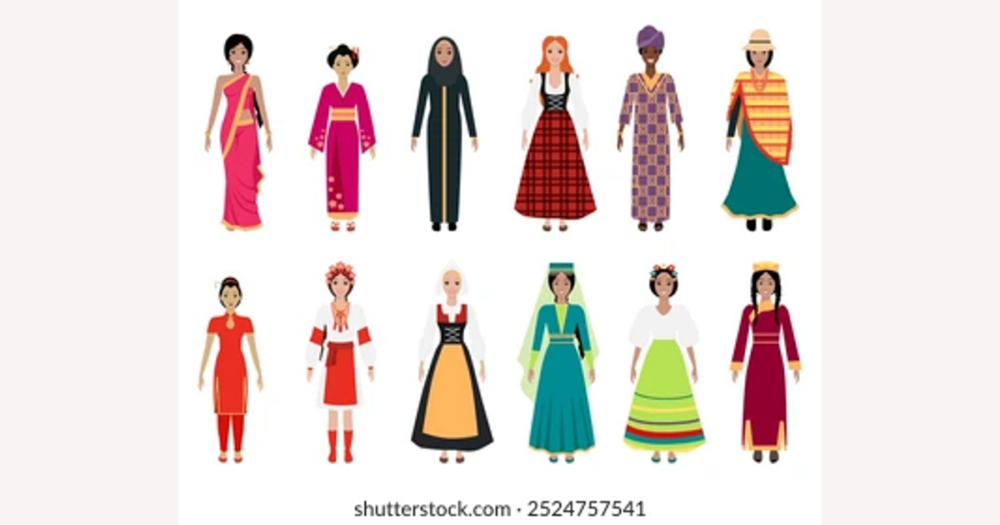
World dress clothing refers to garments that draw on traditional or contemporary styles from different regions and cultures—examples include cheongsam-inspired dresses, lehenga-style outfits, dresses made with African-inspired prints, flowing kaftan styles, Latin American–style embroidered dresses, and modern fusion pieces that mix elements from several traditions. These items can range from everyday wear to festival, performance or costume pieces, and the same design might be marketed in more than one way depending on the audience a seller is targeting.
On a platform like DHgate, these styles are usually surfaced through category filters, tags and search terms rather than a single unified label. You might see them grouped under phrases such as ethnic wear, cultural dresses, festival or cosplay categories, wedding and occasion wear, or seller-created collections. Because naming is often marketing-driven and imprecise, it helps to read listing titles and descriptions for clues about the style’s inspiration, the fabrics used and whether the dress is intended as daily clothing, formalwear or costume. Keeping cultural sensitivity in mind—recognising that some pieces are loosely inspired rather than faithful traditional garments—can also guide your expectations about authenticity separately from the platform checks you’ll use to judge reliability.
Core criteria for choosing a platform for world dress clothing
- Selection breadth and relevance: Check how many regions and styles are represented (for example, East Asian, South Asian, African-inspired, Middle Eastern, Latin American, fusion designs). See whether there are options in your needed sizes, including plus-size and petite, and whether colours and patterns match the style you have in mind rather than just generic “boho” or “ethnic” labels. On DHgate, a very broad but uneven catalogue means you may need to refine searches and ignore listings that feel culturally off or costume-like if you want closer-to-traditional styles.
- Size availability and clarity: Look for detailed size charts with measurements in centimetres, including bust, waist, hips and dress length, not just S–XL labels. Prefer platforms and DHgate sellers that provide size guidance, fit notes and buyer photos, especially if you need plus sizes or specific lengths. If charts are missing, incomplete or contradict reviews, treat that as a warning and compare another listing or platform that is clearer.
- Price bands and realism: Think in terms of low, mid and higher price bands for similar styles on the same platform rather than chasing one rock-bottom price. Extremely cheap world dress listings—especially those with elaborate embroidery or heavy fabrics—often signal shortcuts in materials or construction. On DHgate and other marketplaces, compare several similar listings to see the typical price range, and treat any outlier that is far cheaper than the pack as higher risk unless seller and materials information are unusually strong.
- Price transparency: Check whether the platform clearly shows the full expected cost: item price, shipping to Australia, and any estimated taxes or customs. Platforms that hide shipping until late in checkout or split costs across multiple fees make it harder to compare value. On DHgate, favour listings where total costs and currency are clearly stated before you commit.
- Materials and fabric content: Read descriptions for specific fibres (such as cotton, linen, viscose, polyester blends) rather than vague phrases like “soft fabric” or “high-quality material”. For world dress styles where drape or breathability matters, decide whether the fabric type suits your climate and comfort. On DHgate, treat listings with no fabric details or obvious mismatches between photos and text as higher risk than curated brand sites that standardise descriptions.
- Construction details and embellishment: Look for notes on linings, closures (zips, buttons, ties), seam finishes and care instructions, especially for dresses with heavy prints, beadwork or embroidery. Close-up photos that show stitching and embellishment methods are a good sign. When details are missing or photos are heavily filtered, assume the construction may be basic and compare against more transparent listings or platforms.
- Consistency between photos and text: Cross-check whether the photos, description and any buyer images all show the same style, fabric weight and colours. On marketplaces like DHgate, recycled or over-edited photos can mask differences between what’s advertised and what arrives. Platforms that insist on clearer, more consistent imagery tend to trade some variety for predictability.
- Seller reputation and history: Review overall ratings, but also the number of completed orders and how recent the feedback is. A medium rating from hundreds of world dress orders can be more informative than a perfect score from a handful of sales. On DHgate, I would prioritise sellers with substantial history in clothing, consistent feedback on fit and materials, and few complaints about wrong items or non-delivery, even if their prices are slightly higher than new or unproven sellers.
- Review depth and buyer photos: Read written reviews for recurring patterns—such as “runs small”, “fabric thinner than expected”, or “colours accurate”—and pay attention to photo reviews that show the dress in everyday lighting. Mixed reviews are normal on open marketplaces; what matters is whether issues are minor and predictable or serious and repeated. Brand-owned sites may have fewer but more curated reviews, while DHgate and resale apps often give you a wider spread of experiences to interpret.
- Seller communication and responsiveness: Consider how quickly and clearly sellers respond to questions about sizing, fabric or shipping. On DHgate, responsive messaging can partially offset limited listing detail, whereas slow or vague replies suggest problems if anything goes wrong later. More curated brands may have formal customer service instead of individual seller chats, trading flexibility for consistency.
- Payment security and fund handling: Check whether the platform processes payments through secure methods and whether it acts as an intermediary—holding funds until the order is confirmed or delivered—rather than sending money directly to the seller. DHgate typically positions itself as a marketplace middle layer with buyer protection mechanisms; if a seller asks you to pay off-platform or via unprotected methods, that is a major red flag compared with staying within DHgate’s normal payment flow.
- Shipping transparency to Australia: Review shipping options for carrier, tracking, estimated delivery window and whether customs or import duties might apply. On cross-border platforms like DHgate, longer and more variable timelines are common, but there should still be a clear estimate and tracking route. If shipping timeframes are extremely broad or fees are only revealed after checkout, weigh that against more predictable brand or local resale platforms, even if those cost more.
- Dispute and refund procedures: Read the platform’s buyer protection, dispute and refund policies before ordering, paying attention to deadlines, evidence requirements and who pays return shipping. On DHgate, understanding how to open a dispute and when the platform will step in can be the difference between a manageable issue and a lost purchase. Brand-owned sites may have simpler return portals but tighter conditions; resale platforms might rely more on mediation and proof. I prefer platforms where these rules are written in plain language and easy to find, even if that limits some sellers.
- Platform-wide guarantees and enforcement: Look for any stated guarantees—such as “item as described” or “delivery within a certain window”—and what remedies are offered if those guarantees are not met. A marketplace like DHgate may offer protection policies but rely on you to act within set timelines, while curated brands enforce quality standards before items are listed. Understanding how far the platform steps in, and how often enforcement seems to work according to reviews, helps you decide whether the extra variety is worth the added responsibility.
Step-by-step checklist for researching world dress clothing on DHgate
- Start by searching for relevant world dress styles on DHgate using regional or style keywords, or by navigating through categories that match the type of garment you want. Narrow the results with filters for size, price range and shipping to Australia so you’re looking at dresses that can realistically reach you within your budget and timeframe.
- Open a few promising listings and read the titles and descriptions carefully for style cues, fabric content, intended use (daily wear, formalwear, performance or costume) and care instructions. Look for detailed measurement charts and compare each key measurement with your own measurements instead of relying on generic size labels, especially for plus-size, petite or tailored styles.
- Assess seller reliability on each listing by checking the overall rating, the number of completed orders, how long the seller has been active and the pattern of written and photo reviews. Give more weight to feedback that mentions fit, materials and shipping accuracy for clothing, and treat repeated complaints about thin fabric, inaccurate sizing or non-delivery as a signal to move on, even if the price is attractive.
- Review the shipping options offered to Australia, including which carrier is used, whether tracking is provided, the estimated delivery window and any note about customs or import duties. Very long or vague timeframes, no tracking, or unclear information about potential customs charges should count as higher risk compared with other DHgate listings or more curated platforms that provide specific delivery expectations.
- Before you commit, ensure you are using DHgate’s approved payment methods and staying within the normal checkout process so that marketplace protections apply. Avoid any seller who suggests paying via direct bank transfer, messaging app or other off-platform methods, and check whether DHgate indicates that payment will be held or otherwise protected until the order reaches you.
- Finally, read DHgate’s buyer protection, dispute and refund policies along with the specific seller terms on returns, exchanges and who pays for return shipping. If the policies feel unclear, overly restrictive or inconsistent with your expectations—for example, very short dispute windows or no recourse for items that differ from the description—consider choosing a different DHgate seller, looking for a listing with clearer terms, or pausing the purchase in favour of a platform where protections and communication are stronger, even if prices are slightly higher.
How global marketplaces compare to brand sites and resale platforms
Open global marketplaces such as DHgate-style platforms usually feel like the widest window onto world dress clothing. Independent sellers from many regions list everything from everyday fusion pieces to more traditional-inspired designs, and prices span very low to moderate bands. The trade-off is that fabric quality, sizing accuracy, cultural framing and shipping reliability can shift sharply from one seller to the next because curation and oversight are lighter, so your own checks on listings, reviews and policies matter more than on heavily managed sites.
Brand-owned or tightly curated fashion sites tend to show a narrower slice of world dress styles—often a specific aesthetic or a small set of regions—but they usually balance that with clearer information and more predictable service. Size charts are more likely to match Australian or Western standards, fabric content is described in detail, and customer support and returns follow standardised processes. You often pay more per dress than on an open marketplace, yet many buyers accept that premium because it comes with more consistent fit, materials and logistics.
Secondhand and resale platforms sit somewhere in between. They can surface unique or potentially more authentic pieces, including items bought on trips or passed on from previous owners, but the catalogue is entirely dependent on what individuals choose to list. Condition, alterations and fit are highly variable, and return options can be limited or awkward to navigate, especially when sellers are private individuals rather than businesses.
In that landscape, DHgate-style marketplaces are most appealing if you prioritise variety and lower prices and are willing to manage more uncertainty through careful checks on sellers, descriptions and policies. If you care more about predictable quality, sizing and straightforward returns, you may lean toward more curated brand sites or resale platforms and accept higher prices or fewer options as the cost of clearer protections.
Risks to watch when chasing the lowest prices
What you can verify—and what stays uncertain—about platforms
Some parts of evaluating a platform for world dress clothing are concrete checks you can make before you ever place an order. On DHgate or any similar marketplace, you can read the platform’s own policies on payment security, buyer protection, shipping, returns and disputes, and you can check how individual sellers fit within those rules. You can also look at seller ratings, how long they have been active, and the tone and detail of written reviews, paying attention to comments about fabric, sizing accuracy and shipping reliability rather than just star scores.
Listings themselves offer further verifiable information. Stated materials, sizing charts, measurements, and estimated shipping windows are all claims you can compare across sellers and against your own expectations. If a dress is described as using a particular fibre blend, or if a seller provides precise bust, waist and length measurements, you can at least judge whether those details align with what you usually wear. Clear timelines, costs and any tracking options for shipping to Australia are also checkable up front.
Other aspects remain uncertain until the dress is in your hands. How the fabric feels against your skin, how it drapes when you move, the exact shade of a colour in natural light, and how well stitching, embroidery or embellishments hold up over time are all outcomes that no platform can guarantee for every item. Cultural faithfulness or authenticity is similarly complex: even when a listing uses traditional terminology, whether the design genuinely reflects a particular tradition can depend on context, maker and wearer, not just the marketplace label.
Because of these limits, marketing superlatives such as “best quality,” “premium fabric” or “authentic traditional dress” should be treated as starting points for scrutiny rather than guarantees. I would only treat them seriously when they are backed by detailed photos, close-up shots of seams and decorations, clear measurements and a history of thoughtful buyer reviews describing how the dress feels and wears. Even then, some uncertainty remains, and that is true on more curated sites as well as open marketplaces. Separating what you can verify—policies, ratings, descriptions and estimates—from what stays subjective or item-specific helps you keep expectations realistic and judge DHgate and other platforms on evidence rather than promises.
When DHgate is a reasonable platform to explore
- DHgate shows a genuinely diverse range of world dress styles that match what you are interested in, including cuts and sizes that work for your body rather than only a narrow slice of designs or one size range.
- Prices for similar-looking dresses, with comparable materials and detailing, fall into a band you consider affordable but not so low that they seem implausible next to other listings or platforms for the same type of garment.
- You can find multiple sellers whose world dress listings have consistently strong ratings, detailed written reviews and clear photos that make fabrics, construction and embellishments easy to judge before you buy.
- Shipping options to Australia clearly state costs, estimated delivery windows and any available tracking, and you are comfortable with the idea of waiting that long and with any potential customs charges mentioned in the listing or policies.
- DHgate’s buyer protection framework, payment security and dispute or refund policies feel understandable to you, and you are willing to accept their level of protection for the amount you plan to spend—especially after comparing at least one more curated brand site or resale platform using the same criteria. I would personally favour sellers and platforms that meet these conditions, even if that means skipping the very cheapest listings in favour of clearer information and more predictable outcomes.
Answers to common edge-case questions
Will I find plus-size world dress clothing on DHgate?
Plus-size world dress options on DHgate depend on individual sellers rather than a single platform-wide standard. Use size-related keywords (such as “plus size”, “XXL”, “extended sizes”) alongside the style or region you’re interested in, and open listings to check the measurement charts in centimetres for bust, waist, hips and length. Prioritise sellers who provide detailed size guidance, buyer photos and reviews that comment on fit, and be ready to skip listings where sizes are vague, charts are missing or feedback suggests inconsistent sizing. If DHgate’s options still feel limited or unclear for your body type, it can be reasonable to focus on sellers or other platforms that clearly advertise inclusive sizing and show reliable measurements.
How should I interpret mixed or sparse reviews on DHgate world dress listings?
Mixed reviews are common on open marketplaces, so focus on patterns rather than individual comments. Give more weight to recent reviews that include photos and specific details about fit, fabric, colour accuracy and shipping. If most criticisms mention the same problem—such as “runs small” or “fabric much thinner than pictured”—treat that as a likely outcome rather than an exception. Listings with very few reviews, especially at very low prices, carry more uncertainty because you have less information to judge quality and reliability. In those cases, either accept the higher risk consciously, look for another listing from a more established seller, or consider a more curated platform where feedback is clearer even if prices are higher.
What should I do if dispute or refund terms still feel unclear before purchasing on DHgate?
If dispute or refund terms feel unclear, treat that as a decision point rather than something to ignore. Re-read DHgate’s buyer protection and refund policies, then check the specific seller terms on returns, exchanges and who pays for return shipping. Use DHgate help content or support channels to clarify any rules you don’t understand, including timelines for opening a dispute and what evidence you might need. If after that the conditions still feel confusing, overly restrictive or out of line with what you’re comfortable risking, it is safer to skip that listing, choose a different DHgate seller with clearer policies, or switch to a platform whose protections and communication you find easier to trust.
Is DHgate a good place to find culturally authentic traditional dresses, or mainly inspired fashion?
On DHgate, cultural authenticity depends on individual sellers and items rather than the marketplace as a whole. Many listings offer fashion inspired by traditional styles—modern cuts, blended fabrics or costume-oriented designs that borrow motifs without closely following specific dress-making traditions. Some sellers may offer garments that are closer to traditional forms, but it can be hard to verify authenticity from listing text and photos alone. If your priority is a garment that respects particular cultural practices or is suitable for formal cultural events, you may prefer specialised or community-linked platforms, local designers or verified cultural vendors. DHgate can still be useful for everyday, fusion or festival fashion if you frame it that way, apply the same checks on materials, sizing and seller reputation, and keep expectations about cultural faithfulness modest unless you have very strong evidence for a specific item.