
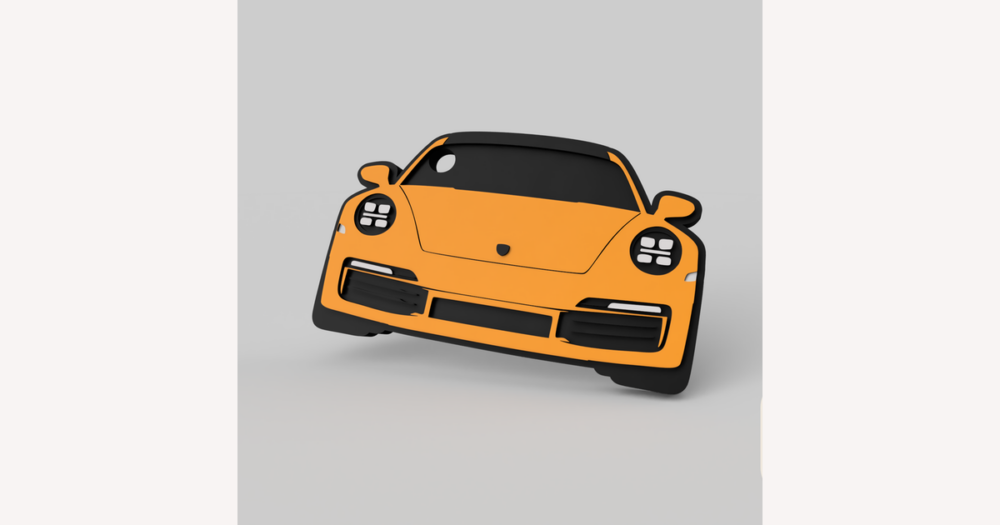
On DHgate, the best way to find a stylish, practical Porsche- or Audi-style keychain is to search brand-style and material keywords together, then judge each listing by how premium it looks, what materials are specified, and how trustworthy the seller seems. Because DHgate hosts many independent sellers rather than official brand stores, you should rely on photos, specs, buyer feedback, and platform checks—like seller ratings, order history, shipping expectations, and DHgate’s dispute and refund processes—to decide which keychains actually suit a luxury interior and feel solid enough for everyday use.
Use DHgate search smartly instead of hunting for official Porsche or Audi listings
On DHgate, you’re browsing a marketplace of many independent sellers, not an official Porsche or Audi store, so branded keychains are mixed in with generic and brand-inspired designs. Instead of searching for “official” merchandise, start with combinations of brand and material keywords such as “Porsche keychain leather”, “Audi keychain metal”, or “sport car keychain carbon fiber” to narrow the results toward the look and feel you want.
Treat any use of Porsche or Audi names in a title as a style cue, not proof of licensing. Open listings and look closely at the photos: for a Porsche or Audi-style accessory, you’re aiming for clean, minimal, high-end designs that echo leather, brushed metal, or subtle performance details, not cartoonish logos or cluttered graphics. If a keychain looks thin, overly shiny in a cheap-looking way, or visually busy, it’s usually better to skip it—even when the brand name is in the title—because it’s unlikely to feel as solid and premium as your key fob does in daily use.
Match keychain types and styles to Porsche and Audi aesthetics
Once you’re getting useful search results, it helps to recognize the main keychain styles you’ll see on DHgate. Leather loops or straps, solid metal fobs, carbon-fiber-look or performance-inspired pieces, minimalist rings, and enthusiast novelties shaped like engines, turbos, brake discs, or racing tires all show up frequently. Leather loops and compact metal fobs usually pair best with Porsche and Audi interiors, which lean on leather and brushed metal; they look tidy next to a modern key fob and tend to feel substantial in the hand.
Carbon-fiber-look or subtly performance-inspired designs can work well if your car has sport-oriented trim—these echo the carbon accents you might see on a steering wheel or center console. By contrast, oversized novelty pieces or very busy racing-themed charms are fun for collectors but can feel out of place in a refined cabin and may be awkward in pockets or bags. Minimalist rings and very simple hardware are practical and durable, but they can look a bit generic beside a luxury key. For most Porsche or Audi owners who want a coherent, premium look, understated leather or metal designs and clean performance-inspired keychains are safer choices than flashy, fragile-looking novelties.
Spot premium materials and finishes versus cheaper builds
For a Porsche- or Audi-style keychain on DHgate, treat the materials and finish as your main clues to how premium it will feel. Genuine leather usually looks thicker and has a visible grain, with stitching that sits straight and tight along the edges. PU or faux leather tends to be smoother or plasticky, with very uniform texture and sometimes slightly wrinkled or uneven edges in close-up photos.
Metal hardware is another quality signal. Zinc alloy or stainless-steel pieces generally appear heavier and smoother, with rounded edges and a consistent finish that matches the brushed or polished metal you’d expect around a luxury key. Thin, uncoated metal or lightweight plastic hardware often looks sharp-edged, overly shiny, or dull and patchy, which can feel cheap and may wear quickly.
Carbon-fiber-look designs sit between style and substance. Better-executed pieces have a crisp, regular pattern and clean transitions where the carbon-look surface meets leather or metal, while low-quality prints can look blurry, stretched, or misaligned in listing photos. If the pattern looks messy or the edges around it are rough, it’s unlikely to give the refined performance vibe you’d want next to a Porsche or Audi key.
Because DHgate listings are marketing, not lab reports, none of these signals are guarantees. Use them as clues: close-up photos of stitching, edges, and hardware, clear wording like “genuine leather” rather than “leather style,” and a mid-range price point together often suggest more care in construction. I would rather choose a simple, well-finished leather loop or solid metal fob that looks clean and substantial than a multi-tool or very busy design that appears thin or flimsy in the photos, especially if the goal is a keychain that feels truly premium in daily use.
Follow a simple DHgate search-and-check sequence
- Enter combined keywords that mix the car brand style with materials or design, such as the brand name plus “leather keychain”, “metal keychain”, or “carbon fiber keychain”, to focus DHgate results on the look you want.
- If helpful, sort or filter by orders or rating, then scan the thumbnails for keychains whose overall shape and finish match Porsche/Audi aesthetics: clean lines, compact size, and leather or metal that looks substantial rather than flashy plastic.
- Open a few promising listings and read the specifications carefully, checking dimensions, weight, stated materials, and the keyring or clasp type so you know the keychain will sit comfortably in a pocket, bag, or on a hook with your actual key or fob.
- Go through all photos, especially close-ups of stitching, edges, and hardware, to judge whether the finish looks smooth, consistent, and robust enough for everyday handling and occasional drops.
- Check seller ratings, feedback percentages, transaction counts, and buyer reviews—paying special attention to customer photos and comments about build quality, material feel, and whether the product matches the description and pictures.
- Shortlist two or three strong options and compare their materials, photos, and seller metrics side by side, rather than buying impulsively just because a title mentions Porsche or Audi; pick the listing that combines the most convincing quality signals with reliable seller feedback.
Understand what “brand compatibility” really means on DHgate
On DHgate, phrases like “for Porsche”, “for Audi”, or “compatible with” in a keychain listing almost always describe visual style or physical fit to a certain key shape, not official manufacturer approval. Treat these words as a signal that the design is inspired by a brand or sized for a particular type of key or fob, rather than proof of licensing.
Read titles and descriptions for concrete clues about fit. Mentions of specific models, generations, or key types (such as flip keys, smart key fobs, or classic metal keys) help you judge whether the keychain will attach cleanly and sit well in a pocket or on a hook. Notes about the attachment method—split ring, carabiner-style clip, screw-lock loop, or strap—matter just as much, because they determine how securely your Porsche or Audi key stays in place.
Be cautious when a listing leans heavily on trademarked logos or wordmarks without explaining their origin. Heavy use of brand symbols can raise legal or ethical questions, and it does not guarantee official endorsement. If a seller does not clearly state whether logos are licensed or simply decorative, assume they are generic and focus on whether you’re personally comfortable with that.
For a premium car key, what matters most is whether the design and hardware work well with your actual key and look appropriate next to a Porsche or Audi interior. Prioritize subtle, brand-coherent colors and materials—such as understated leather or metal that echoes your car’s trim—over loud logo reproductions when quality or legitimacy feels uncertain; I would rather carry a clean, unbranded piece that feels solid than a flashy logo keychain that looks or feels cheap.
Watch out for quality, logo, and return-policy risks
Use a quick buyer checklist before you order
- Confirm materials and finish: the listing should clearly state materials and show close-up photos with clean stitching, solid hardware, and a leather or metal finish that would look at home next to a Porsche or Audi key.
- Check design and fit: make sure the ring, clasp, or hook works with your actual key or fob and that the overall size won’t be bulky or awkward in the pocket, bag, or spot where you usually carry your keys.
- Assess seller reliability: look for strong ratings, a solid number of completed orders, and buyer reviews—ideally with photos—that talk specifically about build quality and whether the keychain matches its description and pictures.
- Review shipping and timing: confirm the stated shipping method and estimated delivery window are acceptable for you, especially if you need the keychain for a specific date or occasion.
- Understand returns and disputes: skim DHgate’s buyer-protection, dispute, and refund guidance along with the seller’s own return terms so you know how to proceed if the keychain arrives with different materials, finish, or branding than advertised.
FAQ: Licensing, realistic photos, and mismatched keychains
Are Porsche or Audi keychains on DHgate officially licensed?
DHgate’s inventory and licensing status can change, and most keychains that mention Porsche or Audi are generic or brand-inspired rather than officially approved merchandise. Unless a listing clearly and credibly states licensing details and you’re comfortable with how it explains them, assume the brand name is being used as an aesthetic cue—suggesting a similar look or fit to a certain key style—not as proof of official manufacturer endorsement.
How can I tell if a DHgate keychain listing’s photos look realistic?
Treat seller photos as marketing and look for signs that they represent a real object. Compare the main images with buyer-uploaded photos in the reviews when available; if they look broadly similar, that’s a good sign. Be cautious with pictures that look like generic stock images or overly polished mockups with no close-ups. Prefer listings that show multiple angles, zoomed-in shots of stitching, edges, and hardware, and minor natural imperfections in texture or lighting, because these details usually indicate an actual product rather than heavily edited artwork.
What should I do if the keychain’s material or finish is different from the DHgate description?
Start by documenting the problem with clear photos of the keychain, focusing on the parts that differ from the listing—such as leather that feels synthetic, metal that looks like plastic, or logos and finishes that don’t match the images or wording. Review the seller’s stated return and refund terms and then follow DHgate’s current buyer-protection guidance, which typically means contacting the seller through the order page and, if you can’t resolve it directly, opening a dispute for “item not as described.” Keep your messages specific and attach your photos so DHgate can see how the product differs from the listing when assessing your case.