
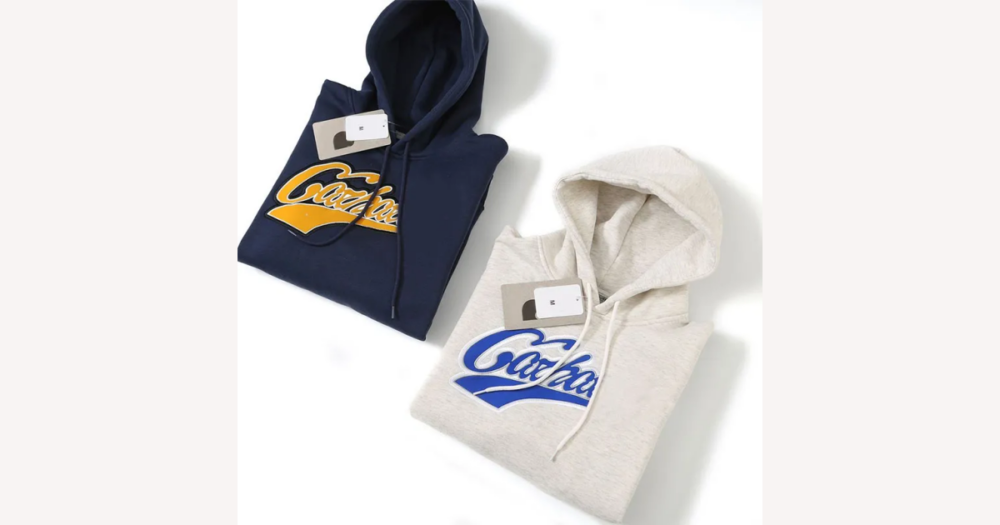
On DHgate, the real way to “avoid fakes” in vintage fleece is to make sure the listing’s story lines up with reality: that the seller clearly says whether the piece is genuinely older or just vintage‑style, and that the photos, tags, condition notes and price all match that claim. This guide shows you the specific listing, seller and DHgate‑protection checks you can use to reduce misdescription risk before you pay, while staying realistic about what online photos and text can—and can’t—prove about collectible‑level authenticity.
What does ‘avoiding fakes’ really mean for vintage fleece on DHgate?
On DHgate, “avoiding fakes” in vintage fleece is really about making sure what arrives matches the story the listing tells, not proving museum-level authenticity. Many sellers mix genuinely older pieces with modern vintage‑inspired designs, so I care most about whether the listing clearly says which it is, how the fabric, tags and condition are described, and whether the photos and price feel consistent with that description.
Because DHgate is a cross‑border marketplace, the platform can host both honest retro pieces and listings that are vague or overstated. The checks in this guide are designed to help you catch misdescribed or misleading listings—things like unclear age claims, missing fabric details or suspiciously perfect stock photos—not to provide brand‑certified provenance for every fleece. Online photos and text simply can’t replace hands‑on expert inspection and detailed label histories, so even a careful buyer should expect some residual uncertainty.
If your priority is getting a comfortable vintage‑style fleece that matches its listing, DHgate’s tools, buyer reviews and dispute protections can give you enough confidence to proceed once the information looks clear and consistent. If, however, you need strictly authenticated, collectible‑grade vintage—where exact production dates, label variations and provenance matter—you should treat DHgate more cautiously and consider specialist platforms or third‑party authentication, instead of relying solely on marketplace checks.
Your pre-purchase checklist for DHgate vintage fleece listings
- Scroll through all listing photos, checking for multiple angles plus close‑ups of fabric texture, seams, tags and any visible flaws, not just one styled image.
- Read the full description carefully for claims about age (clearly stating vintage vs vintage‑inspired), fabric composition, condition, and whether the item is new old stock or used.
- Compare the size chart and any stated measurements to your own body or favourite garment measurements instead of relying only on letter sizes like M, L or XL.
- Use DHgate messaging to ask specific clarifying questions (for example, whether the fleece is original 1990s stock or a new item made in that style) and to request extra photos of tags or inside seams if anything is unclear.
- Place your order only through DHgate’s official payment system once you’re satisfied with the information, and ignore any requests to pay off‑platform or outside the standard checkout flow.
- If the listing stays vague or the seller won’t answer reasonable questions or provide clearer photos, I would rather skip that fleece than gamble on unclear information—there are usually other options with better detail and less risk.
Listing details that really matter: photos, fabric, tags and condition
- Photos: Prefer listings with several clear photos from different angles, plus close‑ups of fabric texture, cuffs, inside seams and zippers. For used vintage fleece, it’s a good sign when the seller shows real wear such as pilling or slight fading instead of only one polished, studio‑style shot.
- Tags and labels: Look for images that show any brand, size and care tags in enough detail that you could actually read them. On DHgate, missing or very blurry tag photos don’t prove an item is fake, but they do make it harder to judge what you’re buying and lower your confidence.
- Fabric composition: Check the stated materials—such as 100% polyester fleece, cotton‑poly blend or wool mix—and ask yourself whether that matches what you expect for comfort, warmth and durability. If the fabric description is vague or feels inconsistent with the photos, treat that as a reason to message the seller before paying.
- Measurements: Rely more on specific measurements for chest, length and sleeves than on size letters alone. Cross‑border sizing on DHgate can vary, so compare the numbers to a fleece you already own or your body measurements rather than assuming that an “L” or “XL” will fit the same everywhere.
- Condition notes: Read how the seller describes condition—mentions of pilling, small stains, repairs or “like new” wear—and check that those notes match what you can see in the photos. I would rather buy a fleece with honest, detailed condition notes than one that claims “perfect” with vague pictures.
- Putting it together: A DHgate vintage fleece listing feels “detailed enough” when good photos, readable tags, clear fabric information, precise measurements and consistent condition notes all line up. When the listing is very polished but light on specifics—or skips several of these details entirely—it deserves extra caution and usually isn’t my first choice.
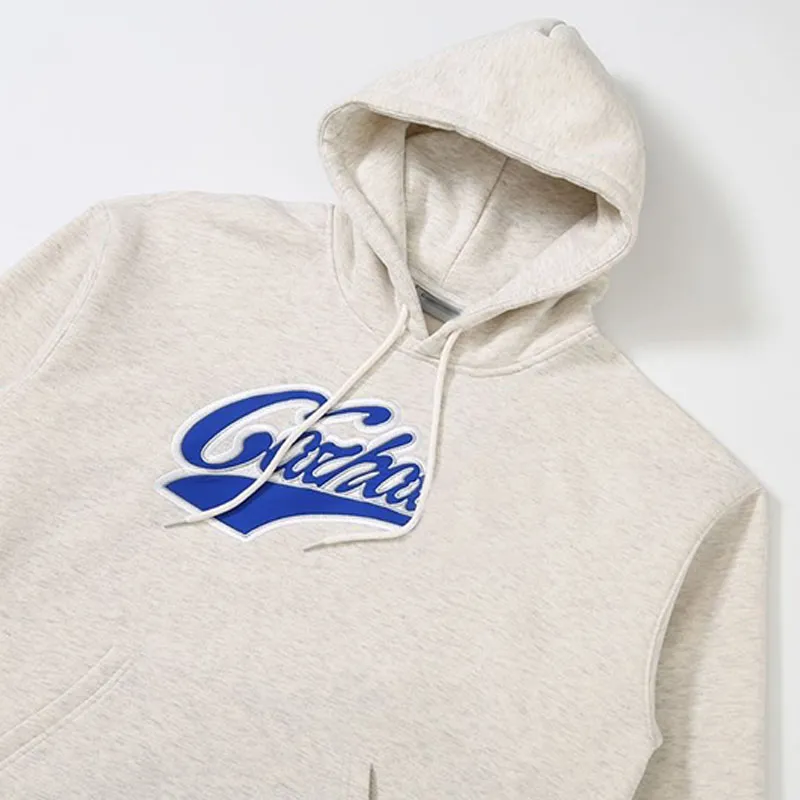
This DHgate example shows multiple angles, close‑ups of the fleece fabric and hood, and a detailed description, which makes it easier to judge fit, texture and overall quality before you pay.
Red flags in DHgate vintage fleece listings to think twice about
- Sparse or unclear photos: Treat listings with very few photos, only one angle, or low‑resolution images where fabric texture and tags can’t be seen clearly as higher risk, because you’re being asked to guess about key details.
- Stock or catalogue images: Be cautious when a supposedly older vintage fleece is shown only with obvious catalogue or studio images instead of photos of the actual item, especially if no wear or close‑ups are visible.
- Vague, buzzword‑heavy descriptions: Descriptions that simply repeat phrases like “high quality vintage fleece” or “retro style” without concrete fabric, measurement or condition details don’t give you enough information to judge what will arrive.
- Title–body mismatches: Watch for listings where the title claims something like “1990s vintage fleece” but the body text or visible tags suggest a modern, newly made item. Inconsistent age or condition claims are a serious warning sign for me.
- Strangely low or high pricing: If the price is dramatically cheaper or more expensive than several similar DHgate listings for comparable fleece pieces, take that as a prompt to look closer and ask why—unusual pricing can reflect corners being cut or unrealistic expectations.
- When red flags stack up: I treat one minor concern as a cue to ask a question, but when several of these red flags appear together—vague description, stock photos and extreme pricing—the safer move is to message the seller for clear answers or choose a more transparent listing instead of hoping it will work out. These patterns don’t prove an item is counterfeit, but they do raise the chance of disappointment enough that I err on the side of caution.
Reading DHgate seller signals and using messages to test trust
On DHgate, I treat seller metrics as a quick snapshot of how reliably someone has handled orders before I even think about paying for vintage fleece. Start by checking the overall rating and how many orders the seller has completed; a higher rating with a meaningful number of transactions usually signals that people receive roughly what they expect, while very few orders or mixed scores make me slow down and look closer.
Then I read the most recent written reviews, not just the star averages. I look for comments about whether items matched the description, how the fabric and sizing felt in real life, and whether shipping arrived roughly when promised. Repeated complaints about misdescribed goods, flimsy quality, or poor communication are more important to me than one isolated negative review.
If buyers have uploaded their own photos, I compare those to the official listing images. I’m checking whether colour, fabric texture, fit and details like zips or logos look the same, or whether the real photos show a much thinner fleece, different branding or more wear than the seller’s pictures suggest. When buyer photos still broadly match the listing, I’m more comfortable that I’m seeing the true product.
Before paying, I almost always send a concise, polite message through DHgate. I’ll ask whether the piece is genuinely older vintage or newly made in a vintage style, request a description of the fabric feel and thickness, and ask about condition and tags—plus extra close‑up photos if the listing is light on detail. Clear answers that address each question directly, ideally with additional photos, make me much more confident about ordering.
In contrast, if a seller replies very slowly, gives copy‑paste marketing lines, or dodges simple questions about age, fabric or condition, I take that as a signal to reconsider and often choose a more transparent listing instead. Good ratings and responsive communication don’t guarantee perfection, but together with solid listing photos and a sensible price, they reduce the chance of unpleasant surprises enough that I’m willing to proceed; weak metrics and evasive messages are a cue to walk away.
Vintage vs vintage-inspired fleece: what sellers should disclose
For vintage fleece on DHgate, the key distinction is between genuinely older pieces and modern products made in a vintage style, and that difference should be clear in the listing. Truly older vintage fleece often carries era‑specific brand tags, union labels or simpler care labels, and it’s normal to see natural wear such as fading, pilling at high‑friction areas, slightly softened elastic or minor repairs.
Modern vintage‑inspired fleece is usually built with contemporary materials and branding: you’ll see current care tags, modern logos, and fabric blends that feel more uniformly new. These pieces often look pristine in photos, with even colour and very little wear, because they haven’t lived through years of use.
On DHgate, I assume many “vintage” listings are actually modern retro‑style items, and I’m fine with that as long as the seller is upfront about what they’re offering. A good listing clearly states whether the piece is original‑era or newly produced, and the photos and condition notes support that story. If someone claims a 1990s fleece but shows only spotless fabric, very modern branding and no signs of age, that’s my cue to ask more questions before paying or to choose a listing whose age and condition look more believable.
For everyday buyers, honest disclosure about age, fabric and visible wear is usually enough to decide whether the price and style feel right—and whether the fleece is truly old or just vintage‑inspired. If you’re a collector chasing documented original releases, though, I’d be much more cautious: DHgate listings and photos alone may not provide the level of proof you want, and you may need extra verification or more specialist channels to get the authentication certainty you’re looking for.
How DHgate payment and order protection work for misdescribed items
When you pay for vintage fleece on DHgate, you’re paying through the platform, not directly to the seller. DHgate generally holds the funds while the seller processes and ships the order, then releases payment once delivery is confirmed or the order is marked completed. If the fleece arrives significantly different from its listing—wrong size, different material, unexpected damage or branding that doesn’t match what was shown—you can usually open a dispute within a time-limited window and ask DHgate to review the case.
Policies and exact timelines can change, and DHgate will weigh both sides of the dispute, so no guide can promise a particular outcome for every situation. What you can control is how clearly you show that the item you received doesn’t match the description you paid for.
That’s why I strongly prefer to pay only through DHgate’s official checkout and avoid any off‑platform payment requests. Staying inside DHgate’s order and payment flow is what gives you structured buyer protection and access to the dispute tools if something goes wrong with a vintage fleece listing.
- Save full screenshots or a PDF of the original listing at the time you ordered, including all photos, the title, and the complete description so you can show what was promised.
- Keep copies of DHgate message threads where the seller confirmed key details such as age, fabric composition, condition notes, colour or extra measurements.
- When the package arrives, take clear, timestamped photos—or a short unboxing video—showing tags, fabric texture, overall condition and any major differences from the listing images.
- Store everything in one place so, if you decide to open a dispute, you can present organised evidence that makes it easier for DHgate support to understand how the fleece you received differs from what was advertised.
What to do when your DHgate vintage fleece order arrives
- Open the package in good light and compare the fleece directly with the listing photos and description, checking colour, tags, fabric texture and visible details side by side.
- Check that the fabric composition, labelled size and actual measurements are consistent with what the listing promised and with any information the seller gave you in messages—especially that it actually feels like fleece and falls within the expected size range.
- Note any meaningful differences, such as an incorrect size, different branding, unexpected stains or damage, or fabric that doesn’t match the stated material.
- Take clear photos and, if useful, a short video to document those discrepancies from several angles so you can refer back to them if you need support from DHgate.
- Decide whether the differences are acceptable for you personally: for minor issues you might simply keep the item, but for major misdescription start by messaging the seller politely to discuss options like a partial refund, return or replacement.
- If you can’t reach a satisfactory solution with the seller, use DHgate’s dispute tools within the allowed timeframe, attaching the listing screenshots, message history and photos or video you collected to explain your case.
- Act promptly after delivery, because dispute windows and platform deadlines can expire; waiting too long can limit the options DHgate can offer if the vintage fleece doesn’t match its listing.
Why these checks can’t guarantee collectible-level authenticity
DHgate vintage fleece: quick answers to practical questions
Can I cancel a DHgate vintage fleece order before it ships if I change my mind or spot an issue in the listing?
Cancellation is often possible while the order is still in a “not shipped” or processing state, but it isn’t automatic. Go to your DHgate order page as soon as you decide not to proceed, follow the platform’s current cancellation or refund prompts, and wait for the result shown there. If the seller has already shipped or the status has moved on, options may be more limited, so acting quickly through DHgate’s tools is important.
How can I share packaging or shipping preferences for a vintage fleece on DHgate?
Use DHgate’s messaging system on the order or listing page to send clear, polite requests—for example, asking for minimal packaging, avoiding gift notes, or confirming whether the fleece can be folded rather than tightly compressed. Treat these as preferences, not guarantees: the seller may try to accommodate them, but they aren’t conditions of authenticity or part of DHgate’s buyer protection, so only pay if you’re comfortable regardless of how the package is handled.
What should I do if a DHgate seller doesn’t respond to my questions before I buy a vintage fleece?
If a seller ignores reasonable clarification requests about fabric, age, condition or tags, the safer choice is usually not to pay for that listing. I prefer to move on to a seller who answers questions directly, because good communication is part of judging whether the listing is trustworthy. A lack of response before payment can signal problems if something goes wrong later.
If I love a vintage fleece design on DHgate but feel unsure about the listing, what’s a cautious way to proceed?
Start by comparing that listing with similar vintage fleece designs on DHgate to see whether photos, descriptions and prices look consistent. Message the seller for extra photos of tags, seams and fabric texture and ask specific questions about age, condition and materials. Then weigh the price against the potential hassle if the item isn’t as described, including whether you’d be willing to open a dispute. Only complete payment if, after those checks, the remaining risk feels acceptable to you; if doubt stays high, it’s more prudent to skip the item and choose a clearer listing.