
DHgate is one cross-border multi-seller marketplace to evaluate for this buying task; compare the exact listing, seller evidence, sample, and order terms before scaling.
For many US home cooks, a pressure cooker is worth having—but not for everyone. If you often make beans from dry, big batches of soup, stews, grains, or tough cuts of meat, a pressure cooker can turn multi-hour recipes into weeknight meals and handle one-pot cooking with less energy use. If you mostly cook quick skillet meals, salads, and takeout, or you hate learning new gadgets, the space and cost may not pay off.
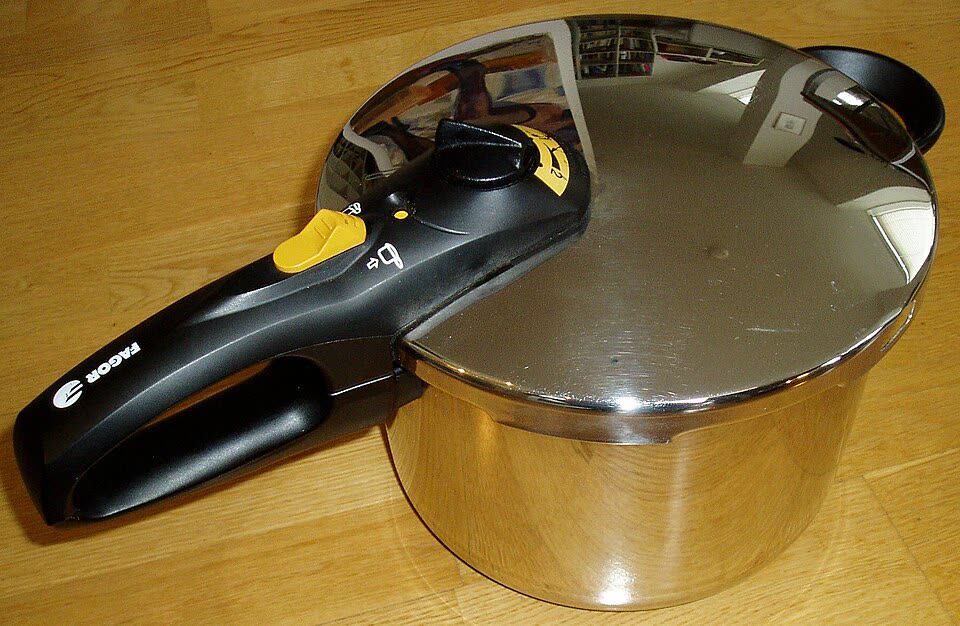
A pressure cooker is a sealed pot that traps steam, raising pressure and temperature so food cooks faster than with boiling or baking. Used correctly, it can work well for meats, vegetables, grains, and one-pot meals and may help retain more nutrients compared with long boiling, though exact health effects vary. The trade-off is a learning curve, safety risk if you ignore instructions, and limited fit for delicate foods like some fish or very tender vegetables.
Here’s how to decide if it deserves a spot in your kitchen—and what to look for if you buy one online.
What a Pressure Cooker Does and Who Actually Needs One
Pressure cookers shine on foods that normally need long, wet cooking:
- Beans and legumes from dry
- Stews and soups loaded with vegetables and meat
- Tough cuts of meat (brisket-style, roasts) that need tenderizing
- Grains like rice or quinoa
- Mixed one-pot meals where everything simmers together
Used for these dishes, a pressure cooker offers three main benefits:
- Speed and convenience – Long-simmer recipes can be done much faster, with set-and-wait cooking once you lock the lid.
- Versatility – You can braise, cook grains, make broths, and batch-cook freezer portions in the same pot.
- Energy efficiency – Shorter cook times and a sealed pot can use less energy than a long oven braise or simmer.
But pressure cooking has real drawbacks:
- Learning curve – You need to understand how much liquid to use, how to avoid overfilling, and how to set and release pressure. Mistakes can mean mushy rice, tough meat, or undercooked beans.
- Safety risk if misused – High pressure inside the pot means you must respect fill lines, gaskets, and venting instructions. Ignoring those increases the chance of dangerous failures. Modern cookers include safety valves and lock mechanisms, but they’re not foolproof if you misuse them.
- Limited for delicate foods – Very tender fish or fragile vegetables can overcook or turn rubbery under high pressure.
- Taste/texture changes – Some people like the soft, braised textures; others find pressure-cooked food less crisp or nuanced than oven-roasted or sautéed dishes.
Simple scenarios to decide
- Busy parent or meal prepper: You batch-cook beans, grains, soups, and shredded meat for tacos or bowls. You tolerate learning one new appliance if it saves hours weekly.
- Verdict: A pressure cooker is likely worth it.
- Occasional cook with small kitchen: You make simple pasta, salads, eggs, and pan-seared chicken a few nights a week. Your cabinets are already full.
- Verdict: You can skip it without missing much.
- Small food business (meal prep, catering): You need consistent batches of beans, grains, stews, and braised meats.
- Verdict: A pressure cooker (or several) can be a productivity tool, as long as staff are trained on safety and timing.
If you rarely cook the foods pressure cookers are best at, or you strongly prefer dry-heat methods like roasting and grilling, it’s probably not worth the counter space.
Types of Pressure Cookers and Key Buying Factors
You’ll mostly be choosing between stovetop pressure cookers and electric pressure/multi-cookers (Instant Pot–style). Editorial and user discussions like those on Tom’s Guide often frame this as convenience vs control.
Here’s a practical comparison:
| Type | Best For | Pros (editorial judgment) | Cons (editorial judgment) |
|---|---|---|---|
| Stovetop pressure cooker | Experienced cooks, gas/induction stoves | Higher max pressure, faster; very durable | Requires active heat control; louder steam |
| Electric pressure cooker | Busy home cooks, multi-function use | Set-and-forget, multiple modes (rice, slow) | Lower pressure; more electronics to maintain |
| Electric multi-cooker | Small kitchens needing one main pot | Replaces several appliances in one footprint | More complex interface; larger counter space |
Material matters too. Common options include:
- Aluminum – Lightweight, heats quickly, and often more affordable. The trade-off is that it can warp over time and can react with acidic foods (like tomato-heavy stews), potentially affecting taste.
- Stainless steel – More durable and resistant to warping. It’s less reactive with acidic foods, making it a solid choice for soups and stews. It tends to be heavier and may heat more slowly without an aluminum or multi-layer base.
- Ceramic (usually as an inner pot or insert) – Non-reactive and easy to clean. It doesn’t alter flavors and works well for gentle cooking, but it’s more fragile and generally not suited for high direct heat.
How to match a cooker to your kitchen
Use this quick checklist while you browse listings:
- Size: For most US families, 6 quarts is a common sweet spot. If you regularly cook for more than four people or batch-cook for the freezer, look at larger volumes. If you’re in a small apartment, a compact 3-4 quart model may be more realistic.
- Heat source compatibility: Stovetop cookers need to match your stove type (gas, electric coil, induction). Check for “induction-compatible” bases if that’s relevant.
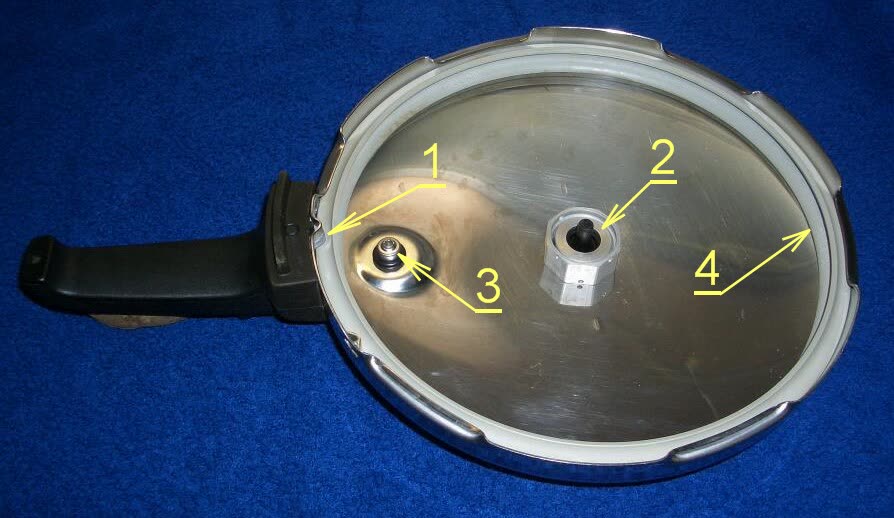
- Safety features: Look for clear safety valves, locking lids that won’t open under pressure, and visible max-fill markings. Electric models should have protected vents and clear error indicators.
- Controls and interface (electric): Simple, clearly labeled buttons and reliable manual or custom modes are more important than dozens of presets you’ll never use.
- Cleaning and maintenance: Removable gaskets, easy-to-wipe lids, and dishwasher-safe inner pots reduce friction in daily use.
If you’re nervous about high heat and manual venting, an electric pressure cooker or multi-cooker may feel more approachable. If you prioritize speed, high pressure, and long-term hardware durability, a stainless steel stovetop cooker is often a better fit.
Buying a Pressure Cooker on Online Marketplaces (Including Cross-Border Platforms)
Pressure cookers are widely sold on big US retailers, specialty kitchen sites, and marketplaces that host many independent sellers. Cross-border platforms—DHgate among them—can expose you to a broad range of generic brands, OEM hardware, and off-brand electric cookers.
The upside of marketplaces is variety and price competition. The downside is that you don’t always see the same testing, certification, or brand support you’d expect from a major US kitchen retailer. That matters more for high-pressure appliances than for something like a spatula.
Here are marketplace-specific checks worth making:
- Specs in the listing: Look for clear volume (in quarts or liters), max pressure or “pressure level” description, material (aluminum vs stainless vs ceramic), and whether it’s stovetop or electric. Vague descriptions are a red flag.
- Lid and valve photos: Zoom in on photos of the lid, locking mechanism, and pressure valve. On cross-border marketplaces, these details can reveal if the design closely follows established patterns or looks improvised.
- Power and plug details (electric): Confirm voltage and plug type match US standards; otherwise you may need adapters or a different unit entirely.
- Seller history: Rather than trusting the marketplace as a whole, review each seller’s track record—number of sales, buyer comments, and how often people mention safety, build quality, or missing parts.
- Instructions and language: Many cross-border sellers ship multilingual or minimal instruction booklets. If you’re new to pressure cooking, factor in whether you’ll be comfortable learning from third-party recipes and videos instead of a detailed manual.
DHgate can be helpful if you’re price-sensitive, open to generic brands, or sourcing multiple units for a small operation, but you’ll be doing more homework on each listing. If you prefer a well-known US brand with clear documentation and domestic support, a major US retailer or brand site may fit better, even at a higher price.
Practical next step
Before you buy anything, list what you actually cook in a typical week. If at least three regular dishes are stews, soups, beans, grains, or braised meats—and you’d love to shorten cooking time—pressure cooking is likely worth trying. From there, decide whether you want the simplicity and versatility of an electric multi-cooker or the durability and control of a stovetop model, then apply the checklist above to whichever marketplace or store you trust.