
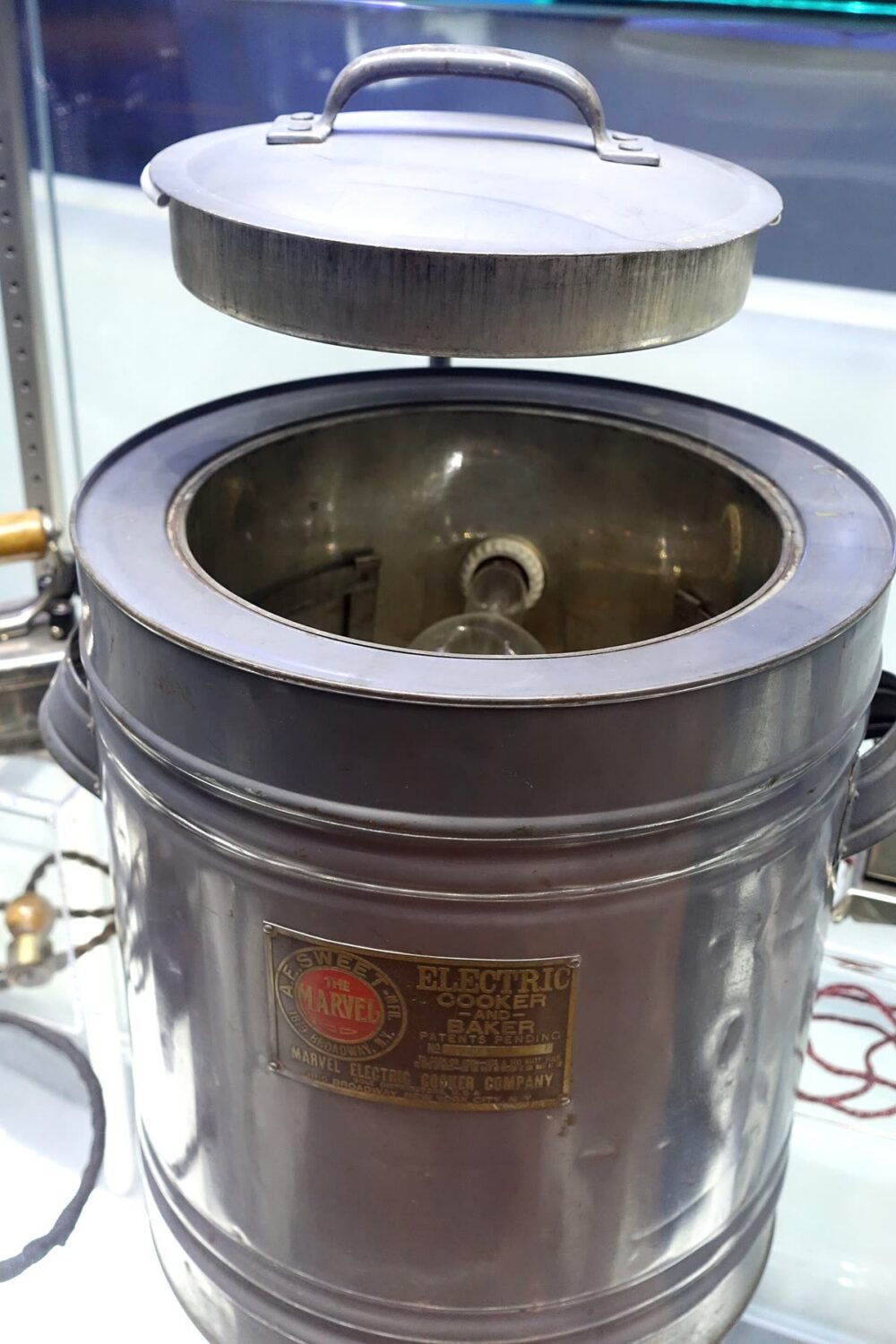
Cooking in a “cooker” usually means using a pressure cooker: you put food and liquid in a sealed pot, let steam build up to raise the pressure, cook for a set time, then release that pressure safely before you open the lid. The basics are straightforward—add enough liquid, avoid overfilling, make sure the lid and gasket are correctly in place, and choose either natural or quick pressure release depending on the recipe. Once you understand that workflow, it’s much easier to pick the right pressure cooker from Amazon, a big-box store, or a cross-border marketplace like DHgate.
What “cooking in a cooker” usually means: modern pressure cookers explained
A pressure cooker is a heavy pot with a locking lid designed to trap steam. As that steam builds, the pressure inside rises and water boils at a higher temperature than on an open stovetop. That higher temperature cooks food faster while generally keeping flavors and textures more concentrated than long simmering.
For a more detailed overview of how modern pressure cookers work, you can skim this guide from Food Network: How to Use a Pressure Cooker.
You’ll see two broad types:
- Stovetop pressure cookers: Metal pots that sit on your existing burner. You control heat manually and watch the pressure indicator.
- Electric pressure cookers / multi-cookers: Countertop appliances with their own heating element and a digital control panel. Many have preset programs for rice, beans, stews, and more.
Common everyday uses include beans, lentils, stews, pot roast, chicken thighs, stock, and tougher cuts of meat that usually need hours to break down. You can also do basics like rice and potatoes, and many electric units double as slow cookers or steamers.
Step-by-step: how to cook safely in a pressure cooker
These steps apply to both stovetop and electric designs. Always cross-check your specific manual—no article can replace manufacturer instructions.
- Inspect the cooker
Check that the pot is clean, the rubber gasket (seal) is flexible and seated correctly, and the pressure release valve looks clear, not clogged with food.
- Add ingredients and liquid
Place your food in the pot following a recipe that’s designed for pressure cooking. Add enough liquid (water, broth, sauce) to create steam—recipes will specify the minimum, but you should think in terms of a clear, pourable base rather than a nearly dry mix.
- Avoid overfilling
For most dishes, keep the cooker under about two-thirds full so there’s room for the steam to build. Foods that foam or expand (like beans or grains) need even more headroom.
- Seal the lid correctly
Align the lid as your model requires, lock it, and make sure any vent or valve is set to the “pressure” or “seal” position. If the lid doesn’t feel secure, don’t turn the heat on—reseat the gasket and try again.
- Bring it up to pressure
- On stovetop units, use medium to high heat until the pressure indicator shows it’s at pressure, then lower the heat just enough to maintain that level.
- On electric units, choose a pressure cooking program (often “Pressure Cook” or “Manual”) and let the cooker reach pressure automatically.
- Cook for the recipe time
Once at pressure, start timing according to the recipe. Overcooking can turn vegetables and some meats mushy, so avoid guessing until you have a feel for your cooker.
- Release the pressure safely
When time is up, you have two main options:
- Natural release: Turn off the heat and wait for the pressure to fall on its own. This is gentler and often better for large pieces of meat or soups that might splatter under a fast release.
- Quick release: Open the valve to vent steam. Keep hands and face away from the vent; on electric models, some recipes explicitly call for quick release to avoid overcooking.
- Open and check doneness
Confirm the pressure has fully dropped (indicator or float valve), then unlock the lid away from your face. Check the food; if it’s slightly underdone, you can put the lid back on and cook under pressure a bit longer, or finish with regular simmering.
- Serve and clean
Dish up, then let the cooker cool. Remove and wash the gasket and lid parts as your manual recommends so valves don’t clog and seals don’t degrade.
Safety callout
Treat the steam like you would boiling oil: it’s very hot, and sudden release can hurt you or your kitchen walls. Don’t tamper with safety valves, don’t force open a lid under pressure, and don’t bypass the minimum liquid or maximum-fill guidance the manufacturer gives.
Buying a pressure cooker online: key features, safety checks, and marketplace choices
Once you understand how pressure cooking works, the buying decision gets more concrete. You’re matching the way you plan to cook with specific features—not just chasing a low price.
Size and capacity: match the household, not the marketing
Think about who you cook for most nights:
- Singles or couples often do well with smaller cookers.
- Families or batch cooks generally want larger pots so a stew or bean recipe can cover several meals.
Remember the pot can’t be filled to the very top in pressure mode, so a “larger than you think” mindset usually ages better than buying the smallest size to save money.
Material, lid, valves, and handles: what signals decent build quality
Common materials and parts you’ll see:
- Pot material: Stainless steel is known for durability; aluminum heats quickly and evenly but may feel lighter and less robust. Some models use ceramic-coated aluminum as a hybrid option.
- Lid and locking: Look for a clear locking mechanism that doesn’t feel flimsy in product photos. On electric units, a sturdy hinge is a plus.
- Pressure release valve: This is a core safety feature. Listings should show a recognizable valve or vent and describe how pressure is released.
- Gasket: A well-designed cooker calls out a heat-resistant gasket and makes replacement parts easy to identify.
- Handles: Sturdy, heat-resistant handles help when moving a heavy, hot pot.
If a listing barely shows the lid or valve, or uses vague photos that hide how it actually locks, that’s a reason to hesitate.
Electric vs stovetop: how that changes what you look for
For electric pressure cookers / multi-cookers, pay attention to:
- Control panel clarity: Are the buttons labeled with words you understand (rice, beans, slow cook), or is everything in tiny icons?
- Preset programs: Helpful if you want push-button cooking rather than watching a burner.
- Inner pot description: Non-stick vs stainless, and whether it’s removable for cleaning.
- Voltage: Cross-border units may be designed for 220-240 V rather than US 120 V. Always confirm voltage compatibility before buying an overseas model.
For stovetop pressure cookers, the focus is more on metal thickness, base design (for even heating), and how intuitive the pressure indicator and valve look.
Marketplace realities: reading listings like a safety device, not a fashion accessory
On big US retailers, listings often have clearer brand names, capacity, and safety features. On cross-border marketplaces, the range can be wider: solid, well-made cookers alongside models with sparse specs and minimal instructions.
That doesn’t mean “don’t buy,” but you should:
- Compare product photos closely for lid design, valves, and control panels.
- Read multiple reviews, not just the overall star rating, to see if buyers mention leaks, gasket issues, or confusing instructions.
- Check whether the listing language clearly matches your needs (pressure cooking vs only slow cooking or rice cooking).
Electric and stovetop cookers at a glance
Use this table as a quick cross-check while you browse listings:
| Cooker type | Typical use cases | What to inspect in listings |
|---|---|---|
| Electric pressure cooker / multi-cooker | Fast weeknight meals, set-and-forget cooking, mixed functions (rice, stew, beans) | Clear control panel, stated pressure-cook mode, inner pot material, visible pressure release valve |
| Stovetop pressure cooker | High-heat searing before pressure, classic stews and stocks, use on gas or electric ranges | Pot material and thickness, flat stable base, locking lid design, pressure indicator visibility |
| Small-capacity cooker (any type) | Singles, couples, small kitchens | Stated capacity, external dimensions, handle sturdiness, fill-limit guidance |
| Larger-capacity cooker (any type) | Families, batch cooking, stock making | Capacity range, maximum-fill markings, lid weight, side handles for lifting |
Where DHgate can make sense—and where a local retailer is simpler
DHgate is one example of a cross-border marketplace where you might find:
- Budget-friendly electric multi-cookers that combine pressure, rice, and slow cook functions.
- Niche or off-brand stovetop pressure cookers not sold in local stores.
Those can be good fits if you’re comfortable:
- Double-checking voltage so the appliance works safely on US power.
- Expecting instructions that might be brief or not fully localized, and willing to rely on online guides.
- Looking closely at listing photos and buyer feedback to judge build quality, especially around the pressure valve and lid.
If you’re new to pressure cooking, or nervous about the safety aspects, it can be easier to start with a clearly branded cooker from a domestic retailer where specs and manuals are straightforward. Once you know how you like to cook, cross-border marketplaces like DHgate become more useful for experimenting with multi-function or budget alternatives.
Practical next step: test the workflow, then shop with a list
Before buying, skim a couple of pressure-cooker recipes for foods you actually eat—beans, chicken thighs, or a simple stew. Picture the amount you cook and how much counter or storage space you have. Then make a short list: capacity range, material preference, stovetop vs electric, and must-have safety cues (locking lid, visible pressure release valve, replaceable gasket).
Use that list as you browse cookers on your usual US retailers and, if you’re comfortable with cross-border shopping, marketplaces like DHgate. If a listing can’t answer those basic questions from its photos and description, treat that as a sign to keep looking rather than a shortcut to a deal.