
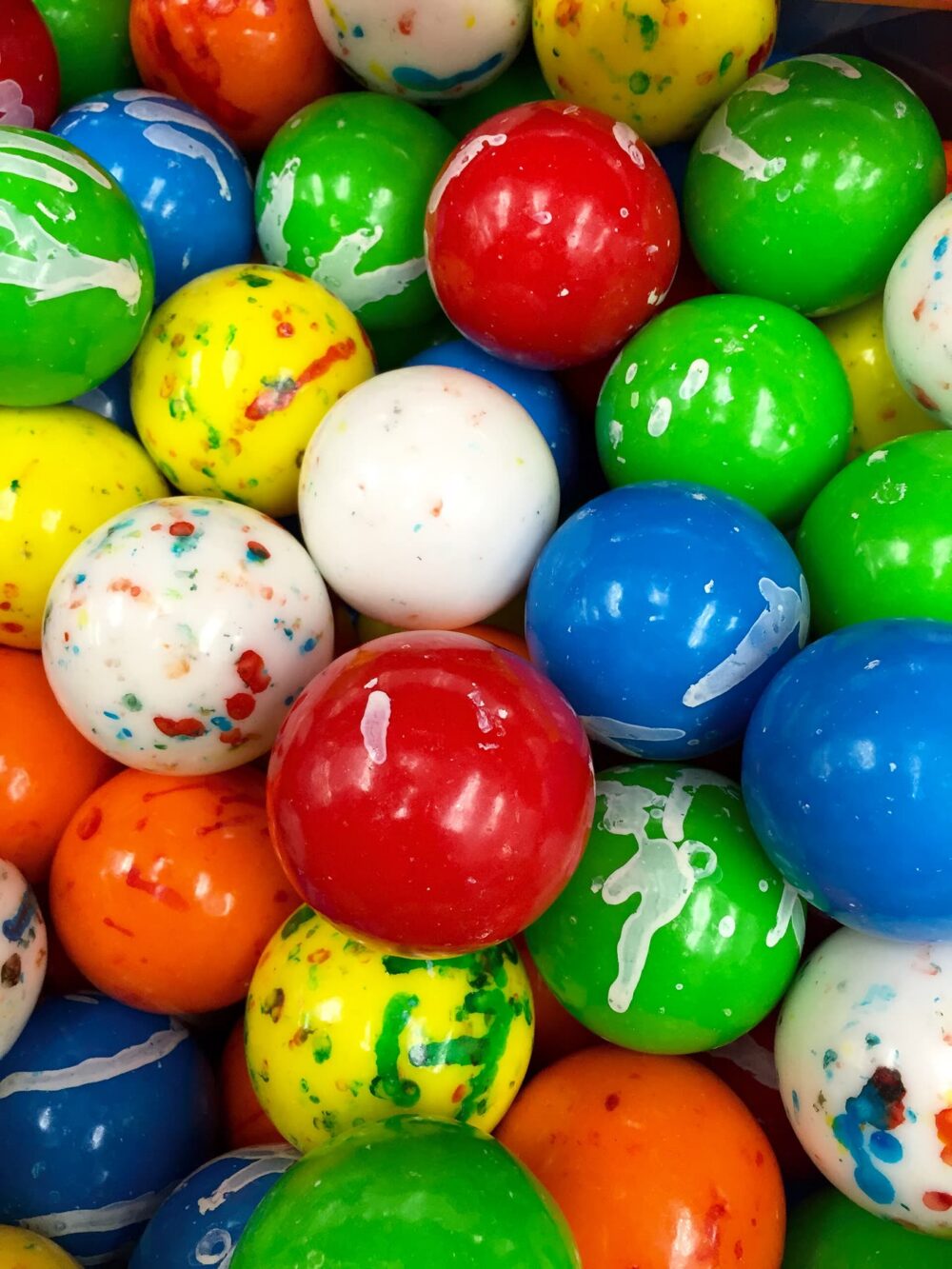
Bulk felt balls are simply wool pom-poms sold in large quantities: think hundreds or thousands of small, dense spheres used for garlands, rugs, mobiles, and kids’ craft kits. The smart move is to define your specs first (size, wool type, colors, and whether you need truly uniform balls), then compare domestic and cross-border suppliers on quality, ethics, minimum order quantity (MOQ), and landed cost to your US address. For some orders, a US craft retailer or Etsy micro-wholesaler will be cheaper and easier; for others, working directly with a Nepal manufacturer or a cross-border marketplace will make more sense.
How Bulk Felt Balls Are Made and Sold
Felt balls start with wool fiber (often sheep wool), which is agitated with heat and moisture until it mats into a dense felt. In many cases, artisans then hand-roll small tufts into balls and felt them further, creating the familiar pom shape. Bulk suppliers usually offer a size range that runs from very small balls suited to jewelry and mini garlands up to several-centimeter balls that work for rugs or statement decor.
Nepal is a major production region for this niche. Many Nepal-based companies highlight hand-made felt balls and market them as ethical craft exports, often using New Zealand wool and focusing on global craft buyers.Wholesale Nepal manufacturer example pages show solid-color felt balls in multiple diameters and large color assortments aimed at export customers.
At the same time, there’s a parallel layer of US-focused bulk suppliers. For instance, at the time of writing, Felt Ball Rug USA’s bulk felt ball section and Felt & Wool Craft’s wholesale felt ball collection offer buyers in the US access to many colors and size options, arranged in big packs for craft and decor projects.
US craft retailers lean toward ready-to-use pom sets and color palettes. Benzie Design’s felt ball and pom collections are positioned as easy-to-coordinate color assortments for small-business and hobby crafters, with quick delivery emphasized for US buyers.Shop felt balls and pom palettes gives a sense of how these assortments are structured: curated color themes instead of factory-style bulk by the kilo.
Micro-wholesale lives mostly on marketplaces like Etsy. Listings such as blue, gray, or bright pink felt balls show sellers offering hand-felted wool balls in flexible quantities, often starting around 10 pieces and going into the low hundreds, making them practical for sampling or small batch runs.One example felt ball listing demonstrates how these sellers package balls for craft buyers without forcing you into very high MOQs.
Choosing and Vetting Felt Ball Suppliers
Because felt balls are simple but tactile, your supplier choice shows up in how the product feels and looks in the final craft. You’re evaluating not just price, but density, roundness, color consistency, and how transparent the seller is about how the balls are made.
Here’s a practical specs and vetting checklist you can work through while browsing suppliers:
- Diameter range: Decide what “small,” “medium,” and “large” mean for your products. A lot of wholesale felt ball collections offer several diameters from tiny up to a few centimeters.Felt & Wool Craft’s wholesale page is a good illustration of multi-size assortments. Ask suppliers for actual millimeter ranges and tolerances, especially if you’re making rugs or geometric designs where uniformity matters.
- Wool type and feel: Many Nepal-based makers promote 100% wool felt balls (often New Zealand wool) while some mass-market craft poms can use blends. If you sell to customers who care about natural fibers, request a clear material description and, if possible, a small sample run before committing.
- Production style: Nepal suppliers commonly describe their balls as handmade and ethical, with artisans doing the felting and rolling.One Nepal manufacturer’s felt ball page highlights handcrafted production. Because these are marketing claims, treat them as a starting point: ask about working conditions, certifications if relevant, and how they audit their own workshops.
- Color consistency: Bulk felt balls often come in dozens of colors. US craft retailers such as Benzie Design and Lia Griffith’s Felt Paper Scissors felt ball range position their balls as coordinated palettes for project-ready color matching. For brand products, you want repeatable colors: request swatches or photos under neutral light and confirm how often dye lots change.
- Quantity flexibility: Etsy-style micro-wholesale listings frequently offer sets like 10, 50, 100, or 200 balls per color.Bright pink bulk listing shows that spread. Nepal exporters and larger wholesalers may prefer bags or cartons in the hundreds or thousands. Match that flexibility to your actual monthly throughput so you’re not overbuying.
Red flags in this niche are usually very practical: vague size descriptions, no clear wool content, photos that look heavily retouched, or unwillingness to discuss basic order details like color tolerances or packing. If a supplier can’t explain how they handle size variation or dye batches, that’s a sign to keep looking.
Planning Orders and Understanding Landed Cost
Felt balls are light but not weightless, and cross-border cartons add up. Your cost per ball depends on more than the unit price you see online; it’s a mix of ball specs, pack sizes, labor, and logistics.
Think through these planning decisions:
- Project type: For garlands and mobiles, small to mid-size balls in mixed colors work best. For rugs and coasters, you’ll need denser, more consistent balls, often in fewer sizes but higher quantities per color.
- MOQ vs. pack sizes: US craft retailers and Etsy micro-wholesalers often structure their packs around project sizes (50-200 balls) rather than industrial MOQs. Bulk-focused sites like Felt Ball Rug USA’s bulk buy section or feltandwool.com’s felt ball collection lean into large packs in multiple sizes and colors that make sense for ongoing production and decor projects. Ask yourself how many finished items you’ll realistically sell in the next quarter and back into an order quantity that matches.
- Landed cost: For imported balls, add carrier shipping, customs handling, and any brokerage fees to the factory price. For US-based suppliers, look at per-pack pricing plus domestic shipping. Sometimes the per-ball price from a distant manufacturer looks lower, but once you factor in freight, a US bulk retailer is more competitive for mid-sized orders.
- Lead times and reorder rhythm: Nepal and other cross-border makers may have longer production and transit times, especially for custom colors. US retailers geared to craft buyers, like Benzie Design or Felt Paper Scissors, emphasize quick US delivery and are better suited if you need to restock frequently and predictably.Benzie’s felt ball page gives you a sense of that craft-first positioning.
Here’s a simple way to think about where your order volume fits among the main channels:
| Buyer profile / order size | Etsy micro-wholesale & craft retailers | Direct Nepal/overseas manufacturer | Cross-border marketplaces (e.g., DHgate) |
|---|---|---|---|
| Hobby crafter / testing a product | Good: small packs (10-200), curated colors, fast US shipping | Poor fit: MOQs likely too high, shipping overhead heavy | Sometimes okay: small lots if you carefully vet each seller |
| Small ecommerce brand (steady sales) | Good for initial runs and seasonal color drops | Strong fit: negotiate specs, color repeats, larger quantities | Possible option: bulk listings across many suppliers |
| High-volume craft kit / rug maker | Limited: may struggle to hit volume at margin | Best fit: capacity and pricing structured for export | Niche fit: depends on finding consistent, reliable sellers |
Channel Choices, Including Where Marketplaces Fit
Once your specs and volume are clear, you can choose the sourcing route that fits your size and risk tolerance.
- US craft retailers and bulk-focused sites are ideal for small ecommerce businesses that value speed, curated palettes, and lower complexity. Examples include Benzie Design’s color-coordinated pom setsShop pom collections and Lia Griffith-branded balls at Felt Paper Scissors. You’ll generally pay more per ball than a factory-direct order, but you gain predictable shipping and simpler reorders.
- Direct manufacturers (often in Nepal) suit brands planning recurring, larger orders and willing to manage cross-border logistics. Sites such as AIS’s felt ball page and Felt & Wool Craft’s wholesale range illustrate how these suppliers present themselves: many sizes, many colors, export-focused, and emphasizing handmade production.
- Micro-wholesale via Etsy works well when you’re dialing in your product, testing colorways, or offering small-run kits. Listings like the blue, gray, or bright pink felt balls show quantities starting around 10 pieces and scaling up to a few hundred per color, which is perfect for sampling without serious MOQ commitments.Example bulk felt ball listing gives a feel for pricing and quantity bands.
For most US craft buyers, the practical path is: start small with US craft retailers or Etsy micro-wholesale to lock your specs and test demand, then graduate to direct manufacturers or cross-border marketplaces once you have repeatable orders and the margin to justify the extra sourcing effort.