
Craft furniture isn’t a single brand or store—it’s a way of making furniture. Your best results come from picking the platform type that matches how much you’re buying, how picky you are about materials and joinery, and how much risk you’re willing to take on cross‑border orders. For one dining table or a craft-quality bedroom set, a local artisan shop or bench‑made brand site usually makes more sense. For stocking a small online store with craft‑style pieces, you may need retail marketplaces or wholesale platforms where you can negotiate small batches.
The rest of this guide breaks down what “craft furniture” actually covers, then shows how different platform types handle customization, reviews, minimum order quantities (MOQs), and cross‑border sourcing.
What Counts as Craft Furniture and Where You Actually Find It Online
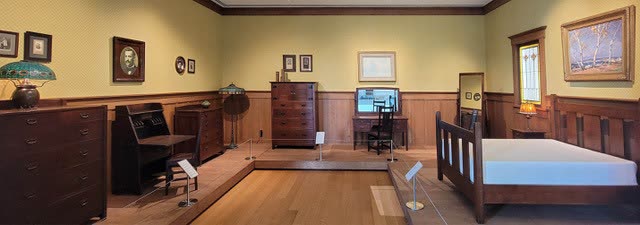
In everyday use, “craft furniture” overlaps with studio furniture: pieces designed and built by individual makers or small workshops, often in hardwood, with attention to artistic detail and construction rather than mass production.Studio furniture examples typically feature visible joinery, distinctive forms, and small-batch runs.
In the US, you’ll see similar positioning from Amish and mission-style makers. For instance, Ohio Craft Furniture markets Amish hardwood furniture as “bench-made,” with a focus on solid wood, traditional construction, and arts‑and‑crafts or mission designs rather than flat‑packed, mass‑market pieces.
Online, that craft/handcrafted feel shows up in a few places:
- Independent artisan or workshop sites (small studios, Amish shops)
- Branded craft or arts-and-crafts collections within larger retailers
- Local craft furniture stores with basic web presences
- Big retail marketplaces (e.g., sellers listing “handmade” or small-batch lines)
- Wholesale or B2B marketplaces offering craft‑style designs in production quantities
You don’t usually see “Craft Furniture” as a single national chain; it’s more a style and production approach that different platforms host.
How Different Platform Types Work for Craft Furniture Buyers
Think of your options less as a list of brands and more as channels with different rules.
Local craft furniture stores and artisan workshops
These are physical shops or small studios, sometimes with simple sites or social pages. You’re typically buying directly from the maker or a store that knows its makers personally. Customization is common: changes to dimensions, wood species, finishes, or hardware are often part of the business model.
Operationally:
- Orders are placed in person, over the phone, or via a basic contact form or email.
- Lead times can be longer because each piece or small batch is built to order.
- Reviews tend to appear on Google Business profiles, local directories, and independent sites rather than complex marketplace systems.
If you’re a small reseller, local shops can sometimes do white‑label or small-batch production, but you’ll negotiate directly and manually, not through marketplace tools.
Brand sites for craft or bench-made lines
Some companies focus entirely on craft-style furniture; others host a craft collection inside a larger catalog. Sites like Ohio Craft Furniture highlight Amish hardwood pieces with a clear brand story, style (mission, arts‑and‑crafts), and emphasis on craftsmanship.
On these sites you’ll typically see:
- Detailed material descriptions (solid oak, maple, cherry vs. veneers)
- Style cues (mission slats, Shaker simplicity, rustic forms) tied to the craft positioning
- Some level of customization, often via options menus or quote forms
Editorial guides on furniture shopping often suggest comparing brands on materials (solid hardwood vs engineered wood), construction (mortise‑and‑tenon joinery, dovetail drawers), and design style because those are the main quality and taste signals for higher‑end furniture. That advice is especially relevant when you’re choosing between craft‑oriented brands.
Independent review platforms and comparison lists
Instead of shopping directly on a marketplace, you can first use review platforms to decide which craft stores or brands deserve your attention.
Sites like Trustpilot’s US furniture store category host large numbers of furniture store reviews and rank companies by score and review count. These lists aren’t craft‑specific, but they let you:
- Filter to US furniture sellers
- Spot stores with many reviews vs. barely any feedback
- Compare satisfaction scores before you dig into a specific brand or local shop
This is a useful overlay: you might find an artisan store on Google, then check its name against independent review platforms to gauge broader customer experience.
Retail marketplaces hosting craft-style listings
Large online marketplaces aggregate many sellers, including small studios and importers selling craft‑style designs. You’re usually buying single pieces or small quantities, and customization is limited to the options each seller offers (finish, size, fabric).
Operationally:
- Ordering is standardized: cart checkout, seller messaging, and on‑platform reviews.
- Reviews typically sit at product level (how this table performed) and seller level (shipping, communication).
- Pricing is per piece; bulk discounts are ad‑hoc and seller‑specific.
For US buyers, retail marketplaces are a way to experiment with craft‑style looks—mission bookcases, rustic console tables, studio‑inspired chairs—without commissioning a maker. For small resellers, they can be a way to test demand with low MOQs, but margins are often tighter.
You can explore how this category of marketplaces works in general via DHgateWiki’s marketplace explainer.
Wholesale and cross-border marketplaces for craft-style sourcing
Wholesale marketplaces list suppliers who handle production runs: factories, workshops, and trading companies. Here, “craft” usually means craft‑style (mission, rustic, Shaker‑inspired) rather than one‑off art pieces.
Operational norms:
- MOQs and pricing tiers are negotiated directly with suppliers.
- Customization can extend to design tweaks, finishes, and branding—especially for business buyers.
- Reviews, if present, are about the supplier relationship more than individual chairs or tables.
For small ecommerce businesses, these platforms become relevant once you’re ready to move beyond single‑piece retail purchasing and source repeatable craft‑style lines.
Comparing Platforms on Reviews, Pricing, MOQ, and Risk for Craft Furniture
For craft or craft‑style furniture, you’re really comparing four things: how deeply you can vet quality, how much you pay per piece, how many pieces you must order, and how exposed you are to issues like misrepresented materials or poor construction.
Here’s a compact view:
| Platform type | Typical reviews available | Pricing feel (per piece) | MOQ for buyers | Customization scope |
|---|---|---|---|---|
| Local craft/artisan store | Google/local directory; sometimes Trustpilot-linked | Higher, reflects labor & hardwood | 1–few pieces, negotiated | High: dimensions, species, finish, hardware |
| Bench-made craft brand site | On-site testimonials; sometimes external reviews | Mid–high, brand premium | 1–sets | Moderate–high via options/quotes |
| Retail marketplace (craft-style) | Per-product and per-seller marketplace reviews | Wide range; competitive pressure | 1 piece+ | Low–moderate, option-based |
| Wholesale/cross-border marketplace | Supplier-level feedback; limited product reviews | Lower per piece at volume | Small batches to bulk | High, but requires negotiation |
Making sense of reviews and quality signals
Editorial advice on furniture buying consistently pushes two actions before you commit: read multi‑platform reviews and research materials and construction in detail. That’s especially critical for craft furniture, where you’re paying for workmanship.
Practical moves:
- When you find a promising craft store, search its name on independent review sites like Trustpilot’s US furniture store lists and compare its review volume and score to peers.
- Read negative reviews first; look for patterns around joinery loosening, finish failure, or misrepresented “solid wood” claims.
- Cross‑check product descriptions for solid hardwood vs veneers, named joinery types (dovetail, mortise‑and‑tenon), and whether pieces are bench‑built or flat‑packed.
Guides like the DHgate Blog’s furniture advice emphasize checking materials and craftsmanship details because marketing photos alone won’t tell you how a chair or table is built.
Pricing, MOQ, and when cross-border marketplaces make sense
For a US home buyer wanting a single craft dining table or a pair of handmade nightstands, local artisans and bench‑made brands are straightforward: you buy one piece, pay a premium for craftsmanship, and get direct communication with the maker or brand.
For a small ecommerce business, the decision is more nuanced:
- Testing a craft‑style category: retail marketplaces let you order 1-2 pieces per design and watch sell‑through without committing to MOQs.
- Building a repeatable craft‑style line: wholesale or cross‑border marketplaces can offer lower per‑piece costs, but expect minimum orders and more complex communication.
Scenario snapshots: home buyer vs small reseller
If you’re buying for your own home
- Prioritize local craft stores or bench‑made brand sites when you care deeply about wood species, joinery, and heirloom quality.
- Use independent review platforms to sanity‑check store reputation before placing a custom order.
- Consider retail marketplaces for occasional craft‑style accent pieces when budget is tighter and you’re willing to accept less customization.
If you’re a small ecommerce business
- Start by buying a few SKUs via retail marketplaces or domestic craft brands to see what your customers respond to.
- Once you see consistent demand for a particular craft‑style look, explore wholesale or cross‑border marketplaces to secure small batches, but budget time for supplier vetting and sample approval.
- Keep local artisans in the mix for limited runs or premium collections where you can tell a strong maker story and charge accordingly.
By treating craft furniture as a style-plus-production choice and matching it to the right platform type, you can avoid overpaying for mass‑market “craft‑look” pieces or under‑specifying orders that need real craftsmanship.