
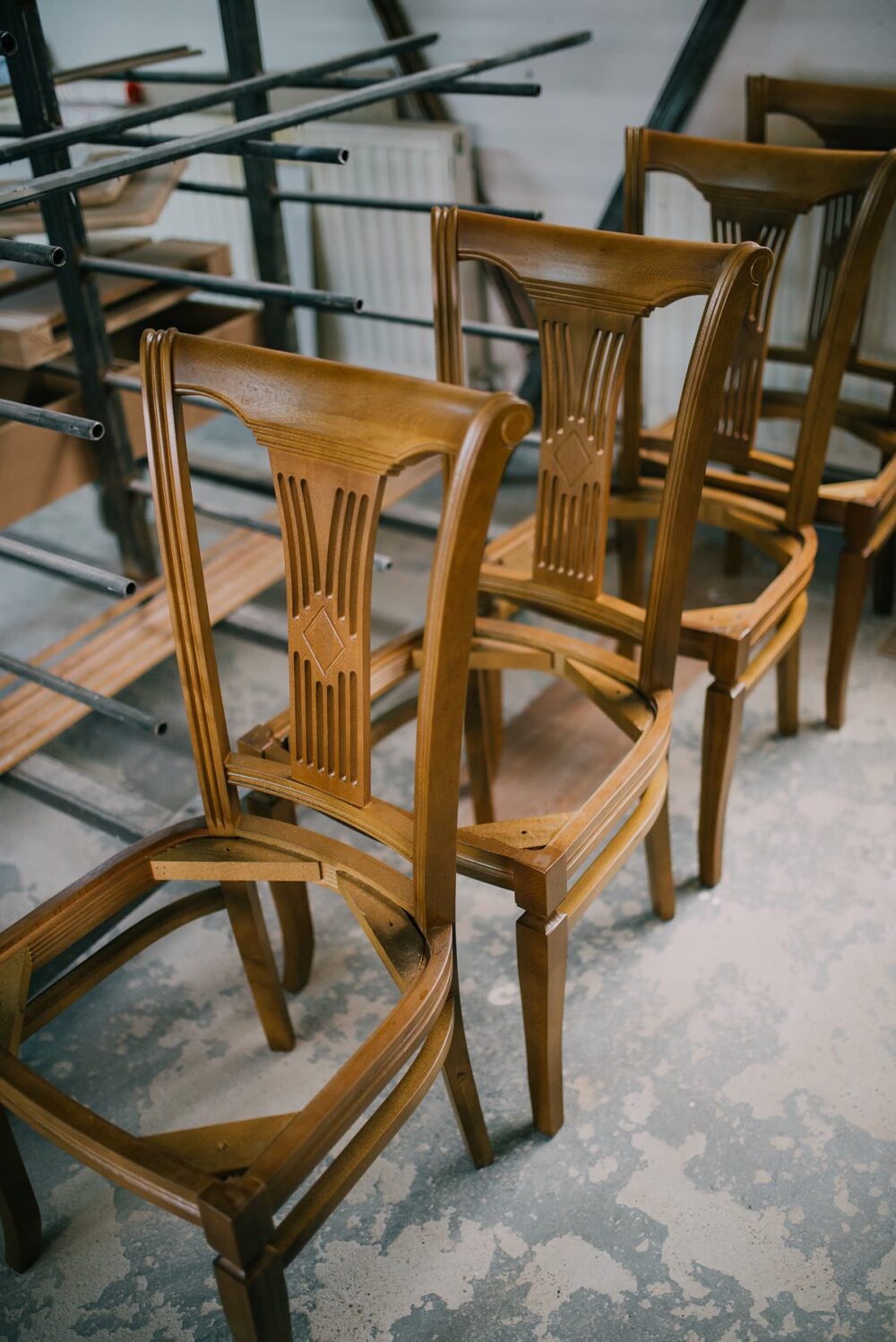
You build an eFurniture repurposing business in Australia by treating old furniture like inventory: source cheap base pieces locally, invest in a simple workshop and materials, upgrade each item with targeted repairs or design changes, then sell through the right mix of online marketplaces and social channels. Cross-border wholesale mainly supports you with hardware, tools, and consumables; the core furniture supply is almost always local, where you can inspect pieces and avoid prohibitive freight.
This guide walks through how the model works, where to find stock and materials, what to check before buying, and how to match platforms like Facebook Marketplace, Gumtree, or Etsy to the scale of your operation.
How eFurniture Repurposing Works as a Resale Business Model
Repurposing means adapting an existing item for a new use or function instead of discarding it. In furniture, that might be turning a dresser into a bathroom vanity, a ladder into shelving, or a desk into a kitchen island, as outlined in general references such as Wikipedia on repurposing.
In Australia, eFurniture Repurposing is a Western Australia-based company that collects unwanted furniture and office fit-outs to divert them from landfill via resale, recycling, and upcycling, as described on its about page. You can think of your micro-business as a smaller, more niche version of that idea:
- Acquisition – you source unwanted furniture from households and businesses: single items from online listings, or small lots when someone clears an office or home.
- Assessment and triage – you decide whether each piece is worth repurposing. A good candidate is structurally sound (no major rot, no broken frames) but dated in style or finish.
- Repurposing and upcycling – you add value through DIY techniques. Common methods discussed in upcycling guides include cleaning, sanding, repainting, changing hardware, and reupholstering tired fabric. These are relatively low-skill but high-impact ways to refresh old furniture.
- Listing and sale – you photograph the finished piece, write an honest description, and push it to one or more platforms where Australian buyers already search for used furniture.
For a small reseller, the business model is less about high-volume wholesale importing and more about local logistics, creative work, and online visibility. Your margins come from buying low (or free) locally, adding labour and modest materials, then reselling into higher-value, curated channels.
Finding and Vetting Suppliers for Base Pieces and Repurposing Inputs
You have two supply problems to solve: getting base furniture cheaply, and getting reliable materials (paint, hardware, fabric, tools) at sustainable prices.
Local sources for base furniture
Common second-hand channels include yard sales and estate sales, online marketplaces, and antique stores. Editorial guides to second-hand sourcing highlight yard and garage sales for very low-cost pieces, estate sales for higher-quality furniture, and antique stores for one-of-a-kind vintage items.
In the Australian context, guidance from the City of Sydney notes that residents often use platforms like Facebook Marketplace to quickly sell used items, including furniture. For a repurposing business, that translates into several practical sourcing routes:
- Facebook Marketplace – filter by “Free” or very low price; search within a tight radius around your suburb to reduce pickup costs.
- Gumtree and similar classifieds – useful for bulk lots (for example, “office furniture, must go”), which can give you a batch of stock.
- Local op shops and salvage yards – higher sticker prices than private sales, but more curated and easier to browse.
- Business clear-outs – watch local boards or contact small offices that periodically refresh their fit-out; they may prefer a single buyer for desks and storage units.
A simple supplier-vetting checklist for base pieces:
- Check structural integrity in person. Sit on chairs, wiggle legs, open drawers. Avoid pieces needing major joinery repairs unless you already have the skills and tools.
- Look past the finish. Scratched varnish, yellowed paint, or outdated hardware are usually fixable. Warped tops, mould, or serious water damage are often not.
- Confirm access and timing. Many private sellers want items gone quickly. Make sure you can collect within their timeframe and that you have transport sorted.
Sourcing materials and tools for repurposing
DIY upcycling guides stress that basic supplies can go a long way: sandpaper, suitable paint, replacement knobs and handles, upholstery fabric, staple gun, and basic cutting or drilling tools.
For Australian resellers, those inputs typically come from:
- Local hardware and paint stores – good for small quantities and colour-matching.
- Fabric and upholstery suppliers – where you can buy more durable, stain-resistant fabrics by the metre.
- Wholesale or online marketplaces – relevant for bulk packs of hardware (handles, hinges), sanding discs, or generic tools if you start doing multiple pieces per week.
When vetting material suppliers, look for:
- Clear product specs (wood vs metal hardware, fabric composition, paint type).
- Order size options – can you buy a small batch first, then scale up?
- Evidence of other buyers using the product for similar projects, via reviews or case photos when available.
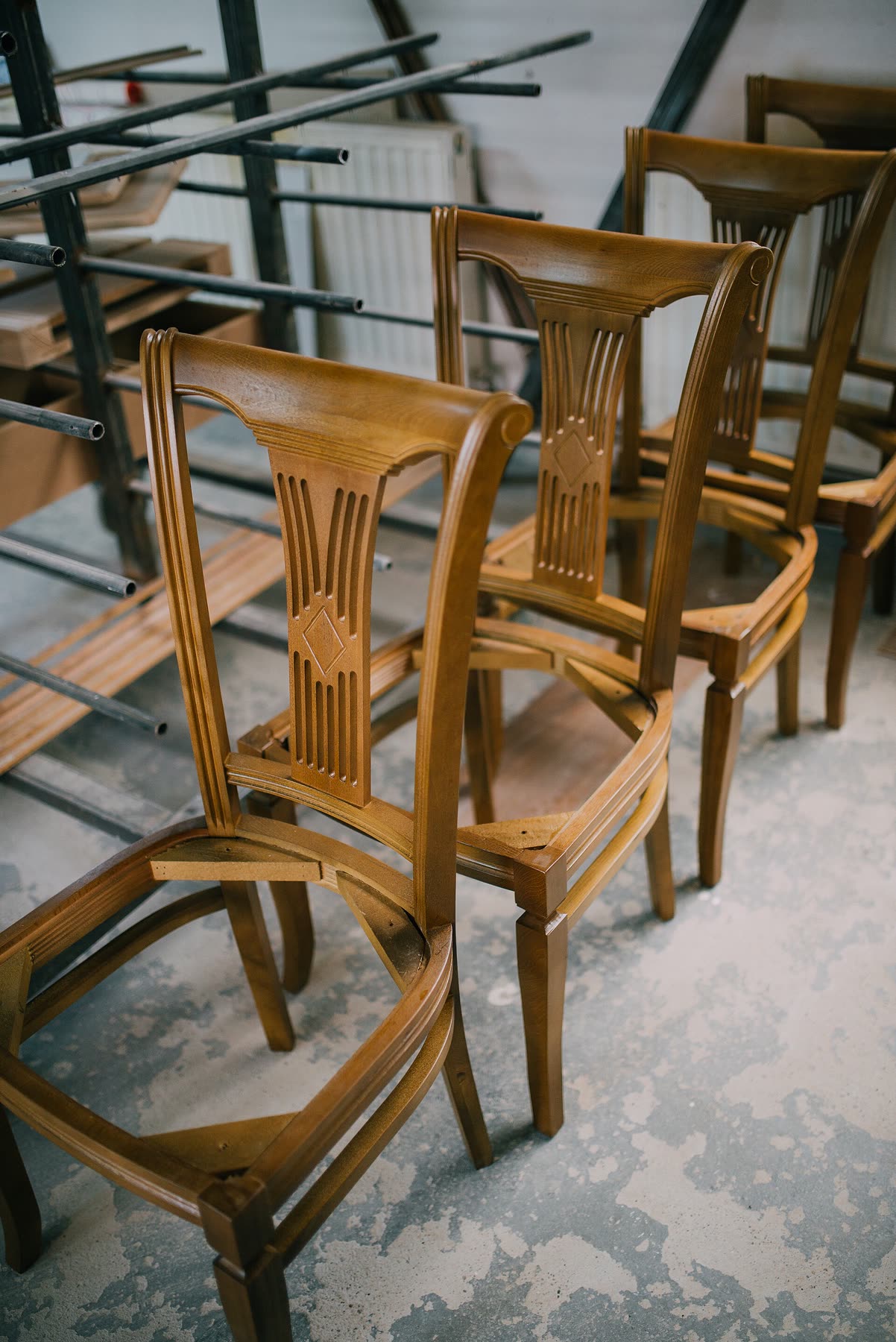
Over time, you are building a small workshop-style setup: enough clamps, sanding tools, paints, and hardware to move a piece from “junk” to “sellable” in a few days.
Cost, MOQ, and Channel Choices for Scaling a Repurposed Furniture Business
At very small scale, your cost structure is dominated by local purchase price, your time, and materials. As you grow, you start worrying about MOQs (minimum order quantities) and freight on bulk inputs, not on the furniture itself.
Scenario comparison: solo seller, brand builder, and local warehouse
Here is a comparison of three practical scenarios for Australian repurposers:
| Scenario | Sourcing pattern | Primary selling channels | Cost and MOQ profile | When it makes sense |
|---|---|---|---|---|
| Solo Facebook Marketplace flipper | One-off finds from Facebook Marketplace, op shops, occasional yard or estate sales | Mainly Facebook Marketplace; sometimes local groups | Buys paint and hardware retail in small quantities; MOQs rarely apply | Good for testing the market with minimal upfront cost and simple logistics |
| Small multi-platform brand | Mix of private lots, business clear-outs, and occasional antique store pieces | Facebook Marketplace, Gumtree, Etsy for smaller items | Starts buying hardware/fabric in small wholesale batches; some MOQs on inputs | Suits a predictable style and steady output where per-unit input cost matters |
| Local warehouse-style operation | Regular bulk buys from business clear-outs or liquidation lots | Warehouse-style local showroom plus online classifieds and social media | Needs space and racking; benefits from buying materials in bulk, with MOQs common | Fits higher-volume local sales where you turn over many mid-range pieces each month |
In all three cases, the furniture itself is sourced locally because shipping a heavy dresser or table cross-border to Australia is rarely economical for resale. Where wholesale and cross-border sourcing starts to matter is in the inputs: hardware, tools, and consumables.
Where wholesale marketplaces can help (and where they don’t)
Online wholesale marketplaces can provide affordable hardware, tools, and materials that support repurposing projects, but buyers should verify sellers and product specs carefully. For example, if you decide to buy bulk packs of replacement handles, sanding discs, or a cutting-machine baseplate instead of individual items, a marketplace like DHgate could be one of several options for those accessories.
Because DHgate’s editorial content discusses repurposing as a DIY-friendly activity, it often highlights painting, hardware swaps, and simple structural tweaks. If you go down this route, treat DHgate like any other cross-border sourcing marketplace:
- Check the listing details – dimensions of hardware, materials (solid metal vs plated), and compatibility with your typical furniture.
- Look at seller history and reviews when available, rather than assuming all listings are equal.
- Start with modest orders so you can test product quality before committing to large MOQs or building your workshop around a single supplier.
Wholesale inputs are a supporting act. The main economic decision is how much labour and local logistics you can sustain relative to the resale value of each finished piece.
Matching selling channels to your model
Australian authorities like the City of Sydney point to Facebook Marketplace as a fast way to move used items. For repurposed furniture, that platform works well for local, one-off sales. As you build a recognisable style, you might add:
- Gumtree for buyers who prefer classifieds and are willing to browse longer listings.
- Etsy for smaller, more shippable items (stools, bedside tables) that fit a handmade or vintage aesthetic.
- Your own site or Instagram shop for direct brand storytelling and higher-end, curated pieces.
Your choice of channel should follow your sourcing and cost structure: if most pieces are large and you sell within a 20-30 km radius, there’s little need for complex national shipping. If you move into smaller, high-margin pieces, investing in better packaging and national platforms can make sense.
The core decision is whether repurposed furniture is a side gig built around opportunistic local finds, or a small brand that justifies structured sourcing of inputs and more deliberate online selling. Local Australian channels can support both; cross-border wholesale is there to reduce your per-unit cost on materials and tools once you know your style and throughput.