
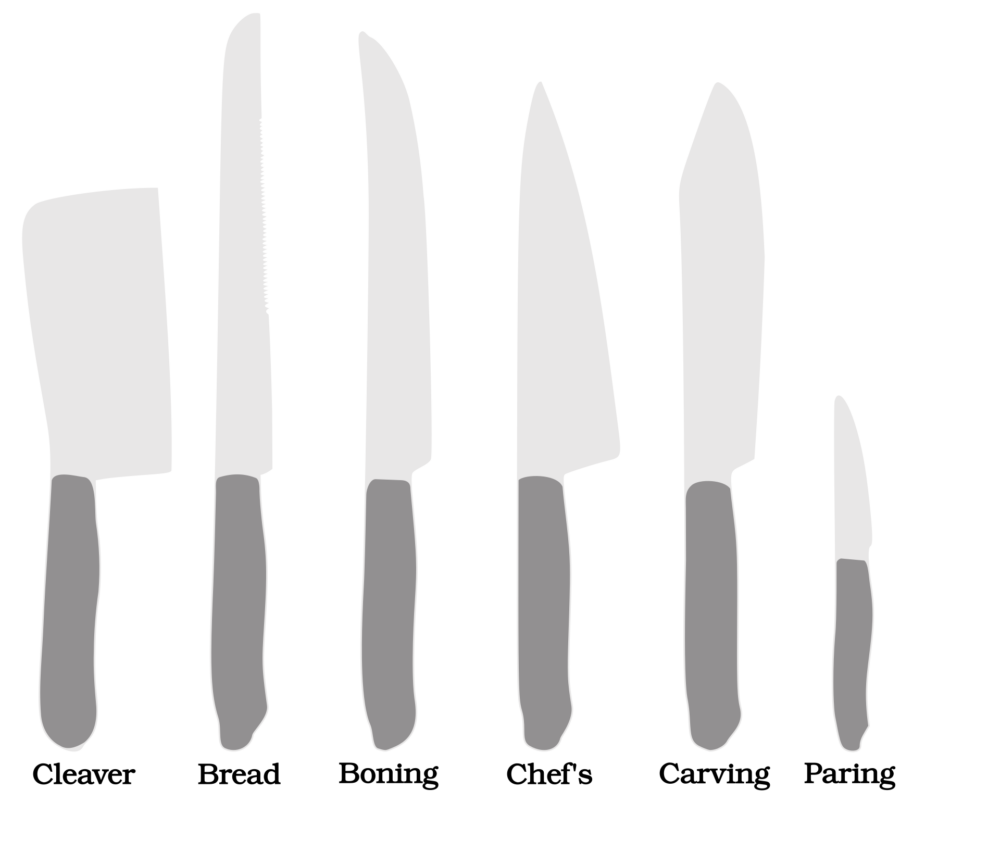
Wholesale kitchen knives are bulk knife purchases from manufacturers or distributors, sold at discounted prices to retailers, restaurants, and resellers. For a small US buyer, you can either buy branded case packs from domestic distributors, create your own line with China OEM factories, or test products through marketplaces like DHgate, where individual sellers sometimes offer low minimum order quantities (MOQs) and bulk discounts. The right route depends on your volume, branding plans, and your tolerance for cross-border complexity.
How Wholesale Kitchen Knife Distribution Works for Small US Buyers
In the knife world, “wholesale” usually means a supply chain with four distinct roles:
- Manufacturer / factory – designs and produces knives, sometimes under multiple brands.
- Domestic distributor – imports or buys from factories and sells case packs to retailers and foodservice buyers.
- Brand owner – might be the factory itself (e.g., Kyoku, Rada) or a separate company that commissions OEM production.
- Marketplace seller – a company listing knives on platforms like DHgate, Alibaba, or US wholesale marketplaces.
US distributors such as Blue Ridge Knives and Rydge Supply illustrate the classic model: they focus on established brands and standard case packs, supplying kitchen cutlery to retailers and restaurant supply channels.
By contrast, China-side OEM factories like LeeKnives emphasize customization and private label options. They can produce Western-style chef knives, Santoku, paring, and specialty pieces with custom handles, blade finishes, and logo engraving, typically for buyers who meet higher MOQs.
DHgate sits on top of this supply chain as a large online wholesale marketplace connecting international buyers with Chinese wholesalers and manufacturers. It offers a wide range of products and competitive pricing, but you’re always dealing with individual sellers who may be factories, trading companies, or small distributors.
Choosing and Working With Knife Suppliers: Factories, Distributors and DHgate Sellers
You’ll get very different experiences depending on whether you work with a US distributor, a China factory, or a DHgate seller. The key is to align the supplier type with what your business actually needs.
Decide your knife mix and quality level
Keep this functional, not enthusiast-level. For most small buyers, the core questions are:
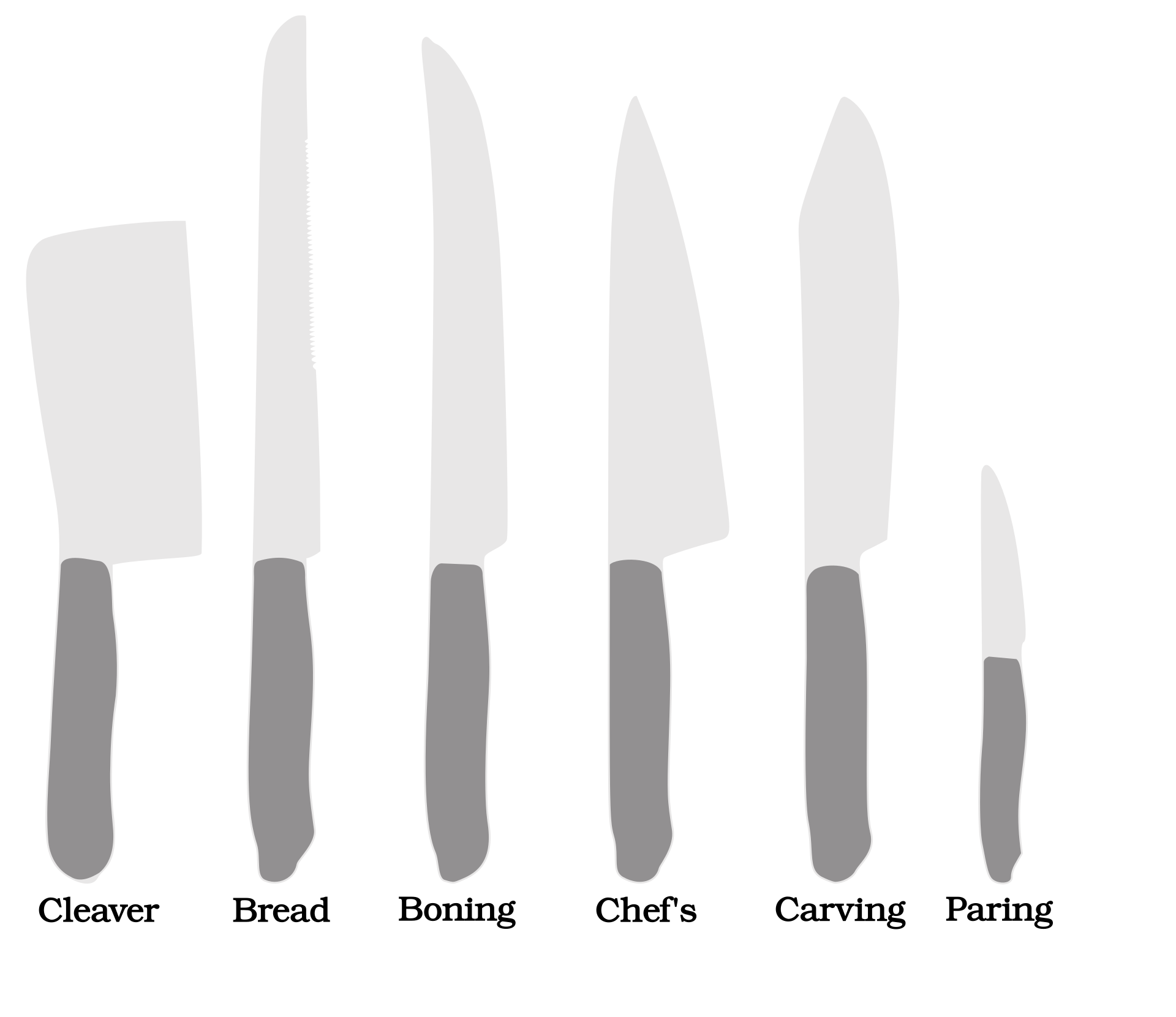
- Do you need basic commercial knives (chef, paring, bread, utility) for restaurant back-of-house?
- Are you building a consumer brand that needs distinctive design and packaging?
- Is edge retention and steel grade a key selling point, or is price and reliability the priority?
US distributors such as Blue Ridge Knives typically carry multiple brands and knife types in standard packs. Brand-focused companies like Kyoku offer their own lines for wholesale, which can suit shops that want a recognizable name without doing their own OEM.
China OEM factories like LeeKnives are better suited if you want your own brand with custom blade profiles, handle materials, and packaging. You’ll usually face higher MOQs but much more control over design.
Vetting a domestic distributor vs an OEM factory
For a US distributor:
- Check brand list and assortment on sites like Blue Ridge or Rydge Supply: do they stock knives appropriate for your channel (professional chef vs budget home use)?
- Confirm pack sizes and price tiers – many distributors price by case or inner pack.
- Ask about continuity: how often do they discontinue or change SKUs you depend on?
For a China OEM factory (e.g., LeeKnives):
- Review the catalog across Western kitchen knives, specialty knives, and sets to ensure they can support your whole range.
- Ask for material specs (steel type, hardness range, handle materials) and any test reports they can share.
- Clarify branding: logo methods, packaging options, and who owns the design.
Making DHgate seller checks specific to knives
DHgate’s own editorial guidance for ecommerce buyers stresses a few marketplace practices that apply directly to knives:
- Use filters and search tools to narrow to kitchen knives and your target price range or style.
- Evaluate sellers by ratings, reviews, and transaction history, focusing on repeat buyers mentioning sharpness, durability, and real-world kitchen use.
- Request samples before any large order, especially for knives—edge geometry, handle ergonomics, and finish quality are hard to judge from photos.
Because DHgate sellers vary, treat each listing like a micro-supplier:
- Message the seller with your destination market, target quantity, and use case (restaurant, retail, online bundles).
- Ask directly about steel type, handle material, and whether they’ve supplied similar markets (e.g., US or EU foodservice buyers).
- Confirm whether they can repeat the same spec and packaging for future orders if your test run sells well.
You can go deeper on DHgate-specific vetting in guides like Find DHgate suppliers and Choose a DHgate wholesale supplier.
Order Size, Pricing and Channel Tradeoffs: DHgate vs Domestic Knife Distributors
You rarely get a perfect combination of low MOQ, deep customization, and rock-bottom pricing from a single channel. Comparing typical patterns makes the tradeoffs clearer.
Typical channel patterns for small knife buyers
Editorially, you can think of three main routes:
| Sourcing route | Common MOQ behavior | Assortment & brands | Customization potential | Best fit scenarios |
|---|---|---|---|---|
| US distributor (BRK, etc.) | Case packs; higher but predictable MOQs | Established brands, broad kitchen cutlery | Low – mainly brand mix & packaging | Restaurants, local retailers, quick restock |
| China OEM factory (LeeKnives) | Higher MOQs per model, per spec | Wide blade/handle options, unbranded or house brands | High – full private label, design changes | Building your own brand at scale |
| DHgate marketplace sellers | Some offer low-MOQ lots; bulk discounts at higher quantities | Mixed: generic knives, some branded, seller-dependent | Medium – logo/packaging when seller is OEM-oriented | Testing products, small ecommerce batches |
This table isn’t a promise about any single supplier; it reflects patterns seen in the named examples and DHgate’s marketplace positioning.
Landed-cost scenarios: restaurant vs ecommerce
Because we don’t have live price data here, use a simple framework rather than fake precision. Compare landed cost per knife, not just the ex-factory price.
For a US restaurant buyer needing durable workhorse knives:
- US distributor route: higher unit price but low freight, no import paperwork, and quick reorders. You pay more per knife but save time and reduce risk.
For a small ecommerce store testing a niche knife set:
- US distributor or brand like Kyoku: predictable quality and domestic shipping, but fewer options for unique branding and typically higher MOQs for each SKU.
- DHgate seller that works with OEM factories: you can order a low-MOQ batch of unbranded or lightly customized knives, plus retail packaging, to test the concept. If it sells, you negotiate a larger repeat order or transition to a factory relationship.
- Direct OEM factory (LeeKnives): likely best long-term unit economics and brand control once you know your exact spec and have confidence in volume.
In both scenarios, build a quick spreadsheet:
- List unit price, estimated freight, customs/duty, packaging, and any sampling costs.
- Divide total landed cost by units to compare routes side by side.
- Include your own overhead: time spent on sourcing, communication, and problem-solving.
When DHgate makes sense vs when it doesn’t
DHgate fits best when:
- You want to test kitchen knife concepts (sets, bundles, handle styles) without committing to factory-level MOQs.
- You’re comfortable investing time in listing-by-listing vetting and sample ordering.
US distributors make more sense when:
- You need fast, repeatable supply of known brands for restaurants or brick-and-mortar retail.
- Compliance and import handling need to be handled upstream.
China OEM factories make more sense when:
- You’re ready to commit to higher volumes and want to own a brand with distinctive knife designs and packaging.
If you start on DHgate and your knives gain traction, treat successful sellers as a stepping stone: deepen the relationship, clarify specs, and, when volume justifies it, consider switching to a direct factory contract or domestic distribution channel that matches your growth.
For broader tactics on using the marketplace itself, you can also see Find wholesale suppliers on DHgate, which zooms out from knives to general wholesale behavior.