
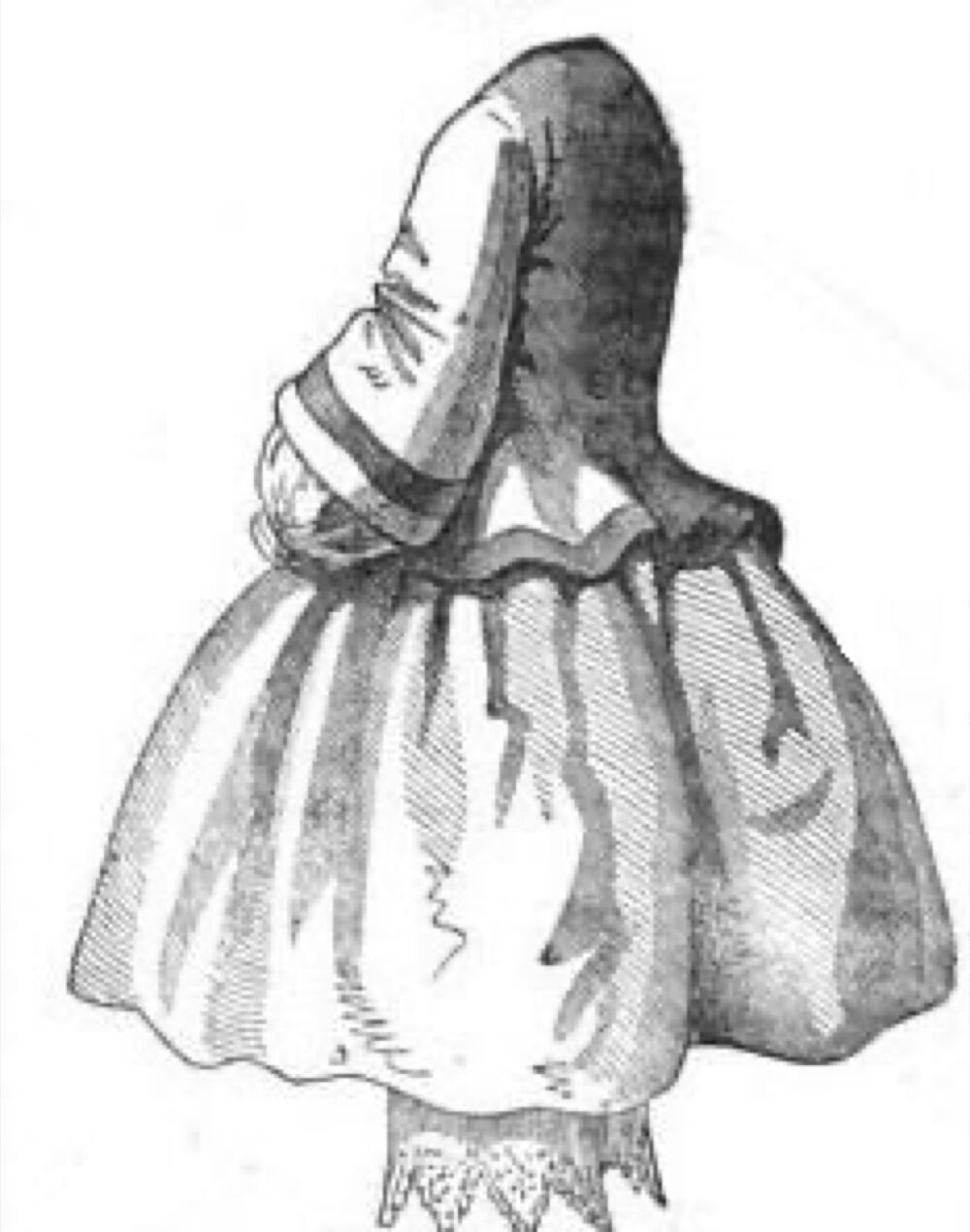
Vintage and retro children’s clothing is viable for wholesale, but you’re usually buying new, vintage-inspired stock rather than true secondhand vintage. For a small US kids’ boutique, cross‑border marketplaces like DHgate can work if you treat them as one sourcing option, vet each seller carefully, and do the math on MOQ and landed cost before locking into a supplier.
In wholesale terms, “vintage” usually means original garments from past decades, typically several decades old, while “retro” or vintage-style refers to modern pieces that mimic older looks and cuts.Vintage clothing overview Original vintage children’s clothes are mostly traded as one‑off or small mixed lots through thrift chains, rag houses, and specialist wholesalers; they rarely lend themselves to consistent, size‑run wholesale. That’s why most scalable sourcing for a kids’ store focuses on new retro-style production rather than genuine vintage.
How Vintage and Retro Children’s Clothing Works in Wholesale
For wholesale, think of three distinct product types:
- True vintage kidswear – original garments from past decades, often with wear, inconsistent sizing, and limited repeats. You’ll source these from domestic vintage wholesalers, estate liquidators, and curated resellers, not DHgate.
- Retro-style new production – new garments with 1950s sailor collars, 1970s florals, 1990s cartoons, etc. These are the main target for cross‑border wholesale from China and other manufacturing hubs.
- “Vintage wash” basics – T‑shirts, sweats, and denim made to look faded or timeworn; often mass-produced and close to standard fashion wholesale.
The modern supply chain for retro kidswear usually looks like this:
- Design & sampling in a factory or small workshop (often in China, sometimes Southeast Asia).
- Bulk production in standard size runs (NB–6Y, 4-10, etc.).
- Distribution via B2B marketplaces like DHgate, Alibaba or Made‑in‑China, plus offline wholesale markets (e.g., Yiwu for low‑priced small commodities).
For you as a US buyer, that means your “vintage kids” rack will likely be a mix: curated true vintage pieces from domestic sources, plus repeatable retro-style sets sourced cross‑border.
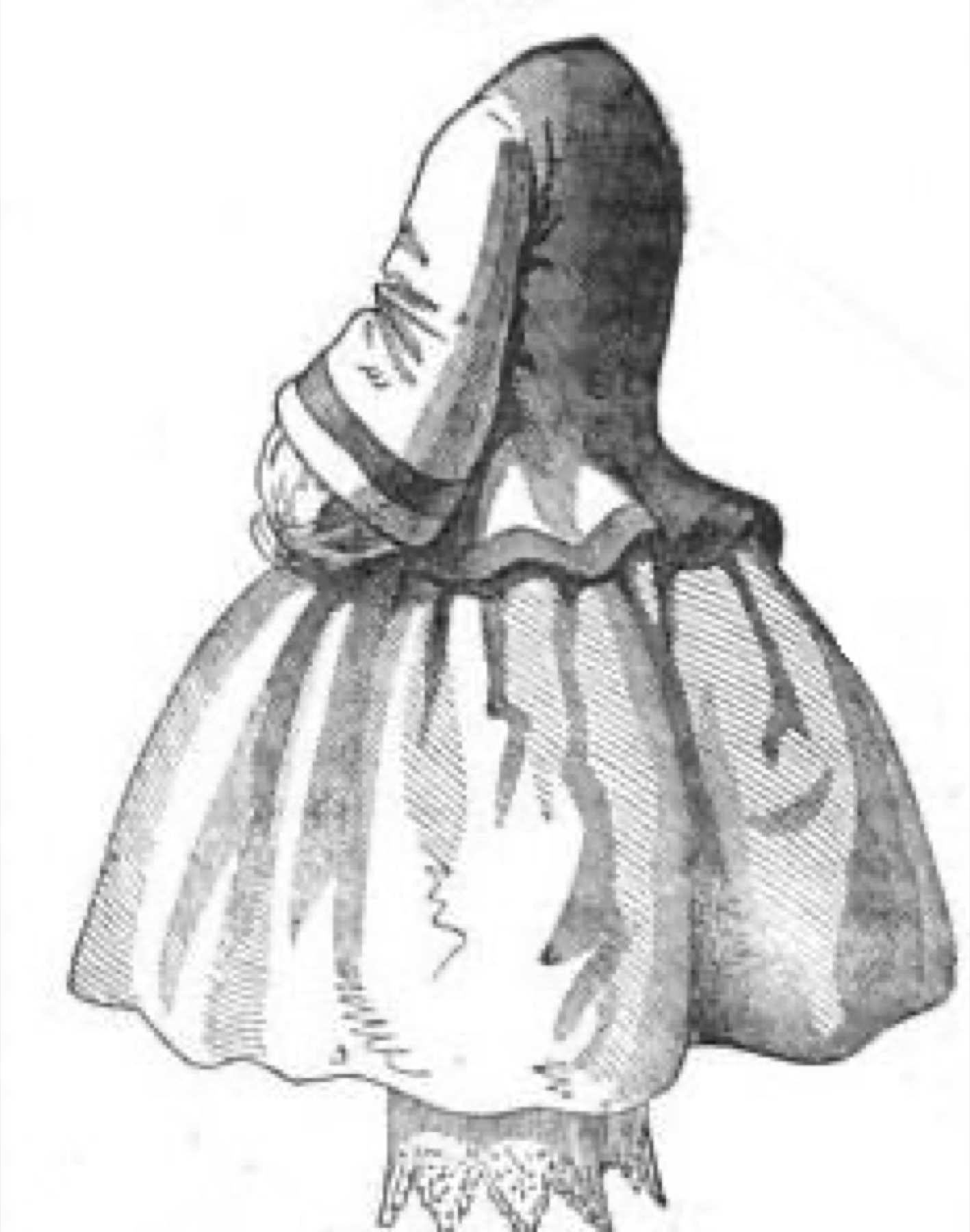
Evaluating Cross‑Border Suppliers for Retro Kidswear
When you’re sourcing retro-style kids’ apparel from overseas, you’re balancing design appeal against safety, sizing, and reliability. Treat marketplace seller pages like mini dossiers.
On any marketplace (including DHgate), focus on:
- Feedback and ratings specific to kids’ clothing. DHgate’s own blog advice for children’s clothes shopping stresses checking seller feedback and ratings before you buy.How to save money clothes shopping for kids Don’t just look at the star score; read reviews that mention fabric feel, shrinkage, colorfastness, and whether sizes ran big or small.
- Detailed size charts. Children’s sizing varies widely by country and brand. The DHgate blog recommends measuring your child and consulting the retailer’s size chart, and the same logic applies wholesale.How to save money clothes shopping for kids Ask the supplier for garment measurements (chest, length, sleeve) in centimeters for each size, then convert to your store’s standard.
- Fabric and trim description. Vintage-style often means lace, buttons, and appliqués. Ask what fibers are used (cotton vs polyester blends), how prints are applied, and whether trims are sewn securely enough for children.
- Photo consistency. Do photos look like original factory shots or mash‑ups from other brands and Instagram? Inconsistent imagery or obvious logo blurring is a red flag.
- Communication quality. DHgate’s blog suggests contacting the seller if you have questions; that’s especially important for kidswear.How to save money clothes shopping for kids Use the messaging system to test response times, clarify safety issues (drawstrings, small parts), and confirm re‑order timelines.
Because these are children’s garments, add a safety lens:
- Avoid designs with long neck cords or waist drawstrings for young kids.
- Ask directly whether fabrics are colorfast and pre‑shrunk; you can’t assume they meet US standards.
- Plan to test samples yourself for wash behavior and potential irritation. As a small retailer, you’re responsible for what you put on the rack.
MOQs, Costs, and DHgate vs Other Channels for Retro Kids’ Clothing
From DHgate’s own editorial overview, the platform is a B2B wholesale marketplace founded in 2004 that connects global buyers with Chinese goods in small quantities at wholesale prices.Wholesale clothes from China – best websites It hosts tens of millions of products and over a million suppliers, serving buyers worldwide and supporting multiple payment methods.Wholesale clothes from China – best websites That scale matters because it makes it easier for a small US kids’ boutique to find suppliers willing to sell modest batches of retro-style clothing.
DHgate’s blog notes that minimum order quantities on DHgate tend to be lower than on Global Sources, Alibaba and some other sites for clothing.Wholesale clothes from China – best websites While you shouldn’t rely on any specific number, in practice you’ll often see smaller pack sizes and more willingness to negotiate than from factories seeking 500+ piece orders.
Here’s how the main channels typically compare for a small US kids’ store (editorial judgment, based on the cited roles):
| Channel | Best for retro kidswear if you… | Typical MOQ tendency* | Key trade‑off |
|---|---|---|---|
| DHgate | Want smaller wholesale batches and many ready-made SKUs | Often lower than Alibaba/GS | More time spent vetting individual sellers |
| Alibaba / Global Sources | Need factory‑direct orders and may scale up later | Often medium–high | Better for big, customized runs |
| Made‑in‑China | Want customized clothing products | Often medium–high | More custom potential, more complexity |
| Yiwugo | Chase ultra‑cheap small commodities | Often >10 pieces per itemWholesale clothes from China – best websites | Rock‑bottom prices, basic quality focus |
| Local vintage wholesalers | Want true vintage kidswear with minimal import risk | Varies by lot | Limited size runs, inconsistent repeats |
For any of these channels, you need to calculate landed cost per garment before deciding a direction. A simple mental model:
- Product cost: unit price × quantity.
- Domestic handling: any labeling, steaming, photography.
- Risk buffer: samples that fail, damaged pieces.
If DHgate’s lower MOQs let you test a 50‑piece retro collection instead of committing to 300 pieces via a factory, your unit cost may be higher but your total risk is lower. That’s often acceptable for niche vintage-inspired kids’ lines, where sell‑through is unpredictable.
Using DHgate Specifically for Retro Children’s Clothing
If you decide DHgate is worth testing for retro kidswear, treat it as a seller marketplace, not a single supplier.
Practical workflow:
- Search and narrow. Use terms like “retro kids dress,” “vintage baby romper,” or “1950s children’s clothing” and filter for suppliers with long activity histories and high feedback scores.
- Deep‑dive listings. Check multiple product pages from the same seller to see consistency in their photography, descriptions, and size charts.
- Order samples first. Instead of jumping into the minimum ‘wholesale’ pack, request 2-4 units per style across sizes. Wash, wear, and measure them before you commit to a larger order.
- Plan repeatability. Retro kidswear often sells as “collections.” Confirm the supplier can re‑produce key styles for at least one more season, or you’ll have to treat them like short‑run drops.
Because DHgate isn’t a manufacturer, every relationship is seller‑specific. Internal DHgateWiki guides like Find wholesale suppliers on DHgate, Find DHgate suppliers, and Choose a DHgate wholesale supplier can help you refine searches, compare sellers, and avoid obvious pitfalls.
When Cross‑Border Retro Sourcing Isn’t the Right Move
There are real cases where you’re better off sticking with domestic vintage and small-batch indie brands:
- You want guaranteed compliance with US children’s safety regulations but don’t have the capacity to test imports.
- Your brand promise is built around true vintage and upcycling; repeatable retro production may dilute that story.
- Your budget can’t absorb slow, experimental inventory turns while you learn a new supply chain.
In those scenarios, using local vintage wholesalers or buying from US‑based retro kidswear labels can be more straightforward, even if the unit cost is higher.
If, however, you’re aiming for a hybrid model—curated vintage plus reliable retro basics—DHgate and its peers can play a useful, carefully managed role in your sourcing mix.