
DHgate is a China‑based B2B marketplace that connects manufacturers and suppliers with global buyers and promotes wholesale‑friendly features like bulk pricing, the ability to buy single units from many listings, and multilingual support.How to Find Real Designer Products You can use its filters, ratings, and OEM access claims to find performance parts suppliers, but you still need your own standards for quality, safety, and track legality.
How Wholesale Sourcing Works for Auto Racing and Performance Parts
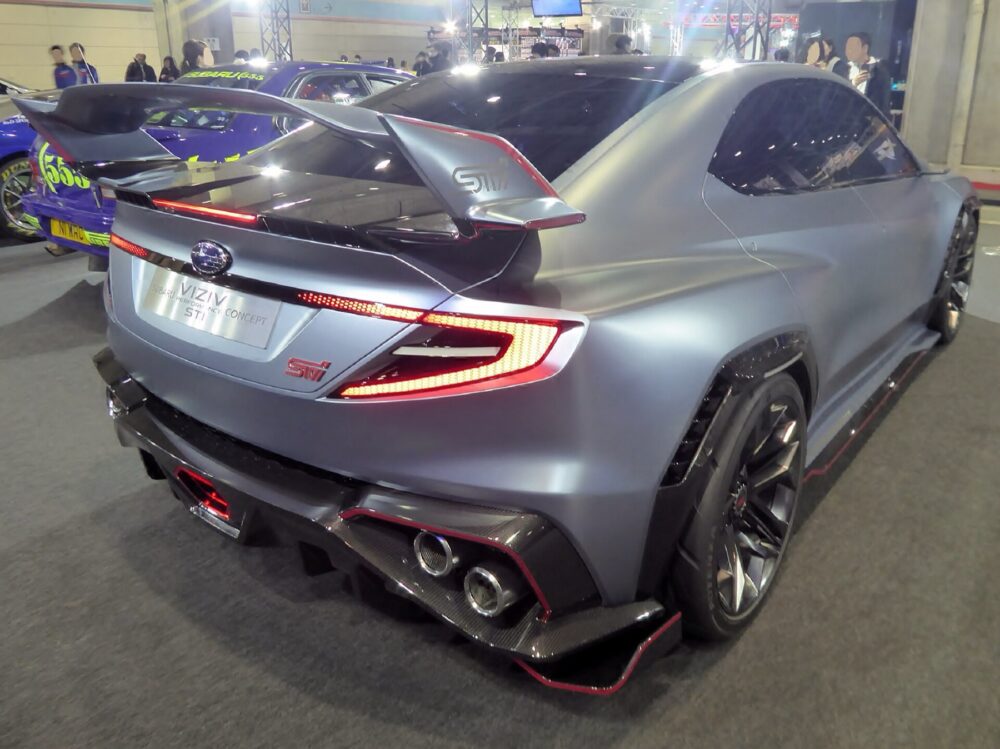
Auto racing is competitive motorsport where cars are pushed far beyond normal street use under a defined set of rules and classes.Auto racing That makes the parts ecosystem different from generic auto repair:
- Engine and driveline: turbos, intercoolers, cams, intake and exhaust components, clutches.
- Suspension and handling: coilovers, sway bars, control arms, bushings.
- Braking: calipers, rotors, pads, lines.
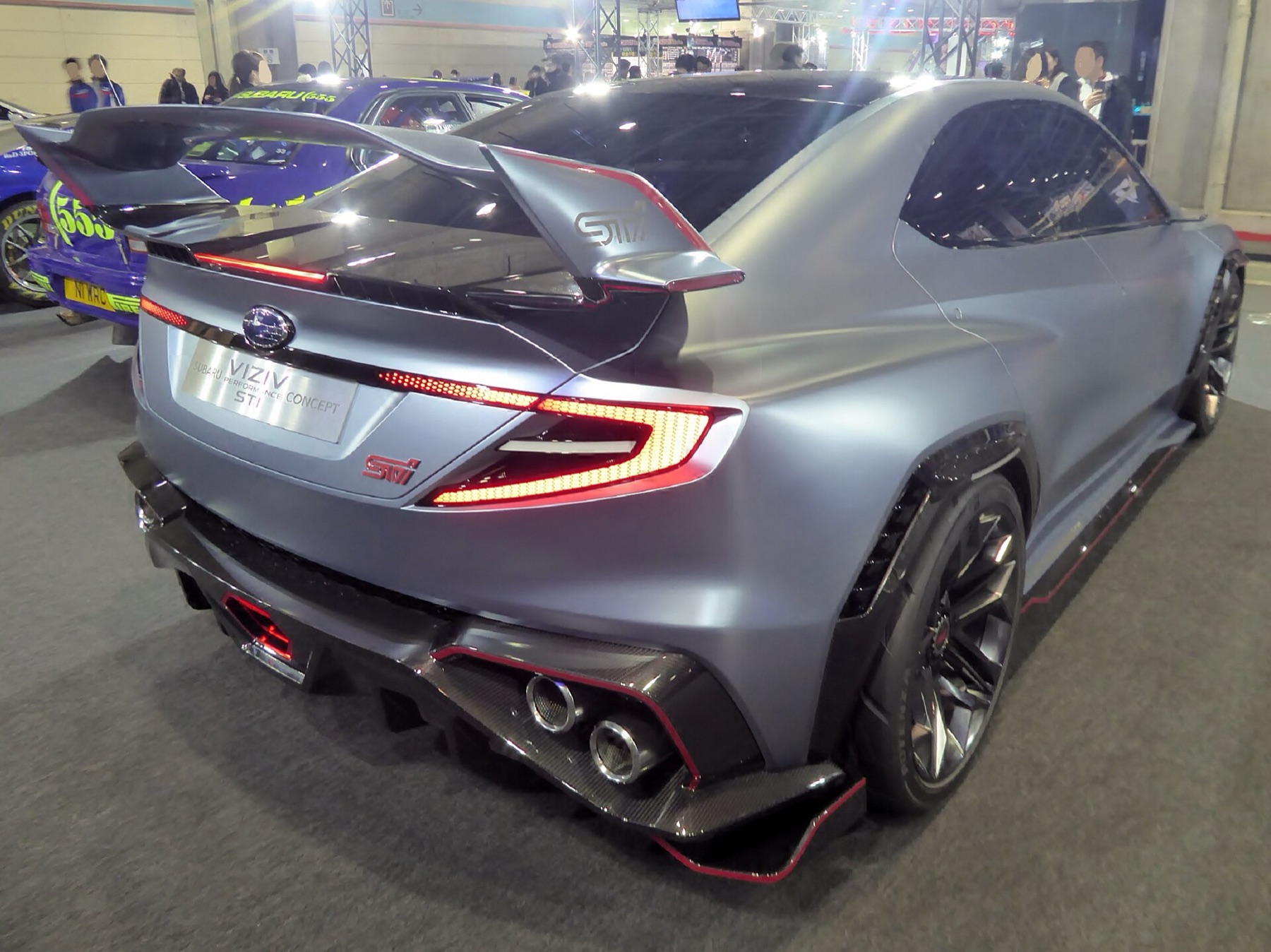
- Aero and exterior: wings, splitters, diffusers, body kits.
- Interior and safety: seats, harnesses, cages, steering wheels.
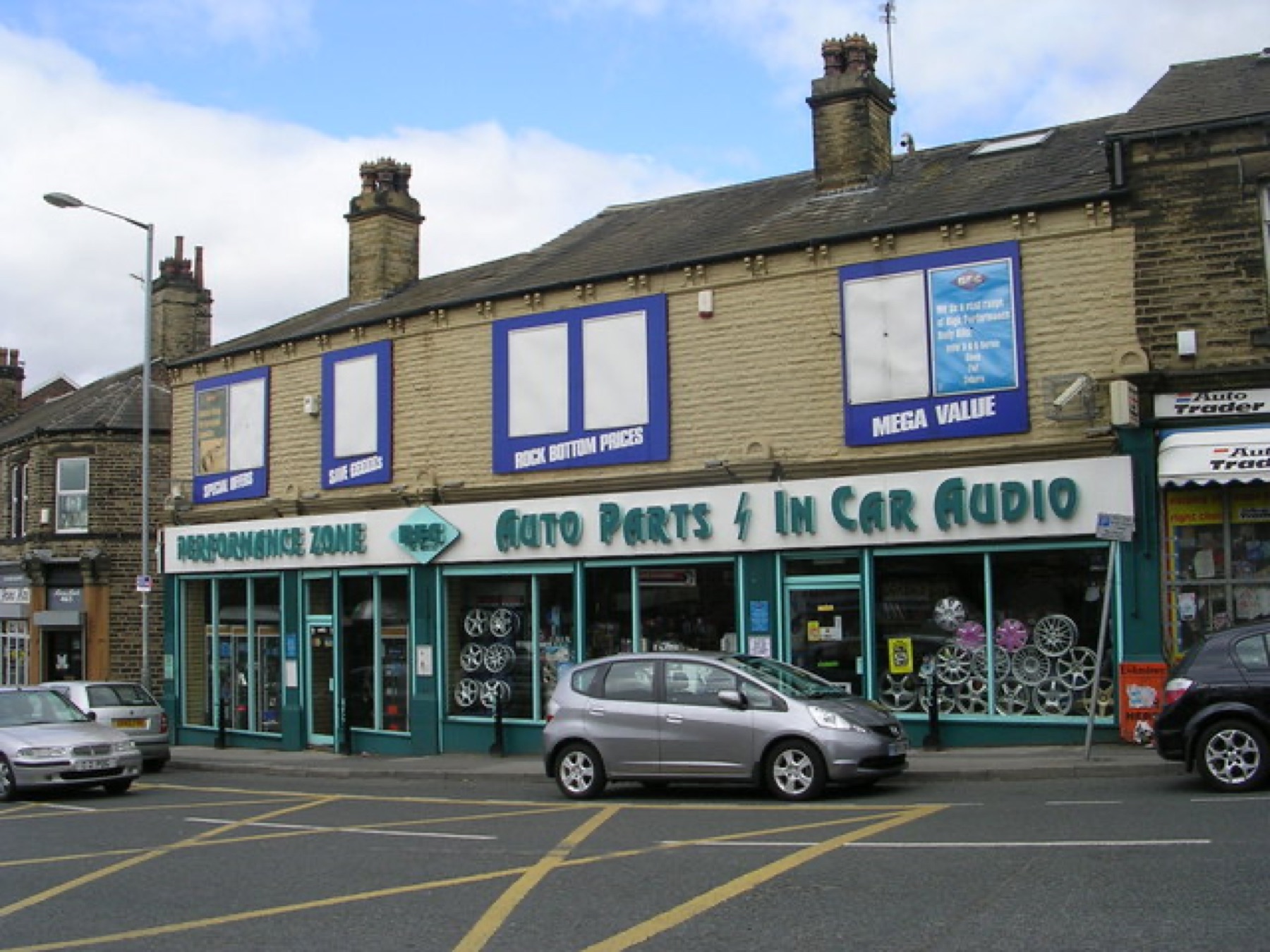
Performance parts like these are sold by specialist retailers and distributors and by countless smaller brands and factories worldwide.Performance parts overview Many products are made in Asia, even if you buy them through a US brand.
For a small US shop, the typical supply chain options are:
- US performance distributors/brands: higher prices, fast domestic shipping, clear fitment data, and established reputations.
- Direct factory relationships: often reached via trade shows or introductions; best for private‑label parts once you have meaningful volume.
Because racing stresses every component, your sourcing strategy should sort parts into:
- Safety‑critical or rule‑sensitive: brakes, steering, suspension, safety gear. Default to established US brands or fully documented cross‑border suppliers with certifications and references.
- Performance‑critical but not safety gear: engine bolt‑ons, cooling hardware. Cross‑border can work if you can test thoroughly and your customers understand the tradeoffs.
- Low‑risk: cosmetic aero, trim pieces, shift knobs, styling accessories. Often safer starting points for DHgate or other marketplace testing.
Choosing and Managing Cross-Border Suppliers for Performance Parts
DHgate’s editorial advice for buyers is straightforward: use filters, evaluate supplier ratings and transaction history, and request samples before placing larger orders.DHgate ecommerce sourcing guide That’s a baseline. For racing parts, you need to go further.
What to screen for in a performance-part supplier
For any marketplace seller or factory you find (on DHgate or elsewhere), look for:
- Specific product focus. A seller that mainly offers generic gadgets plus a few “racing” parts is riskier than one whose catalog is clearly focused on brakes, suspensions, or aero.
- Technical detail in listings. You want material specs (e.g., rotor alloy, pad compound type), torque specs, compatible models/years, and installation notes. Thin descriptions are a red flag.
- Evidence of OEM/brand work. DHgate promotes access to OEM factories for custom and branded goods.Maximizing profits on DHgate When a supplier claims OEM work, ask which brands or regions they serve and request anonymized documentation or sample labels.
- Repeat buyers and reviews. Don’t stop at star ratings; scan reviews for mentions of fitment accuracy, durability, and any failure reports.
You can use DHgate’s search filters to narrow by category and keyword (e.g., “coilover kit” plus your chassis code), then shortlist sellers with higher ratings and transaction volume. Internal tools like find wholesale suppliers on DHgate, find DHgate suppliers, and choose a DHgate wholesale supplier walk through that process in more depth.
Short checklist for racing safety‑critical parts
For brakes, suspension, steering, and safety gear sourced cross‑border, don’t proceed to a bulk order unless you can answer “yes” to all of these:
- Clear material and design documentation? (e.g., rotor metallurgy, caliper design type, weld/bolt specs on control arms.)
- Any third‑party testing or standards referenced? Even if local rules differ, references to standards or dyno/bench testing are better than nothing.
- Sample evaluation plan in place? You’ll bench‑fit or install on a test car and inspect after use before selling.
- Seller willing to discuss design details? A supplier that can explain their engineering choices is less likely to be reselling unknown parts.
If any answer is no, consider keeping that part category with established US distributors.
Scenario: small shop’s first DHgate test order
Say you run a small track‑day shop focused on aero and styling. You identify a DHgate seller offering universal splitters and canards with detailed ABS or carbon‑blend specs and solid reviews.
A practical first move:
- Order a handful of sample units (DHgate marketing notes many products can be bought with no fixed minimum order, though each seller sets their own terms).9 wholesale suppliers for small businesses
- Inspect materials, hardware quality, and packaging; install on a shop car for a few events.
- Only after that experience, negotiate a small wholesale batch and decide if you want to private‑label via OEM access.
For safety‑critical items, your “sample” process should include more rigorous testing or professional evaluation, and you may decide not to pursue cross‑border sourcing at all.
Pricing, Logistics, and DHgate vs. Other Channels for Performance Parts
Here’s a compact comparison of common sourcing channels for racing/performance parts, framed as editorial judgment and kept to buyer‑controlled factors (not platform policies):
| Channel | Typical starting order size | Buyer checks you control |
|---|---|---|
| US performance distributors | Single units; small multi‑item orders | Review brand reputation, published specs, and fitment guides |
| DHgate marketplace sellers | Single units or small batches (varies by seller) | Use filters, ratings, reviews, samples, and direct questions |
| Alibaba‑type B2B platforms | Small to mid‑size batches (often negotiable) | Vet factory profile, MOQ expectations, samples, and references |
DHgate editorial describes the platform as hosting millions of products across many categories, connecting China‑based manufacturers with global buyers, and highlighting wholesale discounts, frequent sales events, and multilingual support.How to Find Real Designer Products It also notes that many products can be bought without a fixed minimum order, including single units, subject to each seller’s own terms.9 wholesale suppliers for small businesses
For a performance shop, this flexibility matters. You can:
- Use DHgate for low‑risk trial orders of cosmetic or non‑critical parts without committing to a huge batch.
- Reserve Alibaba‑style factory deals for products you’ve already validated and where higher MOQs make sense.
- Rely on US distributors for anything your liability insurance or track rules might treat harshly if the part fails.
Landed-cost example: coilover kits vs. US distributor
Imagine comparing cross‑border coilovers to a US‑brand kit:
- US distributor coilovers: higher wholesale price, but domestic shipping, clear fitment data, and brand reputation your customers recognize.
- Cross‑border marketplace coilovers: lower headline price but additional costs and risks.
A simple landed‑cost check for the cross‑border option might add up:
- Unit price: the listed per‑kit cost.
- Shipping and import costs: freight plus any duties, taxes, and brokerage fees.
- Testing and potential write‑offs: time and money to evaluate samples, plus the risk that a batch does not meet your standards.
If that total landed cost approaches the domestic option once you account for risk and evaluation overhead, the margin advantage may not be compelling for safety‑critical suspension parts. In those cases, many small shops keep core braking and suspension lines with US distributors and use cross‑border channels mainly for accessories.
Where DHgate fits in your overall parts strategy
DHgate can be a useful tool for:
- Sourcing cosmetic and low‑risk performance accessories at competitive prices.
- Testing potential private‑label lines by leveraging claimed OEM factory access.Maximizing profits on DHgate
- Placing small trial orders thanks to flexible MOQs on many listings.9 wholesale suppliers for small businesses
It is less suited, on its own, for building an inventory of safety‑critical racing components unless you’re prepared to invest in deeper technical vetting and testing.
If you decide to experiment, use marketplace tools and independent checks together: filters, ratings, transaction history, and samples on DHgate; plus your own inspection, test‑fit, and clear boundaries around which parts categories you’ll trust to cross‑border suppliers. That way, your racing business can grow its catalog and margins without taking on hidden technical or regulatory risks.