
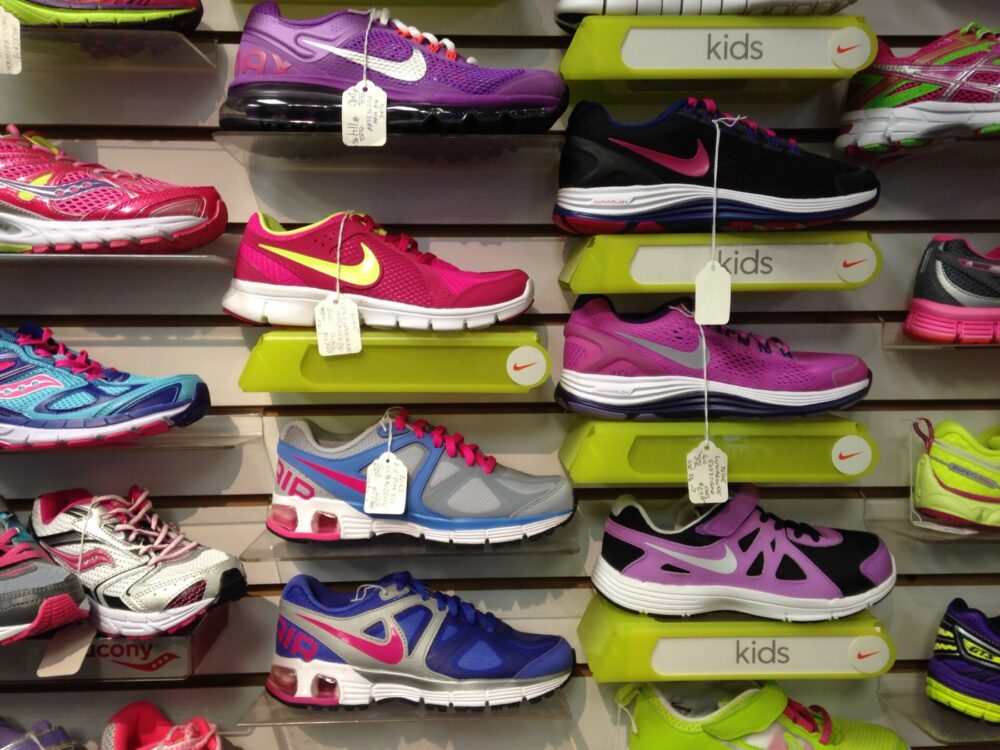
Wholesale shoe suppliers sell footwear in bulk at discounted prices. Your job is to find partners who can deliver the right mix of styles, sizes, and quality at a landed cost that leaves you margin. For US buyers, that usually means weighing local wholesalers, liquidation and closeouts, and cross‑border marketplaces like DHgate. DHgate’s own editorial content positions the platform as favorable for bulk shoe orders, with better pricing as you buy more pairs, but actual results depend on the individual seller and listing.
Below is a practical guide to how wholesale footwear supply works, how to vet suppliers, and where DHgate realistically fits for a small US retail or ecommerce business.
How Wholesale Shoe Supply Works for US Retailers and Online Sellers
Wholesale shoes and footwear suppliers are businesses that provide footwear in bulk to retailers and resellers at discounted prices, typically sourcing from manufacturers, importers, distributors, and liquidation channels. A typical supply chain looks like:
- Factory or OEM producer (often in China, Vietnam, India, or other major footwear hubs)
- Importer or brand owner in the US
- Regional distributor or wholesaler
- Your store or ecommerce site
US‑based wholesalers like Easy USA and RedShoeLover sit in that middle layer. They aggregate large volumes of sandals, sneakers, boots, and casual shoes and resell them in case‑packs or assorted lots to independent stores and resellers.
You’ll see three broad product structures:
- Standard runs: e.g., a style in men’s 8-13 or women’s 6-10, packed by the case. Good for everyday basics or workwear where demand is predictable.
- Fashion assortments: trend‑driven women’s or kids’ shoes where you buy a mix of colors and sizes. These often move through fashion wholesalers or liquidation catalogs.
- Jobber / closeout lots: mixed pallets or cartons of off‑season, overstock, or customer returns. Platforms such as Closo’s footwear catalog list these kinds of deals, letting you browse bulk lots from various sources.
Evaluating Wholesale Footwear Suppliers: Quality, Assortment, and Communication
Shoes are unforgiving: sizing mistakes and poor materials show up quickly in returns and reviews. Vetting suppliers needs to go deeper than a logo and a price list.
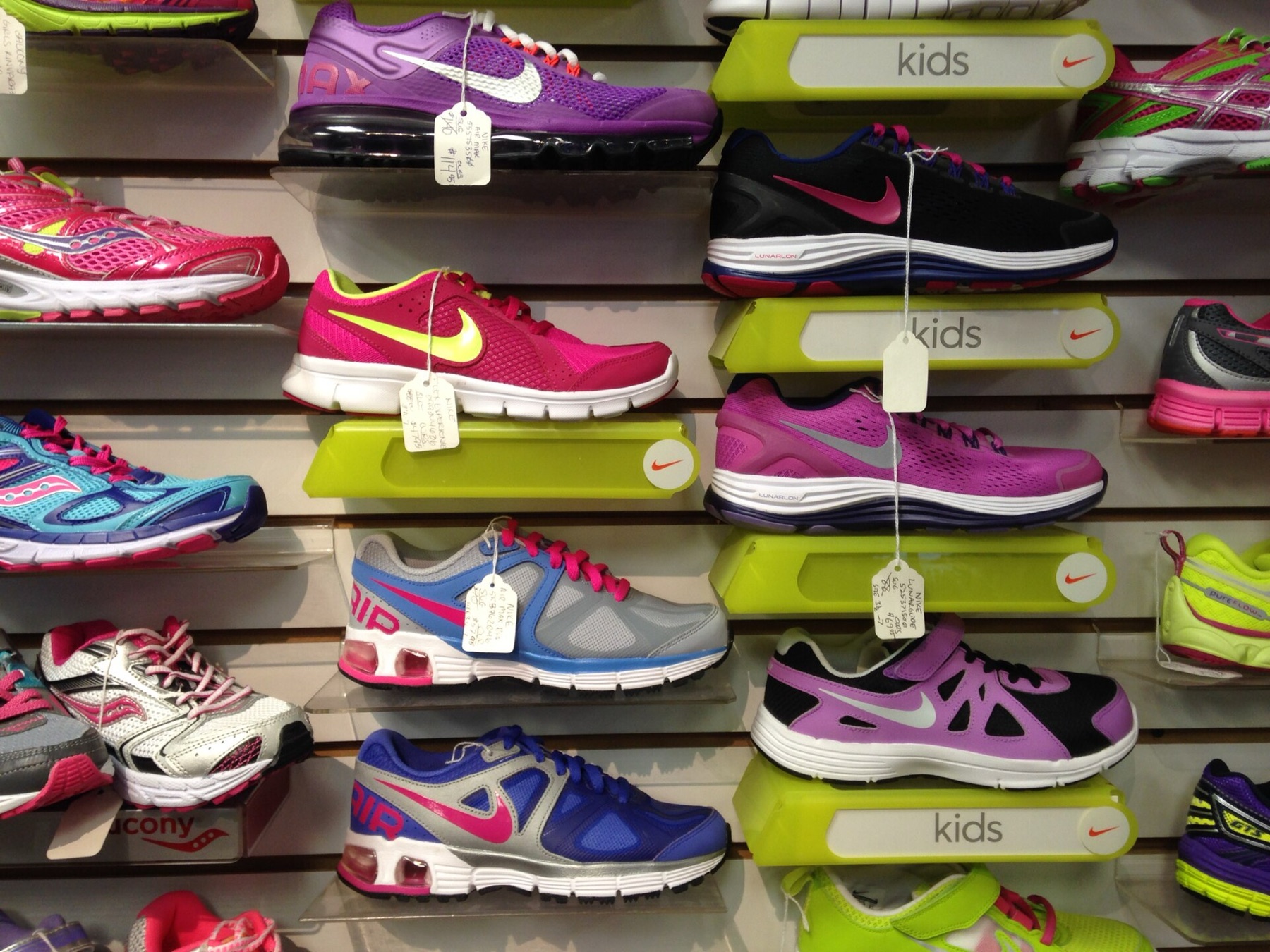
Look at assortments like your customer would
Pull up a wholesaler’s catalog page or marketplace store and scan how complete each style is:
- Size coverage: Does the run cover the sizes that actually sell for your audience (e.g., women’s 7-9, kids’ gradeschool sizes)? Missing core sizes means dead stock or frustrated shoppers.
- Style depth vs. breadth: A budget discount store might prefer fewer styles with deeper size runs. A boutique may want more styles but fewer pairs per size to keep inventory fresh.
- Category mix: Check ratios of sneakers vs. dress shoes, sandals vs. boots. Sources like Easy USA show how broad assortments can be, which helps you benchmark other suppliers.
For liquidation or mixed lots discovered through directories like WholesaleUp or Closo’s footwear, insist on a manifest or at least sample photos that show brands, condition tiers, and size distribution.
Build a shoe‑specific sampling routine
For any new supplier, especially cross‑border, treat samples as a non‑negotiable step:
- Order multiple sizes of the same style to see how consistent sizing is. Try them on or have staff/customers try them if possible.
- Inspect materials and construction: heel attachment, glue lines, stitching, outsole flexibility. Cheap materials are fine for some discount segments, but you need to know exactly what you’re selling.
- Wash and wear‑test at least one pair to see how it holds up over a week or two of regular use.
Check communication and basic competence
High‑quality footwear supply depends on clear sizing, packing, and timing. When you first contact a supplier (US‑based or cross‑border), pay attention to:
- How specifically they answer size‑run questions (e.g., exact ratios per case)
- Whether they can describe their typical buyers (discount stores, boutiques, online marketplaces)
- How quickly and clearly they respond to messages
On DHgate or similar marketplaces, use the platform’s filters and seller pages to find suppliers with meaningful ratings and shoe‑category history, then send precise questions: “What is the standard size run per case for this sneaker?” “Can we adjust the ratio for more 8-10s and fewer 13s?” Your goal is to see if they can handle real‑world retail detail, not just push generic specs.
Pricing, MOQs, and Channels: DHgate and Alternatives for Shoe Sourcing
Here’s a compact view of how common channels tend to fit small US footwear businesses (editorial judgment, not rankings):
| Channel type | Typical MOQ feel | Pricing pattern | Best fit scenarios |
|---|---|---|---|
| US footwear wholesaler | Cases or small lots | Stable, moderate discounts | Brick‑and‑mortar stores needing fast restock |
| Liquidation / closeouts | Lots or pallets | Deep discounts, mixed quality | Discount resellers, flea market sellers |
| Cross‑border marketplace (e.g., DHgate) | Often flexible by listing | Lower unit cost if buying in bulk, freight extra | Online sellers or chains willing to plan ahead |
US wholesalers such as Easy USA and RedShoeLover usually price in ways that favor repeat case orders: the discounts are baked into carton‑level pricing, and you avoid international freight complexity.
DHgate’s shoe‑focused editorial content argues the platform is favorable for ordering shoes in bulk, highlighting reasonable prices and stronger discounts when you buy more than roughly ten pairs from a seller. That’s a directional cue: many listings will show lower per‑pair pricing as you step up quantity tiers. But the exact MOQ, price breaks, and shipping costs vary by seller and change over time.
For a small US business, the trade‑offs often look like this:
- Discount reseller or flea market seller: Liquidation pallets from sources listed on discovery tools like Closo may deliver extreme value, but assortments are messy. DHgate can complement this with consistent low‑price basics (e.g., canvas sneakers) if you find reliable sellers.
- Online‑only brand or marketplace seller: Here DHgate is more often relevant. You can match listings to your niche, request samples, and aim for repeat orders once you find a pattern that sells.
A focused DHgate footwear listing checklist
Because DHgate is a marketplace, not a single supplier, treat each listing as its own mini‑business case. Before you put real money into a shoe style:
- Use filters wisely: Narrow by category (sneakers, boots, sandals), material, and price band to avoid generic or irrelevant listings.
- Read seller evidence: Ratings, written reviews, and transaction counts help you find sellers with a track record in footwear. Look for photos in reviews that show real‑world wear.
- Verify size and spec details: Check the size chart, case‑pack details, and any notes on fit. Ask the seller directly if anything is unclear.
- Request samples: Order a small number of pairs in your core sizes first. Only scale up once you’re satisfied with fit and durability.
For broader marketplace tactics beyond footwear, you can also look at DHgateWiki’s guides on finding wholesale suppliers on DHgate, finding DHgate suppliers, and choosing a DHgate wholesale supplier, then apply the shoe‑specific questions from this article.