
Wholesale craft sourcing can work for a US small business or creative reuse shop if you treat imported materials as a complement to your local reuse stream, not a replacement. That means defining what you actually sell, pulling some items from nearby creative reuse centers, and carefully testing cross-border suppliers on marketplaces like DHgate and Alibaba before you ever place a big order.
On DHgate specifically, the most sustainable path is to use it for items that are hard to find secondhand in consistent quality—like new adhesives, cutting tools, or bulk blanks—while keeping your “treasure hunt” inventory from donations and local reuse partners. You research demand, compare multiple sellers, order samples, and calculate real landed cost per usable unit. Only when the math, quality, and repeat-availability make sense do you scale.
How Craft Supplies and Creative Reuse Fit Into Wholesale Sourcing
For sourcing, “craft supplies” covers both conventional materials (yarn, paper, paints, beads, blanks, tools) and the kind of surplus or secondhand items that power creative reuse: offcuts, overstock, donated fabric, old office materials, and odd bits that can become art.
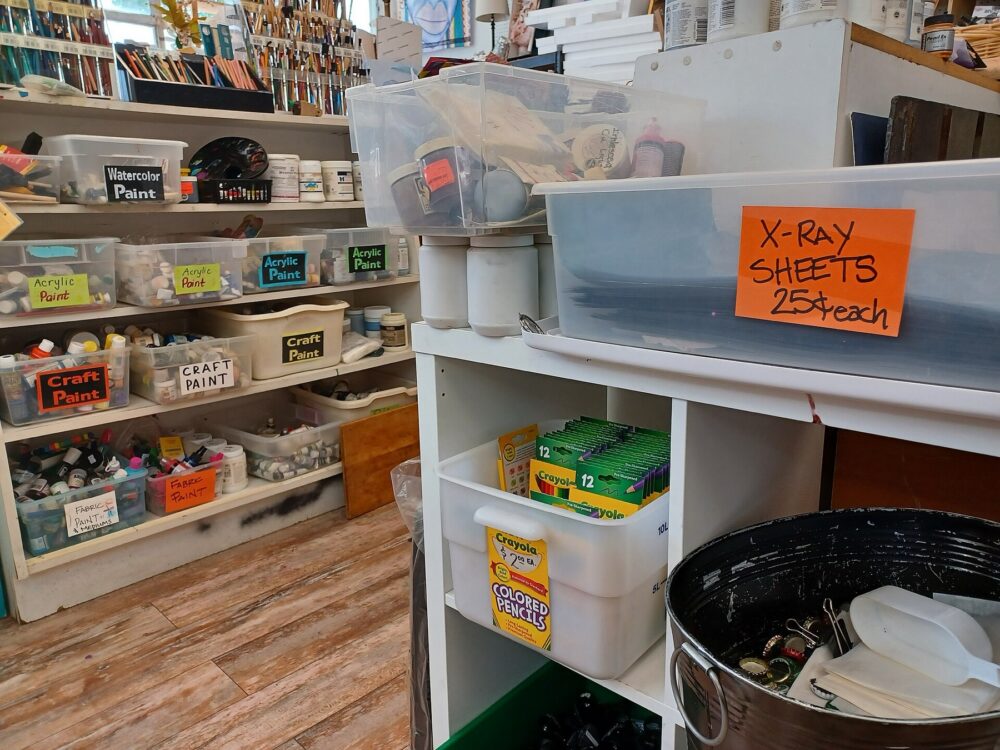
Nonprofit creative reuse centers in the US sit upstream of a lot of this quirky inventory. The Pittsburgh Center for Creative Reuse describes itself as a source of sustainable arts and crafts supplies from surplus materials, offering affordable stock for makers and educators. Scraplanta Creative Reuse positions itself as a craft supply thrift store and creative reuse organization collecting donated materials. Similar organizations around the country intercept items that would otherwise be waste and resell them as low-cost craft supplies.
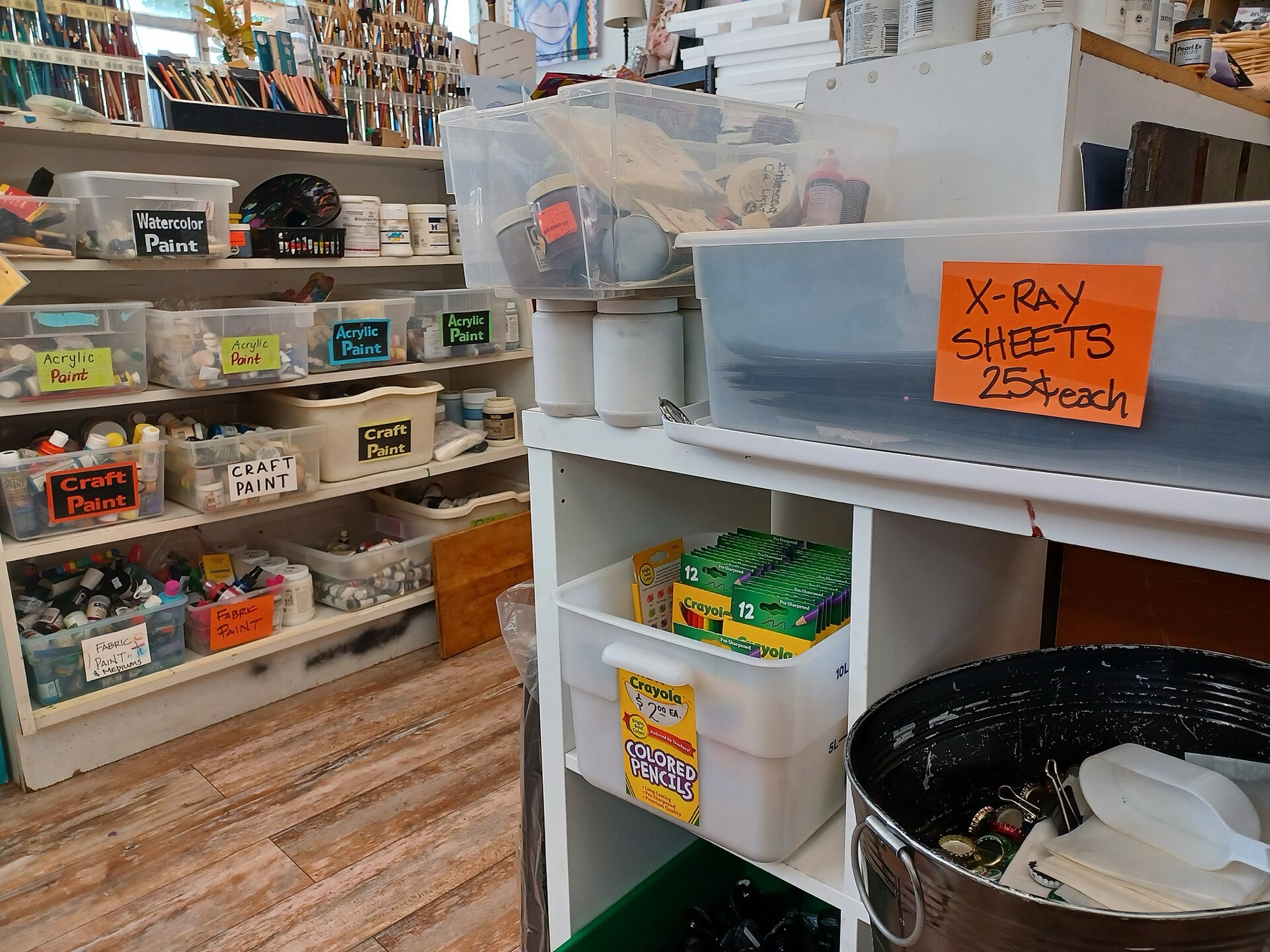
For a small business, that creates two distinct but compatible sourcing streams:
- Local creative reuse / thrift / donations for one-off textures, unique finds, and mixed lots that attract “slow browsing” customers.
- Wholesale imported stock for items you need in consistent specs: new markers for classes, standard blank tote bags, embroidery hoops, glue sticks, or LED lights for kits.
Import marketplaces like DHgate are designed for that second stream: they aggregate many suppliers across categories and allow both small-quantity and bulk purchases. Your job is to match what they offer to what your reuse-focused audience actually buys.
Selecting and Vetting Cross‑Border Craft Suppliers
Your risk profile changes dramatically when you move from local donated stock to overseas wholesale. You’re now committing cash, waiting through transit, and relying on the seller’s description. So the vetting has to be more disciplined and context-specific than a generic “check reviews”.
Start with a sourcing plan
Before you open DHgate or Alibaba, list:
- The exact materials you need (e.g., “child-safe glue sticks for 100 classroom kits” vs. “random adhesives”).
- How they’ll be used in your business (retail resale, workshop kits, subscription boxes, etc.).
- Any safety or performance constraints (kid use, fabric compatibility, off-gassing concerns, etc.).
This lets you evaluate listings and suppliers against real use-cases, not just price.
Use marketplace signals, but tie them to craft-specific questions
DHgate’s own editorial content on DIY materials recommends checking seller ratings, reading buyer feedback, comparing prices, ordering samples, and communicating with sellers before buying craft supplies. That’s only useful if you ask the right questions:
- Ratings and reviews: For paint, glue, resin, or markers, look specifically for comments about odor, coverage, and how they perform on different surfaces. For tools, watch for breakage or misalignment issues.
- Photos and descriptions: For fabric and trims, insist on clear photos and detailed fiber content, width, and weight. For blanks (wood, canvas, paper), check thickness and finish.
- Messaging the seller: Use DHgate’s messaging to ask about batch consistency (will future orders match this batch), packaging (does it survive transit without leaks or warping), and whether they can provide documents on material safety if you’re selling to schools or kids.
You can go deeper with DHgate’s broader sourcing tips, which suggest using filters, evaluating supplier history, and requesting samples. For craft buyers, that translates into:
- Filtering by material type (e.g., cotton vs. polyester thread if your audience prefers natural fibers).
- Prioritizing suppliers with longer transaction histories when you need repeatable reorders, like standard beads or blank keychains.
- Ordering small sample lots and physically testing them in your use-case before committing.
Scenario callouts
Small Etsy shop selling jewelry and kits You might source unique beads and findings from local creative reuse shops because the randomness adds charm, then use DHgate for repeatable components like earring hooks, jump rings, and gift boxes. Vet those overseas suppliers heavily on metal composition (nickel-free claims), finish quality, and packaging; ask for small samples and check how they look in your product photos.
Nonprofit creative reuse center adding “new basics” section If your donors never bring enough kid-safe scissors or glue, you could selectively import those basics while keeping the rest of your space donation-driven. Here, supplier vetting has to focus on safety and durability: order small quantities via DHgate, test in workshops, and only then scale up. If anything feels borderline, revert to domestic wholesale.
Pricing, MOQs and Channel Choices: DHgate vs Alternatives
Wholesale craft sourcing lives or dies on landed cost and flexibility. DHgate is one option, but it’s not automatically the cheapest or safest channel for every material.
How pricing and MOQs typically work
Most overseas craft and DIY suppliers work with some form of minimum order quantity (MOQ) and tiered pricing. Even when a marketplace like DHgate allows you to buy single units, per-piece pricing tends to drop when you commit to larger lots.
DHgate’s blog on wholesale buying recommends:
- Analyzing product demand before placing big orders, so stock doesn’t sit in your warehouse.
- Comparing similar products across multiple sellers rather than buying the first listing you see.
- Timing larger purchases with marketplace sales periods to improve margins.
For a craft business, you can translate that into a simple, repeatable workflow:
- Test demand with local or small-batch stock. Run a workshop with materials from a creative reuse center or domestic distributor; track what people actually use.
- Search DHgate or Alibaba with specific keywords. For example, “child-safe craft foam sheets” or “blank wood ornament laser-ready” rather than generic “craft supplies.” Narrow with filters where available.
- Shortlist 3-5 suppliers per item. Compare descriptions, buyer photos, ratings, and batch options. Look for sellers offering small test quantities.
- Order samples. Use those samples in your real projects—glue them, wash them, send them to a few trusted customers—and note failure points.
- Calculate landed cost. Include unit price, estimated freight and fees, and a buffer for defects. Divide by usable units, not total units.
- Decide whether to scale or switch channels. If the landed cost beats domestic wholesale and quality passes your tests, consider a bigger order. If not, stay with local reuse or domestic suppliers.
Channel fit: DHgate vs Alibaba vs local creative reuse
Here’s a qualitative snapshot of how three common channels line up for US craft and creative reuse sourcing:
| Channel | Best suited inventory | Typical strengths for small buyers | Key limitations in a creative reuse model |
|---|---|---|---|
| Local creative reuse center (e.g., PCCR, Scraplanta) | Surplus, donated, one-of-a-kind materials; mixed lots | Very low cost per piece; environmental story; community ties | Inconsistent repeatability; limited for “standard” kit items |
| Cross-border multi-seller (China-based B2B marketplace) | New tools, blanks, packaged craft materials, some decor | Access to many suppliers; small and bulk orders often possible; competitive unit pricing at scale | Quality variance between sellers; cross-border lead times; requires strong vetting and testing |
| Alibaba (global B2B marketplace) | Larger production runs, factory-direct custom or branded items | Deep manufacturer access for custom products; good for scaling a proven SKU | Often higher MOQs; can be overkill for micro-batches or experimental kits |
DHgate tends to be friendlier to small mixed orders than big-factory platforms that focus on high MOQs. That can matter if you’re testing a new kit or adding a modest “new basics” section inside a reuse shop. But your creative reuse value proposition depends on keeping a lot of your inventory local, messy, and surprise-driven. Imported stock should support that experience, not flatten it into a generic craft store.
If a material is central to your brand story—say, reclaimed office supplies turned into art—favor local centers like Pittsburgh Center for Creative Reuse or Scraplanta as long as you can get enough volume. Use DHgate or Alibaba only when the item needs to be standardized, branded, or reliably replenished.
Practical safeguards for cross‑border craft materials
There’s no universal guarantee that a marketplace seller will meet your standards, so your safeguards have to live in your own process.
- Safety and compliance: For kids’ materials and anything used on skin, treat overseas listings with caution. Ask sellers direct questions, request documentation when reasonable, and keep initial orders small enough to test in-house.
- Quality drift: Even good suppliers can change materials or batches. Before reordering from DHgate or Alibaba, compare photos and specs to your first order and, for critical items, re-sample.
- Inventory mix: Keep at least some of your core offer independent of any one cross-border supplier. That often means anchoring your brand in creative reuse materials and using imported supplies as modular add-ons.
If you find a reliable DHgate seller for a non-critical item—say, blank keychains that pair with reclaimed fabric scraps—you can deepen that relationship over time. Use targeted internal guidance like Find wholesale suppliers on DHgate, Find DHgate suppliers, and Choose a DHgate wholesale supplier to refine your supplier list as your volumes grow.
For many US craft businesses and creative reuse organizations, the sweet spot is a hybrid: local reuse centers for story-rich materials, and carefully vetted cross-border suppliers for the few standardized components that keep your workshops, kits, and online sales running smoothly.