
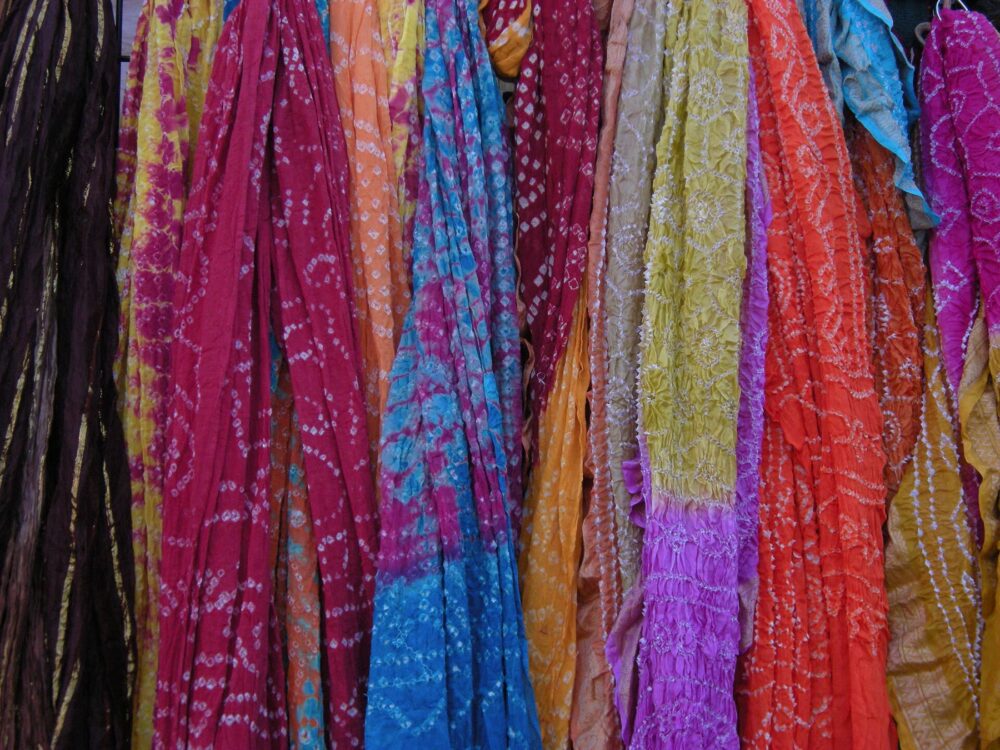
Wholesale scarves in the UK are supplied mainly by fashion accessory importers and trade-only wholesalers, with Manchester acting as a key hub. If you’re buying for a boutique, market stall or small ecommerce brand, your real choice is between UK-based wholesalers (often with showrooms and fast delivery) and cross-border sourcing that can push unit costs down but adds complexity. The right route depends on your order size, how quickly you need stock, and whether you want standard fashion scarves or custom work.
UK wholesalers usually import from Asia or Europe, curate ranges, and then resell to retailers on trade terms. Manchester’s Cheetham Hill area is especially dense with apparel and accessory wholesalers. For example, Fashion Scarf World describes itself as one of the UK’s major importers and suppliers of fashion scarves and accessories to businesses of all sizes, and operates from Manchester. That kind of business serves everyone from market traders to high-street stores who need ready-to-sell designs without managing overseas production directly.
Elsewhere in the UK you’ll find regional scarf specialists. Scarf Room in Blackpool positions itself as a leading supplier of wholesale scarves, pashminas and wraps, while MSH Wholesale offers a large scarf collection designed specifically for wholesale partners, focusing on repeatable prints and broad customer appeal. These importers sit between overseas factories and you: they handle design selection, quality control and UK logistics, then sell in-season ranges you can top up quickly.
Choosing and Vetting UK & Manchester Scarf Wholesalers
You’re not just picking scarves; you’re picking a long-term stock partner. Use concrete checks before you open an account or place a first order.
1. Confirm trade-only status and basic terms Most UK wholesalers are trade-only. Fashion Scarf World’s site, for instance, makes clear it supplies businesses and lists a Manchester showroom and phone contact. Check for:
- A business-registration or VAT number on the website footer.
- Clear mention of trade-only or wholesale-only.
- Stated minimum order value (often a basket value rather than per-style MOQ).
If those basics are missing, treat it as a red flag and dig deeper before trusting them with volume orders.
2. Review range depth and merchandising fit Look at the actual scarf collection pages, not just a homepage claim. MSH Wholesale’s scarf collection page highlights over 500 styles, balancing lightweight transitional scarves and heavier textures for cold months, with prints and plains designed for repeatability and easy merchandising. That kind of assortment matters if you run a store that needs coordinated drops rather than one-off buys.
Similarly, Scarf Room’s wholesale section focuses on fashion scarves, pashminas and wraps, which may fit a more feminine or gift-led retail concept. Compare:
- Fabric mix (viscose, wool, silk, polyester).
- Seasonal focus (everyday fashion vs winter-weight wraps vs occasion scarves).
- Color/print strategy (safe neutrals vs bold, trend-led graphics).
Match these to your customer profile. A Manchester market stall might lean on low-risk plains and checks; an online boutique can test bolder prints in smaller batches.
3. Check contactability and physical presence Manchester is strong on physical showrooms. Fashion Scarf World publishes a Manchester address and phone number and invites business visits. Long-running UK wholesalers like E Apollo Wholesale also list scarves within wider accessory lines and highlight that they’ve been trading since 1989.
For you, a showroom or at least a UK office with full contact details is a practical signal:
- You can inspect quality in person if you’re local or visiting.
- It’s easier to resolve mispicks or damaged stock with a UK-based team than a purely offshore contact.
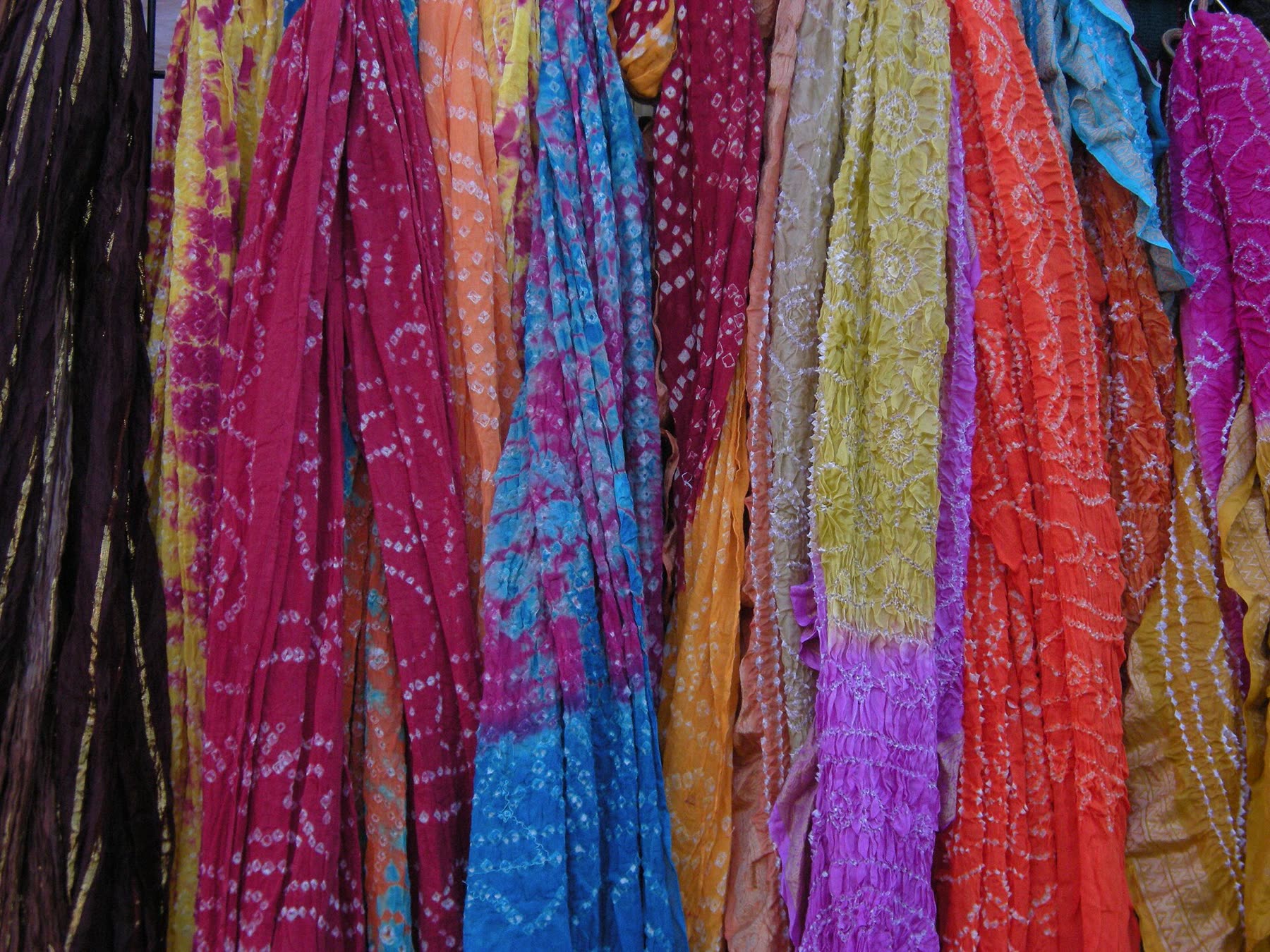
4. Use smaller, mixed orders as a live test Rather than committing a season’s budget upfront, place a modest mixed order across several fabric types and price tiers. Track:
- Actual delivery time vs what you were told.
- Sell-through speed by style (which prints and weights move).
- Whether reordering core lines is straightforward.
Brands like LUXE Wholesale and Fashion Scarf World operate as fashion accessory wholesalers with scarf ranges, so you can also trial bundles that mix scarves with hats or gloves and see what complements your assortment best.
Here’s a simple comparison table to structure your vetting:
| Supplier type | Typical advantage | Common checks to run |
|---|---|---|
| Manchester showroom-based | In-person quality check, fast top-ups | Visit showroom, inspect stitching & fabric, ask about reorders |
| Online-only UK scarf specialist | Curated ranges, nationwide reach | Review collection pages, request samples, confirm trade terms |
| General UK accessory wholesaler | Scarves plus hats/bags for full looks | Check scarf depth vs other categories, avoid over-reliance on one line |
MOQs, Pricing & Channel Choices: UK Local vs Cross-Border
UK wholesalers tend to work on minimum order values or per-style packs, but precise MOQs vary and are usually quoted once you open a trade account. You’ll often find:
- Lower barrier for mixed-style orders than for factory-direct imports.
- Higher per-unit prices than working directly with overseas manufacturers, but with UK warehousing, duty already paid and faster replenishment.
Cross-border marketplaces add a different option. DHgate, for example, hosts multiple scarf listings spanning wool, silk and polyester, including wholesale-focused offers with tiered USD price ranges. On 2026-10-13, a listing titled “100 Wool Scarf Wholesale Solid Color Scarf for Women Versatile Autumn and Winter Scarf Thicken Warm Shawl Simple Tassel Scarves 251015” showed a price range in the mid–USD 40s for its tiered quantities, while another listing, “Fashion Accessories Scarves 70cm Square Small Silk For Women Summer Versatile Professional Fashion Scarf,” sat in a much lower USD range for smaller silk squares. These are snapshots only; prices and availability can change quickly.
For your sourcing decision, think in scenarios rather than theory:
- Fast, in-season replenishment for UK customers
If you need stock next week for a Manchester shop or UK ecommerce warehouse, UK-based wholesalers like Fashion Scarf World, Scarf Room, MSH Wholesale, LUXE Wholesale or E Apollo typically beat cross-border channels on speed and easier returns. You trade a slightly higher unit cost for lower risk and simpler logistics.
- Experimenting with materials or niche formats
- Landed cost modeling
For cross-border orders, you must model total landed cost: product price plus shipping, duties, VAT and any customs handling fees. For UK wholesalers, most of this is already baked into the trade pricing; your variables are mainly carriage and your own VAT position. If your numbers show only marginal savings from importing, the operational friction often isn’t worth it for small scarf runs.
In practice, many small UK and US buyers use Manchester and wider-UK wholesalers for core scarf lines (plain pashminas, classic checks, everyday fashion scarves) and reserve cross-border marketplaces for occasional experiments or very specific designs. That mixed strategy lets you keep your main cashflow aligned with reliable, fast local supply while still exploring lower unit costs or niche products once you’ve built confidence in individual overseas sellers.