
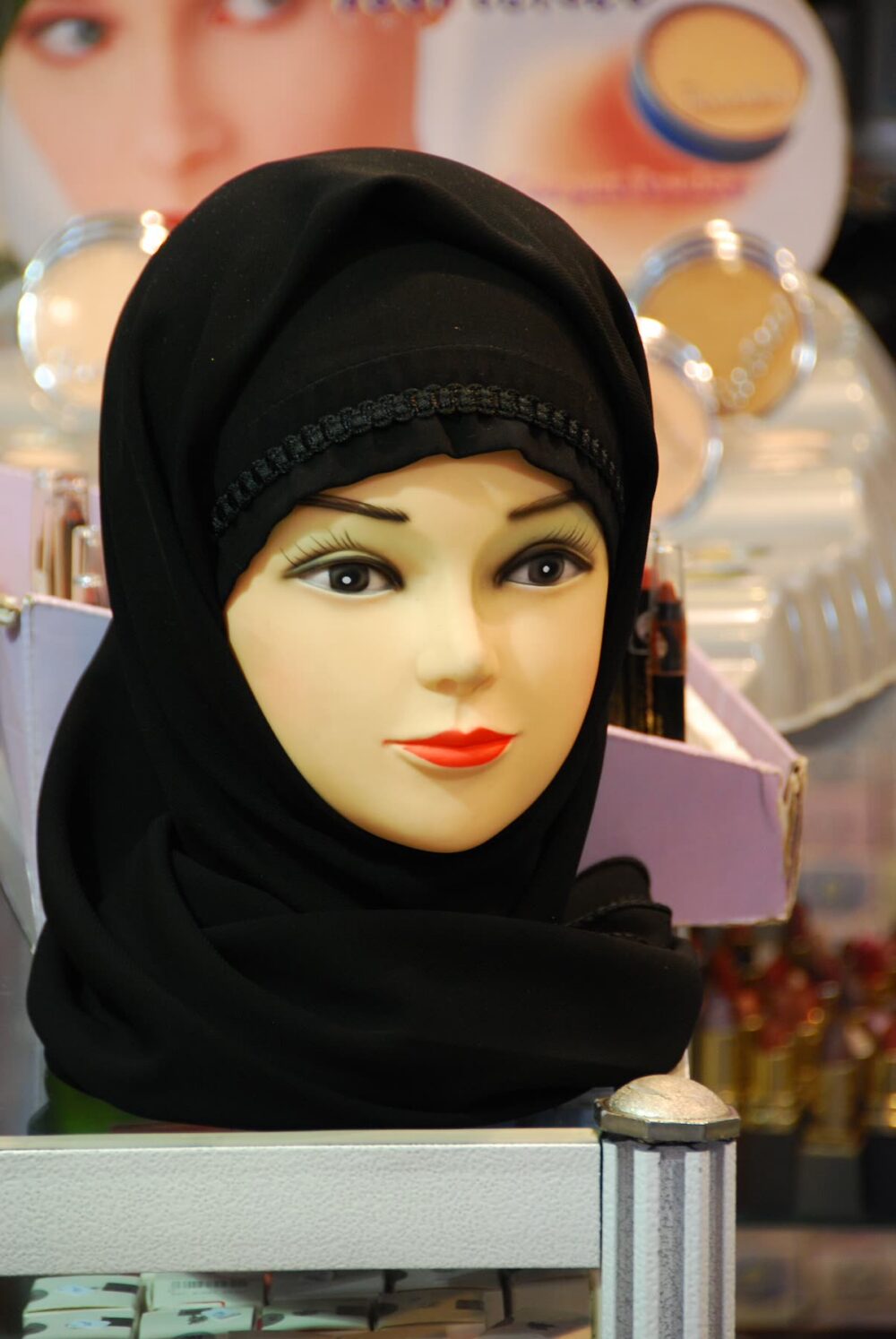
Realistic female mannequin heads are absolutely available in wholesale, especially from Asia-based factories and global marketplaces. The real decision for a US buyer isn’t “can I get them?” but which type, material, supplier, and channel fit your use case, budget, and timeline. A wig shop that needs 20 lifelike, makeup-ready heads has different sourcing needs than a cosmetology school ordering human-hair training heads or an ecommerce seller testing a new line of jewelry busts.
Below, we’ll map the product types, how the wholesale market is structured, how to vet suppliers, and what to expect on pricing and channels.
How the Wholesale Market for Realistic Female Mannequin Heads Works
The category is more established than it looks from single-unit Amazon listings. Specialist display suppliers like Museummannequins and RetailDisplayUSA carry ranges of realistic female heads: neutral expression, fashion makeup, different skin tones, sometimes with shoulders for necklace or scarf display. That’s a clear sign there is a stable wholesale niche, not just hobby use.
Broadly, you’re looking at three sub-categories:
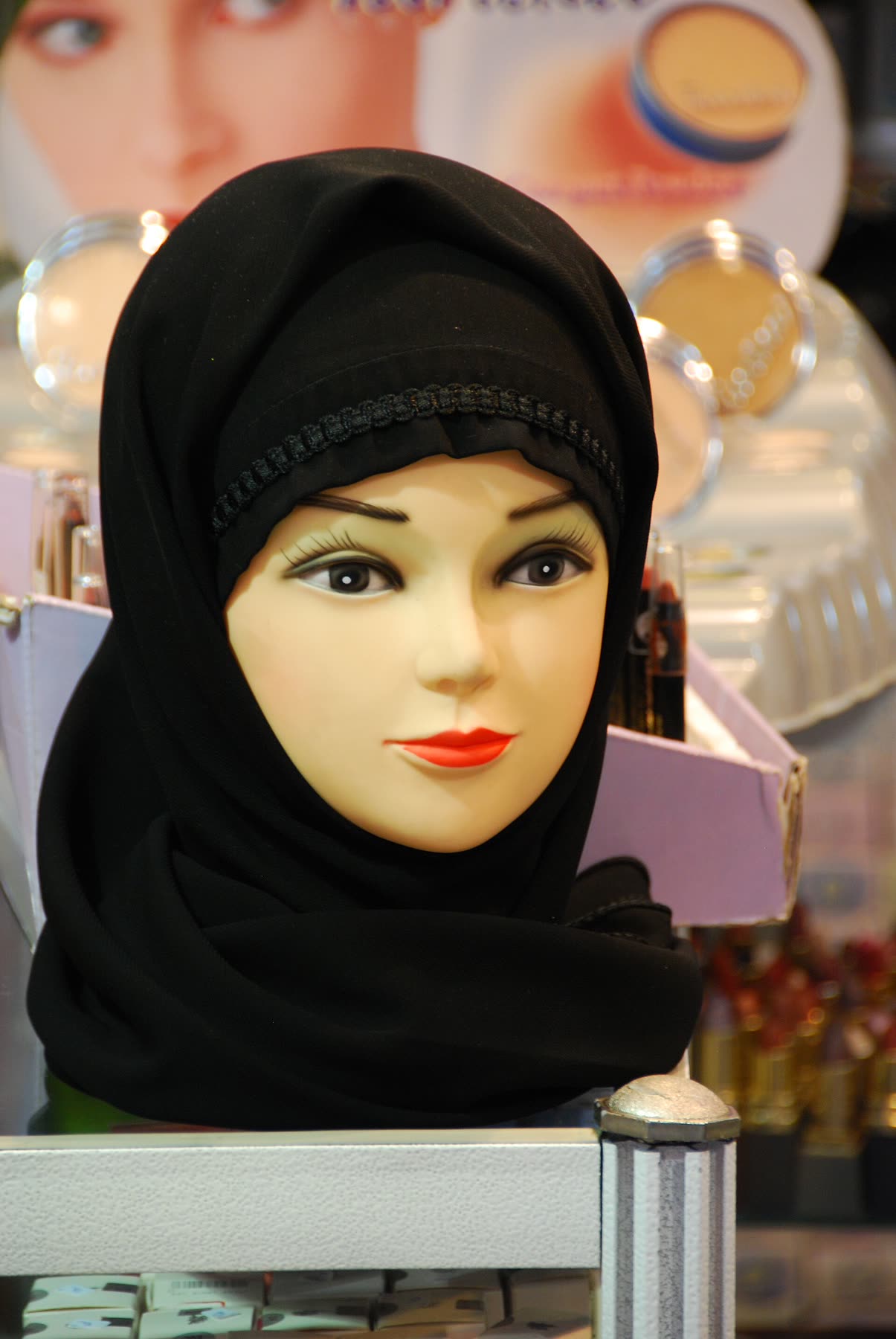
- Display heads for wigs, hats, and accessories. Usually fiberglass, plastic, or foam, with painted facial features and sometimes lashes/pierced ears. These prioritize visual realism and lightweight construction over being handled heavily.
- Cosmetology and training heads. Built for repeated cutting, coloring, braiding, or lash application. Brands like Pivot Point sell human-hair mannequins at a clear premium, showing that training heads are a different tier on both price and durability.
- Hybrid display/training heads. Wig-display models with some hair (synthetic or human-hair mix) that can handle light styling while still working in a window or shelf display.
Production is heavily concentrated in China and other Asian manufacturing hubs for plastic, foam, and fiberglass heads; higher-end human-hair training heads may be produced or finished in more specialized facilities. From there, inventory moves via:
- Direct factory or trading companies into pallets/containers for retailers and wholesalers.
- Bulk listings on large marketplaces (Amazon, eBay, Etsy, DHgate, etc.). Etsy, for example, has multiple sellers offering realistic female mannequin heads aimed at wig and jewelry display (browse examples).
- Specialist distributors and visual-merchandising vendors (like Museummannequins and RetailDisplayUSA) who curate and stock particular lines.
If you’re a small US business, you’re usually plugging into this chain either through a marketplace seller, a US distributor, or a cross-border factory relationship.
Choosing and Vetting Suppliers for Realistic Female Mannequin Heads
Your biggest risk in bulk orders is ending up with heads that look cheap in person: wrong scale, shiny plastic, sloppy makeup, or hair that sheds. DHgate’s editorial blog on female mannequin heads highlights practical factors to judge realism and usability: head size, hair density, material quality, realistic facial features, and stable stands or clamps. Those are a good starting checklist for any supplier, not just that platform.
Here’s a compact way to line up your options by use case:
| Use case | Best head type | Key realism factors to inspect | Typical supplier types |
|---|---|---|---|
| Wig shop / beauty supply | Fiberglass/plastic display head, often with shoulders | Face sculpt, makeup detail, skin tone, pierced ears, wig fit | Marketplace sellers, mannequin distributors |
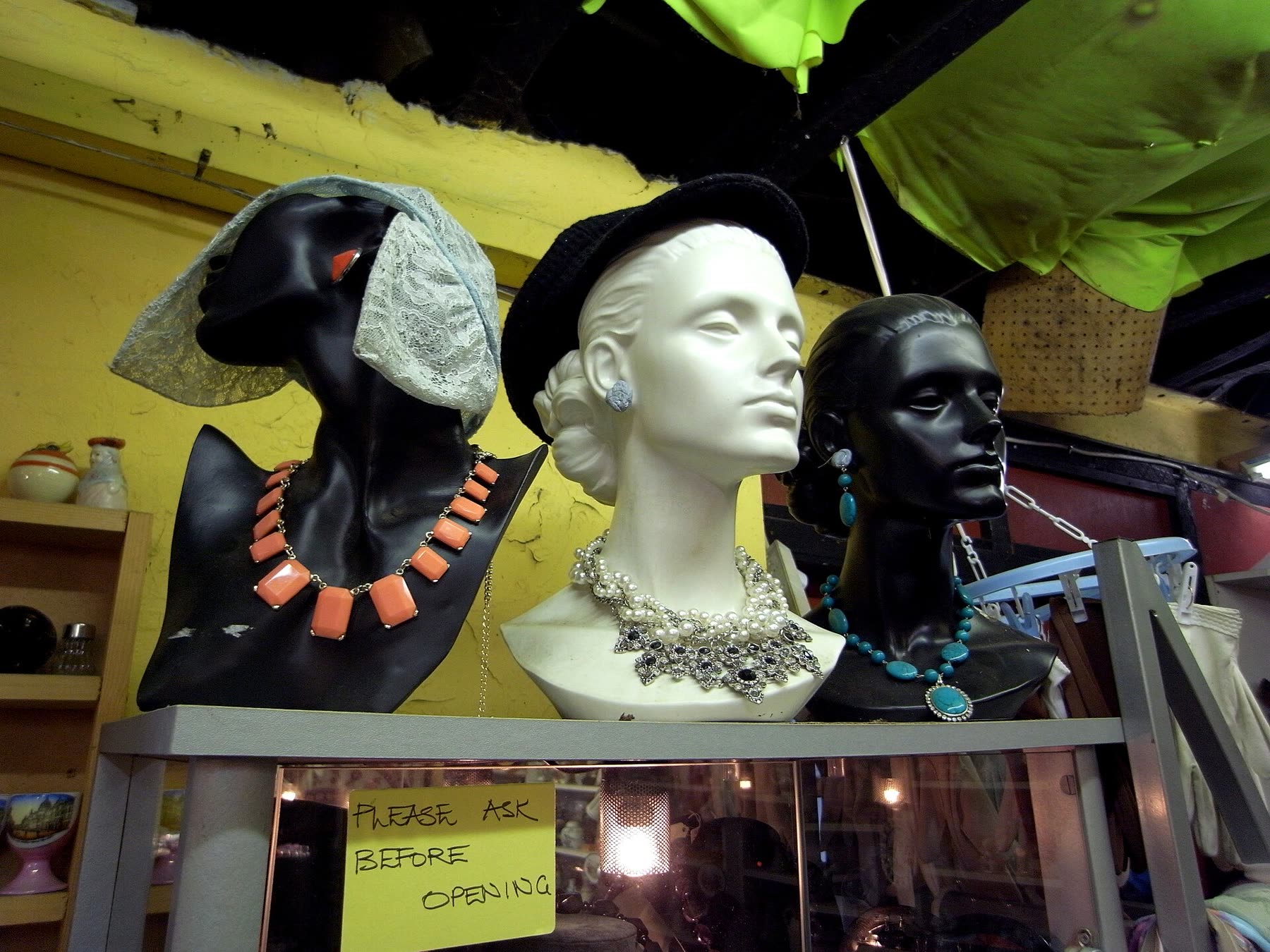
| Jewelry / accessory store | Head or head+shoulder bust without hair | Neck length, ear visibility, finish color, stability | Display specialists, visual-merch vendors |
| Cosmetology school | Human-hair or high-end synthetic training head | Hair density, rooting pattern, heat tolerance, clamp quality | Training brands (e.g., Pivot Point), beauty supply wholesalers |
When you evaluate a supplier, make the criteria concrete:
- Head size and proportions. Ask for measurements (circumference, height). DHgate’s blog suggests matching average women’s head sizes (around 21-22 inches) for realistic wig fit; that’s sensible whether you buy from a marketplace seller or a US distributor.
- Material and finish. For display, request close photos or samples of the face and neck under store lighting. Fiberglass and quality plastic can look smooth and matte; cheaper plastics can be overly glossy or uneven. Foam heads are lighter and cheaper but less realistic, better for backroom storage than front windows.
- Facial realism. Push for high-resolution photos of the eyes, lips, and nose from multiple angles. Compare them to known realistic heads on Museummannequins or similar sites to see if the sculpt and paint job feel comparable.
- Hair quality (if included). For training heads, request a sample or single-unit purchase before committing. Based on Pivot Point’s product tiering, expect human-hair or mixed-hair heads to sit in a higher price band than synthetic-only display heads, and treat any quote that seems too low as a cue to ask harder questions about hair content.
- Stand, clamp, or base. DHgate’s blog calls out adjustable stands and clamps as key usability features. In wholesale, you should clarify if bases or clamps are included, sold separately, or compatible with standard tripods.
Mini supplier vetting checklist (use this in your emails or RFQs):
- Ask for detailed photos and dimensions of one representative head.
- Confirm material (fiberglass, PVC, foam, silicone) and, for training heads, hair composition.
- Request a sample or small test order and clarify what you’re paying (including packaging).
- Check how the seller describes typical buyers (salons, schools, retailers); specialization signals they understand your needs.
- For marketplace sellers, look at review photos and any repeat-buyer comments for clues about real-world realism and durability.
Pricing, MOQs, and Channel Choices for Bulk Orders
Per-unit prices for realistic female mannequin heads vary widely with type and channel:
- Simple foam or plastic display heads are generally in the lower price band.
- More detailed plastic/fiberglass heads and specialized lash-training heads sit higher.
- Human-hair training heads from brands like Pivot Point are at the premium end.
Cross-border marketplaces offer a useful snapshot of what “tens of dollars per unit” actually looks like right now. On 2026-10-13, DHgate had multiple relevant listings:
- A plus-size display head, “Plus Size 45cm Female Head Model Manikin Mannequin Wig Scarf Glasses Hat Cap Display Stand Women Mannequins head Foam Plastic” in the Sewing Notions & Tools category, priced roughly $23.45–$25.18 per unit for small quantities (see listing).
- A foam display stand, “Foam Head Practical Mannequin Head Dummy Head Female Head Model Hat Wig Glasses Convenient Prop Display” in Other Arts and Crafts, around $23.60–$26.48 per head (see listing).
- A cosmetology practice head, “Female Head,Hair Mannequin Cosmetology Manikin Practice Doll Head for hair styling Braiding Hairdressing” in Hair Tools, around $28.52–$30.76 (see listing).
- A higher-end mixed human/synthetic training head, “Mannequin Head for Hairstyles Human Hair And Synthetic Mixing Professional Styling Head Doll Curl Iron Straighten Training 250114” in Mannequin Heads, around $88.13–$93.27 (see listing).
These numbers are volatile and tied to individual sellers, but they illustrate a few practical truths:
- Display heads and simple foam stands often cluster in the mid-$20s to low-$30s range per unit at small quantities.
- Training heads with substantial human hair can be three times or more that price.
- You’re not seeing true factory-direct pallet pricing here; bulk negotiated orders may differ.
How channels line up for different buyers
DHgate’s blog points out that buyers frequently source mannequin heads via big marketplaces like Amazon and eBay, plus specialty beauty supply stores, each with trade-offs. That pattern holds for realistic female mannequin heads in bulk:
- Specialty distributors and beauty supply wholesalers. Higher curation and often clearer branding. Expect higher unit prices than the cheapest marketplace listings, but more predictable realism and support, especially for salons and schools.
- Direct factory or trading-company deals. Make sense once you’re regularly ordering dozens or hundreds of heads. You negotiate MOQs, packaging, and sometimes small customizations (skin tone, makeup style). You’ll need to manage freight and lead times yourself.
Minimum order quantities (MOQs) depend more on channel than on the mannequin head itself:
- Marketplaces often allow single-unit or small multipack orders, which are useful for sampling.
- US distributors may set MOQs by case or carton (e.g., 6-24 heads), especially for display busts.
- Factories and trading companies might ask for larger MOQs but can be flexible for new customers if you’re clear about future volume.
For a US salon ordering 10-20 training heads each year, a mix of a known training brand for core classes and vetted marketplace sellers for extras can be sensible. A wig ecommerce seller launching a new line might start with Etsy or Amazon for a few realistic busts, then consider cross-border sourcing — including platforms like DHgate — only after validating that the face style, neck length, and finish truly convert for their brand.
If you do move into cross-border marketplace sourcing, internal guides like finding wholesale suppliers on DHgate and choosing a DHgate wholesale supplier can help you structure questions about seller history, photos, and terms, without treating any single platform as automatically the best fit.