
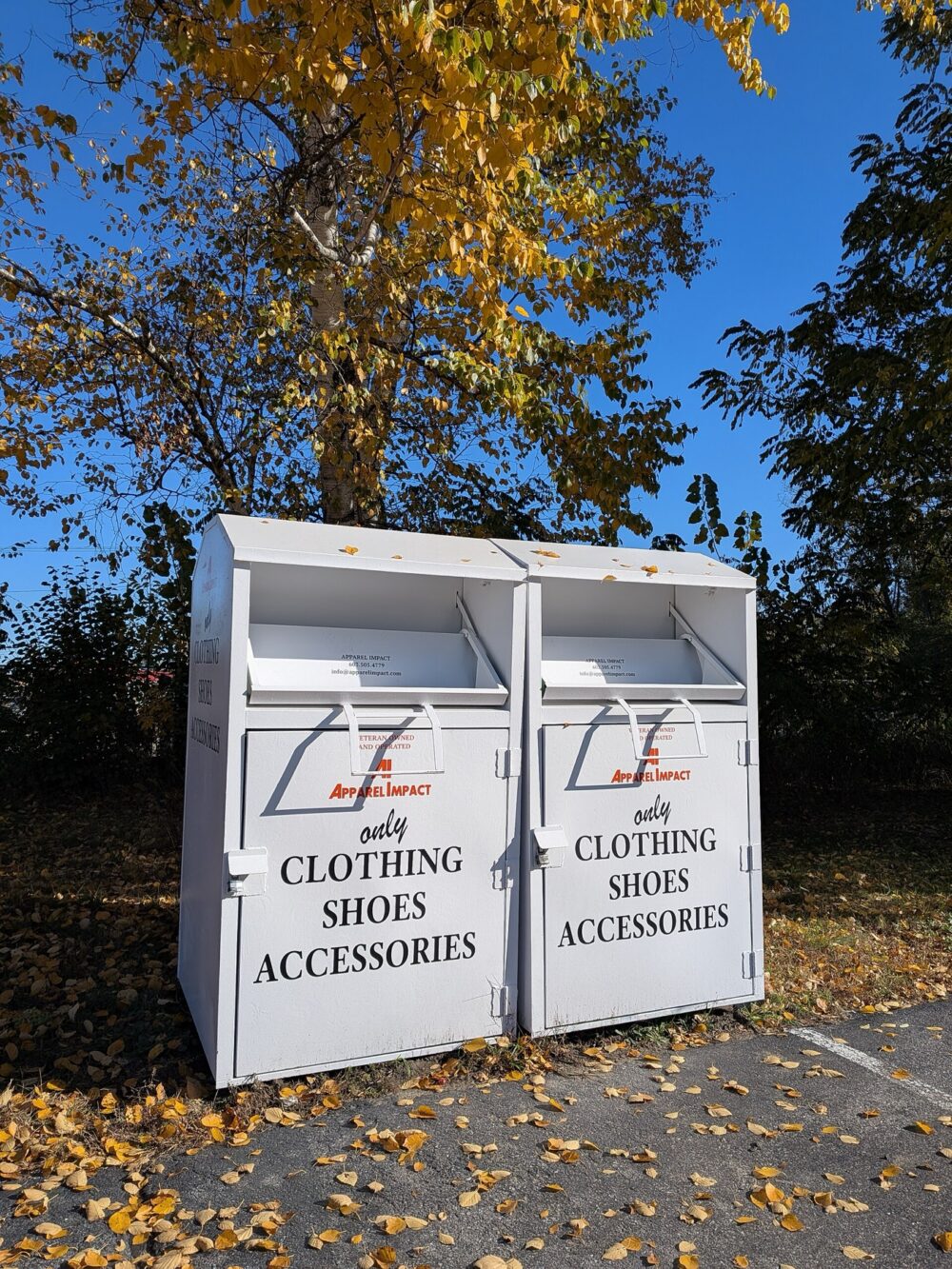
Recycled clothing and apparel are garments made from reclaimed fibers or textiles — like recycled polyester from bottles or recycled cotton from cutting waste — rather than virgin materials. For a US reseller, it’s realistic to source these pieces cross-border, including via marketplaces such as DHgate, but only if you treat “recycled” as a claim that needs proof: fiber content, process details, and consistency across repeat orders.
This guide focuses on how recycled apparel supply chains work, what to ask suppliers, and where DHgate fits versus other channels so you can decide if cross-border sourcing makes sense for your business.
How Recycled Clothing and Apparel Supply Chains Work for Wholesale Buyers
Recycled apparel isn’t just “used clothing.” You’re usually buying new garments whose fibers come from waste streams:
- Recycled polyester (rPET): Often made from post-consumer plastic bottles or industrial plastic waste.
- Recycled cotton: Commonly from textile cutting scraps or collected clothing that’s mechanically shredded.
- Other fibers: Recycled nylon, regenerated cellulosics, and blends.
Industry groups describe a fairly standard textile recycling chain: collection of used clothing or textile waste, sorting by fiber type and quality, then mechanical recycling (shredding and re-spinning) or chemical recycling (breaking polymers down and rebuilding fibers) before fabrics are knit or woven again.Recycled textiles overview
As a small buyer, you almost never buy from the recycler directly. Typical routes are:
- Wholesalers and converters that buy recycled fabrics and sew generic blanks (T-shirts, hoodies, leggings).
- Brand programs that run their own recycled collections and offer wholesale or white-label cooperation.
- Online marketplaces that list finished garments or fabric lots from many small and midsize factories.
A US reseller tapping cross-border supply is usually working with that last group: overseas factories or trading companies producing “recycled” garments at scale and listing them online.
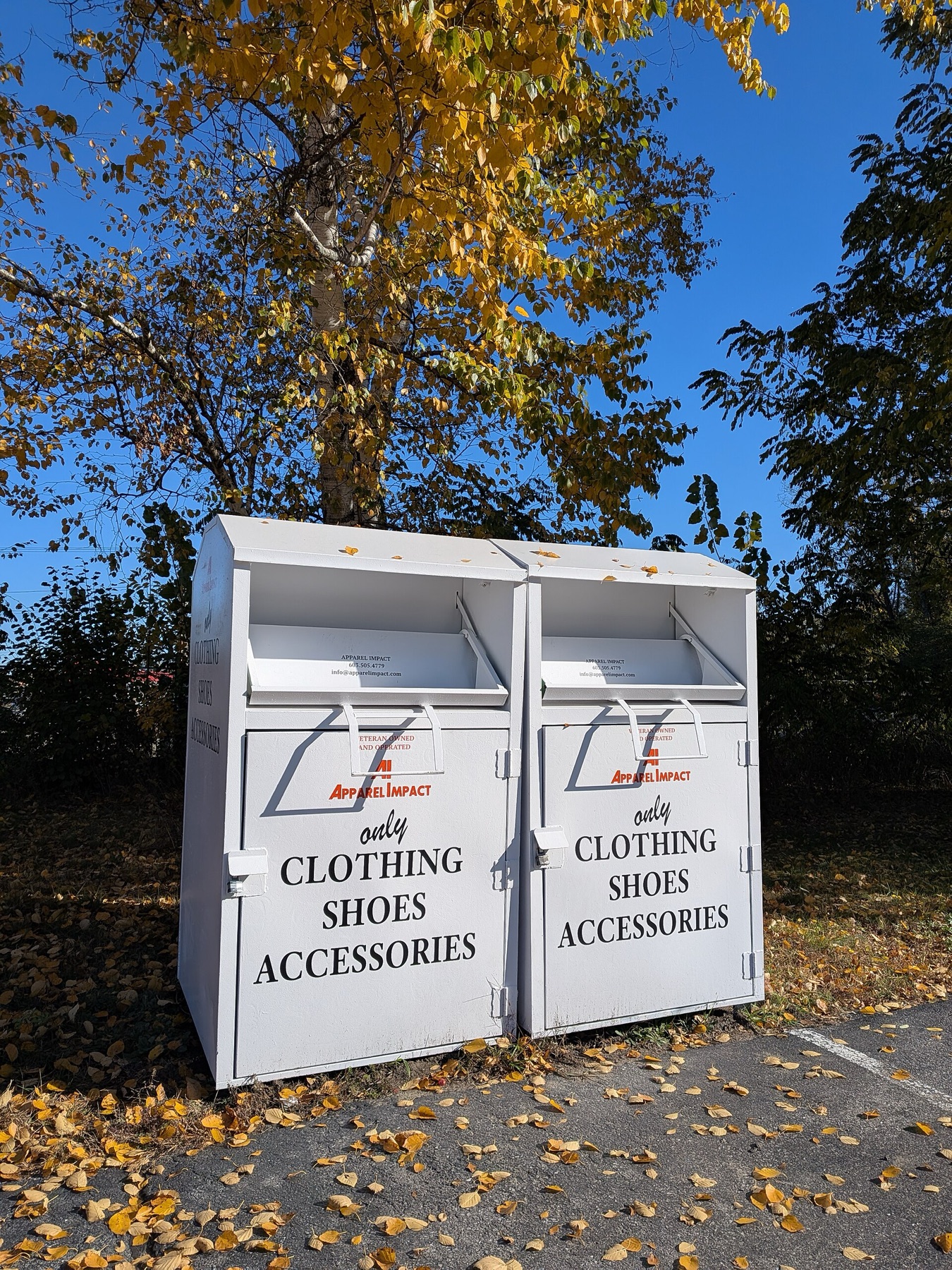
For your purchasing decisions, that means:
- You’re relying on supplier documentation and third-party standards rather than seeing the recycling process yourself.
- Fiber content and process can vary widely between suppliers, even if product titles sound similar.
- “Recycled” is a marketing hook that may or may not match real reclaimed fiber use.
Evaluating Recycled Apparel Suppliers and Structuring Orders
For recycled apparel, supplier selection is less about fancy branding and more about avoiding greenwashing and inconsistent lots.
What to demand from a “recycled” supplier
For any overseas supplier advertising recycled content, ask for:
- Precise fiber breakdown: e.g., “60% recycled polyester / 40% virgin cotton,” not just “eco-friendly.”
- Source description: Post-consumer bottles, cutting waste, or mixed textiles? Even a short explanation helps you sense realism.
- Process clarity: Mechanical vs chemical recycling if they know; many will at least identify a fabric mill.
- Proof of recycled input: This can range from mill invoices mentioning rPET yarn to recognized certifications.
Brands and mills working in this area often highlight certifications or verified supply chains, as you’ll see with recycled fabric specialists such as Waste2Wear. When a small factory can’t show anything beyond a logo in the product photos, treat “recycled” as unverified marketing.
Risk callout: if a supplier can’t provide fiber breakdown or any traceable link to recycled inputs, assume the garment is conventional until proven otherwise.
Sampling and quality control: a practical checklist
Before you commit to a big recycled run, structure a sample process tailored to your niche:
- Order multiple colorways or batches: Recycled fibers can vary slightly in feel and color; you want to see that variation.
- Wash and wear tests: Run at least a few wash cycles to check pilling, shrinkage, and print durability (if you’re branding).
- Fabric hand-feel comparison: If you’re used to virgin polyester or cotton blanks, compare side-by-side to spot roughness or thinness.
For a US online thrift-style shop selling new recycled basics, that might look like:
- Shortlist three overseas suppliers offering recycled-cotton tees.
- Order 3-5 samples from each in different colors and sizes.
- Test wash, measure pre- and post-wash dimensions, and note fabric softness.
- Only move on to a trial bulk order with the supplier whose samples match your retail positioning.
MOQs, costs, and how to avoid overcommitting
Minimum order quantities (MOQs) on recycled apparel can be higher than on generic polyester because mills and factories have to plan runs around recycled yarn supply. As a small buyer, you need to balance three pressures:
- MOQ vs. cash flow: Low MOQs let you test more SKUs; higher MOQs may unlock better per-unit pricing but increase risk.
- Fabric consistency: Very small runs sometimes use leftover recycled fabric, which can change between lots.
- Your audience: A sustainability-focused brand can justify higher per-unit costs; a discount reseller might not.
Structure orders in stages:
- Stage 1 – pre-production samples: Pay for finished garment samples before agreeing to MOQs.
- Stage 2 – test order: A modest bulk order focused on 1-2 core styles.
- Stage 3 – repeat order: Only scale once you’ve confirmed that repeat lots use the same fabric and construction.
On any marketplace, fold these into your negotiations by asking the supplier to clearly label which fabric lot or season each order will use.
Choosing a Sourcing Channel: DHgate, Other Marketplaces, and Alternatives
You have several ways to get recycled apparel into your catalog. Each channel trades off MOQ, customization, and how hard it is to verify sustainability.
DHgate as a recycled apparel sourcing option
DHgate is a China-based B2B marketplace that connects international buyers to hundreds of thousands of suppliers and tens of millions of products, including clothing, at wholesale prices.DHgate clothing sourcing context It’s primarily designed for small and midsize businesses that want access to Chinese goods without traveling to trade shows.
From DHgate’s own editorial material and broader marketplace patterns, two traits matter for recycled apparel testing:
- Generally lower MOQs than some wholesale platforms: Many DHgate sellers are open to smaller bulk orders, which can help you trial a recycled line without committing to huge quantities.
- Breadth of clothing suppliers: You’re likely to find multiple factories offering similar “recycled” claims, which is useful for A/B testing.
How to use DHgate realistically for recycled apparel:
- Search with specific terms like “recycled polyester leggings,” “recycled cotton T-shirt,” or “rPET activewear,” not just “eco clothing.”
- Compare several sellers’ fiber descriptions side by side; favor those that list detailed compositions over generic “environmental material” language.
- Read listing photos carefully for any visible labels or hangtags mentioning recycled content or standards, then ask the seller to clarify and document.
- Keep your first order small even if MOQs allow; use it as a fabric consistency test before you position the product as a core sustainable SKU.
For more DHgate-specific supplier selection tactics, you can dive deeper into choosing marketplace vendors in guides such as find wholesale suppliers on DHgate and find DHgate suppliers.
Comparing main channels for small US buyers
Here’s a qualitative look at how DHgate and a few common alternatives stack up for recycled apparel sourcing:
| Channel | Typical buyer fit | MOQs & flexibility (editorial view) | Sustainability verification difficulty |
|---|---|---|---|
| DHgate | Small online shops, boutiques | Often lower than large B2B platforms; good for tests | Medium–high: depends on seller docs |
| Alibaba | Growing brands, larger resellers | Often higher; many factories expect bigger runs | Medium: more factories, some audited |
| Made-in-China | Buyers needing customization | Aimed at larger, more customized orders | Medium: often more industrial focus |
| Domestic used/recycled sources | Thrift/resale, local eco boutiques | Highly variable by supplier; often small lots | Lower for “used,” medium for new recycled |
This table is editorial, not a ranking. Individual suppliers can be outliers in any channel.
Scenario callouts: where each route makes sense
- Small activewear brand testing recycled polyester leggings: Start with DHgate or Alibaba to compare multiple factories’ rPET leggings. Use lower-MOQ sellers to run 50-100 piece test orders, then move your main production to the supplier that proves consistent in fabric and fit.
- Online thrift-style store wanting a small “new recycled basics” section: DHgate’s lower-typical MOQs can help you add a few recycled tees or hoodies alongside used inventory without overcommitting. Keep these SKUs limited until you’ve confirmed customer appetite and supplier reliability.
- Highly sustainability-focused boutique: You may want to lean harder on domestic recycled brands or mills that offer stronger documentation and certifications, using marketplaces mainly for supplementary stock where claims are easier to verify.
If you find that every overseas supplier you talk to is vague about recycled inputs, that’s a clear sign to pause cross-border sourcing for this category and focus on domestic, better-documented recycled options until you can find more credible partners.
Pulling it together for your first recycled apparel order
For a US reseller, recycled clothing is viable as long as you treat “recycled” as a specification to audit, not a buzzword to trust.
Make your decision by asking:
- Can this supplier explain and document its recycled fibers in a way you’d feel comfortable explaining to customers?
- Do sample garments match your quality expectations after real-world use?
- Does the channel (DHgate, Alibaba, domestic suppliers) let you test and repeat orders at a scale your cash flow can handle?
Before choosing a DHgate supplier, use Choose a DHgate wholesale supplier.
If the answer is yes across those three, you’re ready to move from experimentation to a repeatable, traceable recycled apparel line.