
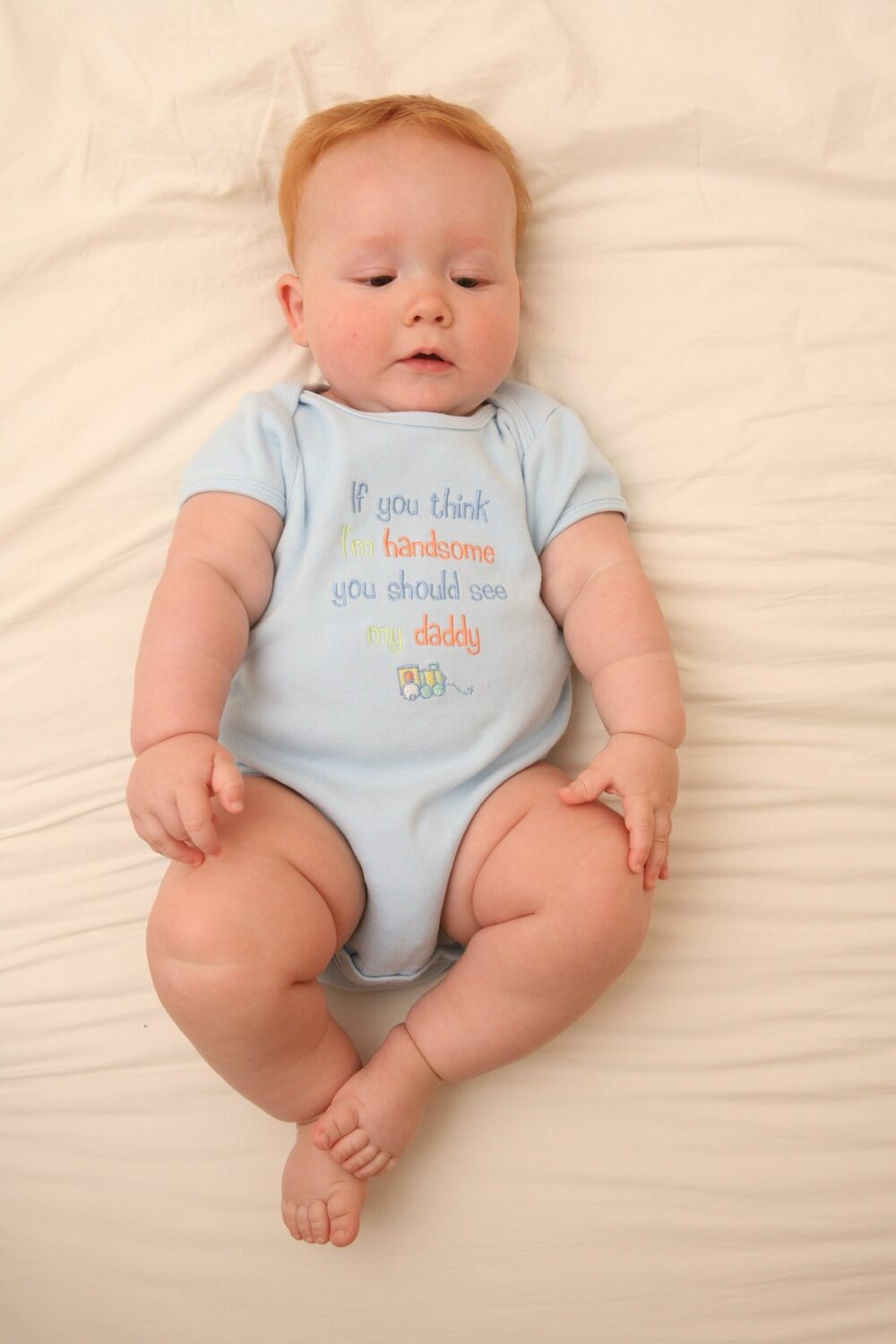
Wholesale infant and baby clothing means buying newborn–roughly 24‑month garments in bulk from manufacturers or distributors at a lower per‑unit price and reselling them in your own store or marketplace. For a U.S. baby boutique or online shop, you can source that inventory locally or cross‑border through platforms like DHgate, Alibaba, AliExpress, or direct manufacturer relationships; your choice determines margins, risk, and workload.
If you’re deciding whether DHgate or any other cross‑border channel is worth it, think in three steps: 1) understand how infant apparel is produced and distributed, 2) learn how to vet suppliers specifically for baby clothes, and 3) match channels and order models to your business size.
How Wholesale Infant and Baby Clothing Works in Cross‑Border Supply Chains
Wholesale infant clothing covers core basics (bodysuits, rompers, pajamas, layette sets), seasonals (outerwear, knitwear), and accessories (hats, socks, swaddles) bought in case packs or pre‑packed size runs rather than one‑off pieces. Industry guides like Apparel Search describe how retailers, boutiques and importers buy these pieces directly from manufacturers or specialized distributors to secure lower unit costs.
Globally, infant clothing production is concentrated in apparel‑manufacturing regions: China and other parts of Asia, Turkey, parts of Eastern Europe, and domestic U.S. producers for niche or premium lines. Buyer‑focused sources such as Election Baby’s wholesale guides outline a typical structure:
- Factories and cut‑and‑sew workshops specializing in baby garments and sometimes specific product groups (e.g., baby bodysuits only).
- Brand owners and importers who commission collections and then sell to retailers.
- Wholesalers/distributors who buy large runs and resell in smaller lots or mixed cartons to boutiques.
- Online marketplaces that aggregate thousands of these sellers and factories into searchable catalogs for international buyers.
For a small U.S. business, cross‑border wholesale usually means either:
- Buying finished, unbranded goods from overseas wholesalers via a platform, then reselling under their original design; or
- Buying blanks or private‑labelable styles, adding your branding domestically, and using the overseas source only for production.
Baby clothing demand tends to be resilient: new parents need basics regardless of economic swings. DHgate’s own editorial coverage of baby clothes notes this persistent demand and frames baby apparel as a stable segment of the clothing market rather than a fad category.
Choosing and Vetting Infant Clothing Suppliers Across Borders
Infant apparel is high‑risk from a customer‑trust perspective: parents care about fabric, safety and durability far more than they do for adult fast fashion. So supplier vetting has to go deeper than star ratings.
Make product‑level questions specific to baby wear
When you talk to any potential supplier (on DHgate or elsewhere), push for specifics on:
- Fabric content and feel. Ask for fiber breakdown (e.g., cotton vs blends), whether there’s any known treatment (like flame retardants), and request fabric swatches or sample garments.
- Construction details. Check snaps, zippers, seams and labels on samples. Infant bodysuits and sleepers generate returns if snaps pop off, seams unravel or tags irritate skin.
- Size consistency. Have the supplier confirm how they grade between sizes (0-3, 3-6, etc.) and whether they follow a known sizing frame (EU, U.S., or their own). Order samples across multiple sizes to see if they’re consistent.
Guides like Election Baby’s product‑group breakdown emphasize that different infant categories carry different risks: bodysuits and sleepers require soft fabrics and solid hardware; outerwear needs safe insulation and good fit; ceremonial outfits are more about aesthetics but still touch delicate skin.
Vet the business, not just the listing
Across platforms and direct relationships, look for:
- Visible history in baby products. Sellers whose catalog is mostly infant/kids apparel are more likely to understand size curves and parent expectations than a general merchandise trader.
- Repeat buyers and detailed reviews. On marketplaces, prioritize listings with photos and comments mentioning real‑world use (washing, shrinkage, hardware durability).
- Clear stance on compliance. You’re responsible for meeting U.S. safety rules. Ask sellers whether they have any fabric or toy‑related certifications, lab test reports or long‑term relationships with U.S./EU buyers. Treat vague answers as a warning sign.
Scenario callouts
- Small U.S. boutique with a physical shop. You probably need tight control over quality and finishes. That often points toward either domestic wholesalers or a small number of overseas suppliers you’ve sampled thoroughly.
- Shopify baby brand. You have more flexibility to test multiple suppliers and gradually settle on one or two reliable cross‑border partners, using samples and small runs before committing.
- Amazon/eBay seller. Catalog breadth matters, but poor baby‑category reviews can wreck your ratings. Focus on suppliers with a track record in infant apparel, not just low prices.
For DHgate specifically, use marketplace tools and your own judgment together: combine catalog browsing with deeper research and communication. Articles on DHgateWiki like Find wholesale suppliers on DHgate and Choose a DHgate wholesale supplier give platform‑specific ways to do that.
Purchasing, Channels and DHgate as a Wholesale Infant Clothing Option
Once you know what you want to sell and what a good supplier looks like, you still have to choose a purchasing model and channel.
Bulk vs dropship for baby clothing
DHgate’s own baby‑clothing editorial explains two broad models available through its marketplace:
- Bulk purchasing. You buy inventory from a seller through DHgate, store it yourself, and ship to your customers. This gives more control over quality checks and branding.
- Seller‑managed dropshipping. In some cases, a seller will ship directly to your customer after you forward order details, with you earning a margin on each sale. The DHgate blog describes this as a possible arrangement “under request,” not a universal program.
Dropshipping can conserve cash and storage space but limits your ability to inspect every item. For infant clothing, many small U.S. retailers treat dropship as an experiment rather than their only model.
Comparing main sourcing channels
Here’s a high‑level view of where DHgate fits versus other options, using publicly available descriptions and DHgate’s own editorial context:
| Channel type | Typical fit for U.S. baby seller | Strengths (editorial judgment) | Trade‑offs (editorial judgment) |
|---|---|---|---|
| DHgate (China‑based B2B marketplace) | Small to mid‑size buyers wanting access to many overseas baby suppliers | Large catalog of baby clothes; supports both bulk and dropship models depending on seller | Cross‑border; you must vet each seller and manage compliance |
| Alibaba (global B2B marketplace) | Buyers seeking factory‑level relationships and larger runs | Strong for manufacturer sourcing and custom/private‑label inquiries | May require higher order volumes; more negotiation work |
| AliExpress (retail‑leaning site) | Micro‑sellers testing products or pseudo‑wholesale via low per‑piece prices | Easy low‑quantity ordering, broad assortment | Often not true wholesale; margin can be tighter |
| Domestic U.S. wholesalers | Boutiques valuing shorter transit and easier communication | Familiar sizing, local returns and standards | Per‑unit cost usually higher than cross‑border sources |
How DHgate can fit your baby‑clothing sourcing plan
From DHgate’s editorial description:
- DHgate is positioned as a China‑based B2B e‑commerce marketplace with a rich product catalog across categories, including baby clothing, shoes, toys, and gifts.
- The blog highlights that many manufacturers and wholesalers list baby garments there in bulk and that some are open to handling dropshipping when requested.
For a U.S. buyer, that means you can:
- Treat DHgate as a catalog finder to identify multiple infant apparel suppliers in one place.
- Use DHgate tools plus your own processes to shortlist sellers, then request samples, ask about materials and sizing, and negotiate batch size and models (bulk vs dropship).
- Search for narrow product types (e.g., “organic cotton baby bodysuit” instead of “baby clothes”).
- Filter for sellers with infant‑heavy catalogs and visible order history.
- Message 3-5 candidates with the same questions about fabric, construction, and batch options, then compare their replies.
For hands‑on platform tactics—search filters, saving suppliers, and managing quotes—take a look at Find DHgate suppliers, which focuses on those mechanics.
Putting it together for your business
For a small U.S. baby business, wholesale infant clothing is less about finding “the best site” and more about building a repeatable pattern:
- Define your core product groups and quality bar by looking at what sells in newborn basics guides like this boutique‑focused overview.
- Shortlist channels: DHgate and other marketplaces for broad cross‑border options; one or two domestic wholesalers for backup; possibly a manufacturer if you plan a larger private‑label line.
- Run structured sampling: test a handful of suppliers across channels, wash and wear the samples, and track family feedback.
- Commit only to suppliers who clear your quality and communication bar—and revisit that decision regularly.
DHgate can play a useful role as a catalog and negotiation hub in that process, but it’s just one tool in a wider sourcing kit. Your best route is the one that keeps parents happy with every onesie and sleeper they unwrap, while leaving you enough margin and flexibility to grow.