
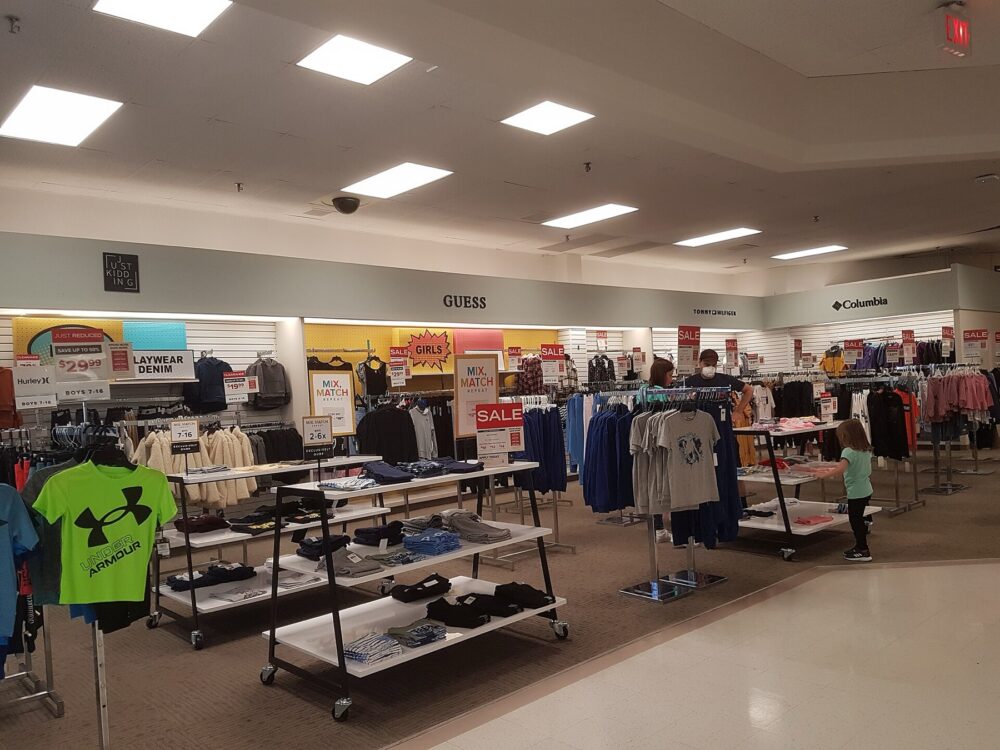
Wholesale kids and children’s clothing means buying age‑specific apparel in bulk — dresses, tops, pants, outerwear and more — from manufacturers or distributors at discounted prices so you can resell it in your store or online shop. As a US buyer, you can source that inventory through domestic wholesalers, branded distributors, or cross‑border marketplaces. DHgate is one of those marketplaces, connecting you with many kidswear suppliers in China and beyond, but you still need to decide if its MOQs, communication style and risk profile fit your business better than US‑based options.
This guide is written for small US boutiques and ecommerce brands that need practical, low‑risk ways to stock kids’ clothing — not just the cheapest way to buy a random bundle of tees.
How Wholesale Kids and Children’s Clothing Supply Works
Wholesale kids clothing runs on the same basic model as adult apparel, but with extra complexity around sizes, growth and safety. Wholesale here means you’re buying children’s apparel in bulk from a manufacturer or distributor at a discount, with the goal of reselling it at retail prices to parents, gift buyers, or schools. Sources like WCD Wholesale and Faire’s kids apparel hub describe typical kidswear categories: size‑runs of dresses, shirts, pants, shorts, sleepwear and outerwear.
The supply chain usually looks like this:
- Manufacturer – Often in major textile hubs (China, South Asia, sometimes the US or Mexico). Produces age‑graded garments to spec.
- Distributor/wholesaler – Buys large quantities from manufacturers, breaks them into lots or packs, and sells size‑runs to retailers.
- Marketplace or platform – Sites like DHgate, Alibaba or Made‑in‑China list many manufacturers and distributors and let you buy direct without going through a traditional US importer.
- Retailer/ecommerce brand (you) – Chooses size runs and styles, holds inventory or uses a dropship‑style setup, and sells to consumers.
For a small US shop, you’ll rarely go straight to a big factory for kidswear unless you’re placing significant custom orders. More often you’ll either:
- Buy from US‑based wholesalers/distributors (including trade‑show contacts and B2B platforms like Faire for branded kidswear), or
- Use cross‑border marketplaces like DHgate to access overseas manufacturers and wholesalers that accept smaller orders.
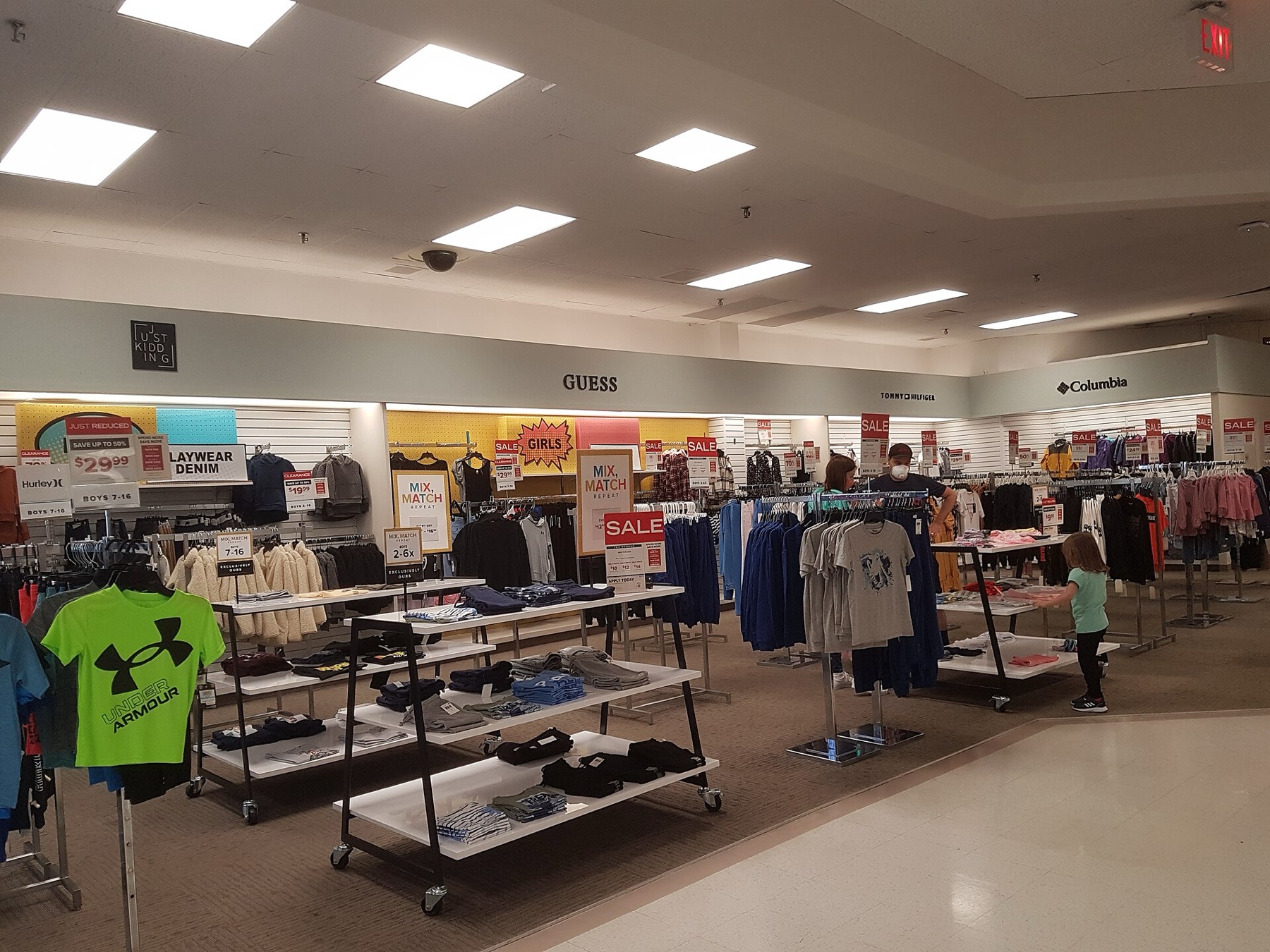
The key for kidswear is that you’re not just buying “shirts” — you’re buying age ranges and size curves that need to track how kids grow, plus materials that won’t irritate skin or fail basic expectations for comfort.
Evaluating Kidswear Suppliers and Channels (Domestic vs Cross-Border)
Choosing where to buy kids clothing wholesale is really a channel decision: do you favor speed and simplicity, or broader choice and potentially lower unit costs? Then you pick specific suppliers inside that channel.
How to vet any kidswear supplier
For children’s clothing, generic “check reviews” isn’t enough. You need evidence that this supplier understands kidswear specifically:
- Size runs and measurements – Ask for a size chart in inches/centimeters for each style (chest, length, waist, inseam) and which age group it targets.
- Fabric and construction – Request fabric composition (e.g., 95% cotton, 5% elastane), photos of seams, snaps/zippers, and any test reports they’re willing to share.
- Consistency across batches – For cross‑border suppliers, ask whether repeat orders use the same factory and materials or if they change depending on availability.
- Order history and clientele – Without naming customers, can they describe similar clients (boutiques, online shops) they supply kidswear to?
A simple outreach script for first contact:
“I run a US‑based kidswear shop focused on [ages/styles]. I’m looking for [product types] in sizes [range]. Could you share your size charts, fabric composition, minimum order quantity per style, and typical lead time to ship to the US? Do you have repeat US buyers for these items?”
If the answers are vague or slow, treat that as a red flag, especially with children’s products.
Channel strengths and weaknesses
Here’s a grounded comparison of common channels for wholesale kids clothing:
| Channel type | Typical strengths (editorial judgment) | Typical weaknesses (editorial judgment) |
|---|---|---|
| US kidswear wholesalers | Faster shipping, easier returns, clearer sizing for US market, branded options | Higher unit prices, less variety in unbranded basics, stricter MOQs |
| B2B platforms like Faire | Curated brands, small‑shop friendly terms, packs sized for boutiques | Brand‑led assortments, limited ultra‑cheap basics |
| China marketplaces (Cross-border multi-seller etc.) | Large variety, access to manufacturers and low‑priced basics, lower MOQs (Cross-border multi-seller blog describes Cross-border multi-seller as relatively low‑MOQ) | Longer shipping, communication hurdles, more work to verify sizing & quality |
| Direct factory relationships | Best control over specs, potential long‑term cost efficiency | Requires bigger orders, more complex logistics and compliance |
DHgate’s own editorial blog describes it as a marketplace with millions of products and over a million suppliers, aimed at small and medium importers and emphasizing that minimum order quantities on DHgate tend to be lower than some sites like Alibaba or Global Sources. That makes it attractive if you’re testing kidswear with limited capital, but it also means you’ll be dealing with many individual sellers — each with its own sizing, fabric choices and communication style.
If you decide to explore DHgate or similar marketplaces, combine that with DHgateWiki’s seller‑focused guides like finding wholesale suppliers on DHgate, finding DHgate suppliers, and choosing a DHgate wholesale supplier for more listing‑level checks.
MOQ, Pricing, Logistics and When DHgate Makes Sense
MOQs and pricing structures
Domestic wholesalers often sell kidswear in packs — for example, one style in a full size run (say, 2T–6) with a fixed number of units per size. That simplifies buying but locks you into larger commitments per style.
DHgate’s blog positions its marketplace as friendly to smaller buyers, with lower MOQs compared with some other China‑sourcing platforms and a “rich product catalogue” for baby and kids clothes. In practice, that usually translates to:
- Some suppliers willing to sell dozens instead of hundreds of pieces per style.
- More flexibility to mix colors and sizes inside a lot, depending on the seller.
- “What is your MOQ per size and per design?”
- “Can I mix sizes within that MOQ?”
- “Are sample orders at a smaller quantity possible, and at what price?”
Use total landed cost (unit price + shipping + any import duties or broker fees) as your comparison metric against domestic options.
Logistics and business models for small kidswear brands
DHgate’s editorial guide to wholesale baby clothes describes two broad ways small shops work with its suppliers:
- Buying inventory in bulk – You purchase a batch of baby or kids clothes, hold it in your own warehouse or stock room, then ship to customers yourself.
- Dropshipping‑style relationships – In a described model, some suppliers handle inventory and ship directly to your end customer when you pass along the order details.
The blog is clear these are conceptual models; not every DHgate seller offers dropshipping, and specifics vary. Before you rely on a dropship‑like setup for kidswear, ask a seller directly:
- “Do you offer direct shipment to my customers under my store name?”
- “Which countries can you ship to, and how do you handle damaged or mis‑sized items?”
For bulk buying, especially cross‑border, build in:
- Extra lead time to receive inventory before a season or promotion.
- A sampling step: order a small batch first to verify sizing, fabric feel, and packaging.
When DHgate is a good fit — and when it isn’t
DHgate is usually a better fit for a US kidswear business when:
- You want low‑priced basics (tees, leggings, simple dresses) to complement higher‑end domestic brands.
- You’re testing a new niche or design and can’t commit to large MOQs from a factory or US wholesaler yet.
It’s often not the best fit when:
- Your brand promise centers on US‑made or certified organic kidswear with stringent safety and traceability expectations.
- You need very fast replenishment (days, not weeks) for bestsellers.
- You want strong co‑branding or marketing support from well‑known kidswear labels, which US distributors or platforms like Faire are better positioned to provide.
Used thoughtfully — and paired with strict supplier checks — DHgate can be one useful sourcing tool in a mixed strategy that includes domestic wholesalers and curated B2B platforms. Your goal should be to use its variety and lower MOQs to test and expand your assortment, while relying on closer‑to‑home channels for your most critical, brand‑defining kidswear lines.