
Lululemon does not run open wholesale and it doesn’t own factories you can just call for “Lululemon by the pallet.” The brand designs in-house, then relies on a global network of independent manufacturers and tightly controls how finished goods move into retail. For a small US reseller, that means authentic Lululemon usually only surfaces through liquidation or secondary channels, and those streams are messy and high-risk. If you want lower-risk inventory, you’re often better off selling either verified liquidation from reputable liquidators or non-branded, Lululemon-style activewear sourced from cross-border marketplaces like DHgate, where the focus is on look, fabric and fit, not the logo.
How Lululemon’s Supply Chain Actually Works
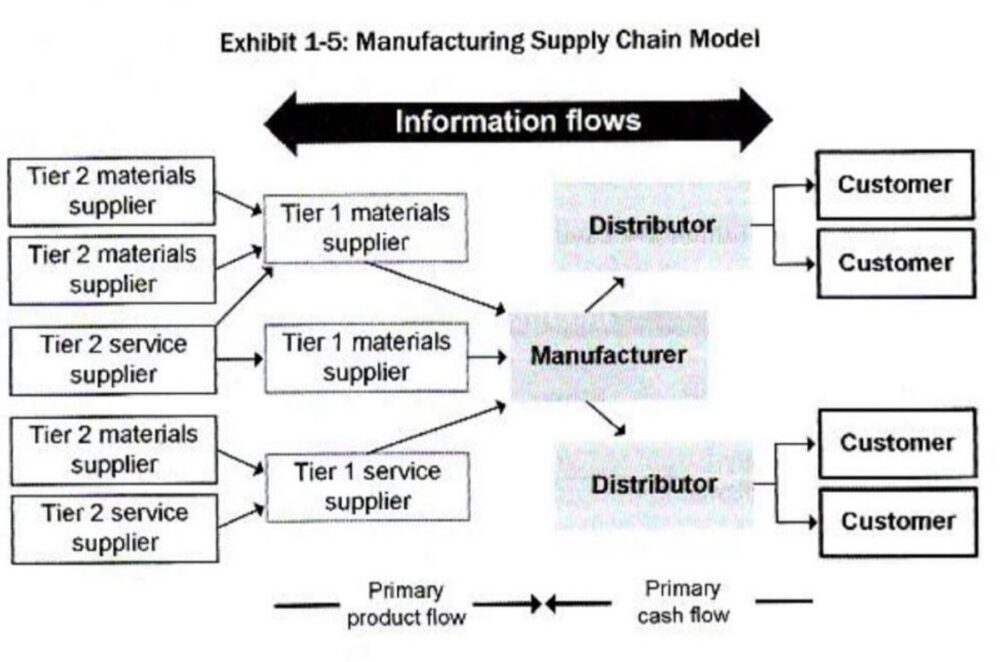
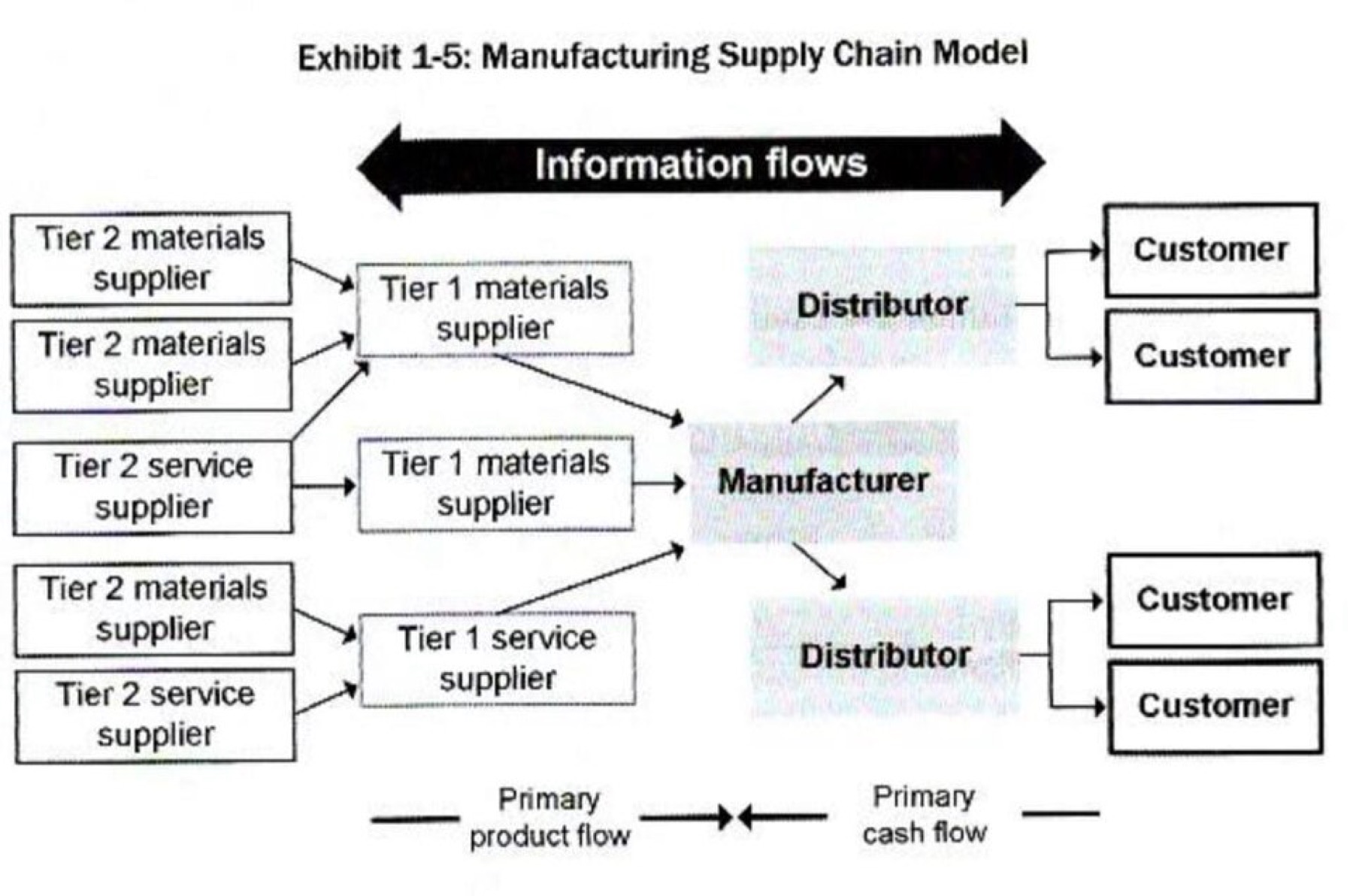
Lululemon operates what it describes as a globally distributed, outsourced manufacturing model. In plain terms: it does not own manufacturing facilities. Instead, it contracts with multiple independent suppliers across several countries, and many of those factories produce for more than one brand at a time.Lululemon supply chain wellbeing overview
From Lululemon’s own reporting, the company puts real emphasis on “supply chain wellbeing”—formal supplier programs and standards around labor and environmental practices, and remediation processes when issues are found.Lululemon supply chain wellbeing overview This doesn’t change your buying options directly, but it explains why the brand keeps a tight grip on who can make its products and how they move.
Inventory generally flows like this:
| Stage | Who controls it | What happens |
|---|---|---|
| Design & materials | Lululemon | Product design, fabric specs, and performance goals are set. |
| Manufacturing | Independent suppliers | Multi-country factories produce according to Lululemon standards. |
| Branded distribution | Lululemon & selected partners | Finished goods are shipped into company stores, DTC channels, and limited retail partners. |
| Secondary market | Retailers & liquidators | Returns and overstock may enter liquidation streams as mixed apparel pallets. |
Because manufacturing is outsourced and branded distribution is centralized, you don’t get classic “factory-direct” pallets of Lululemon. Authentic stock that reaches the secondary market tends to be:
- Retailer returns or overstock liquidated through third-party companies.
- Damaged/irregular goods moved out of the brand’s main channels.
That backdrop is why most “Lululemon wholesale” pitches you see on social or in DMs feel opaque: they’re not coming from Lululemon, they’re coming from people trying to tap into these downstream flows—sometimes legitimately, sometimes not.
Realistic Ways to Source Lululemon or Lululemon-Style Stock
You realistically have three paths:
- Authentic Lululemon liquidation pallets
- Dupes / grey-channel “Lululemon” lots
- Generic performancewear with a Lululemon-style value prop
Here’s how they differ and what to look for.
1. Authentic liquidation pallets
Clothing liquidation pallets are typically mixed returns or overstock, sold by liquidators rather than the original brand. A pallet might hold hundreds of garments spanning sizes, genders, and seasons.How to buy clothing pallets wholesale – realistic guide versus “factory direct”? The latter is a red flag for a brand like Lululemon.
- Manifest detail: Ask for a manifest with approximate brand mix, estimated % Lululemon, grades (A/B/C), and photos of actual pallets—not only marketing shots.
- Paper trail: Reputable liquidators can explain how they obtain their loads (contracts, regular auctions). Vague “we have a contact at Lululemon” claims are common scam language.
- Return condition: Expect a meaningful share of flawed, worn, or non-resellable units. A significant portion of clothing returns in mixed pallets may be low-value or trash; treat any better outcome as upside.
This route can work if you have space to sort, time to list one-off SKUs, and a customer base that accepts outlet-style variety. It is a poor fit if you need consistent, replenishable sizes/colors.
2. Dupes and grey-channel “Lululemon” stock
The second bucket includes sellers offering “Lululemon” or “Lulu” lots at prices that don’t match normal wholesale math, often with loose claims about factory overrun or “midnight shift” production. Given Lululemon’s tight supplier standards and lack of owned factories, these stories are, at best, unverifiable, and at worst, fully counterfeit.
Risks here are high:
- Brand-rights exposure: Reselling items that use Lululemon’s trademarks without clear chain-of-custody can put you in the crosshairs for takedowns or worse.
- Platform account risk: Marketplaces like eBay, Poshmark, Amazon, and TikTok Shop are aggressive about counterfeit enforcement.
This is the one path where the risk generally outweighs the upside for small sellers. If you can’t document how goods left a legitimate retail channel, assume the risk is too high.
3. Generic or Lululemon-style activewear
The third path is selling non-branded activewear that competes on comfort, fabric, and fit rather than logo. Here you’re looking for high-quality leggings, bras, and tops that feel like popular Lululemon lines but carry no brand marks.
These products can come from:
- Cross-border B2B marketplaces (DHgate, Alibaba, Made-in-China).
- Domestic wholesalers specializing in private-label activewear.
Your focus shifts from authenticity to performance:
- Fabric composition (nylon/spandex blends vs cheaper polyester).
- GSM/thickness and opacity for squat-proof leggings.
- Construction details: gussets, flatlock seams, high-rise waistbands.
Because you’re not touching Lululemon’s brand IP, this route is far safer legally and easier to replenish if you find a good supplier.
Cross-Border Marketplaces and DHgate as an Activewear Source
For non-branded or Lululemon-style activewear, cross-border marketplaces let you tap into the same manufacturing regions that big brands use, but under generic or private-label programs.
Here’s how to use a marketplace like DHgate effectively for Lululemon-style activewear, without drifting into counterfeit territory.
1. Search and filter by product, not brand
Stay away from listings that use “Lululemon” or obvious logo imagery. Instead, search for terms like:
- “high-waist yoga leggings”
- “buttery soft athletic leggings”
- “seamless sports bra set”
Then narrow by fabric (nylon/spandex), color ranges, and size runs that match your customer base.
For deeper supplier vetting and communication tactics on DHgate, see:
2. Understand MOQ, tiers, and landed cost
Most cross-border suppliers set an MOQ, but DHgate’s own blog characterizes the platform as allowing relatively small orders and using tiered pricing—buy more, pay less per unit.Where to buy cheap wholesale products online – DHgate section You still need to build your own cost model.
A simple landed-cost example for a small test batch of generic leggings (numbers are for planning only, not quotes):
| Component | Amount (example) | Notes |
|---|---|---|
| Product cost | $390 | 60 units × $6.50 hypothetical unit cost |
| Shipping & handling | $80 | International shipping plus surcharges |
| Duties/fees | $45 | Depends on HS code & declared value |
| Total landed cost | $515 | Before domestic fulfillment |
| Cost per unit | $8.58 | $515 ÷ 60 |
If your target resale is $24–$30 for high-quality leggings, you have room for marketplace fees, packaging, and some discounting. If your realistic resale price for your audience is closer to $15, this math may not work and you’d adjust MOQ, fabric spec, or sourcing channel.
Treat the specific dollar figures above as a planning exercise only; your actual quotes, ship methods, and duty rates will vary.
3. Plan for repeat orders and quality consistency
For Lululemon-style activewear, your brand lives or dies on consistency. Before you commit to a larger production run:
- Order samples in multiple sizes and colors and test wash cycles, opacity, and fit.
- Ask how the supplier manages fabric sourcing and whether they tend to change fabric lots or constructions between runs.
- Write down your expected specs (fabric blend, approximate thickness, waistband rise) in your own documentation so you can compare future batches against what you originally approved.
If a supplier’s answers around repeatability and timelines stay vague, treat them as a short-term sourcing experiment rather than the core of your activewear line.
Choosing Your Path as a Small Reseller
Putting it together:
- If your strategy relies on brand cachet and you have warehouse capacity, authentic liquidation pallets can be worth exploring—but only through transparent, contract-backed liquidators and with a harsh view of condition risk.
- If you’re tempted by ultra-cheap “Lululemon” lots with vague origin stories, the brand-rights and counterfeit risk is usually prohibitive.
- If you care more about fit, fabric and margin than logo, generic or private-label activewear sourced from cross-border marketplaces and domestic wholesalers is often the most sustainable lane.
Understanding how Lululemon actually manufactures—outsourced, multi-country, tightly governed suppliers—helps you see why true wholesale access is rare and why so much “Lululemon wholesale” marketing feels off. Use that context to steer toward sourcing strategies that match your risk tolerance and keep your business on solid ground.