
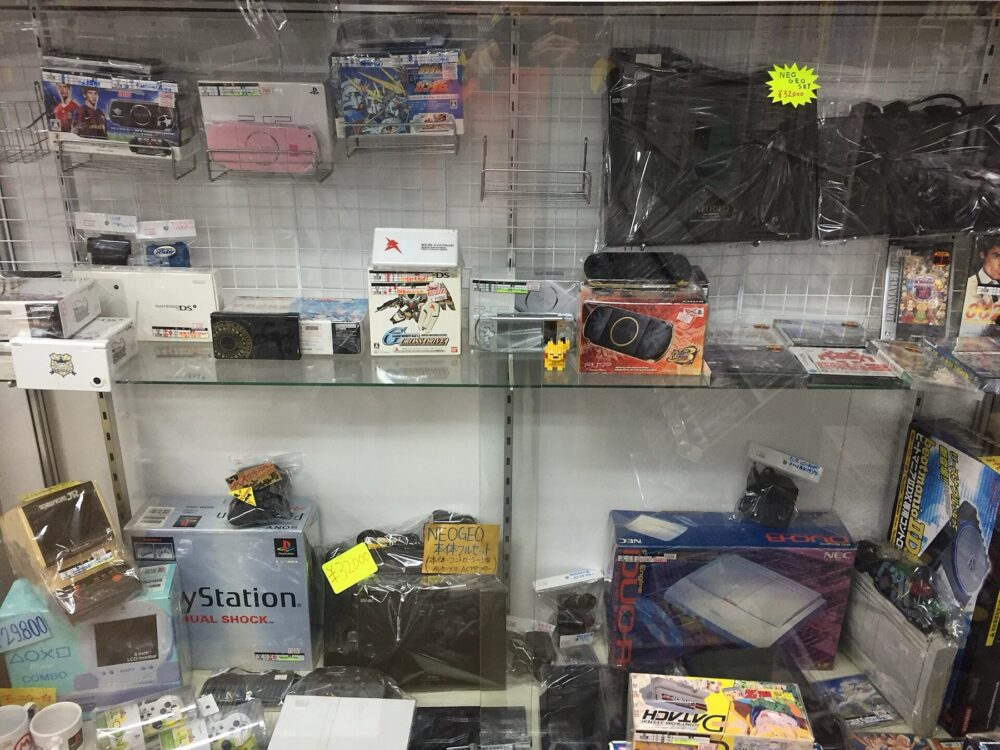
Wholesale gaming consoles and accessories means buying consoles, controllers, headsets, and related hardware in bulk at discounted prices, then reselling them through your store or online. For a small US business, this usually means choosing between brand‑focused distributors like Titan, Buhotec or Click Entertainment, and cross‑border marketplaces such as DHgate where many different suppliers list stock. The right channel depends on whether you’re chasing brand‑new PlayStation/Xbox/Nintendo consoles, lower‑risk generic accessories, or a mix.
Below, we’ll look at how this wholesale segment works, how to vet overseas suppliers, and where DHgate realistically fits alongside traditional distributors and other B2B platforms.
How Wholesale Gaming Consoles and Accessories Work
In wholesale, you’re not just buying “a PS5 and a couple of controllers.” You’re buying cases or pallets of hardware to resell. Typical categories include:
- Brand consoles (PlayStation, Xbox, Nintendo and handhelds)
- First‑party controllers and headsets
- Third‑party gamepads, charging docks, cables, stands and cases
Companies like Titan Technology Distribution, Buhotec and Click Entertainment act as gaming distributors. Their assortments span consoles, games and accessories, particularly for big brands such as PlayStation, Xbox and Nintendo. They sit in the “official” or semi‑official part of the supply chain, often buying from brand channels and reselling to retailers.
Marketplaces like DHgate, by contrast, connect you directly with many separate suppliers in China and other manufacturing hubs. According to DHgate’s own editorial content, the platform lists tens of millions of products and hundreds of thousands of suppliers globally, and positions itself as a B2B marketplace where you can buy one unit or bulk quantities with volume discounts.
For your planning:
- Consoles behave like high‑ticket, high‑risk items. Price swings track global demand, and counterfeit or grey‑market risk is high if you leave authorized channels.
- Accessories behave like margin fillers. They’re cheaper, less regulated, and manufacturing is fragmented, so cross‑border sourcing can make sense if you manage quality.
Most small US resellers end up combining channels: authorized or US/EU distributor supply for consoles, plus cross‑border marketplace or OEM supply for cables, stands, third‑party controllers or generic headsets.
Selecting and Vetting Cross‑Border Console and Accessory Suppliers
Sourcing consoles or accessories cross‑border is less about finding “the cheapest listing” and more about proving that a supplier is real, reliable, and selling what you think you’re buying.
Focus on consoles vs accessories separately
Treat brand consoles as a different risk class than accessories:
- For brand consoles, prioritize distributors that clearly position themselves as wholesale gaming providers (like Titan, Buhotec or Click). Look for clear console model lists, region information, and an established corporate website rather than just marketplace profiles.
- For generic accessories, you have more flexibility to use DHgate or similar marketplaces, but you still need to verify factory competence and consistency.
Concrete verification signals for overseas suppliers
When you evaluate a supplier on a marketplace or via email, you’re trying to answer three questions: who are they, what do they actually make/sell, and can they deliver repeatedly?
Specific signals to look for:
- Product focus: Does their catalog center on gaming hardware, or are consoles one random SKU among shoes and kitchenware? Distributors like Titan and Buhotec have dedicated gaming sections; marketplace sellers should show a similarly coherent focus if they claim expertise.
- Business footprint: Check for a business website, company name that matches their marketplace profile, and a physical address that makes sense for electronics (for example, Guangdong manufacturing hubs for accessories, EU hubs for distribution).
- Listing detail: Genuine suppliers usually list model names, compatibility (e.g., “for PS5 / PS4”), and basic specs (cable length, materials, wireless protocols). Thin listings with vague “game controller” wording and stock photos are a red flag.
Use samples and small test orders for accessories
For accessories, DHgate’s blog recommends requesting samples and starting with smaller orders before committing to large quantities. That’s especially useful for items like third‑party controllers, headsets, or charging docks where:
- Build quality, plastics, and firmware can vary dramatically between factories.
- You may need to test compatibility with specific consoles or PCs.
Practically, that looks like:
- Shortlisting 2-3 suppliers whose catalogs and communications look solid.
- Ordering sample units of each main accessory you want to carry.
- Stress‑testing those samples (button feel, connectivity, cable durability) and only then negotiating a larger order.
For consoles, sample‑first isn’t as practical — one “sample” PS5 or Switch OLED is already a major outlay. That’s another reason most small US businesses stick to brand‑oriented distributors or domestic wholesalers for console hardware.
Checklist of supplier evidence to request
Before you wire serious money to an overseas supplier for gaming hardware, ask concretely for:
- A formal quote listing exact models, quantities and per‑unit price
- Clarification on whether products are new, used, or refurbished
- For accessories, any internal quality control process (e.g., basic testing, certifications if applicable)
- Photos of actual inventory (not just catalog images), ideally showing labels and packaging
If a supplier won’t answer basic questions or provide clearer documentation, treat that as a major warning sign.
If you are using DHgate, you can combine this with DHgateWiki’s guides on finding and choosing suppliers, such as finding wholesale suppliers on DHgate and choosing a DHgate wholesale supplier.
Pricing, MOQ and Channel Choice: DHgate vs Distributors and Other Marketplaces
Different channels handle consoles and accessories very differently on price, MOQ (minimum order quantity) and risk. You’ll usually get the clearest structure from gaming‑focused distributors, and the most flexibility (with more homework) from marketplaces.
Here’s a compact comparison based on how these channels position themselves:
| Channel type | Best suited for | Typical MOQ behavior (editorial view) | Pricing structure | Key pros / cons for small US buyers |
|---|---|---|---|---|
| Brand‑oriented gaming distributors (e.g., Titan, Buhotec, Click) | New PlayStation/Xbox/Nintendo consoles; first‑party accessories | Often require case‑level or multi‑unit orders for consoles; accessories may have lower MOQs | Tiered by quantity; discounts for larger orders; closer to official price ladders | Pros: clearer provenance, more predictable warranty handling via brand/distributor chain. Cons: higher capital requirements; may be harder for very small buyers to access top tiers. |
| Cross-border multi-seller marketplace | Third‑party controllers, headsets, cables, stands; some generic or niche hardware | Cross-border multi-seller blog highlights that wholesalers on the platform set MOQs and that MOQs vary by seller; in some cases small quantities or single‑unit purchases are possible | Sellers often use tiered pricing: per‑unit cost decreases at higher volumes, as Cross-border multi-seller’s editorial content describes | Pros: access to many factories, ability (in many categories) to test with small orders and scale. Cons: stronger need for seller vetting; authenticity/warranty for brand consoles is less clear, so better suited to non‑branded accessories. |
| Other B2B marketplaces / domestic wholesalers | Mix of consoles, games, and accessories, often including refurbished stock | Varies widely; refurbished console wholesalers may set MOQs by pallet or condition grade | Often market‑driven pricing that reflects local refurb supply and demand | Pros: shorter supply chains, often clearer on used/refurb condition. Cons: prices can be closer to retail, margins thinner on hot consoles.
How DHgate positions MOQs and pricing tiers
DHgate’s own blog content notes several things that matter to you as a buyer:
- DHgate is presented as suitable for both bulk and small buyers — you may be able to buy one or a few units depending on the vendor’s terms.
- Wholesalers set their own prices on DHgate, and tiered pricing is common: larger orders usually unlock lower per‑unit costs.
- MOQs differ by seller and category, and DHgate’s editorial content suggests these can sometimes be negotiated.
For a small gaming reseller focusing on accessories, that flexibility is useful. You might, for example, buy an initial batch of third‑party controllers and charging docks at a mid‑tier quantity to test demand, then step up to the next tier when repeat orders justify it.
For consoles, that same flexibility is much less reliable. Brand consoles are high‑value, tightly controlled products; DHgate blog content does not provide any specific assurances about brand authorization or warranty handling on console listings. If your business model relies on official warranties and clear region rights, US/EU distributors or domestic wholesalers remain the more predictable route.
Worked scenario: US distributor vs DHgate accessory order
Imagine you run a small US online store and want to expand your PS5 accessory catalog.
- Option 1: Buy Sony‑branded headsets and charging stations from a distributor. You approach a gaming distributor such as Titan or Buhotec. You’ll likely face higher MOQs and need more capital, but you get brand‑consistent packaging and established distribution practices.
- Option 2: Source third‑party PS5‑compatible headsets and docks via DHgate. You shortlist several DHgate suppliers focused on gaming accessories, request samples for each design, and place a modest first order with the best performer, using tiered pricing to keep unit costs workable.
For a small business, combining these can make sense: carry a few official SKUs from distributors for customers who care about brand alignment, and use DHgate‑sourced accessories to hit lower price points or niche styles.
Practical steps if you decide DHgate is part of your mix
If DHgate looks relevant for your accessory sourcing, align your process with the platform’s own bulk‑buying tips and keep your expectations realistic:
- Use DHgate’s search and filters to focus on gaming categories and narrow by seller rating.
- Contact sellers about bulk pricing tiers and MOQs rather than assuming what’s shown on the listing is fixed.
- Request samples where possible, and keep first orders intentionally small until you’ve inspected real units.
- Track total landed cost (product + freight + import duties) for each supplier, not just the per‑unit price.
If you find that MOQs or communication are too rigid for your current scale, or if you can’t get confident answers about product specs and repeat supply, treat that as a signal to lean harder on domestic distributors and wholesalers instead.
For more DHgate‑specific supplier search tactics, you can cross‑reference internal resources like finding DHgate suppliers once you’ve decided that accessories — not consoles — are the part of your catalog suited to cross‑border marketplace sourcing.