
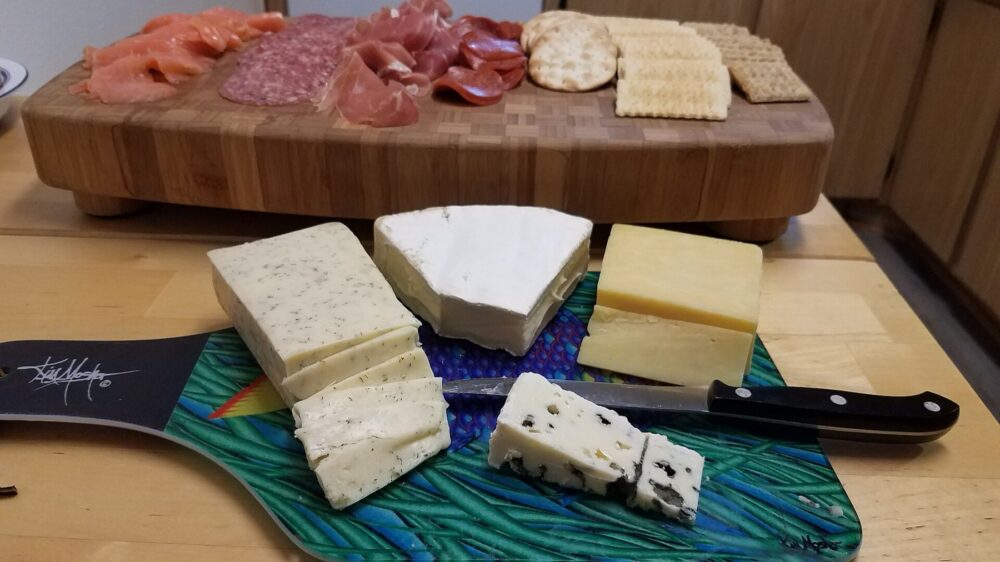
Bulk cutting and charcuterie boards are usually sourced either from specialized US wood shops and wholesalers or from large B2B marketplaces in China and elsewhere. For a small US restaurant, gifting program, or ecommerce brand, the right channel depends on whether you care more about premium materials and “made in USA” branding, or lowest possible unit cost and wide customization. DHgate sits on the latter side of that spectrum: it’s an international B2B marketplace where China manufacturers and suppliers list cutting boards directly, but you still have to evaluate each seller, MOQ, and total landed cost yourself.
How Wholesale Cutting & Charcuterie Board Supply Chains Work
Wholesale boards break into a few broad categories:
- Workhorse cutting boards for back-of-house prep in restaurants or meal-prep businesses.
- Presentation and charcuterie boards used by caterers, event planners, and retailers for food display and gifting.
- Blanks for customization, where an engraver or Etsy seller adds logos or designs.
US-based wholesalers often operate small or mid-size wood shops that specialize in these categories. For example, Forest Decor offers wholesale cutting boards across multiple wood species and positions them for restaurants, retailers, caterers, and events. Their pitch is about materials and aesthetic style (live edge, rustic, etc.) that suit charcuterie and serving.
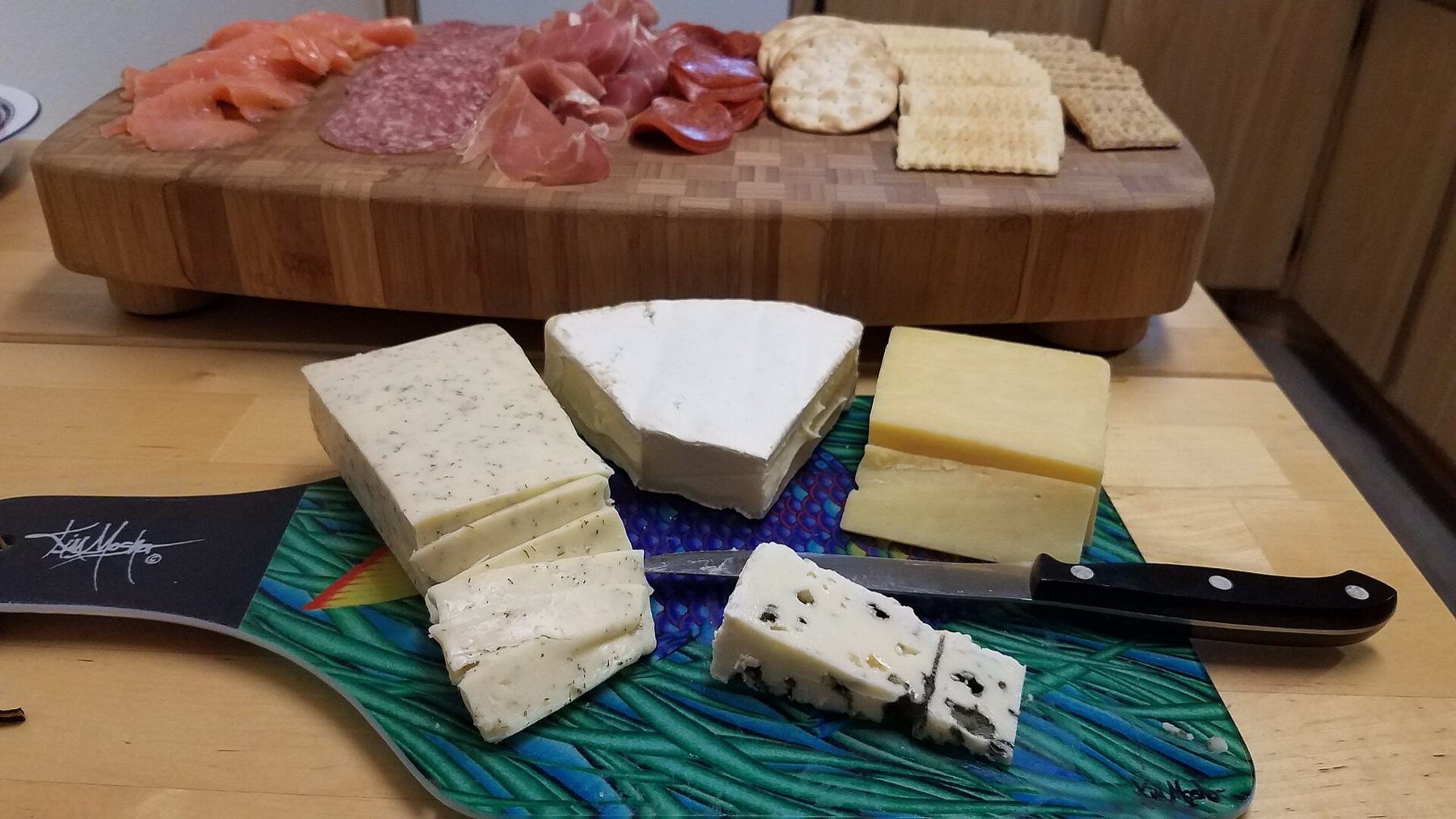
Another US example is Qlycheecrafts, which focuses on wholesale charcuterie boards and emphasizes options across different wood species plus custom engraving and branding. Businesses use these for private-label retail, corporate gifts, and branded serving boards.
Specialized sites such as BulkCuttingBoards concentrate on hardwood cutting boards for bulk buyers and resellers. Their assortment leans toward classic maple, walnut, or similar hardwood boards sold by the case, aimed at restaurants, gift companies, and retailers that want consistent sizes and finishes.
On the marketplace side, platforms like Faire list artisanal cutting and charcuterie boards and act as intermediaries between independent brands and small retailers. You’re buying finished, often branded product for resale, not generic blanks.
China-based manufacturers and suppliers tend to focus on volume: bamboo, rubberwood, and mixed-material boards, often in standard shapes, with options for OEM branding. These are sold through marketplaces like DHgate and Alibaba to global buyers looking for low per-unit cost.
Picking the Right Supplier and Channel for Bulk Boards
To choose the right source, match your business model to what each channel is good at.
What US wood shops and wholesalers offer
Suppliers like Forest Decor, Qlycheecrafts, and BulkCuttingBoards commonly provide:
- Material control. Multiple species (e.g., rustic live-edge woods, more uniform hardwoods). Easier to maintain consistency across batches.
- Branding and engraving. Many will engrave logos or designs, adjust sizes, or create custom shapes for corporate gifting and private-label retail.
- Domestic positioning. “Handmade” and “USA-made” are powerful story elements if you’re selling premium boards or eco/locally themed gifts.
These are strong fits if:
- You run a premium retail or gift business where story and finish matter more than squeezing every penny out of unit cost.
- You’re an engraver or Etsy seller needing high-quality blanks that take laser engraving well.
- You need smaller or more flexible MOQs and faster repeat orders within the US.
What marketplace platforms offer
Wholesale marketplaces split roughly into two flavors:
- Artisan wholesale marketplaces (e.g., Faire). Good for curated, branded boards at wholesale for boutiques. You’re buying finished product designed by a brand, not commissioning OEM manufacturing.
- Global B2B marketplaces (Alibaba, DHgate). Here you browse listings from manufacturers or trading companies, often in China, and negotiate specs, MOQ, and customization directly.
A simple way to think about channel choice:
| Channel type | Best for | Typical board profile |
|---|---|---|
| US specialized wholesalers | Premium, story-driven, engraved or live-edge boards | Hardwood, live-edge or artisan-style |
| Artisan marketplaces (Faire) | Stocking boutique shelves with branded designs | Designer charcuterie boards with packaging |
| China B2B marketplaces (DHgate/Alibaba) | High-volume, price-sensitive, OEM/private label | Standard bamboo/wood boards, custom logo |
Supplier qualification checklist (channel-specific)
Instead of a generic “check reviews,” focus on the board-specific questions:
- Material & construction. Ask what woods they use, whether boards are edge-grain or end-grain, and how they’re glued and finished. For US wood shops, you can often match product photos on wholesale pages (e.g., Forest Decor’s species range). On DHgate or Alibaba, this means studying product descriptions carefully and asking for detailed specs.
- Customization capability. For Qlycheecrafts and similar, confirm engraving area, file requirements, and how they handle different logos. On DHgate, ask each seller if they offer laser engraving, branding, or custom shapes and what minimum quantity that requires.
- Consistency across bulk orders. BulkCuttingBoards and other specialized sites highlight bulk consistency; with marketplace sellers you should explicitly ask how they manage color/wood variation across large runs.
- Use case alignment. A board meant purely for charcuterie presentation may be thinner or finished with more decorative edges than a heavy-duty back-of-house cutting board. Match catalogs and listings to your actual use.
Red flags for cross-border wood product sourcing include vague material descriptions (“wood” with no species), no mention of food-safe finishes, and poor or stock product photos. Those are signs to either push harder for documentation or choose a different supplier.
Pricing, MOQs, and DHgate as a Cross‑Border Option
Bulk cutting and charcuterie board pricing is driven mainly by material, thickness, finish, and labor.
- US-based specialized suppliers typically quote per-board wholesale prices with volume discounts and may offer custom size/engraving pricing on request. MOQs vary widely, from small batches for corporate gifts to larger runs for retailers, but you can often start at relatively modest quantities.
- Artisan wholesale (Faire-style) usually follows keystone-style retail/wholesale pricing: you buy finished branded product at a discount off retail for resale, with MOQs set by each brand.
- China-based manufacturers on marketplaces generally expect higher MOQs for custom work, but standard catalog boards may be available in smaller packs.
DHgate’s own editorial describes the platform as an international B2B marketplace connecting China manufacturers and suppliers with global buyers across dozens of product categories, including home and kitchen products. In a cutting-board-focused article, the DHgate blog highlights several potential advantages for buyers of cutting boards:
- Vast selection. Listings span classic wooden boards, plastic prep boards, bamboo options, and specialty surfaces.
- Competitive pricing. Their editorial notes that cutting boards are often listed at prices lower than typical brick-and-mortar retail, appealing to budget-conscious buyers.
- Direct-from-manufacturers sourcing. DHgate stresses that buyers connect directly with manufacturers and sellers, which can support custom requests and keep pricing lower than multi-layer distribution.
- Customization options. The blog mentions personalization such as monograms, specific sizes, shapes, or designs for cutting boards.
- Search and filter carefully. Use specific terms like “bamboo cutting board wholesale,” “charcuterie serving board,” or “engraved board OEM.” Avoid relying on generic search alone.
- Compare MOQs and per-unit cost at the quote level. Many sellers may negotiate MOQ if you show credible potential for repeat orders.
- Request samples. For any serious volume, budget for paid samples or small test orders to check material, finish, and packaging. This matters especially for boards that will touch food and represent your brand.
- Calculate landed cost, not just unit price. Include freight, duties, and any customs brokerage fees in your math. For heavy wood products like boards, freight can rival product cost over longer distances.
If your scenario is a restaurant needing durable back-of-house boards, a domestic or regional restaurant supplier or a specialized site like BulkCuttingBoards may be simpler and faster. If you’re an Etsy shop or small brand looking for inexpensive blanks to engrave and resell at scale, a cross-border marketplace like DHgate or Alibaba can make sense once you’ve done careful supplier vetting and tested samples.
To go deeper on choosing and evaluating DHgate suppliers specifically, you can pair this article with internal guides such as Find wholesale suppliers on DHgate, Find DHgate suppliers, and Choose a DHgate wholesale supplier. These focus on listing-level checks, communication, and quote comparison so you can decide whether DHgate is the right bulk board source for your business.