
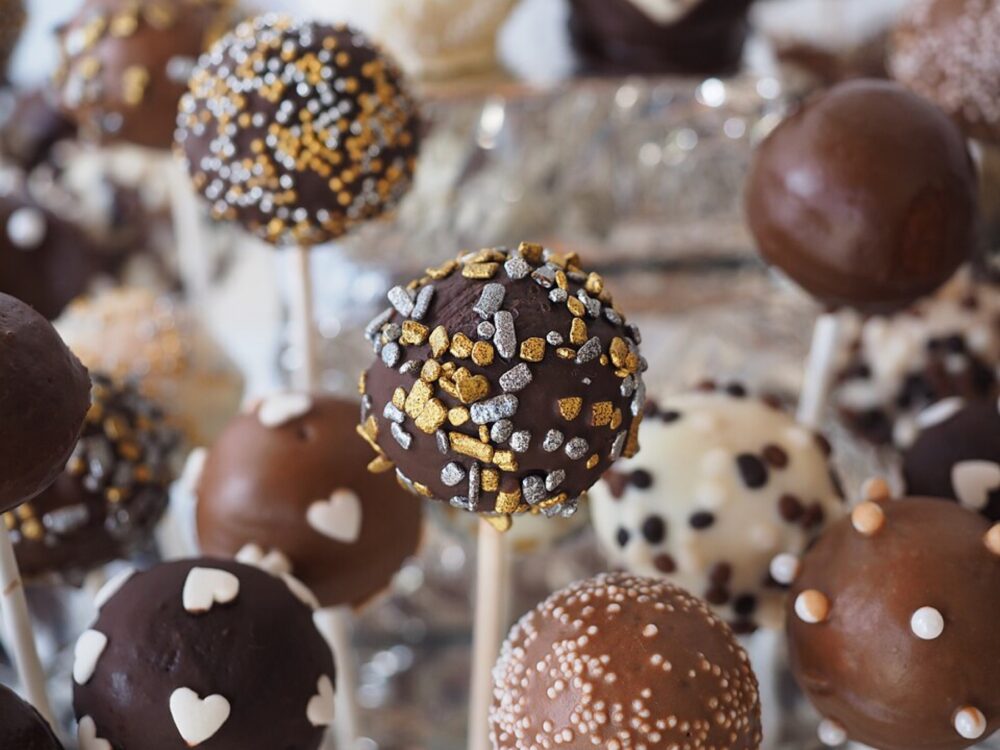
If you’re buying cake pop or push pop confectionery supplies in bulk for US parties or resale, your best bet is to treat this as three separate sourcing problems: food-contact containers, non-contact molds, and decorative packaging. Most small buyers pair domestic wholesalers or marketplaces for the clear plastic push-pop bodies (fast shipping, familiar materials), then use cross‑border platforms for silicone molds, stickers, and custom boxes, checking minimum order quantities (MOQs), materials, and total landed cost before placing a larger order.
For a 50-100 guest party, you might grab a 100‑pack of clear push-pop containers from a US baking supplier and simple cardboard display boxes locally. A cottage bakery doing monthly events may step up to bulk packs advertised for catering on Amazon or specialty sites. An Etsy or Amazon seller building a brand often keeps containers domestic but orders branded sleeves, custom gift boxes, and themed toppers from cross‑border producers once they’re comfortable with the supplier.
How Cake Pop and Push Pop Confectionery Fits into the Wholesale Supply Chain
Cake pops are bite‑size balls of cake on a stick; push pops are layered desserts (cake, pudding, fruit, ice cream) served in a clear plastic tube with a plunger and lid. DHgate’s editorial blog describes push pops as portable, party‑friendly desserts that can be made in reusable containers and filled with different layers—exactly how US party hosts and micro‑bakeries tend to use them.
In wholesale sourcing, the key item is the plastic push-pop container itself:
- A typical unit is a clear cylinder with a flat round lid, a disk at the bottom holding the dessert, and a hollow stem you push up to dispense the layers.
- Specialty baking sites like BakeDeco sell them in packs around 100 pieces, aimed at professional dessert service.
- Pastry suppliers such as Pastrychef.com promote similar push‑up pops for ice cream, cake pops, and creative food presentations, again in boxes of about 100.
US mass retailers play a different role. Walmart’s push pop cake container category shows small multi‑packs sold primarily for home baking and parties, not industrial volumes. That makes Walmart and craft chains useful for last‑minute or small events, but less efficient once you’re buying hundreds at a time.
For wholesale planning, think of the category as:
- Food-contact containers: push-pop bodies, lids, stems, cake-pop sticks.
- Production tools: cake-pop molds, silicone popsicle/cakesicle molds, piping tools.
- Presentation & packaging: trays, display stands, stickers, sleeves, custom boxes.
The safest and most flexible strategy is to source food-contact parts from suppliers who clearly target bakery and catering customers, then layer in more cost‑effective cross‑border options for molds and packaging where lead times and MOQs make sense.
Evaluating Push Pop and Cake Pop Suppliers for Food Safety and Reliability
Because push-pop containers and sticks touch food, US buyers should scrutinize materials, build quality, and seller behavior before scaling up. Here’s how to make that evaluation specific to this category.
Materials and food-contact claims
You’ll see many listings describe plastic as “food grade” or “safe for desserts” without detail. On US‑based baking sites, listings for push‑up pops are usually aimed explicitly at cake or ice cream use, which at least tells you the intended application. On Pastrychef.com, for example, push‑up pops are clearly marketed for direct contact with ice cream and cake pops.
Inline checklist for containers:
- Look for clear use cases like “for desserts,” “for ice cream,” “for cake pops” in the product description.
- Prefer sellers who specify plastic type (e.g., PP, PET) and temperature guidance.
- Avoid containers with strong chemical odor, cloudy plastic, or rough seams when you receive samples.
Packaging quality and assembly
Push-pop containers are multi‑piece items. Poor tolerances lead to loose lids, stems that stick, and disks that don’t seat properly.
When you vet a supplier:
- Order a small test pack first. On Amazon bulk results for push-pop containers, many listings are marketed for bakery catering, birthdays, weddings, and baby showers—good contexts to read reviews specifically mentioning lid fit, leaks, or ease of assembly.
- Assemble 20-30 units yourself and test in the fridge, freezer (if relevant), and at room temperature. Look for cracks around the stem and lids popping off.
Seller reliability and communication
For domestic sites like BakeDeco or Pastrychef, reliability often shows through stock information and clear product pages. On large marketplaces (Amazon, eBay, Alibaba, DHgate), each listing represents an individual seller.
Make your messages specific:
- Ask, “How many complete push-pop sets are in one pack?” and “Are lids and stems included?”
- Confirm, “Is this plastic suitable for direct contact with cake or ice cream?” and request any existing documentation.
- Clarify lead time and how many packs are ready to ship now versus produced to order.
Red flags include vague answers, changing pack counts mid‑conversation, or reluctance to send a small trial order when others clearly do.
MOQs, Pricing, and Choosing Channels for Different Buyers
Minimum order quantities and pricing tiers vary widely across channels. The easiest way to choose is to match your order size and risk tolerance to what each route naturally supports.
Here’s a compact overview based on current examples:
| Buyer type / use case | Typical pack size seen online | Good primary channel | Cross‑border role |
|---|---|---|---|
| Party host (50-80 guests) | 12-50 pieces multi‑packs (Walmart) | US retailers like Walmart or craft chains | Optional: themed toppers, stickers |
| Cottage bakery / caterer | ~100‑piece boxes (BakeDeco, Pastrychef) | US baking wholesalers and Amazon bulk listings | Molds, trays, display stands, packaging |
| Small ecommerce brand | Hundreds–thousands across SKUs | Mix of US wholesalers + Amazon/eBay for containers | Custom packaging and branding cross‑border |
Domestic retail and specialty wholesale
- Mass retail (Walmart, Hobby Lobby): Best for small, local events. Push-pop cake containers there are marketed for home baking and parties, often in 12-24 piece packs—great if you need a few dozen, less efficient if you’re making 500 treats every weekend.
- Specialty baking wholesalers (BakeDeco, Pastrychef): These sites sell clear push pops in packs of around 100, clearly intended for dessert operations. They’re a strong fit for cottage bakeries and caterers who want predictable pack sizes and US‑based customer service.
- Amazon bulk results: Searching “push pop containers bulk” surfaces reusable plastic pops aimed at bakery, catering, birthdays, weddings, and baby showers. This middle ground can be attractive: higher counts than mass retail, but still flexible for small businesses, plus reviews you can mine for quality issues.
Cross‑border marketplaces: molds and packaging more than containers
For US buyers, cross‑border marketplaces shine less for the plastic push-pop bodies themselves and more for surrounding SKUs:
- Cake pop molds and popsicle/cakesicle molds, such as silicone trays and disk‑shape molds listed in DHgate’s “Ice Cream Tools” and related categories.
- Custom stickers and “hand made” seal labels suited for push-up cake pop packaging.
- Branded gift boxes, pillow boxes, and cake packaging boxes that can be customized with your logo.
Around 2026-10-06, DHgate listings included examples like:
- A cake pop silicone ice cream mold tray marketed for DIY desserts and summer party supplies (DHgate product).
- 4‑cavity mini silicone cream popsicle/cakesicle molds aimed at DIY ice pops and cake chocolate (DHgate product).
- Custom gift and cake packaging boxes, including candy boxes and pillow boxes, sold with per‑piece pricing and customization options (DHgate packaging example).
- Push‑up cake pop seal stickers marketed for baking packages (DHgate sticker example).
Prices and availability on those listings can change, and none of them guarantee a specific safety standard by themselves. For any cross‑border mold or packaging order, you should:
- Request photos of actual production and, if relevant, packaging dimensions.
- Ask how many units are in one lot and confirm the exact customization process.
- Test a sample batch before committing to branded packaging for a new line.
If you plan to rely more heavily on cross‑border suppliers, DHgate‑specific sourcing advice such as seller filtering and communication tactics is covered in broader marketplace guidance like Find wholesale suppliers on DHgate and Choose a DHgate wholesale supplier.
Practical sourcing combinations
- Party host: One or two Walmart multi‑packs for containers; simple paper boxes or trays from a local store; skip cross‑border unless you’re planning far in advance.
- Micro‑bakery: 100‑pack push pops from a US baking wholesaler; Amazon or another domestic marketplace for backup stock; low‑risk cross‑border orders for silicone molds and generic decorative boxes.
- Ecommerce seller: Stable domestic source for containers; invest cross‑border budget into distinctive branded boxes, stickers, and themed toppers to differentiate your listings.
Treat containers, molds, and packaging as separate SKUs and match each to the channel that best balances safety, lead time, and cost for your scale. That approach gives US buyers flexibility to grow from one‑off parties into serious dessert businesses without getting locked into a single, risky supply route.