
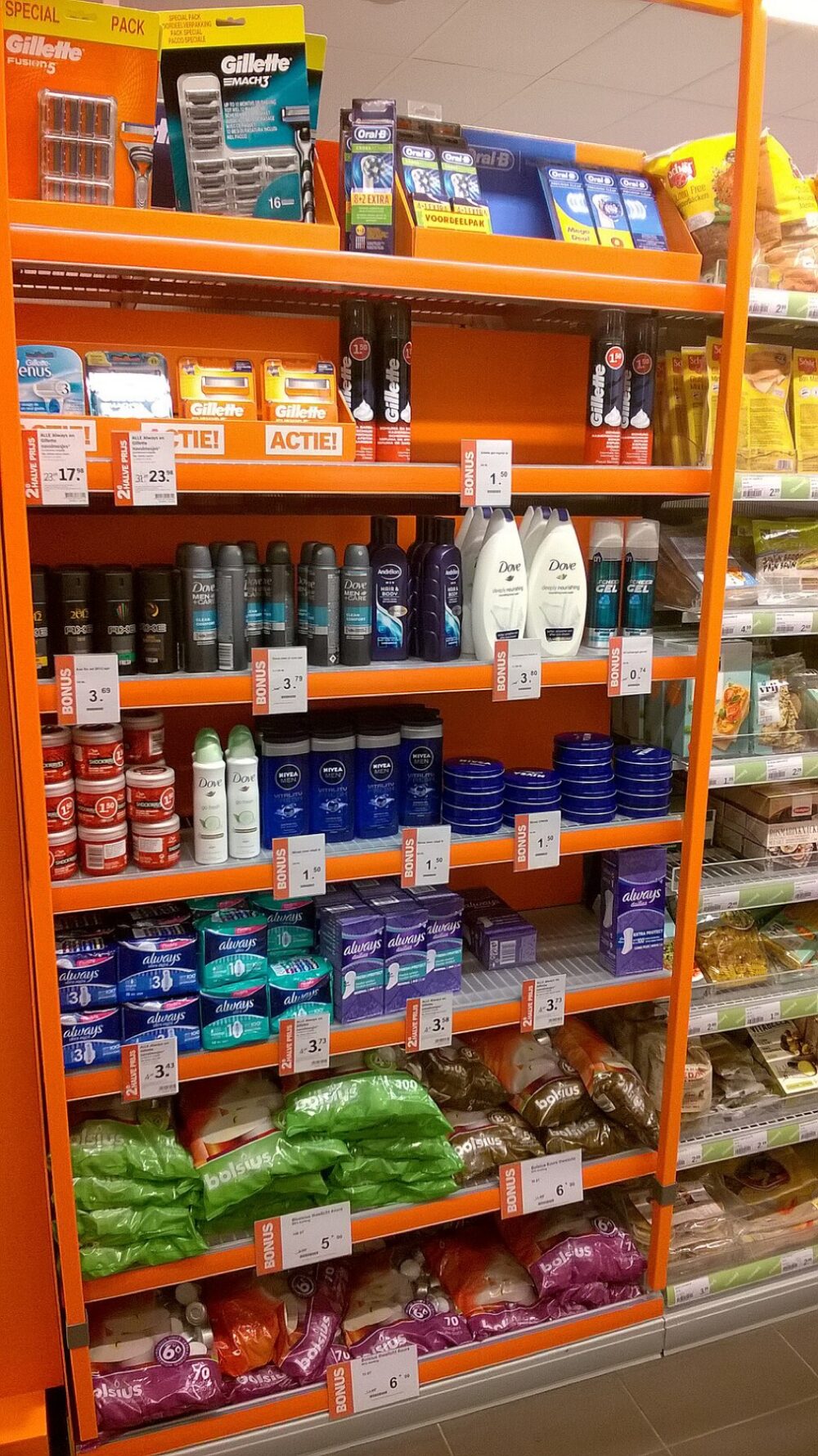
Wholesale beauty and personal care sourcing works for US buyers only if you match product type to the right channel, vet suppliers hard, and respect the limits of cross‑border platforms like DHgate. Use US distributors for branded, compliance‑sensitive items, and test DHgate or other marketplaces for lower‑ticket accessories, tools, and some private‑label opportunities where you can afford to learn.
How Wholesale Beauty and Personal Care Sourcing Works for US Small Businesses
“Wholesale beauty and personal care” usually means bulk purchases of resellable or professional‑use items like skincare, haircare, cosmetics, fragrances, and hygiene products from manufacturers or authorized distributors at discounted rates. Sources such as PrimescaleUS and HeavenPrime frame this as a middle step between the factory and your salon, store, or online brand, where margin lives or dies on supplier choice.
Domestic distributors such as Mixale, Barrigo Wholesale, Esencia Mundial, HeavenPrime, and BRS Distribution typically aggregate branded beauty and personal‑care inventory for US retailers. You pay more per unit than factory‑direct, but you gain US‑based stock, shorter shipping times, and fewer import headaches for regulated products.
For a US salon, that might mean buying professional haircare and skincare domestically, while testing DHgate for tools (mirrors, carts, lash tweezers) or hair accessories. For an Amazon FBA or Shopify brand, it can mean combining US closeout and distributor stock for known brands with cross‑border private‑label items once you’ve validated a manufacturer.
Evaluating Beauty and Personal Care Suppliers: Domestic vs Cross‑Border
Picking a beauty supplier is less about finding the “cheapest” and more about protecting your formulas, brand reputation, and stock flow. A buyer checklist from Evoque Professional, a US haircare brand, emphasizes checking certifications, depth of range, brand protection, and consistent availability when selecting wholesale partners. That framework adapts well beyond haircare.
With US distributors (e.g., Mixale, Barrigo, HeavenPrime):
- Certifications & channel rights: Ask whether they are authorized to distribute the brands you plan to resell, and request documentation. This matters for pro lines sold to salons and for any claims like “organic” or “dermatologist tested.”
- Depth of range: Review their category pages (for example, Mixale’s beauty & personal care section) to see if they carry full lines or just random SKUs. A shallow range makes it harder to build cohesive assortments.
- Availability patterns: Learn how often they restock hero SKUs and whether they can hold inventory for you during promotions. Evoque’s guidance that “availability beats promises” applies directly here.
With cross‑border suppliers and marketplaces (e.g., DHgate sellers):
You don’t have the same channel protections, so you need extra discipline. A wig supplier’s public guidance—from Jiayuyitong Wigs—points out that quantities, styles, lengths, and colors must be checked carefully before shipment because small mistakes in bulk orders create major extra work for buyer and seller. Treat that as a minimum bar for how detailed your communication should be.
DHgate’s health and beauty sourcing blog suggests a process that is broadly sensible for US buyers:
- Market research: Decide exactly what niche you are targeting (e.g., nail art tools, lash accessories, basic hairbrushes) before you search. Avoid starting with regulated products like chemical peels or SPF without a clear compliance plan.
- Product search: Use specific keywords and filters to narrow results, then compare listings side by side. Focus on clear product photos, full spec descriptions, and consistent naming across SKUs.
- Supplier evaluation: On each DHgate listing, look at reviews, ratings, and any certifications mentioned in the description. Compare multiple sellers of similar products rather than assuming the first listing is reliable.
- Sample testing: Order small samples first, even if the MOQ is low enough to jump straight into bulk. Physically inspect packaging, labeling, and product performance before committing.
For both domestic and cross‑border suppliers, press on three areas: who makes the product, what proof of quality/compliance they can show, and how they handle mistakes in bulk orders. If you plan to use DHgate heavily, pair this article with a more detailed checklist like How to Vet a DHgate Wholesale Supplier Before You Order so you don’t treat marketplace star ratings as your only filter.
Structuring Orders and Choosing Channels: When DHgate Makes Sense
| Product type / goal | Best first channel (editorial judgment) | DHgate fit (bounded by blog evidence) |
|---|---|---|
| Branded pro haircare & skincare for salons | US distributors (Mixale, Barrigo, HeavenPrime) | Weak: DHgate blog stresses OEM access, but brand rights unclear |
| Generic tools & accessories (brushes, clips) | Cross‑border marketplaces (DHgate, Alibaba) | Solid: DHgate lists wide health/beauty tool range per its blog |
| Private‑label simple items (sponges, pads) | OEM factories via marketplaces or direct contact | Possible: DHgate blog cites OEM connections; vet deeply |
| Closeout brand‑name cosmetics | US closeout/liquidation distributors | Poor: DHgate not positioned as closeout platform |
MOQs and sampling. US distributors often publish case sizes (e.g., 6 or 12 units per SKU) rather than true MOQs; you can mix many SKUs in one order but still buy in manufacturer‑friendly inner packs. Cross‑border suppliers may quote MOQs in the hundreds for customized or OEM items, even if they’ll agree to ship smaller test runs. Whichever channel you use, set a simple sampling rule:
- 1-3 SKUs from each new supplier
- At least 2-3 units per SKU to test consistency
- A written checklist for what you’re evaluating (packaging, labeling, scent, texture, performance)
Where DHgate is a good option versus not worth it
DHgate is most useful for US buyers in scenarios like:
- You run a salon or beauty studio and want inexpensive accessories (hair clips, capes, organizers) that don’t touch skin in a regulated way.
- You sell on Amazon, eBay, or Shopify and need generic tools (nail art brushes, cosmetic bags, lash tweezers) with potential to private‑label later if samples check out.
- You’re testing a micro‑brand around non‑active items such as beauty sponges, cotton pads, or simple combs and are ready to manage your own compliance, labeling, and import paperwork.
DHgate is a poor fit when:
- Your products are heavily regulated (sunscreens, chemical exfoliants, medicated treatments) and you do not have a regulatory consultant or attorney involved.
If you decide DHgate belongs in your mix, treat it like one sourcing lane among several, not your only pipeline. Use marketplace search and the sourcing steps from DHgate’s own health/beauty guide as a starting structure, then layer on stricter checks and a conservative first order. For deeper DHgate‑specific tactics—search filters, negotiation, and risk limits—tie this article to a practical process like Find DHgate suppliers and Find wholesale suppliers on DHgate so each decision stays grounded in the actual sellers you’re considering.