
Wholesale quilting fabric suppliers sell cottons and other textiles in bulk to businesses rather than hobby buyers. As a small US quilting or ecommerce brand, you can work with domestic wholesalers, cross‑border marketplaces like DHgate, or a mix of both—your best option depends on how much fabric you need, how repeatable your designs must be, and how much sourcing risk you’re willing to carry.
How Wholesale Quilting Fabric Supply Works for Small US Businesses
Wholesale quilting fabric and textile suppliers are businesses that sell yardage, bolts, pre‑cuts, and sometimes finished goods directly to retailers, longarm quilters, and small manufacturers.
A typical quilting‑focused wholesaler in the US—such as Marshall Dry Goods—markets bulk cottons and related fabrics specifically for quilts. Companies in the Jaftex family and similar firms supply quilting cottons, batiks, flannels and other specialty textiles to shops and manufacturers, so you’re not just buying generic fabric; you’re buying lines designed for quilt usage, with coordinated collections and predictable reorders.
For a small US business, this structure creates three realities:
- You’re buying into print runs. Quilt fabrics are produced in batches. Once a collection is gone, reordering the exact same print and dye lot can be difficult. That matters if you sell kits or subscription boxes.
- Bolts or case quantities are common. Many US wholesalers revolve around 10-15 yard bolts, or case packs of pre‑cuts, which can feel heavy if you’re just testing designs.
- Access may be gatekept. Some quilting suppliers only open accounts for brick‑and‑mortar shops or require tax IDs, minimum annual spend, or proof of quilting‑specific retail activity.
Cross‑border marketplaces change the structure. Instead of one dedicated quilting brand, you’re searching thousands of textile sellers—some focused on quilting‑weight cotton, others on apparel or home textiles—and piecing together your own assortment. That can widen your options but introduces more variables to manage.
Choosing and Managing Quilting Fabric Suppliers Across Borders
You’re not just picking fabric; you’re picking a long‑term partner. Independent sourcing guides like Source of Fabric and wholesale advice sites emphasize doing real research on potential suppliers: reviews, product quality, pricing structure, and service. For quilting, you need to push that further into craft‑specific checks.
What to look for in a quilting fabric supplier
Here are quilting‑specific signals that a supplier is worth your time:
- Clear fiber content and weight. Quilters typically expect 100% cotton of a certain weight. Listings or catalogs should specify fiber content and GSM/oz, not just “cotton fabric.” If this is missing, treat it as a red flag.
- Color consistency information. Ask how they manage dye lots and print runs. A serious supplier can talk about color cards, Pantone references, or how they track batches, which helps you keep repeat orders consistent.
- Collection structure. US quilting wholesalers often sell coordinated lines (main print, blenders, backgrounds). Cross‑border sellers may list prints individually. Decide whether you need full collections or are comfortable curating assortments yourself.
- Reorder policies. For subscription boxes or kit businesses, ask very directly: if a print sells well, can you reorder it for 6-12 months, or is this a one‑off run?
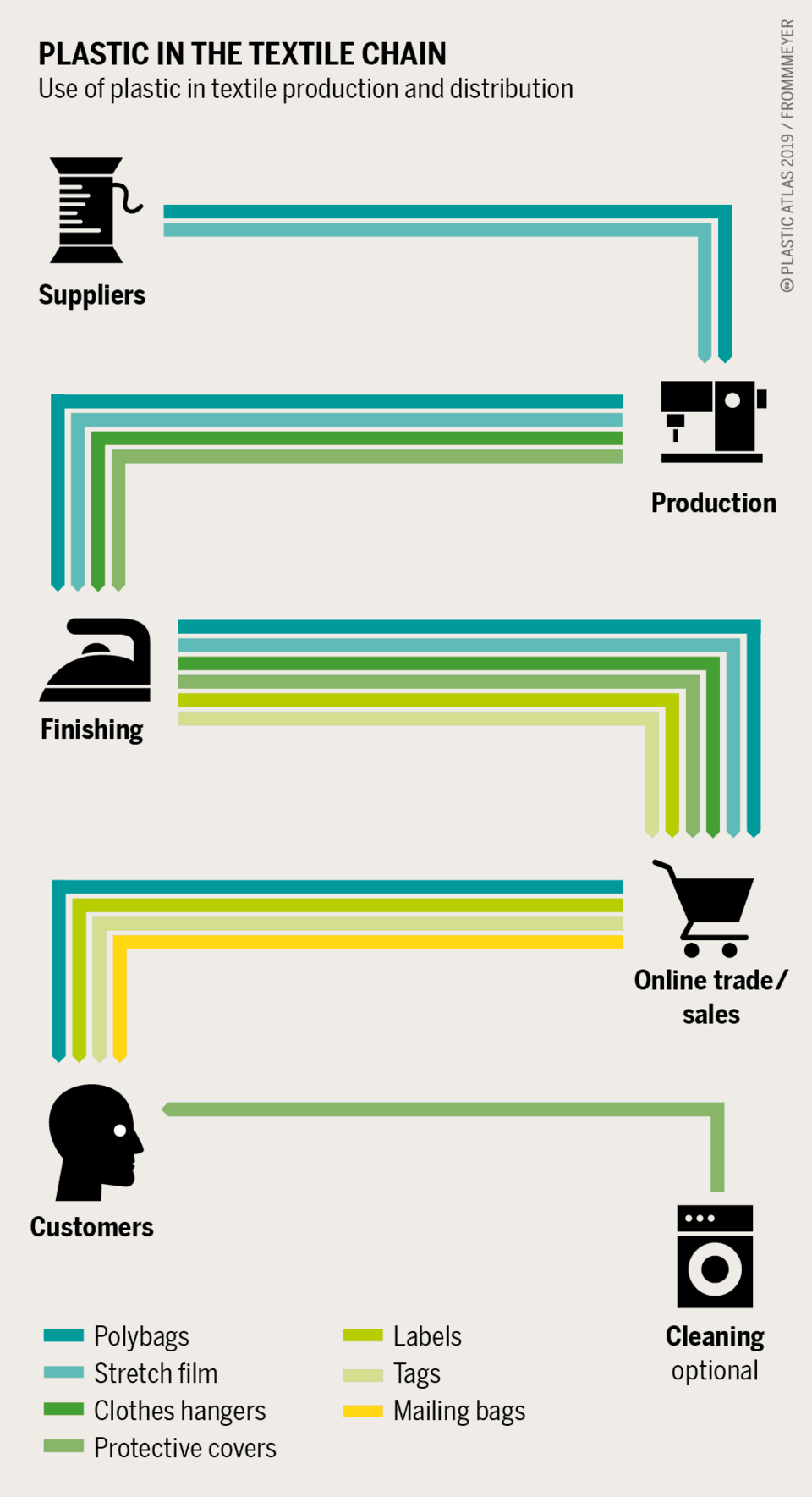
This graphic view of the textile chain highlights how many different players touch your fabric. Each stage is a place where quality and consistency can drift if you’re not working with a supplier who controls or monitors the process.
Practical workflow: samples, color and print checks
Generic sourcing advice often stops at “order samples.” For quilting, be more structured:
- Start with a narrow sample set. Pick 3-5 prints in the exact substrate (e.g., quilting‑weight cotton) you want to buy. Label each with the supplier’s SKU.
- Check against color cards or your own standards. If the supplier has a color card, compare your samples to it under both daylight and indoor light. If you have your own brand palette, photograph the samples next to your standard swatches so you can see drift.
- Measure shrinkage and feel. Wash and dry a sample swatch as your end customer would. Note shrinkage, hand feel, and any color change. Quilters care deeply about hand and how fabric behaves when pieced and quilted.
- Test a mini run. Before a major order, run a small kit or product release using those fabrics. Track customer comments on fraying, stretch, and color.
Guides like devylane’s wholesale supplier article stress researching reviews and customer service before committing. For quilting, add your own sample‑based tests so you’re not relying solely on star ratings.
Risk‑mitigation callout
If you’re going cross‑border—through DHgate, Alibaba, or similar—add these safeguards:
- Never skip samples for new substrates or prints.
- Document agreements about reorders and lead times in writing, even if informal (email, messages).
- Keep your first bulk order modest and diversified across a few SKUs, so a single bad print run doesn’t wipe out your season.
Pricing, MOQs and Channels: DHgate vs US Wholesalers and Other Platforms
Independent fabric sourcing guides like Source of Fabric highlight three big avenues: online marketplaces, industry directories, and trade shows. Here’s how a small US quilting brand might experience them, with DHgate layered in as one marketplace choice.
How MOQs and pricing usually differ
US quilting wholesalers often expect you to buy full bolts or preset pre‑cut packs, with wholesale pricing kicking in once you hit their case or bolt minimums. That’s efficient for established shops that can move volume, but tough for small ecommerce sellers still testing.
Editorial content on DHgate’s own blog describes the marketplace as known for low or even no minimum order requirements compared with sites like Alibaba and Global Sources. Those same articles explain a tiered pricing system where unit prices decrease at higher quantities, with wholesalers themselves setting the price points. That combination—lower entry quantities plus volume discounts—can materially change the risk profile for a small quilting brand trying new prints.
Here’s a compact comparison of channels based on those patterns and typical industry behavior:
| Channel | Typical MOQ Pattern | Pricing Feel for Small Buyers | Best Fit Scenario |
|---|---|---|---|
| US quilting wholesaler | Bolts/case packs; moderate starting volume | Stable, but you commit to larger quantities | Established quilt shop, recurring kit programs |
| Cross-border multi-seller marketplace (China) | Blog says low or no MOQ; volume discounts via tiered pricing | Flexible entry; risk shifts to quality/logistics | Testing new fabric SKUs with limited capital |
| Alibaba‑style B2B platforms | Often higher MOQs; factory‑level deals | Strong per‑unit savings at real bulk volumes | Large orders, custom prints for mature brands |
| Trade shows + direct contacts | Negotiated; varies by supplier | Case‑by‑case, often similar to wholesaler bolts | Relationship‑driven, regional quilt shop networks |
This table is editorial judgment informed by public research. Individual suppliers can diverge from these patterns—always check each listing or contract.
Channel‑by‑channel scenarios
Scenario A: You run a local quilt shop with regular block‑of‑the‑month programs. You need consistent reorders and well‑curated collections. In this case, working directly with US quilting wholesalers such as Marshall Dry Goods or brands under groups like Jaftex is usually more practical. You get coordinated lines, marketing support, and shipping that fits domestic timelines, in exchange for committing to bolts.
Scenario C: You’re designing custom prints for a future fabric line. You’re less interested in existing quilting collections and more in mill‑level production. In that case, large B2B marketplaces like Alibaba or industry directories plus trade shows will give you direct access to mills—but expect higher MOQs and more complex negotiations.
Where DHgate fits in a quilting sourcing mix
DHgate’s own editorial blog repeatedly describes the site as a large B2B marketplace connecting global buyers to millions of Chinese suppliers and products. As a quilting or fabric ecommerce business, that means:
- You can treat DHgate as one sourcing experiment lane: try a handful of prints or substrates without locking into big bolts.
- You still need to handle all quilting‑specific due diligence yourself: confirm fiber content, order samples, test color/hand, and keep written threads about reorders and quantities.
- If a DHgate supplier works well, you can gradually move more of your testing there while keeping core, high‑volume collections with US wholesalers.
If you’d like more practical detail on operating inside the DHgate marketplace itself—finding sellers, reading listing signals, and choosing who to trust—see the DHgate‑focused guides on DHgateWiki, including finding wholesale suppliers on DHgate, finding DHgate suppliers, and choosing a DHgate wholesale supplier.
The right answer isn’t “always DHgate” or “never cross‑border.” It’s using DHgate and similar marketplaces where their low‑MOQ flexibility helps your quilting business experiment, while leaning on established US quilting wholesalers and direct relationships for the collections and repeatable basics your customers rely on.