
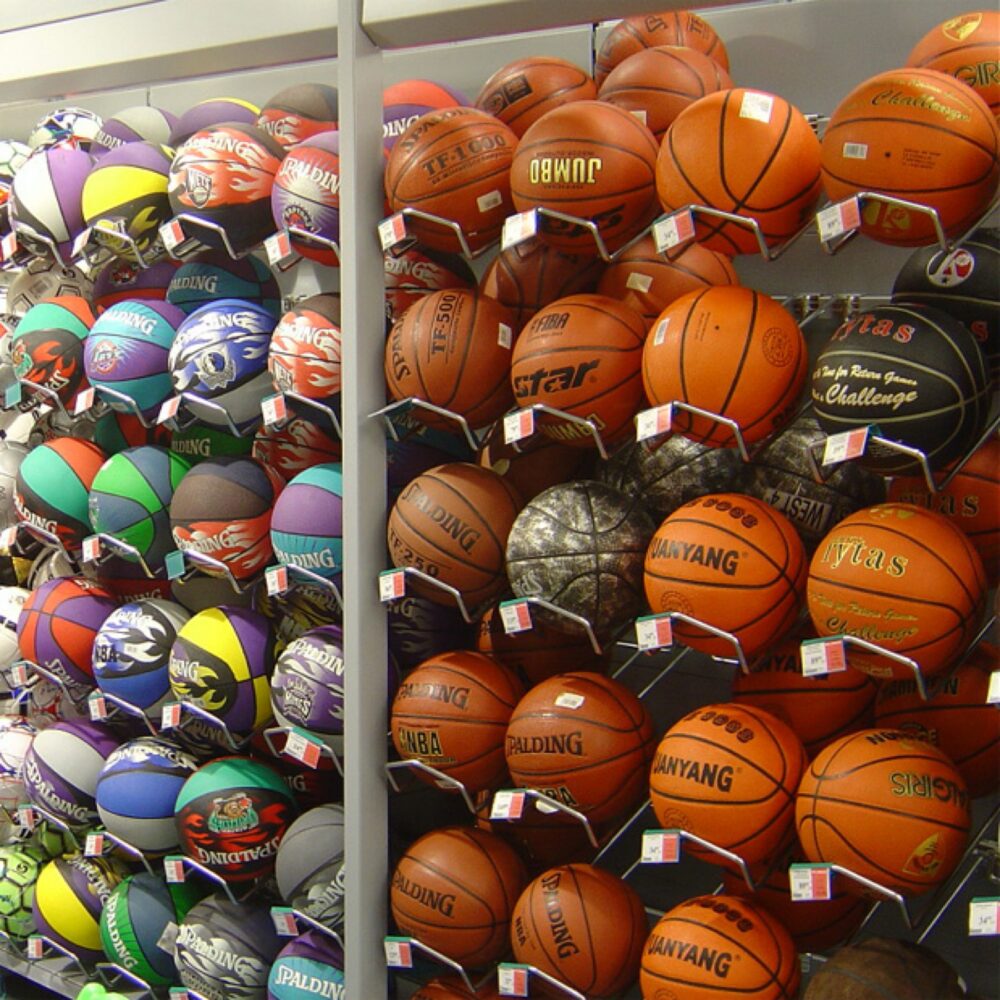
Wholesale basketballs mean buying balls in bulk at a lower unit cost, but getting a good deal is less about the sticker price and more about specs, supplier reliability, and your use case. For a U.S. buyer, that might be league play needing consistent, game‑worthy balls, a school stocking PE gear, an Amazon or Shopify seller building a private label, or a marketer ordering logo balls for an event. DHgate is one of several cross‑border marketplaces that can connect you to China‑based suppliers, but it’s not automatically the best fit; you need to compare it against domestic wholesalers and other B2B sites based on volume, customization, and risk tolerance.
How Wholesale Basketball Sourcing Works and Who It Suits
In wholesale, basketballs are manufactured—often in Asia—then sold through layers: factories, trading companies, and distributors. You’re choosing where to tap into that chain. Domestic wholesalers like Joe’s USA wholesale basketballs focus on U.S. leagues and schools with familiar brands and clear spec labeling. Cross‑border marketplaces such as DHgate or Alibaba surface hundreds of suppliers, including factories and intermediaries, at a wide range of price and quality levels.
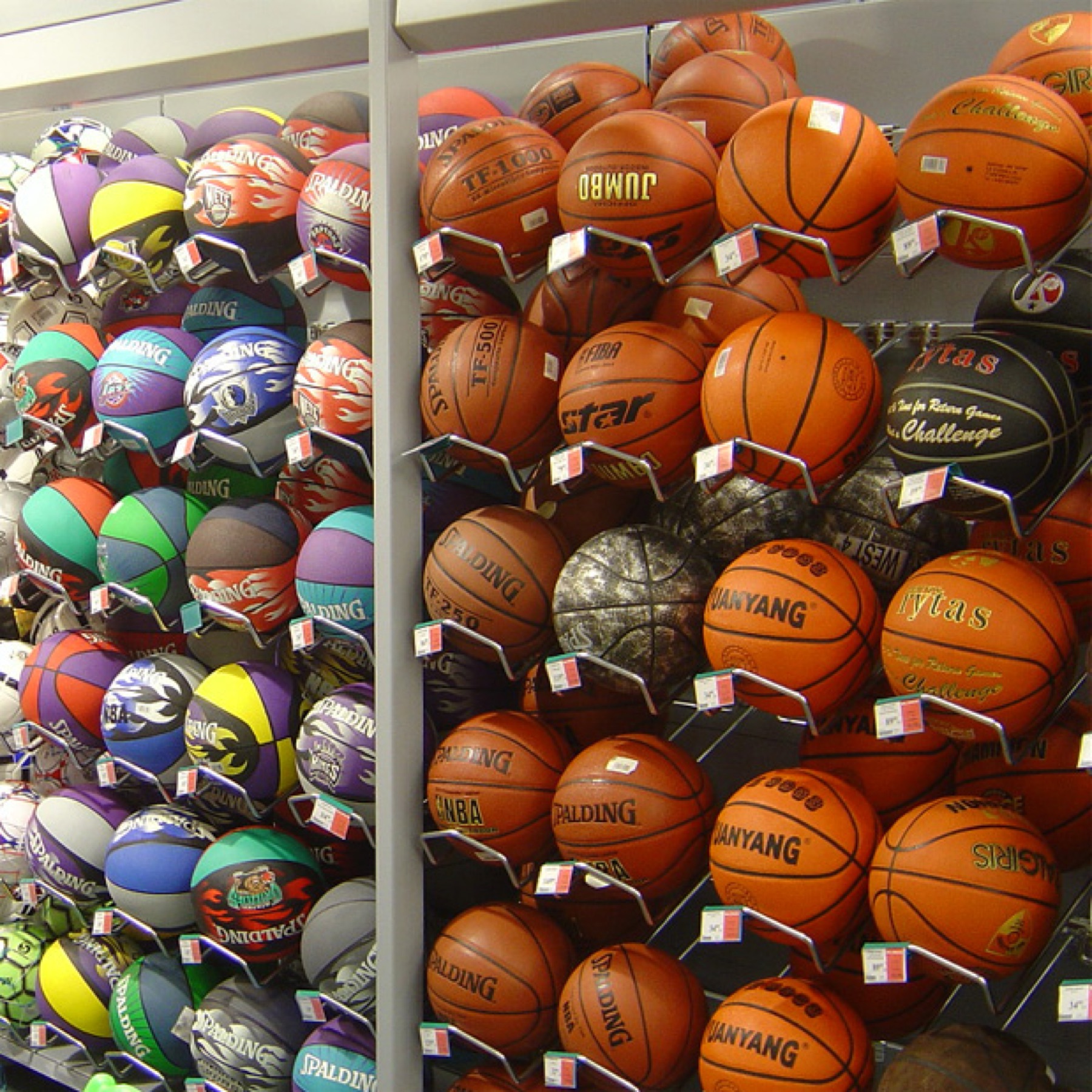
Before you decide on a channel, pin down how the balls will be used:
- League or club play (high school, AAU, adult rec). You need size 7 (men) or size 6 (women), consistent bounce, good grip, and likely compliance with a governing body’s rules. A bad ball shows on every possession.
- Schools and community programs. Durability and cost matter more than perfect feel. Rubber or composite outdoor balls are common; some programs mix sizes for different ages.
- Ecommerce resellers. If you’re selling on Amazon or your own site, you care about margin, differentiation (branding, colors, packaging), and supply consistency over time.
- Promotional/event buyers. You may want mini or novelty balls with a logo; appearance and on‑time delivery can matter more than performance.
Cross‑border wholesale is worth the extra complexity if you either want lower landed cost at meaningful volume or customization and private label options that domestic wholesalers don’t offer at your scale. If you just need 30 mid‑range balls for a local league and want known brands, a U.S. wholesaler is usually simpler and safer.
Choosing and Vetting Wholesale Basketball Suppliers
Once you know your use case and rough quantity, the harder part is selecting a supplier who can actually deliver the product you’re expecting.
For basketballs specifically, focus on these spec questions:
- Size and weight: Are they clearly labeled (5/6/7) and aligned with your players’ age group?
- Material: Genuine leather for elite indoor play, composite leather for decent league play, rubber for outdoor and budget use. Ask which level the ball is designed for.
- Construction: Number of panels, bladder type, and whether the ball is machine‑sewn or molded; this affects bounce consistency and lifespan.
- Environment: Indoor‑only vs indoor/outdoor vs outdoor. Mis‑matching this is a common reason balls fail early.
On marketplaces such as DHgate, you’re usually evaluating multiple suppliers that appear to sell similar balls. DHgate’s own editorial guidance recommends using search filters, checking supplier ratings and reviews, and ordering samples before committing to big wholesale orders. Its blog also highlights looking at feedback scores and sales volume as signals of reliability, and using pre‑order chat to clarify quantities and expectations.
For practical supplier vetting—on DHgate, Alibaba, or any marketplace—use a simple checklist:
- Evidence of past sales: Look for suppliers who have already sold a meaningful number of basketballs or sporting goods, not just one or two orders.
- Feedback and reviews: Read product‑level comments for details on feel, grip, air retention, and durability. Short “good ball” reviews are less useful than specific ones.
- Photo realism: Compare listing photos against known brand balls you trust. Over‑edited or inconsistent photos can indicate a mismatch between listing and reality.
- Pre‑order chat: Message the seller with concrete questions: required size/material, indoor/outdoor use, logo printing method, packaging, and whether they can repeat the order next season.
- Sampling: Ask for 2-5 sample balls across your chosen spec and, if relevant, logo variants. Use them in real play or bounce tests before submitting a large PO.
On DHgate in particular, the chat and feedback mechanisms are useful because a supplier’s positive feedback rate and total sales volume give you comparative context across multiple sellers. The DHgate blog even uses electronics and tape‑player examples to show how higher feedback and sales volume correlate with reliability; the same logic applies to basketballs.
Comparing DHgate with Other Channels for Wholesale Basketballs
You’re not choosing a single “best” platform; you’re choosing a channel that fits how many balls you need, how customized they must be, and how much complexity you can handle.
Here’s a practical comparison using editorial judgment and available context:
| Channel | Typical Fit & Strengths | Potential Drawbacks for Basketballs |
|---|---|---|
| Cross-border multi-seller | Large China‑based B2B marketplace with many consumer product listings; accessible for small to mid‑size buyers and often used for customized or private‑label goods. Cross-border multi-seller blog describes wide product variety and competitive pricing for bulk sourcing. | Quality and spec consistency vary by supplier; requires careful vetting, sampling, and landed‑cost math. No single platform‑wide guarantee on authenticity or performance. |
| Alibaba | Very large China‑based B2B marketplace with many verified manufacturers and purchase‑protection features described in DHgate’s own comparison blog. Strong for factory‑level deals and higher MOQs. | Some suppliers expect bigger orders and more formal negotiations; not always ideal if you’re testing a small batch or experimenting with a niche logo ball. |
| U.S. wholesalers/brands | Fast, straightforward sourcing of known brands (e.g., offerings like Joe’s USA for schools and leagues). Clear specs, familiar feel, and easier returns under U.S. norms. | Unit cost is usually higher, and customization/white‑label options can be limited or expensive at low volume. |
If your priority is logo balls or private‑label inventory with room for margin, DHgate or Alibaba can make sense—assuming you’re ready to do more legwork on samples and supplier relationships. If you care most about recognizable brands and minimal risk for league play, U.S. distributors tend to be the better fit.
How a DHgate Sourcing Workflow Looks for Basketballs
DHgate’s blog positions the marketplace as a global B2B platform with millions of product listings and millions of sellers, aimed at bulk purchasing and savings. For basketballs, you’d treat it as a supplier search tool rather than a single vendor.
A pragmatic workflow:
- Search with specific terms. Start with keyword combinations like “size 7 basketball,” “rubber outdoor basketball,” or “custom logo mini basketball.” Use category filters to stay in sporting goods.
- Apply filters and shortlist. Narrow by price range and minimum order (where shown). Prefer suppliers with substantial sales and strong feedback scores, as DHgate’s own editorial tips emphasize.
- Deep‑dive on 3-5 listings. For each, check photos, spec details (size, material, indoor/outdoor), and buyer reviews that mention grip, bounce, and durability. Eliminate any listing with vague or conflicting specs.
- Use chat to clarify and negotiate. Contact shortlisted suppliers to confirm: exact specs; logo file requirements; printing method; packaging; and your target quantity. Many suppliers are open to negotiating MOQs or mixed‑size orders for serious buyers—this is a conversation, not a fixed rule.
- Order samples before wholesaling. Follow DHgate’s own guidance and get samples shipped first. Treat these balls roughly: play outdoors, test air retention over a few weeks, and ask coaches or players for feedback.
- Calculate landed cost and re‑order plan. When quotes come back, compare total landed cost (unit price + any stated freight + duties and fees you expect) against what you’d pay a U.S. wholesaler. Only move forward if the gap justifies the extra steps and the supplier shows they can repeat the order.
If your sampling reveals inconsistent quality or poor communication, take it as a sign to try a different DHgate supplier, switch to Alibaba for more factory‑focused options, or fall back to a domestic wholesaler for this category.
Before choosing a DHgate supplier, use Find wholesale suppliers on DHgate, Find DHgate suppliers, and Choose a DHgate wholesale supplier.
Wholesale basketballs can be a good cross‑border product if you’re methodical: define the play level, vet suppliers with hard evidence, and force every channel—DHgate included—to earn your business with real samples and clear numbers.