
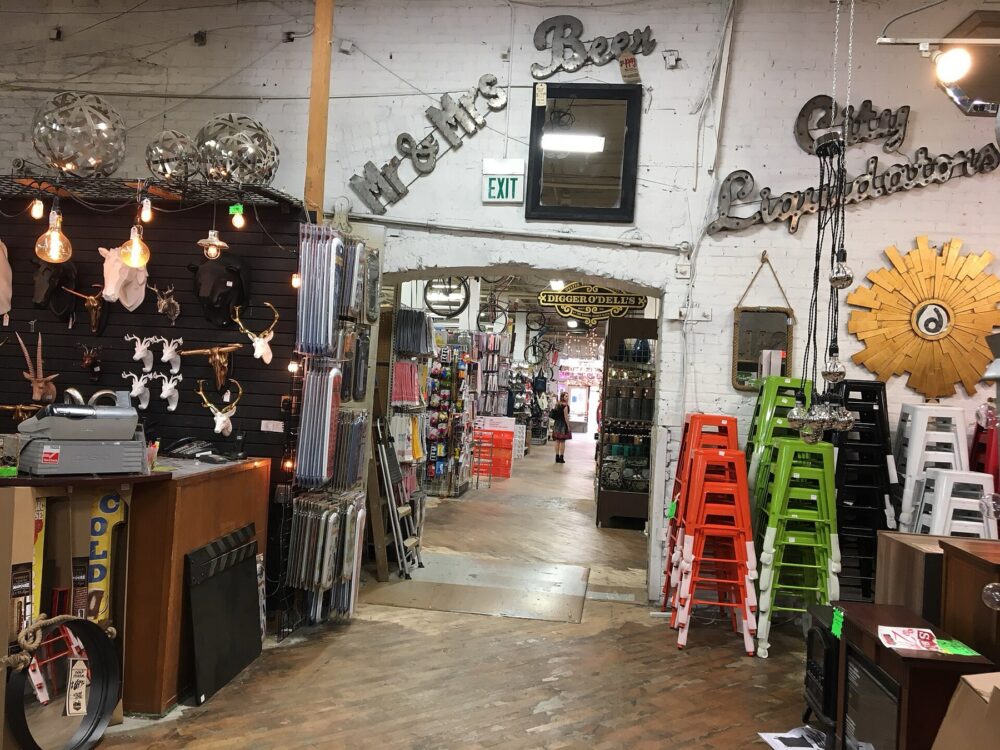
H&J Liquidators and Closeouts is a long-running, legitimate U.S. closeout wholesaler, but it’s not risk-free. If you’re a small reseller, the trust questions are less about “is this a scam?” and more about “will this inventory arrive in the condition, quantity, and brand status I can actually resell?” H&J can make sense for low-cost, general merchandise and some electronics, while platforms like DHgate give you more supplier choice and listing-level data but add cross-border complexity and varied seller quality.
The safest approach is to treat H&J—and any closeout source—as a partner you test in controlled batches: verify product details and restrictions upfront, pay through secure methods, and only scale once you’ve seen how their stock performs in your real sales channels.
What H&J Liquidators and Closeouts Is – and the Main Trust Questions
H&J Liquidators and Closeouts, Inc. describes itself as a family-owned closeout business based in Des Plaines, Illinois, with over 30 years in the industry.about H&J They focus on buying and reselling closeout merchandise at very low per-item prices, sometimes advertised as starting under a few cents per piece, across categories like general merchandise and electronics.H&J catalog This is classic closeout territory: discontinued, overstock, and sometimes repackaged goods that can be profitable if you buy carefully.
From a trust perspective, that profile answers one concern (they’re an established, physical business, not a throwaway site) but raises three practical risks you need to manage:
- Product condition and consistency. Closeouts can be pristine overstock or mixed-condition items. H&J’s low pricing suggests they’re clearing large volumes where you shouldn’t assume retail-ready packaging on every unit. For online resale, especially Amazon or your own store, you must confirm whether items are new, shelf-pulled, or otherwise imperfect before you advertise them as new.
- Returns, refunds, and mispick risk. H&J publishes buyer-facing policies and an FAQ for ordering, shipping, and related issues.
H&J FAQ They also host an Amazon fulfillment policy page aimed at sellers who use FBA.Amazon policy Those documents show they’ve thought about reseller needs, but they don’t remove the risk of receiving items that don’t match your expectations. You need to treat their stated policies as one input in your risk calculation, not a blanket guarantee that every problem will be made right.
- Resale channel limitations. Simply because H&J sells you a branded item does not mean it’s allowed or wise to list it on Amazon, Walmart, or other marketplaces. Brand gating, IP complaints, and condition claims are controlled by those platforms, not H&J. Their Amazon-related notes are helpful context, but you still have to read and follow Amazon’s rules yourself and assume that some closeout SKUs will be better suited to flea markets, local bins stores, or your own site than to a big marketplace.
Finally, there’s third-party reputation. Trustpilot hosts buyer reviews for H&J Closeouts, which gives you another lens on their reliability and service. H&J on Trustpilot You should treat those as directional feedback rather than a verdict—look for recurring themes about shipping accuracy, packaging, or customer support and decide how much of that risk you can absorb.
Universal Closeout Buying Safeguards You Should Use with Any Supplier
Whether you buy from H&J, a local liquidator, or a marketplace seller, closeouts share the same structural risks: limited information, uneven condition, and few do-overs. These safeguards are designed to be specific to that reality, not generic shopping advice.
1. Nail down product details before you send real money.
Treat every SKU like a mini due-diligence exercise:
- Condition language: Ask how they classify the stock (new/overstock, shelf pulls, customer returns, mixed). Don’t rely on the word “closeout” alone.
- Packaging: Clarify if items arrive in retail packaging, bulk packs, or plain boxes. For FBA or DTC, packaging can determine whether the deal works.
- Assortment details: Many closeout lots are assorted colors or styles. Request a breakdown or minimums per variant so you don’t end up with skewed assortments you can’t sell.
2. Start with small, testable orders instead of going all in.
The biggest mistake new resellers make is treating a first closeout buy like a one-shot investment. Instead:
- Keep your first order size small enough that you can absorb a total write-off if the supplier or product doesn’t meet expectations.
- Use that batch to measure sell-through, return rate, and platform issues (e.g., listing suppression on Amazon, customer complaints about condition).
- Only then decide whether to reorder and grow volume.
3. Use documentation and records as your safety net.
Closeout deals often blur together. Build a simple documentation habit:
- Save order confirmations, invoices, and packing lists in one folder.
- Keep notes on what you were told about condition and packaging.
- Take photos on arrival to document how goods were packed and their actual condition.
These records are critical if you ever need to negotiate with the supplier, respond to a marketplace complaint, or prove your sourcing in case of an IP issue.
4. Protect payments and avoid informal shortcuts.
Here’s a compact closeout buying checklist you can reuse:
| Safeguard area | What you ask or check | Why it matters for closeouts |
|---|---|---|
| Condition & packaging | Ask for explicit condition and packaging descriptions | Prevents listing items as “new” that arrive rough |
| Assortment specifics | Request color/style breakdowns for assorted lots | Avoids lopsided inventory you can’t move |
| Order size strategy | Keep the first order small and test in real channels | Limits downside if supplier disappoints |
| Documentation | Save invoices and take arrival photos | Supports disputes, platform compliance |
| Payment approach | Use traceable, secure methods | Reduces loss if something goes badly wrong |
These safeguards apply directly to H&J, but they’re equally relevant if you source similar cheap general merchandise from marketplace sellers or other liquidators.
Single‑Supplier Sites vs Marketplaces like DHgate: How Trust Mechanisms Differ
H&J is a single, centralized wholesaler. DHgate is a large B2B marketplace that connects many Chinese suppliers with buyers worldwide across broad product categories.DHgate marketplace overview That structural difference changes which trust tools you can lean on—and what you have to supply yourself.
On a site like H&J, you mainly have:
- Their company history and physical presence (family-owned, 30+ years in Des Plaines, IL) as your institutional trust signal.
- Their own catalog descriptions and policy pages (FAQ, Amazon fulfillment notes) as information sources.
H&J FAQ
- Third-party review hubs such as Trustpilot for buyer sentiment.
If they’re a match for your needs, that can be enough—as long as you’re disciplined about testing inventory and watching how orders perform over time.
On a marketplace like DHgate, trust is more granular and seller-specific. Editorial material about DHgate’s ecommerce tools highlights that buyers can examine seller ratings, customer reviews, and transaction history before choosing a supplier, and can also message sellers and request samples.[
For a small reseller weighing H&J against sourcing similar goods from DHgate or other marketplaces, the practical trade-offs look like this:
- Information style: H&J offers one company’s voice and policies. DHgate offers many seller voices plus platform-level metrics (ratings/reviews) that you can compare.
- Risk concentration: With H&J you’re concentrating risk in one supplier relationship but can learn their patterns over time. With DHgate, you diversify across multiple sellers but must perform new checks for each.
If you decide marketplaces are your primary route, it’s worth deepening your seller-level vetting skills. Internal resources like assessing DHgate listing and seller risk, finding trusted sellers on DHgate, and locating wholesale suppliers on DHgate can help you build a repeatable process.
For many small resellers, the practical answer is not “H&J or DHgate?” but “H&J plus one or two marketplace suppliers, each tested carefully.” Use H&J when the numbers and condition checks line up, and fall back to marketplace sourcing—or other domestic wholesalers—when you need different brands, more control over specs, or can’t get comfortable with a particular closeout lot.