
Below is how the supply chain works, the questions to ask sellers, and how DHgate stacks up against alternatives like Alibaba or trade shows for artificial florals.
How Wholesale Artificial and Faux Flowers Are Made and Sold
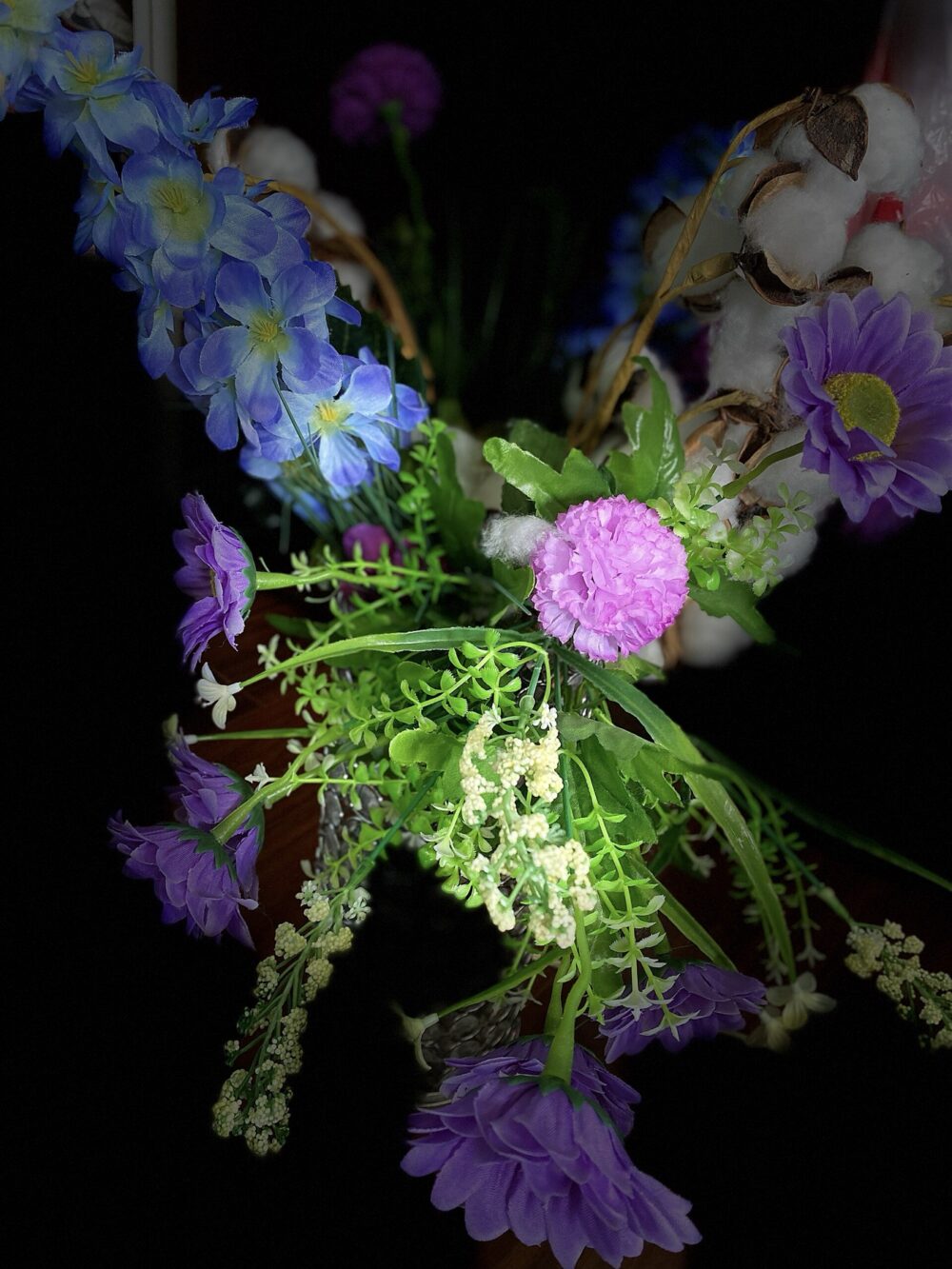
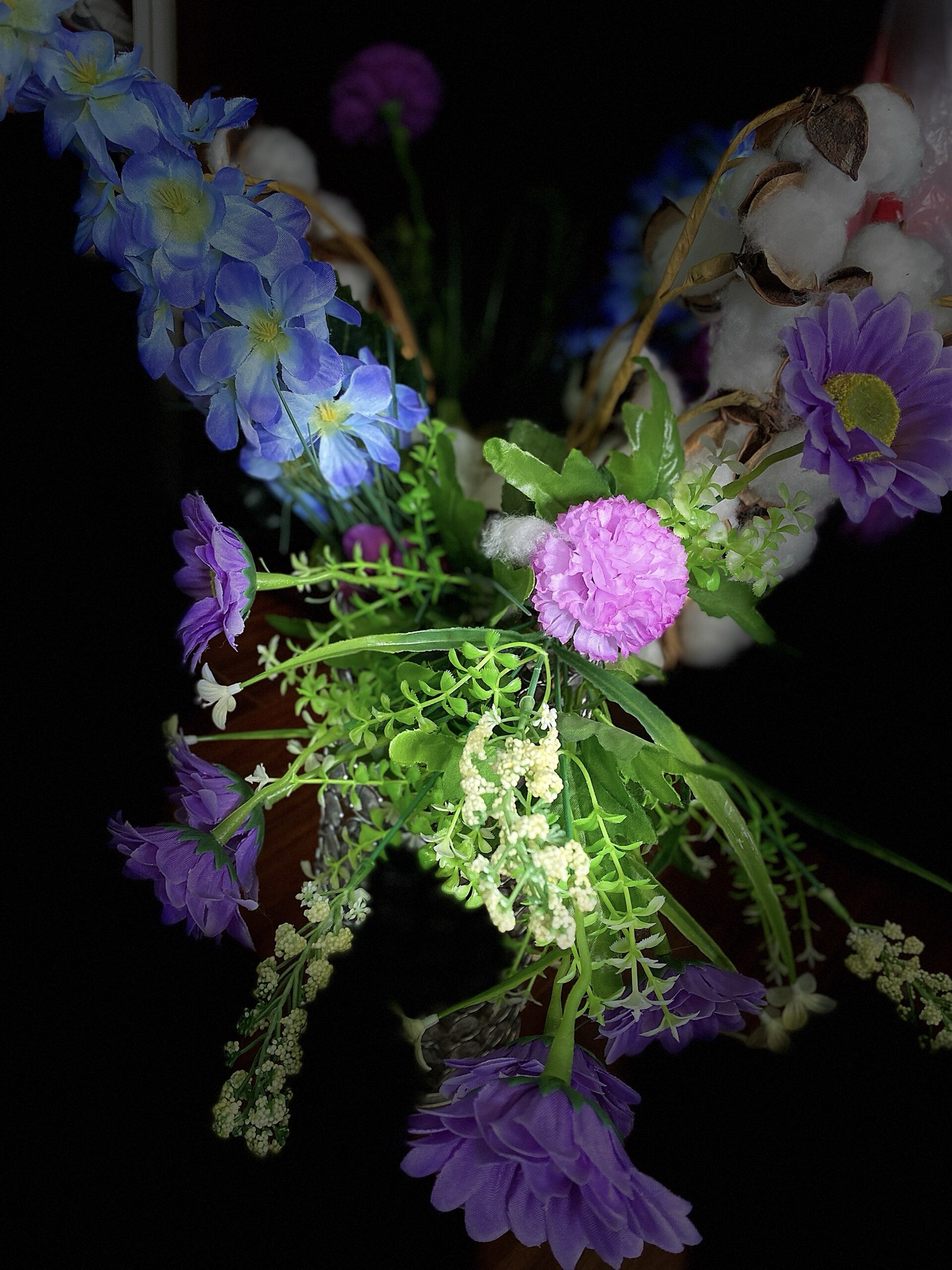
Artificial and faux flowers are man‑made replicas of real blooms, used heavily in home décor, weddings, and events. They’re typically made from materials like polyester “silk,” plastic, foam, paper, or mixed media, often with wire stems and molded leaves. Retail sites such as Afloral’s artificial flowers catalog show how broad the category is—bouquets, single stems, garlands, centerpieces, greenery, and seasonal picks all exist in faux versions.
Production is heavily concentrated in Asia, especially China, where factories specialize in:
- Mass‑market stems and bushes (roses, peonies, hydrangeas, eucalyptus)
- Event‑focused pieces (bouquets, arches, garlands, wreaths)
- Seasonal decor (holiday picks, poinsettias, faux greenery)
As DHgate’s own editorial coverage on fake tulips notes, artificial flowers have become a booming category, with many styles available online and in local stores and strong demand from buyers who want long‑lasting, low‑maintenance décor. That demand is what makes them attractive for wholesale: you can sell them year‑round and reuse leftover stock in later events.
In wholesale practice, you’ll usually be dealing with one of three supplier types:
- Factory‑direct sellers who make and sell their own designs.
- Trading companies who assemble assortments from multiple factories.
- Domestic importers/distributors who bring in bulk containers and resell smaller lots in the US.
Marketplaces like DHgate, Alibaba, AliExpress, and Made‑in‑China mainly list factories and trading companies, while US retail sites and local wholesalers act as the last mile to small buyers who don’t want to import.
Choosing and Vetting Cross‑Border Artificial Flower Suppliers
The quality gap in faux florals is huge—from dollar‑store plastic to stems that pass for real in wedding photography. You need a vetting process tailored to this product.
What to ask about the product itself
Use this short checklist when you message potential suppliers:
- Materials and feel: Ask, “Are the petals polyester, plastic, or foam? Are the stems wired?” High‑end “silk” polyester and textured petals usually photograph better than shiny plastic.
- Color stability: For outdoor or event use, ask if they’re described as UV‑resistant or colorfast, and request photos after exposure tests if available.
- Assembly level: Clarify whether you’re buying loose stems, pre‑made bouquets, garlands, or full centerpieces. Assembly affects labor costs on your side.
- Packaging: Crushed petals kill perceived quality. Ask how bouquets or stems are packed (bags, boxes, individual sleeves).
Many wholesale artificial flower suppliers offer customization and bulk discounts—a point DHgate’s silk flower sourcing blog emphasizes. If you’re building a brand or signature wedding look, ask:
- Can they match specific Pantone or hex colors for petals and ribbons?
- Can they build custom bouquets or garlands from existing stem SKUs?
- What are the price break points (e.g., one price for small cartons, lower price for many cartons), even if they don’t publish exact numbers?
Reliability and communication signals
Rather than generic “check reviews,” focus on signals that matter for this category:
- Photo consistency: Do listing photos look like original photography from one factory, or a random mix? Consistency usually means they control production.
- Catalog depth in florals: Sellers with dozens or hundreds of artificial flower SKUs are more likely to understand quality expectations for weddings and home décor.
- Sample flexibility: Ideal sellers will agree to a paid sample order of a few stems or one unit of each bouquet style before you order cases.
- Clear answers to technical questions: If they dodge questions on material or packaging, assume risk is high.
Scenario quick hits:
- Etsy or Shopify décor brand: You want distinctive designs, so prioritize customization and sample quality over the absolute lowest price.
- Wedding planner: Reliability and color consistency matter most; push hard on samples and photos of past bulk orders.
- Home décor dropshipper: Look for broad SKUs and consistent photography you can reuse, then test shipping damage rate with a small order.
Using DHgate and Other Channels for Bulk Artificial Flower Orders
DHgate’s editorial materials describe it as a global B2B marketplace that connects primarily Chinese manufacturers and suppliers with buyers worldwide, with a strong focus on wholesale and affordable bulk pricing. It sits alongside platforms like Alibaba, AliExpress, and Made‑in‑China, plus offline trade shows, as one of several ways to reach artificial flower factories.
Here’s how those options differ at a practical level:
| Channel | Typical Strengths for Faux Flowers | Typical Limitations for Small US Buyers |
|---|---|---|
| DHgate | Large catalog, competitive bulk pricing, many sellers open to small test orders; multilingual communication. | Quality and terms vary by seller; you must vet each listing yourself. |
| Alibaba / Made‑in‑China | Deep factory coverage and business‑oriented tools; good for high volumes and custom production runs. | Many suppliers prefer higher MOQs; negotiation can be more involved. |
| AliExpress | Retail‑friendly; easy for small trial orders and “market testing.” | Less focused on wholesale discounts; unit prices often higher. |
| Trade shows (e.g., China or regional gift shows) | In‑person inspection of samples; relationship building; you see true color and texture. | Travel cost and time; not realistic for very small or early‑stage businesses. |
How DHgate tends to work for artificial flower sourcing
DHgate’s blog emphasizes several behaviors that are useful for this category:
- Wholesale focus and bulk pricing: It highlights DHgate’s competitive pricing and discounting on bulk purchases, which suits low‑value, bulky items like artificial flowers.
- Ability to buy small, then scale: Editorial descriptions note that buyers can often purchase small quantities from DHgate sellers as tests, then place larger wholesale orders once they’re satisfied. This aligns well with a “sample first” strategy for faux florals, though it’s not a universal rule—each seller sets their own terms.
- Multilingual support: DHgate mentions having multilingual sales and support (English, French, Italian, Russian, Arabic, etc.), which can make it easier to clarify details such as colors and materials with sellers who are not native English speakers.
- Product comparison: Its wholesale tips article encourages buyers to compare multiple products and sellers on DHgate before purchasing and to time orders around platform sales to improve pricing. For commoditized stems or greenery, those comparisons can meaningfully change your landed cost.
If you decide to test DHgate for artificial flowers, treat it as a structured sourcing experiment:
- Search specifically: Use terms like “silk peony bouquet,” “artificial eucalyptus garland,” or “fake tulip stem” rather than generic “fake flowers,” so you get more focused results.
- Shortlist 3-5 sellers: Look for those with a broad floral catalog and detailed photos, then send each the same set of questions on materials, customization, bulk discounts, and sample options.
- Run a paid sample round: Place small orders from 2-3 suppliers. Check color, texture, stem structure, packaging, and damage rates in transit.
- Lock in a repeat‑order pattern: Once you find a reliable partner, standardize a reorder quantity and timing that match your event calendar or sales seasonality.
For broader guidance on working with DHgate sellers beyond just flowers, you can use decision frameworks in DHgateWiki’s focused articles like how to find wholesale suppliers on DHgate, how to find DHgate suppliers, and how to choose a DHgate wholesale supplier.
When another channel might be a better fit
DHgate is strongest when you:
- Want to test multiple styles of faux florals in small quantities before scaling.
- Care about competitive pricing on bulk but don’t need fully bespoke designs yet.
Alibaba or Made‑in‑China may be better if you’re ready for large, custom production runs (for example, an exclusive line of branded stems). AliExpress works if you only need tiny, ongoing quantities with minimal negotiation. A trade show is ideal once you have a stable business, clear volume needs, and budget to visit factories in person.
If you can’t find listings or sellers on DHgate that meet your quality bar or are unwilling to offer meaningful samples, that’s not a failure—it’s a signal to shift channels or work with a US‑based importer who’s already done the vetting.