
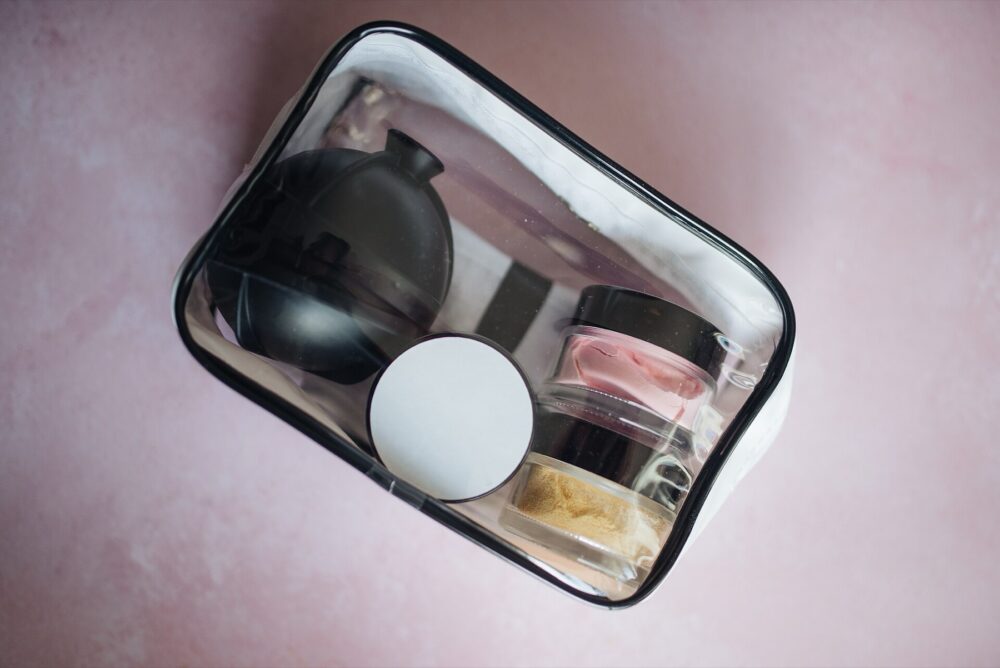
Wholesale beauty and cosmetic samples are bulk, sample-size products that brands and retailers buy to test formulas, run promotions, or offer “try-before-you-buy” experiences. If you’re a US small business looking at 500-2,000 units of skincare, fragrance, or makeup samples, your main sourcing choices are marketplaces like DHgate, domestic sample/packaging specialists, and wholesale marketplaces such as Faire. DHgate can be useful for low-cost, customizable packs straight from manufacturers, but you’ll need to be more hands-on about vetting and compliance than with US-based suppliers.
How Wholesale Beauty and Cosmetic Samples Work
Wholesale beauty and cosmetic samples means buying sample-sized versions of products—vials, sachets, minis, or blister cards—in bulk for business use rather than personal use. Retailers and brands use them to:
- test new formulas or shades with a small audience,
- include free samples in orders or subscription boxes,
- seed influencers or run event giveaways.
You might buy either:
- Finished samples (already filled with product, labeled, and ready to hand out), or
- Empty sample packaging (jars, vials, pumps, sachets) you fill with your own formulas.
US-based wholesalers like Qosmedix focus on beauty supplies and cosmetic packaging, including many sample-related formats. They serve businesses that need consistent, compliant packaging at wholesale scale. Packaging-focused suppliers such as Cosmopacks offer sample containers and cosmetic packaging solutions designed for brands.
On the finished-product side, marketplaces like Faire’s beauty samples category list sample products from multiple brands, letting independent retailers buy small wholesale lots—often with pre-made formulas and branding.
Cross-border, many beauty samples or their packaging are produced in Asia (including China), then shipped to US buyers via express or postal services. You’re typically dealing with minimum order quantities (MOQs) per design, color, or formula, plus the complexity of international shipping and US import rules for cosmetics.
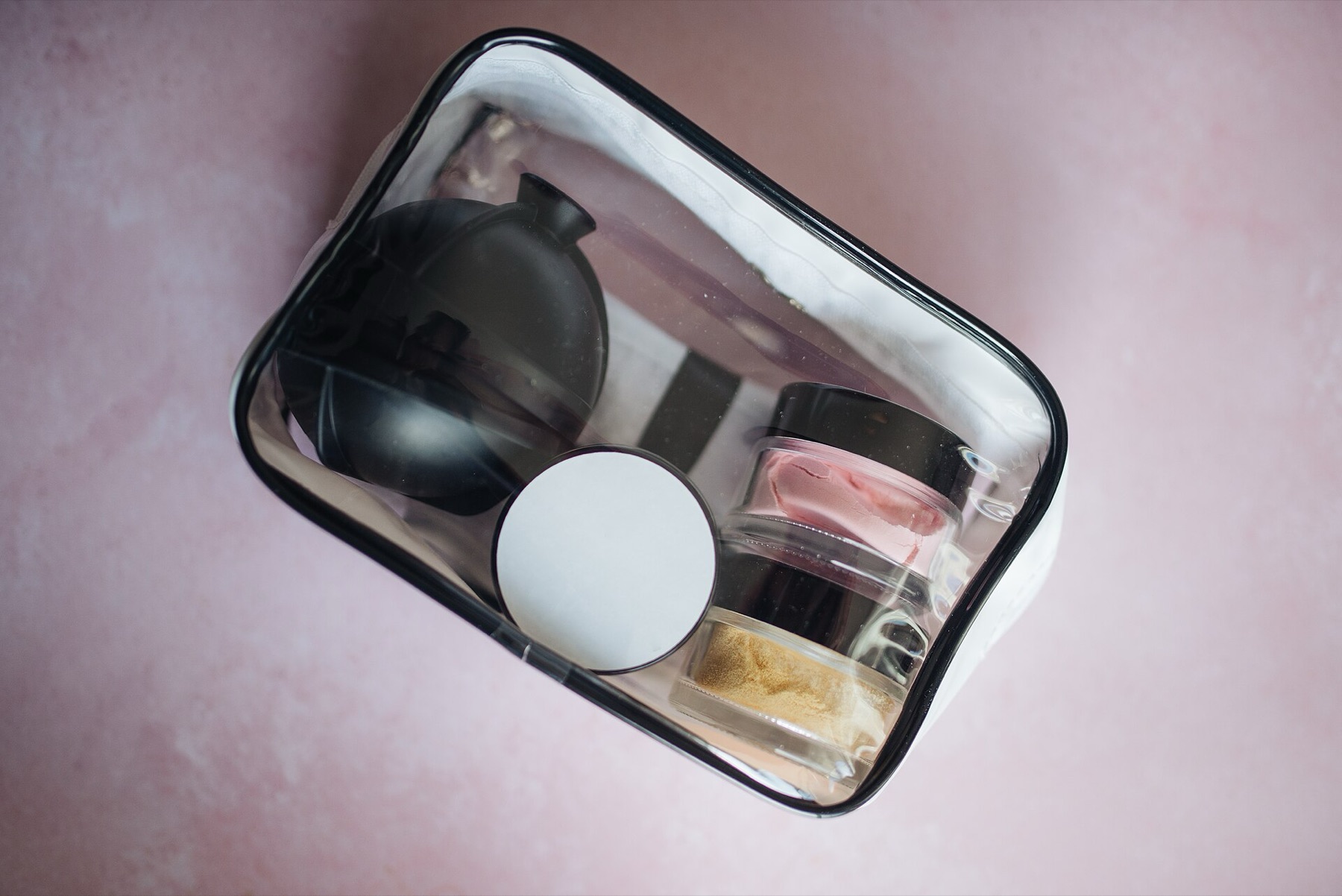
Choosing and Vetting Sample Suppliers Across Channels
For beauty samples, you’re not just buying “any” product—you’re buying something that touches skin, lips, or eyes. That raises the bar for vetting suppliers, especially outside the US.
Here’s how that plays out on the main channel types.
1. US sample/packaging specialists
With US-based wholesalers like Qosmedix or Cosmopacks, you’re usually sourcing empty packaging or basic tools. That simplifies regulatory risk because you control the formula and labeling.
When you evaluate these suppliers, focus on:
- Range of sample formats that fit your product (airless pumps for serums, small jars for balms, mini droppers for facial oils).
- Material details: plastic type, glass quality, closure style—all matter for leak-resistance and compatibility.
- Lead times and re-order reliability for ongoing campaigns.
Since these suppliers operate in the US, it’s easier to clarify documentation you may need for your finished product later (like where packaging is made, material specs, BPA-free claims) with your own legal or regulatory advisor.
2. Wholesale marketplaces for branded samples (e.g., Faire)
On marketplaces like Faire’s beauty samples section, you’re usually buying already-branded samples from indie or established beauty brands.
Channel-specific checks:
- Brand positioning: does the brand’s aesthetic and price point match your customers?
- Packaging presentation: are samples presentable enough to hand out as-is in your store or boxes?
- Wholesale terms: can you reorder at similar quantities, or do brands require bigger commitments once you scale?
You’re leveraging the brand’s existing formula, packaging, and (ideally) compliance work. However, you still need to confirm that sample use aligns with how you market your business and any advice you give customers.
3. Cross-border marketplaces (DHgate and similar)
DHgate is a China-based B2B marketplace that connects manufacturers and suppliers with global buyers, with beauty among many categories. You can find both empty sample packaging and finished cosmetics from different sellers, but DHgate does not operate as a manufacturer or universal guarantor—each listing is its own business.
DHgate’s own sourcing guidance highlights a few practical checks:
- Use filters and search tools to narrow down products (e.g., “cosmetic sample jars,” “airless pump bottle,” “lipstick sample palette”).
- Evaluate suppliers by looking at ratings, reviews, and transaction history before engaging.
- Request samples (of packaging or product) before committing to larger orders.
For beauty samples, convert those into concrete actions:
- Ask the seller for detailed material specs (e.g., PET vs. glass, pump mechanism) and photos of real production runs.
- For finished cosmetics, ask for ingredient lists and any documentation they can provide (such as third-party test reports). Then have a US-qualified professional review how those align with your obligations; this article is not legal advice.
- Start with the smallest feasible test order that still makes sense after shipping.
If any seller resists clear answers on materials, formulas, or production methods, treat that as a red flag—especially for anything applied to skin or near eyes.
Cost, MOQ and When DHgate Makes Sense for Sample Buying
For a US small brand testing a new product with 500-2,000 samples, cost and MOQ shape whether you should source domestically or cross-border.
Key cost drivers for beauty samples
Regardless of channel, your real cost per sample includes:
- Unit price of packaging and/or filled product
- Customization (printing, labeling, logo application)
- Import duties, taxes, and brokerage for cross-border orders
- Waste and breakage (leaking bottles, unusable labels)
How MOQs typically differ by channel
While exact numbers vary by supplier and are not listed in our data, MOQs tend to follow patterns:
- US packaging wholesalers (Qosmedix, Cosmopacks): MOQs often start at business-friendly levels for stock items, and increases are mainly driven by custom colors or printing.
- Wholesale marketplaces like Faire: MOQs are usually framed per brand and per SKU; sample packs are often sold in small case quantities, suitable for boutiques.
- DHgate and similar cross-border marketplaces: Many sellers are manufacturers or trading companies that expect MOQs per design. Custom colors, printing, or OEM work push those MOQs higher.
On DHgate, the platform’s blog suggests understanding wholesale pricing structures and establishing relationships with reliable suppliers as part of your sourcing strategy. That matters for samples: once you’ve validated a packaging format or sample kit, you want repeat orders with consistent specs.
A concrete scenario: 1,000 skincare samples
Say you’re a US indie skincare brand planning 1,000 serum samples in mini pumps.
You might compare channels like this:
| Channel type | What you buy | Typical advantages (editorial) | Main risks/limits (editorial) |
|---|---|---|---|
| US packaging specialist | Empty airless pumps + labels | Clear specs, easier communication, simpler logistics | Higher unit cost; you still must fill & label |
| Faire beauty samples category | Branded samples from partner brands | Ready-to-hand-out samples from known brands | Less control over formula; limited custom branding |
| DHgate cross-border supplier | Empty pumps or filled samples | Potential lower packaging cost; OEM/custom options | More complex vetting, import compliance on you |
DHgate makes the most sense in scenarios like:
- You mainly need packaging, not finished formulas. Airless pumps, jars, droppers, or mini compacts where you fill product in the US.
- You’re willing to invest time in vetting and testing, including ordering samples first, asking detailed questions, and possibly working with a consultant on regulatory implications.
- You expect repeat orders at scale once the format is validated, so upfront relationship-building and testing can pay off.
You’re probably better off with domestic or closer-to-home channels when:
- You want finished, customer-facing samples and don’t have resources to verify imported formulas.
- Your brand positioning demands specific certifications or claims that are easier to substantiate through local suppliers.
If you decide DHgate is worth exploring, pair this article with more tactical guides such as finding wholesale suppliers on DHgate, searching for DHgate suppliers, and choosing a DHgate wholesale supplier for step-by-step listing-level checks.
This article is editorial guidance, not legal or regulatory advice. For any imported cosmetic or skincare sample, especially finished formulas, consult a qualified professional about US requirements before distributing to customers.