
Wholesale access and networks let you piggyback on someone else’s infrastructure to reach wholesale supply or services without building that infrastructure yourself. For a US buyer or small ecommerce business, that might mean using a carrier’s fiber network to deliver service, a neutral-host network inside a warehouse, or a B2B marketplace’s platform to reach factories abroad. Your best route depends on how much control, scale, and verification you need.
What “Wholesale Access and Networks” Means for Business Buyers
The phrase comes from telecoms, where wholesale access means one operator allows another to use its facilities or network to deliver services to end customers. A legal-style definition is that it “enables an operator to utilize the facilities of another operator” so the second operator can serve retail users under its own brand.
That wholesale layer can be organized in different ways:
- Wholesale networks: Some companies build infrastructure—fiber, backhaul, switching—and sell capacity only to other businesses (ISPs, virtual ISPs) instead of serving households directly. A UK example is described by AllPoints Fibre as an operator whose network is used by ISPs and virtual ISPs rather than by consumers themselves.AllPoints Fibre overview
- Open-access or neutral-host networks: Here, one high-quality shared network is opened to many service providers. COS Systems describes open access fiber as a shared infrastructure where multiple providers compete over the same fiber rather than each building its own parallel network.Open access model
- Single wholesale and wholesale open-access mobile networks: In the mobile broadband world, some countries tried government-initiated single wholesale networks or wholesale open access networks for 4G/5G. GSMA notes these models have become less popular with policymakers compared with competitive mobile networks.GSMA SWN overview
Regulators sometimes step in to keep these wholesale arrangements fair. For example, in Canada the federal department for innovation explains that the CRTC sets wholesale rates and open-access rules so competitors can use large telephone and cable companies’ networks on regulated terms.Canadian open access context That’s a telecom-specific example; the US has its own regulatory framework.
For ecommerce and cross-border sourcing, you can treat “wholesale access and networks” as shared infrastructure channels: routes where you rely on someone else’s network, platform, or logistics backbone to reach suppliers or deliver services without owning every piece yourself.
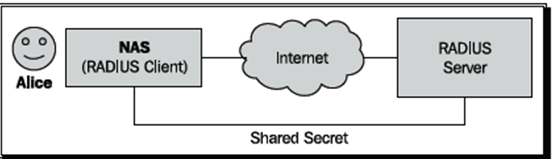
Evaluating Suppliers and Partners Using Wholesale Networks
When you plug into someone else’s network—fiber operators, neutral-hosts in large facilities, or marketplaces—you’re adding dependencies. You need to vet both the upstream network owner and the downstream supplier you actually buy from.
1. Wholesale carriers and fiber/network operators
If you’re buying connectivity or using network capacity as part of your business (for example, to run your own small ISP or to connect multiple warehouses), focus on:
- Who owns the physical infrastructure: Is it a wholesale-only network or a retail+wholesale operator? Wholesale-only operators may be more neutral among retail brands but can limit your options to the ISPs they partner with.
- Access model: Is it open access with many providers on the same fiber, or a single-provider network? Open-access models, as described by COS Systems, explicitly separate infrastructure from service delivery, which can increase competition and flexibility.Open access model
- Regulatory and standards alignment: Bodies like Broadband Forum are actively defining service requirements and best practices for wholesale access in full-fiber and cloud-era networks. Their work aims to improve automation and consistent quality across shared infrastructure, but these are industry initiatives, not universal law.Broadband Forum project
Quick check when speaking to a carrier or wholesale operator
- Ask which standards or industry groups their wholesale platform aligns with.
- Request reference customers in your country or region.
- Clarify service boundaries: what they guarantee at the wholesale interface vs what your own systems must handle.
2. Neutral-host and open-access networks in facilities
If you operate retail stores, warehouses, or shared spaces, you may encounter neutral-host Wi‑Fi or cellular systems or shared fiber within a business park. Here, verify:
- Who is responsible for uptime and upgrades—the building owner, a specialist neutral-host company, or a national carrier.
- How conflicts are managed when multiple tenants compete for limited capacity.
- Exit options: Can you bring your own provider onto the network later, or are you locked into a small list of approved ISPs?
Red flags include vague SLAs, no clear escalation path, and reluctance to discuss capacity planning.
3. Marketplaces and wholesale platforms
For cross-border product sourcing, your “network” is often a digital marketplace that connects buyers to overseas suppliers. To vet partners:
- Treat the platform as infrastructure and the seller as your real counterparty.
- Check seller-specific data: years active, product categories, whether they’re a factory or trader, and concrete performance measures like repeat orders and rating distribution (not just the average).
- Ask for process details: production capacity, typical lead times for your volume, and how they handle forecast changes.
Choosing the Right Wholesale Channel: Carriers, Neutral Hosts, Marketplaces, and Direct Deals
You have several ways to tap wholesale access. Each trades off control, complexity, and reach. The table below frames them for a small US buyer or ecommerce business:
| Channel type | What you’re accessing | Typical use case | Control vs dependency |
|---|---|---|---|
| Carrier wholesale / wholesale network | Telecom infrastructure (fiber, backhaul, access) | Connectivity for multi-site operations; small ISPs | High dependency on network owner; strong technical control if you have expertise |
| Neutral-host / open-access network | Shared physical network in an area or facility | Multi-tenant buildings, business parks, campuses | Medium dependency; more provider choice on top of shared infrastructure |
| B2B marketplace (e.g., DHgate) | Digital platform connecting you to many suppliers | Cross-border product sourcing at low–medium volumes | High dependency on platform rules; high flexibility among individual sellers |
| Direct manufacturer / wholesaler deals | Factory or distributor’s own capacity and logistics | Larger, repeat orders with stable SKUs | Lower platform dependency; higher relationship and contract management burden |
How carriers and neutral-hosts fit business scaling
If your business model itself depends on network access—say, you resell connectivity or operate data-heavy services across sites—carrier wholesale channels are core. You’ll negotiate capacity, quality-of-service parameters, and possibly co-location or backhaul.
Neutral-host or open-access networks are attractive if you want choice without digging your own fiber. In a fiber build-out, an open-access model lets one infrastructure owner invite multiple ISPs to compete over the same physical network, as described by COS Systems. That can mirror your situation in a business park where the landlord’s network supports several service brands.
Regulators sometimes encourage these shared models. The Canadian open-access program shows one way regulators set wholesale rates and rules so competitors can lease capacity from incumbents; this is not a universal blueprint but illustrates how policy can shape access.Canadian open access context
Where marketplaces like DHgate fit in your sourcing routes
For product sourcing rather than connectivity, B2B marketplaces are the clearest example of “wholesale access and networks” in ecommerce. A platform like DHgate acts as shared infrastructure: it aggregates cross-border sellers, listing tools, and payment rails so you can reach multiple factories and traders without building your own global sourcing network.
That can be useful when:
- You’re testing new SKUs or suppliers with small to mid-size orders.
- You want to compare offers across several regions without flying to trade shows.
- You need occasional wholesale purchases instead of long-term manufacturing contracts.
To keep this route buyer-first:
- Treat marketplace policies as a baseline, but negotiate seller-specific safeguards: quality specs, inspection steps, packaging, and re‑order terms.
- Use independent checks where possible—sample orders, third-party quality control, and clear documentation of what constitutes an acceptable product.
- Combine platform sourcing with other research: trade-show visits, industry associations, or direct factory outreach. Internal DHgateWiki guides like find wholesale suppliers on DHgate and choose a DHgate wholesale supplier can help you make marketplace-specific decisions when you’re ready.
Direct deals: higher commitment, more control
If you grow into larger, repeat orders and want tighter control over brand, packaging, and exclusivity, direct contracts with manufacturers or regional wholesalers usually make more sense than staying purely on shared platforms. You’ll move from platform-level infrastructure to your own relationship network: supplier agreements, logistics partners, maybe dedicated capacity on carriers or freight forwarders.
That shift gives you more room to negotiate long-term pricing and customization, but you lose some of the plug‑and‑play flexibility of wholesale access networks. Knowing how those networks work—and where they stop—helps you decide when to rely on shared infrastructure and when to build more of your own.