
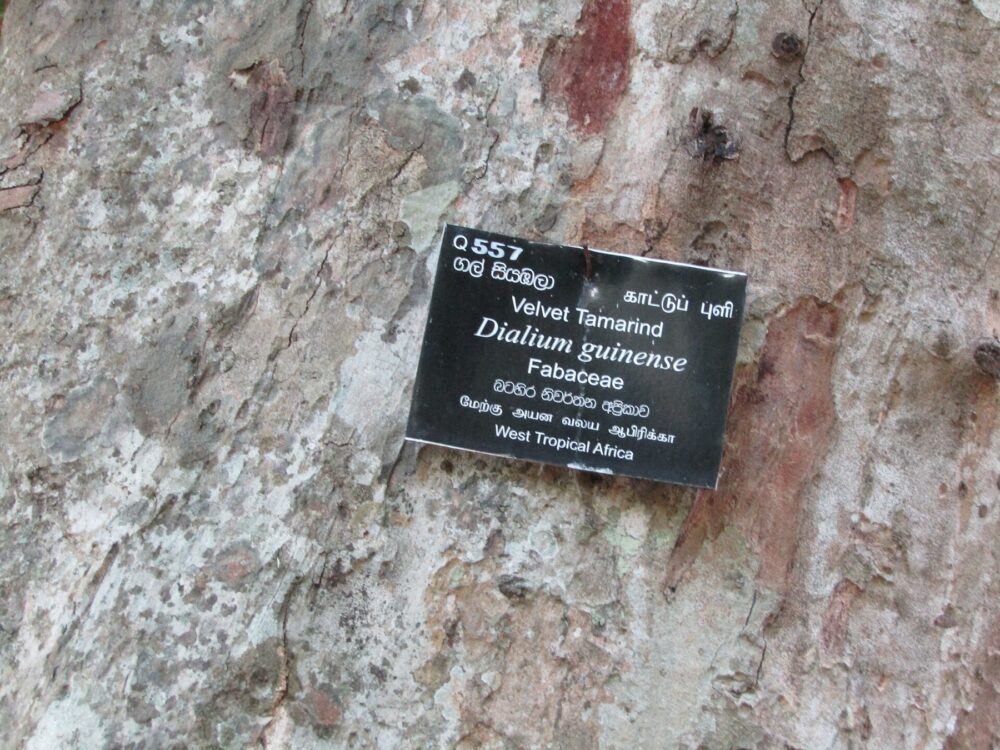
Velvet tamarind is a tropical Dialium tree that produces small, dark pods traded in niche food and herbal markets. If you’re in Australia looking to buy velvet tamarind seeds or bulk fruit online, you’ll mostly be dealing with exporters and traders in producing regions via B2B marketplaces or specialist vendors. Your main decision is less “which website?” and more “which supplier type, origin, and processing standard match my risk tolerance and order size.” Start with small, documented shipments while you learn the supply chain.
Velvet Tamarind Fruit & Tree in the Wholesale Supply Chain
Velvet tamarind refers to several closely related Dialium species. A product page from Star Laboratories describes velvet tamarind as a tropical, fruit‑bearing tree with regional variants noted in West Africa and Southeast Asia, producing distinctive pods with a powdery pulp inside the shell.Velvet tamarind profile This matters for sourcing because you’ll see different origin claims: West African-origin fruit is often sold into herbal and snack markets, while Southeast Asian-origin trees may show up more in horticultural and regional food uses.
In global trade, velvet tamarind usually rides along with broader tamarind and tamarind-seed supply chains rather than having its own big category. Large B2B directories list tamarind pulp, seed, and seed powder from suppliers in Thailand, India, and other producing countries, mainly aimed at bulk export buyers.Tamarind suppliers directory Velvet tamarind may appear as a niche item in that broader catalog or be offered by smaller regional exporters who specialise in African or Southeast Asian botanicals.
For seeds, you’ll see two distinct products:
- Planting seeds from Dialium species for horticulture or agroforestry.
- Processed seeds or seed powder used in food/industrial applications, often grouped under generic “tamarind seed” listings.
Generic tamarind seed pages on B2B marketplaces (for example, the tamarind seed suppliers directory on Alibaba) can be useful starting points, but you’ll need to ask directly if they handle velvet tamarind specifically, and what species they’re selling.
Evaluating Online Velvet Tamarind Seed and Fruit Suppliers
Because velvet tamarind is niche, you’ll usually be vetting exporters and herbal product vendors rather than big branded food companies. General herbal‑extract vendor guidance stresses a few concrete checks: certifications where relevant, transparent sourcing narratives, and some form of third‑party testing; and that buyers should research vendor reputation before committing to a purchase.Dragon tree vendor guidance You can translate that into practical velvet tamarind checks.
When you find a potential supplier:
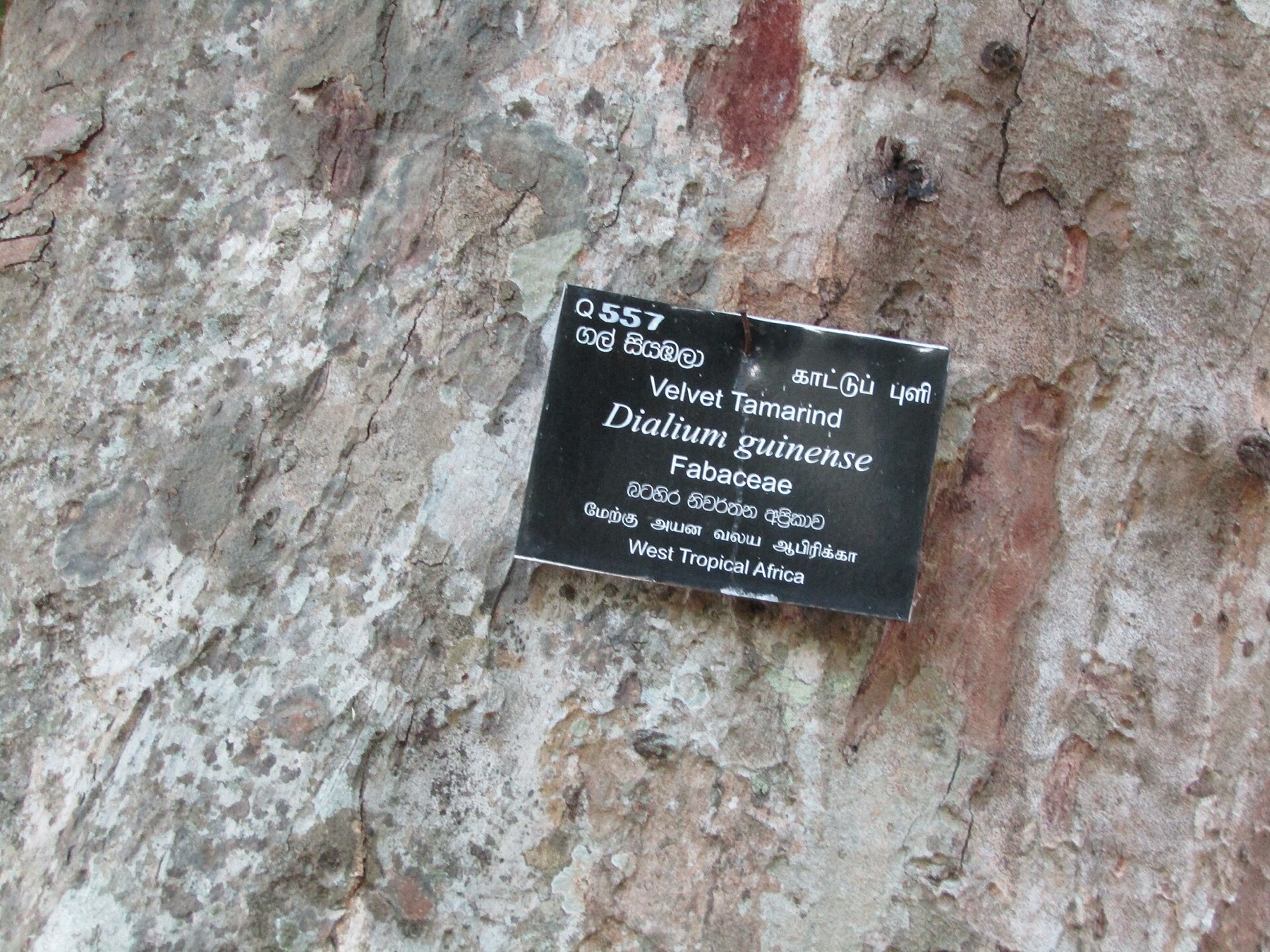
- Pin down species and origin. Ask explicitly which Dialium species they are selling and the country/region of harvest. For example, is it Dialium guineense from West Africa or a Southeast Asian Dialium species? If a listing just says “tamarind” or “tamarind seed,” clarify that you need velvet tamarind.
- Clarify product form and processing. Velvet tamarind may be offered as fresh pods, dried pods, cleaned pulp, seeds, or seed powder. Request details on:
- Drying method (sun‑dried vs. mechanical)
- Any added ingredients (sugar, preservatives)
- Cleaning/grading steps for seeds
- Ask for lab or quality documentation. For edible or herbal use, ask for:
- Basic microbiological or contaminant testing (a certificate of analysis from a third‑party lab, if they have one)
- Any HACCP, GMP, or organic certifications, if they claim them
The goal isn’t perfection, but avoiding vendors who can’t provide any documentation at all.
- Check reputation and trade history specifically for botanicals. Look for:
- Presence on recognised B2B directories (for example, being listed among verified tamarind or tamarind seed suppliers on Go4WorldBusiness)
- Consistent company name, address, and contact details across platforms
- Buyer reviews that mention quality, not just fast shipping
- Request small trial shipments. For an Australian ecommerce business, start with a small parcel shipment—enough to test flavour, shelf life, and customer interest—before booking pallets or containers. Use those trials to check:
- Actual taste and appearance versus photos
- Breakage or mold issues on arrival
- How the supplier handles documentation and packing
Quick supplier signal checklist for velvet tamarind
You can use this inline checklist when evaluating a listing:
- Species named and origin stated (country and, ideally, region)
- Product form detailed (pods, pulp, seeds, powder) with processing steps
- At least one recent lab test or certificate of analysis for edible products
- Clear photos that match the description
- Company described as exporter or trader with a track record in botanicals or tamarind products
If you’re missing two or more of these signals, treat that supplier as exploratory only—appropriate for very small personal orders, not retail‑scale sourcing.
Order Size, Pricing, and Choosing the Right Sourcing Channel
Once you know the product you want, the choice of channel depends heavily on volume, how much control you need over quality, and your appetite for admin and logistics.
Here’s a practical way to think about channels for velvet tamarind seeds and fruit:
| Typical need (Australia buyer) | Best-fit channel type | Examples from research | Why it fits |
|---|---|---|---|
| Small test batch for a niche online store | General marketplaces, small specialist shops | General seed/plant marketplaces; small regional exporters | Low MOQs, easy checkout, good for learning the product |
| Regular boxes for a specialty grocery/food brand | Verified suppliers on B2B directories | Tamarind/tamarind seed listings on Alibaba, Go4WorldBusiness | Export‑oriented, used to documentation and bulk negotiations |
| Industrial quantities (seed powder, extracts) | Direct deals with processors/exporters | Contacts found via bulk directories and trade leads sites | Better for custom specs and long‑term contracts |
Large B2B directories such as Alibaba’s tamarind seed suppliers list and tamarind pages on Go4WorldBusiness are designed for bulk quotations. Suppliers there usually expect you to request quotes, negotiate terms, and discuss MOQs. They’re more natural fits when you’re planning repeated imports or private‑label products.
For very small or exploratory orders—say you just want to test velvet tamarind seeds in a garden line or trial snack packs—general marketplaces can reduce friction. Editorial material on DHgate’s blog describes DHgate as an e‑commerce platform offering a broad range of plant seeds via multiple third‑party sellers, with buyer reviews available to help assess vendors.Buying seeds on DHgate DHgate may or may not have velvet tamarind specifically at any given time, but the pattern is useful: you can use such marketplaces to place low‑risk seed or small‑batch orders, then move to more specialised channels once you confirm demand.
If you explore a general marketplace route, keep it very concrete:
- Search by both “velvet tamarind” and “Dialium”; expect sparse results.
- Read seller reviews for comments on seed viability or fruit freshness (not just shipping speed).
- Prefer sellers that show multiple seed or botanical listings; they’re more likely to understand plant products.
As your volumes grow, it’s usually worth transitioning away from ad‑hoc marketplace purchases to relationships with exporters found via B2B directories or regional trade contacts. That’s where you can negotiate consistent grade, packaging tailored to Australian import handling, and potentially better long‑term pricing.
If you decide that DHgate or similar marketplaces look useful for seed‑level tests, you can pair that with more focused guidance on how to find wholesale suppliers on DHgate once you’re ready to formalise a sourcing strategy.