
Thunder Bay amethyst wholesale is dominated by a small group of Canadian mines and brands, not by big global marketplaces. If you’re a US crystal or metaphysical seller and you want authentic Thunder Bay material, your primary options are mine-linked wholesalers and specialty dealers; DHgate and similar marketplaces are better suited for generic amethyst where locality isn’t critical and you’re mainly chasing price and volume.
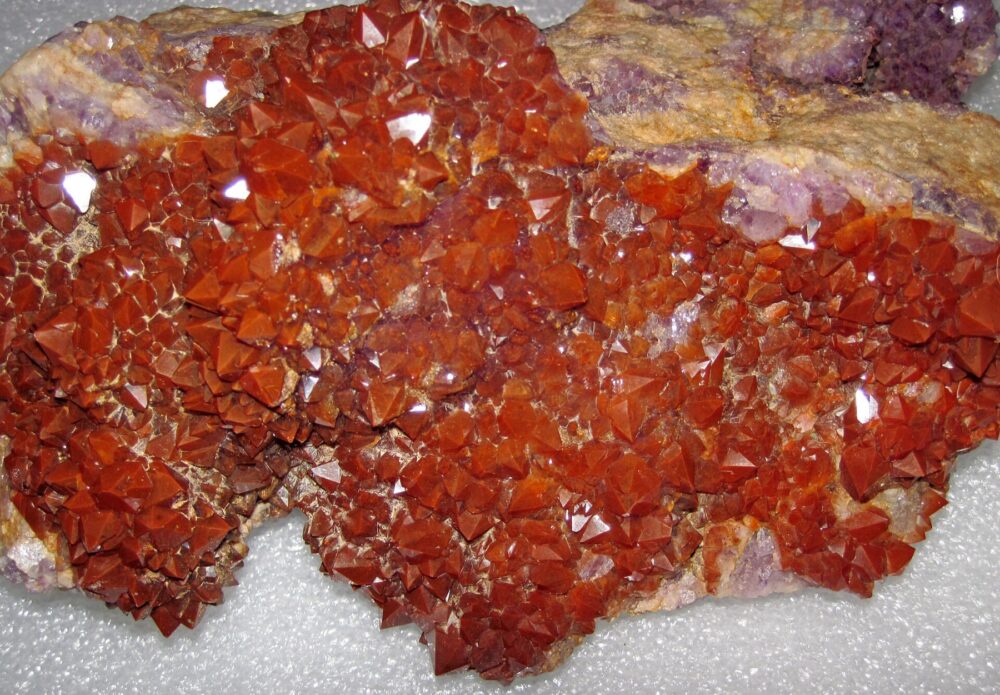
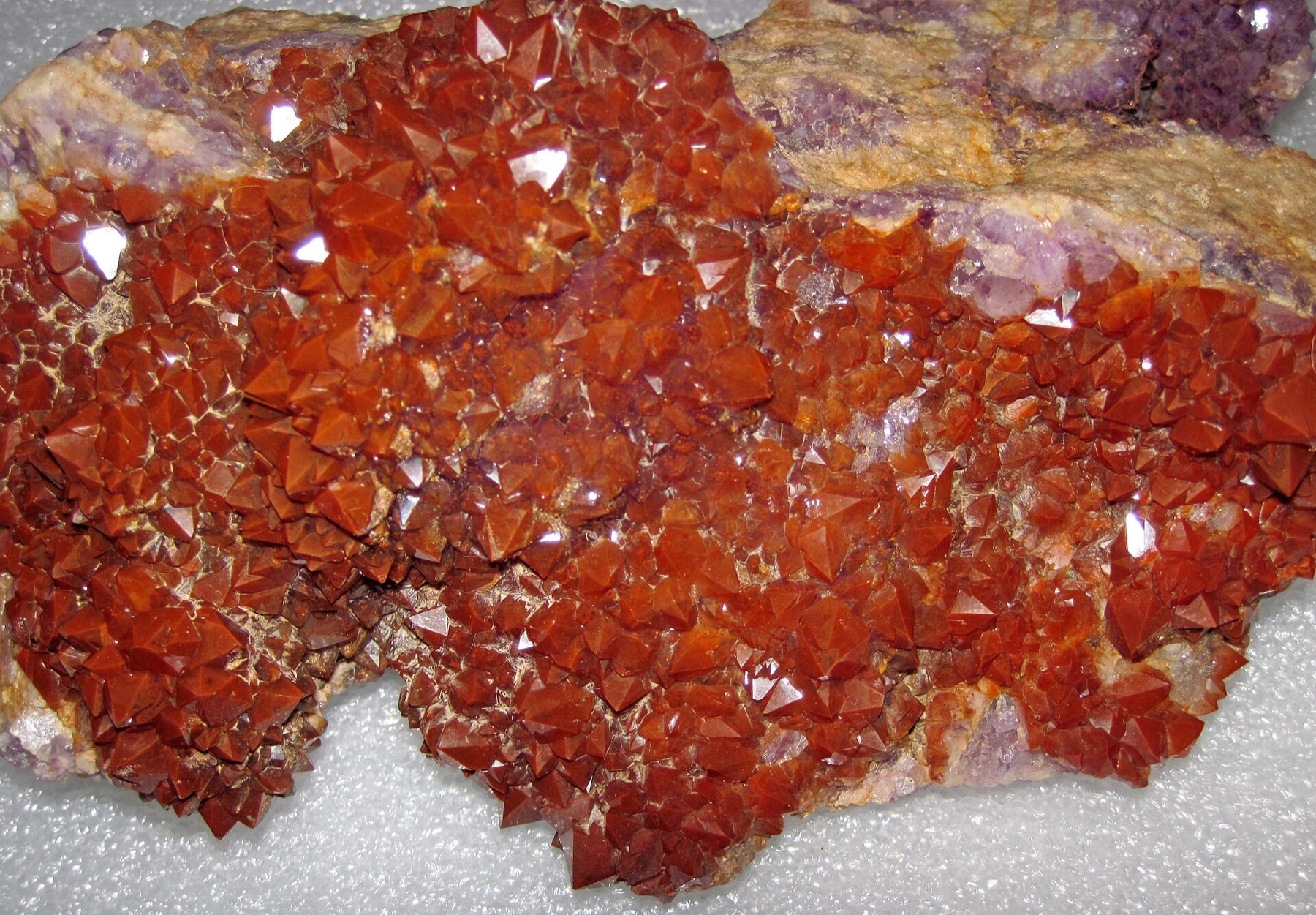
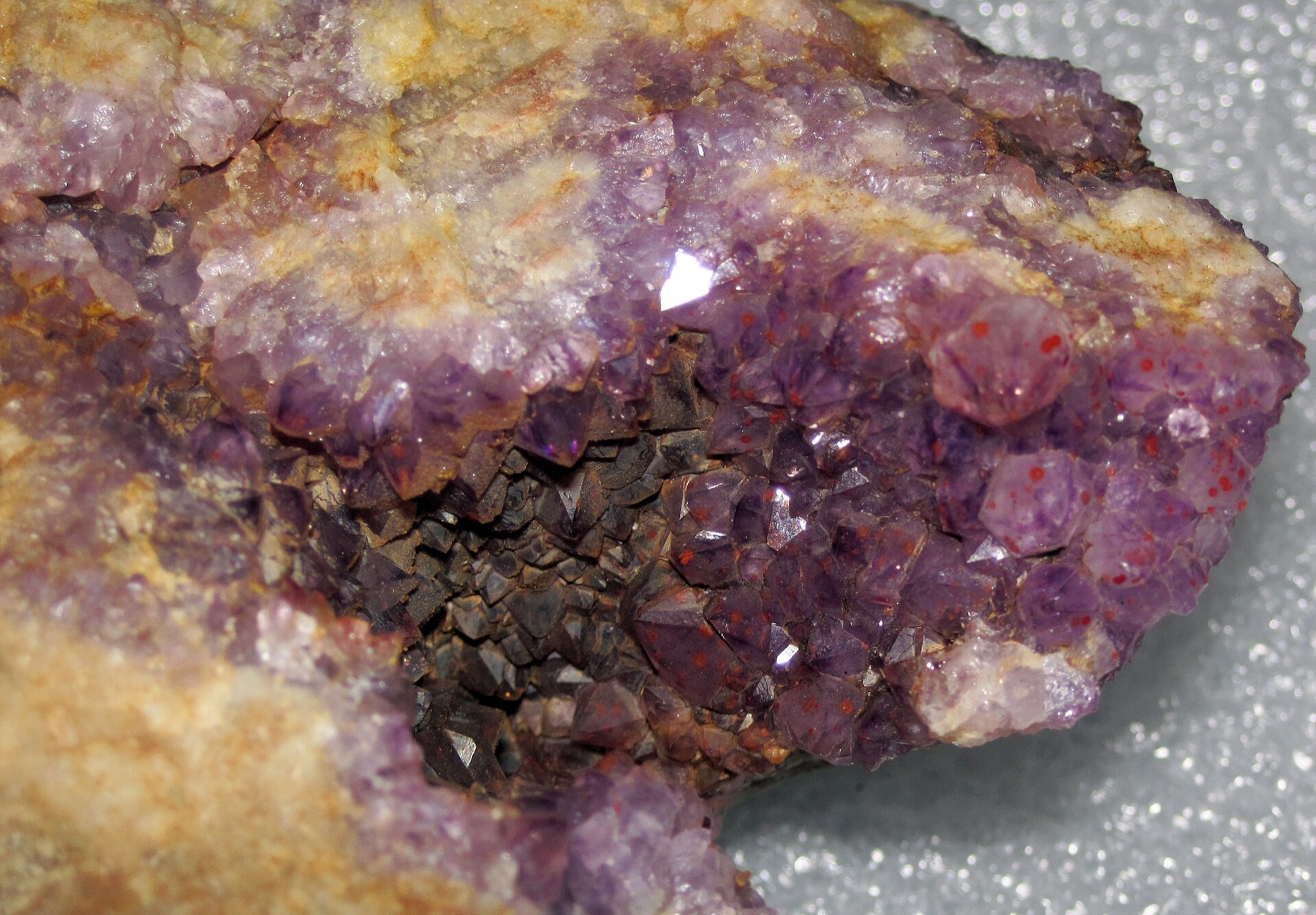
Thunder Bay, Ontario is a well-known amethyst locality, with deep purple crystals that often show red or brownish hematite coatings and inclusions. a0Wikipedia a0on amethyst notes Thunder Bay among notable sources, and that locality focus is exactly what collectors and serious metaphysical buyers pay for. Keeping that in mind will shape which sourcing channel actually fits your business.
How Thunder Bay Amethyst Wholesale Works
Thunder Bay amethyst wholesale basically means bulk access to material from mines in the Thunder Bay region, structured so resellers can buy multi-piece lots instead of individual specimens.
On the supply side you see two main patterns:
- Mine or mine-brand wholesalers. Operations around Thunder Bay offer branded material and structured wholesale or bulk programs. For example, Diamond Willow Amethyst Mine publishes a wholesale section and separate bulk-lot collections for Thunder Bay material, with lots organized into multi-piece sets rather than one-off specimens a0(Diamond Willow wholesale, bulk lots). Amethyst Mine Panorama near Thunder Bay sells locality-branded amethyst through its boutique as well a0(Amethyst Mine Panorama boutique). Brands like Amethyst Kings also promote “Thunder Bay” wholesale flats of amethyst clusters.
- Retail-only sellers and specialty shops. Sites such as a0FossilEra, Etsy shops, and independent mineral dealers list individual Thunder Bay pieces (clusters, chunks, polished freeforms). These are typically one-off retail listings rather than structured wholesale programs.
For a US reseller, that distinction matters. If your business needs repeatable stock a0 dozens of mid-grade clusters every month, for example a0 you’ll probably have to work directly with a mine-linked wholesaler or a brand that has its own bulk program. Retail-only sellers are better for occasional feature pieces and upsell items.
Selecting and Working With Thunder Bay Amethyst Suppliers
If you’re serious about carrying Thunder Bay as a named locality, treat supplier selection like you’re buying a wine by vineyard, not just by grape. Here’s a practical path.
- Decide how “locality-specific” your catalog needs to be.
- If your audience is collectors and metaphysical practitioners who ask for Thunder Bay, Auralite-style, or “red cap” amethyst by name, you should prioritize suppliers directly tied to the Thunder Bay region (mine operations, branded Thunder Bay wholesalers, or specialty dealers that state locality clearly).
- If your buyers mainly want purple points and clusters at certain price points, you may not need Thunder Bay specifically and can broaden your options later.
- Map supplier types and target at least one in each bucket.
- Mine/brand wholesalers such as Diamond Willow (wholesale and bulk-lot pages) and Amethyst Kings’ wholesale flats are your first stop if you want consistent Thunder Bay material.
- Specialty mineral retailers like FossilEra can help you understand current retail aesthetics and price-per-piece expectations for Thunder Bay, even if you don’t buy bulk from them.
- Check origin and branding cues.
- Look for locality explicitly labeled as “Thunder Bay, Ontario, Canada” on product pages.
- For mine brands, confirm they clearly link their shop back to a specific mine or region (Amethyst Mine Panorama’s site does this directly).
- Inspect photos for the typical Thunder Bay look: purple quartz points with reddish-brown hematite coatings or inclusions; not proof on its own, but a useful sanity check.
- Request structured samples before committing to bulk.
- Aim for a small lot that reflects the mix you’d receive in wholesale a0 for example, a handful of clusters across the color and clarity range described in the bulk-lot text.
- Ask the supplier to describe their grading (A/B/C, or “display vs table stock” style language) and send photos of representative pieces from each tier.
- Clarify how bulk lots are built and replenished.
- Mine-linked wholesalers often assemble lots by weight ranges, piece counts, or visual grade. Diamond Willow’s bulk-lot pages show that multi-piece structure in action, though you should confirm the current format directly.
- Ask: If I reorder in three months, will my lots look similar a0 same mine area, similar color range, comparable crystal arrangement?
- Plan for cross-border logistics from Canada to the US.
- For natural stones, you’re usually dealing with standard import duties and shipping costs rather than complex regulation, but factor in: courier rates, any brokerage fees, and how often you plan to reorder.
- Higher-value, lower-volume lots (collector-grade Thunder Bay specimens) tolerate more shipping cost per piece than inexpensive “table stock” chunks and clusters.
Red flags specific to this niche include vague locality claims (“Canadian amethyst” without Thunder Bay specified), stock photos reused across many listings, and suppliers who can’t explain their connection to the region beyond “we were told it’s Thunder Bay.” In those cases, either treat the material as generic amethyst or walk away.
Channel Choices for Thunder Bay and Other Amethyst (Including DHgate)
Once you know what your buyers actually want, you can pick a sourcing channel that fits both locality and margin. Here’s how the main routes stack up for a small US business.
Who Each Channel Serves Best
| Channel / source type | What you actually get | Typical buyer fit | Thunder Bay locality strength |
|---|---|---|---|
| Canadian mine / brand wholesalers (e.g., Diamond Willow, Amethyst Mine Panorama, Amethyst Kings) | Bulk lots and wholesale programs of Thunder Bay material, often multi-piece sets with structured grading and branding | Crystal shops and online sellers that feature locality lines, want repeatable Thunder Bay stock | Strong a0 direct connection to region and mine-branded material |
| Specialty mineral retailers (FossilEra, select Etsy/eBay sellers) | Individual Thunder Bay specimens, often higher visual quality but priced per piece | Shops adding a few hero pieces or testing demand before wholesale | Moderate a0 origin usually stated, but terms are retail, not wholesale |
| General marketplaces | Broad ranges of crystals and gemstones sourced mainly from China-based suppliers; Cross-border multi-seller editorial describes tiered pricing and small-quantity access across many categories a0(Cross-border multi-seller marketplace overview, tiered pricing description) | Sellers prioritizing low unit cost and flexible MOQ for “amethyst” generically (tumbled stones, points, generic clusters) | Weak a0 usually not focused on Thunder Bay as a locality; treat listings as generic amethyst unless clearly proven otherwise |
For true Thunder Bay stock, the mine/brand wholesale route is the most direct and repeatable. You trade higher landed cost per piece for confident locality, storytelling (“sourced from Thunder Bay, Ontario”) and the ability to build collections and subscription boxes around a single region.
For broader amethyst inventory (points, spheres, jewelry, altar sets) where buyers rarely ask “Is this Thunder Bay?”, DHgate-style marketplaces can be a useful secondary channel. DHgate’s own editorial blog describes it as a China-based B2B marketplace with tens of millions of products and tiered pricing that rewards larger orders, while still allowing small-quantity purchases.
If you explore DHgate for amethyst:
- Search by shape and use a0 “amethyst cluster,” “amethyst point,” “amethyst bracelet” rather than “Thunder Bay amethyst.” You’ll mostly see China-sourced material.
- Focus on listing-level evidence: clear photos, detailed material descriptions, and any mention of origin. Do not assume locality-specific claims are accurate without corroboration.
- Use DHgate primarily to fill generic amethyst price points, and keep locality-branded pieces sourced from Canadian or specialist suppliers.
If you want help judging generic amethyst suppliers specifically on DHgate, you can borrow frameworks from broader sourcing guides like a0Find wholesale suppliers on DHgate, a0Find DHgate suppliers, and a0Choose a DHgate wholesale supplier.
A Worked Sourcing Scenario
Imagine you run a US online crystal shop and want a “Thunder Bay Collection” plus everyday amethyst:
- You contact a Thunder Bay-linked wholesaler such as Diamond Willow for a small trial bulk lot, confirming it’s branded and described as Thunder Bay amethyst with hematite inclusions. This becomes your premium line with a clear story and higher per-piece price.
- You pick up a handful of individual Thunder Bay specimens from FossilEra or a reputable Etsy dealer to gauge your audience’s appetite for larger showpieces.
- You supplement with lower-cost, non-locality-specific amethyst clusters and points from a China-based marketplace, separating those products in your site copy (“Brazil/China amethyst” vs “Thunder Bay amethyst”) and pricing them for volume.
That split approach gives you authenticity where it matters and flexible margin everywhere else, without pretending every purple stone in your catalog came out of Ontario.