

Tire wholesale networks are the supply chains that move tires from manufacturers to retailers, auto shops, and online sellers. For a US small business, that usually means buying through regional distributors, dealer programs, or domestic B2B sites. Cross-border marketplaces like DHgate can be relevant in specific niches (off-road, trailer, private-label), but you should treat tires as safety-critical: vet specs, compliance, and total landed cost much more aggressively than you might for apparel or gadgets.
DHgate is a China-based B2B cross-border online marketplace that connects global buyers with Chinese manufacturers and wholesalers, including many automotive-related suppliers. Editorial material from DHgate describes it as a wholesale-friendly marketplace that can support small-quantity purchasing and tiered pricing, where unit cost drops as your order size increases.How To Buy Wholesale Products – Buying Beginner Guide Those mechanics can be attractive if you’re experimenting with new tire lines, but they don’t replace the structure and predictability of US tire wholesale networks.
If you’re unfamiliar with how those networks work today, it’s worth grounding your decision there first.
How Tire Wholesale Networks Work for US Small Businesses
A tire wholesale network is the combination of manufacturers, large distributors, and regional wholesalers that keeps shops stocked with passenger, light truck, commercial, and specialty tires. In the US, large distributors like National Tire Wholesale (NTW) and TireHub are central nodes.
NTW operates as a major distributor supplying retailers and auto service locations nationwide, working with multiple tire brands and using a branch model so local shops can get same- or next-day delivery in many markets.National Tire Wholesale (NTW) TireHub, a US-based distribution joint venture, illustrates the same idea: centralized warehousing and logistics that feed dealers and retailers with consistent inventory and brand programs.TireHub
For a small tire shop or ecommerce seller in the US, the usual paths into this network are:
- Opening accounts with distributors or regional wholesalers. This often involves business documentation, credit checks, and commitment to minimum volumes or program terms.
- Buying through local cash-and-carry wholesalers. Useful for new or very small shops that cannot yet meet program requirements.
- Using domestic online B2B platforms. Some distributors and wholesalers expose catalog and ordering tools via web portals, sometimes with basic price tiers.
These channels prioritize reliable brand supply, warranty support, and fitment coverage. They’re optimized for stocking popular US-market brands and sizes, not necessarily for ultra-low prices on untested imports.

If you stay within these networks, your main variables are margin, service level, and program eligibility. Once you start considering cross-border marketplaces, the mix of trade-offs changes.
Comparing Tire Sourcing Platforms: Distributors vs Marketplaces (Including DHgate)
Tire sourcing for a US small business now spans several platform types. They behave differently on price, minimum orders, and control. The table below focuses on operational differences that matter for tires without claiming platform-wide policies on payments or protection.
| Platform type | Typical MOQ and flexibility | Pricing behavior | Key buyer advantages |
|---|---|---|---|
| US distributors (e.g., NTW, TireHub) | Program-driven; expect ongoing volume and brand commitments | Program pricing with brand incentives and volume tiers | Reliable US-market brands, warranty support, local delivery coverage |
| Regional wholesalers / cash-and-carry | Often per-set; small orders usually allowed | Posted wholesale prices plus occasional deals | Ability to buy small quantities and react quickly to local demand |
| Cross-border B2B marketplaces (e.g., DHgate, Alibaba) | Often low or negotiable; varies by seller and listing | Seller-set prices; tiered unit pricing common as quantities riseWhere To Buy Cheap Wholesale Products Online | Wide supplier choice, scope to test niche or private-label tires, direct negotiation on specs and quantities |
Domestic distributors and wholesale outlets are still the backbone for US tire supply. By contrast, cross-border marketplaces such as DHgate sit on the platform side: they don’t own the tires, they host numerous independent sellers.
DHgate is described in its editorial materials as a marketplace that allows traders and buyers worldwide to purchase Chinese goods “in small amounts at wholesale prices” and notes that minimum order quantity requirements on DHgate tend to be lower than some other wholesale platforms.How To Order Wholesale Cheap Clothes From China Reports from the same blog also highlight a tiered pricing system and badges like “top merchant” and “China brand” as seller signals a buyer can use.Where To Buy Cheap Wholesale Products Online
That can matter if you:
- Want to test a small batch of off-brand or private-label tires without committing to a large container.
- Need matching accessories (valve stems, TPMS tools, wheel covers) alongside tires from the same or related sellers.
For small US buyers, the platform choice often boils down to one question: Are you prioritizing network reliability and US-brand support, or experimentation with lower-cost imports and niche products?
When DHgate Makes Sense for Tire Wholesale and How to Evaluate Sellers
DHgate is rarely a full replacement for a US tire distributor. It’s better viewed as a supplementary sourcing channel for specific scenarios:
- A small ecommerce business testing niche SKUs (e.g., off-road, trailer, ATV tires) that US distributors don’t carry or price competitively.
- A shop exploring private-label or house-brand tires for budget-conscious customers.
- A seller bundling less safety-critical items (wheels, covers, tools) with a limited selection of tires from the same overseas supplier.
Because tires affect safety and liability, use a structured evaluation rather than general marketplace habits.
1. Start with specs and markings, not price
For each listing, pull the full tire description and compare it against what you would expect from a US-market tire:
- Size (e.g., 225/45R17), load index, speed rating.
- Construction (radial/diagonal), intended use (passenger, LT, trailer, off-road).
- Any visible sidewall markings in photos.
Use the tire-code diagram below as a sanity check on whether the seller’s images and text align with the stated size and performance claims.
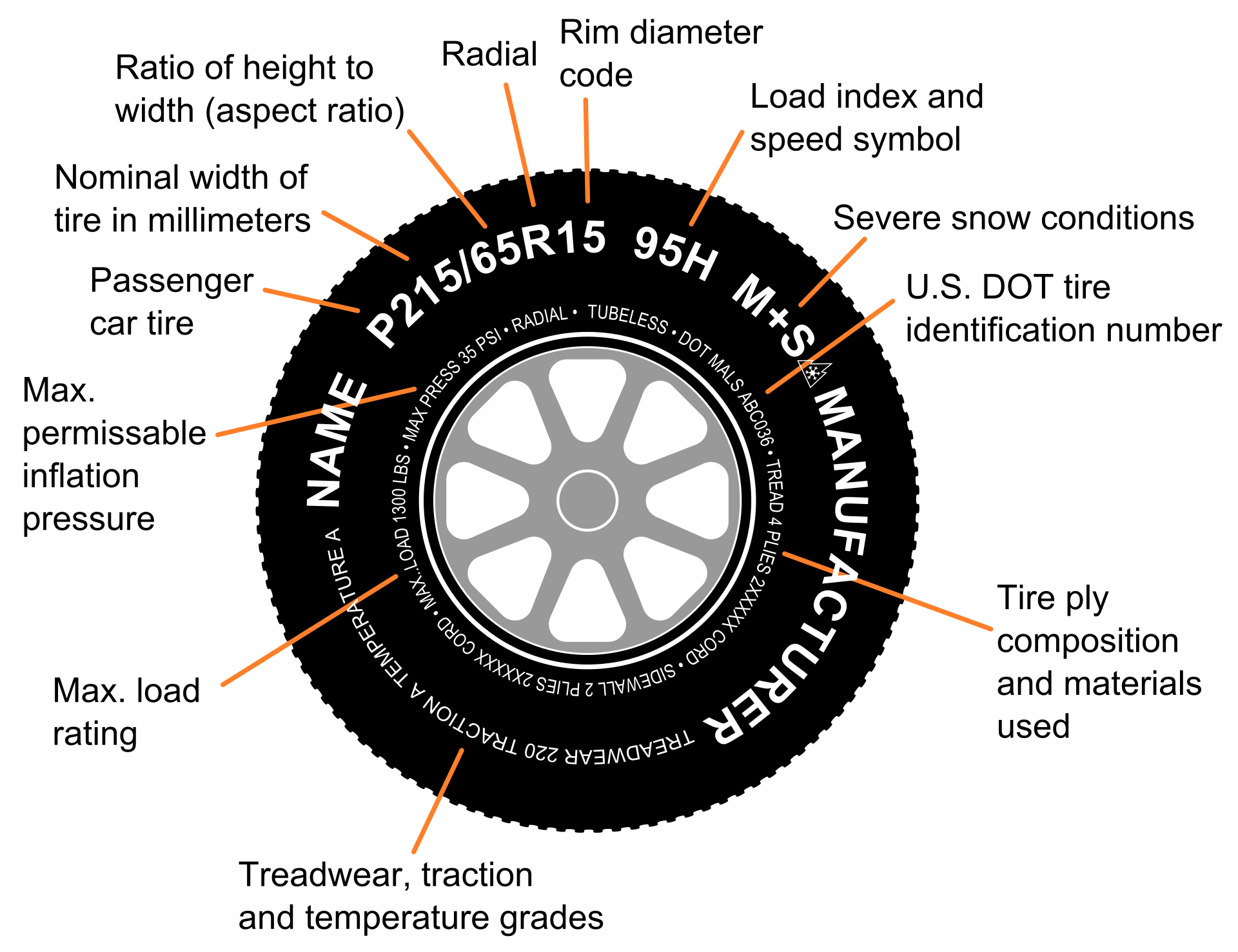
If markings are unclear, missing, or inconsistent with the listing text, treat it as a red flag and move on.
2. Check seller track record using marketplace-native signals
On DHgate, each merchant has its own store-level profile. Focus on:
- Sales history and ratings, especially for automotive or tire-related items.
- Badges like “top merchant” (high sales volume) and “China brand” (China-made products) as secondary indicators.Where To Buy Cheap Wholesale Products Online
- Review content that mentions tires, wheels, or automotive categories, not just general merchandise.
These are seller-specific clues, not platform-wide assurances. Use them to narrow your shortlist, not to decide in one step.
3. Clarify MOQ, samples, and repeat-order expectations
Editorial material from DHgate notes that minimum order quantity requirements on the platform often skew lower than some other wholesale sites, and in some cases sellers may list no formal MOQ.How To Order Wholesale Cheap Clothes From China For tire sourcing, treat this as an opportunity to ask precise questions rather than an assumption:
- What is the minimum order for each size?
- Can they supply a small trial order, and will pricing change for repeat bulk orders?
- How often the specific tire line is produced and how long they expect it to remain available.
Treat any answers as working information, not binding guarantees. You’re checking whether your business model—small tests, then scaling—fits how they operate.
4. Build a landed-cost comparison against your US options
Before you decide DHgate is cheaper, model your total landed cost per tire and compare it to a realistic US wholesale quote.
For each candidate DHgate supplier, consider:
- Unit price at your planned quantity (using the listing’s tiered pricing bands where available).Where To Buy Cheap Wholesale Products Online
- Estimated freight cost per tire (ask for carton or pallet dimensions and weights).
- Import-related costs your business may face (duties, brokerage, inland transport).
Then compare those figures to:
- Your current distributor or regional wholesaler pricing.
- Any domestic closeout or secondary-market options.
If DHgate is only marginally cheaper—or more expensive once freight and risk are factored in—sticking with your existing US network may be the more rational choice.
5. Decide which purchases should stay on US soil
Because tires are safety-critical and subject to regulatory and insurance scrutiny, many small US businesses draw a line:
- Mainstream passenger and light truck fitments (core SKUs, daily drivers): stay within US wholesale networks and recognized brands.
- Edge or niche categories (trailer-only, off-road use, non-highway applications, accessories): candidates for DHgate testing, with clear communication to end customers.
Use DHgate for experiments that won’t undermine your core reputation if a batch underperforms. Keep your bread-and-butter tire business connected to distributors such as NTW, joint ventures like TireHub, or other established US wholesalers.
If you need more background on DHgate’s marketplace model before committing to any cross-border sourcing, it can help to read a general overview such as What DHgate is and how the marketplace works. For broader platform comparisons, you can also look at online marketplaces and shopping platforms or a focused comparison like DHgate vs AliExpress, Alibaba and Temu; these resources frame DHgate in context without assuming tires specifically.