
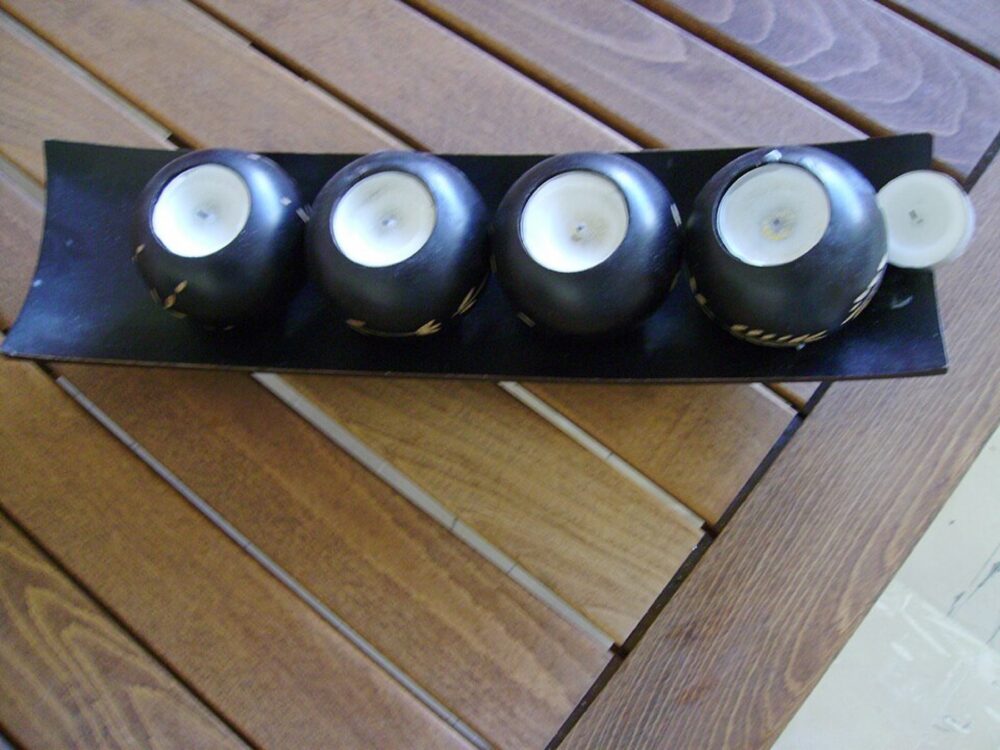
Tea light candle holders wholesale means buying bulk packs of small glass, metal, wood, ceramic, or resin holders so your per-piece cost drops enough to profit on resale or outfit an entire event. For a US buyer, that usually means working with event-focused wholesalers, decor importers, artisan platforms, or cross‑border marketplaces, each with different minimum order quantities (MOQs), lead times, and risk levels. Your job is to balance design and quality with unit cost and breakage risk so a 24‑pack for a micro‑event or a 300‑piece retail order still leaves margin after freight and damages.
This guide focuses on that business decision: which types of tea light holders fit which niches, how the wholesale supply chain works, what a “good” supplier looks like for fragile decor, and how to structure MOQs, pricing, and shipping so your order makes sense on paper.
How Wholesale Tea Light Candle Holders Are Made and Sold
Tea light candle holders are compact, shallow holders built for small tealight candles that burn for only a few hours. They’re commonly made from metal, glass, or clay, and often shaped or textured as leaves, flowers, animals, or geometric patterns. That decor‑first nature shapes the supply chain: you’re not just buying a container, you’re buying a vibe for weddings, restaurants, spas, or gift shops.
Production is heavily clustered in glass and ceramics regions (China, India, parts of Eastern Europe), but the wholesale channels you’ll see in the US look like this:
- Event and floral wholesalers – US‑based sites such as Wholesale Flowers & Supplies carry candles and holders with wholesale pricing and often no strict minimums, targeting florists and event planners.
- Event decor retailers in bulk – Stores like Paper Lantern Store and eFavormart focus on weddings and parties. They sell multipacks of glass votive and tealight holders, hurricane lanterns, and centerpiece pieces, often shipping from US warehouses.
- Craft and decor e‑tailers – Sites such as Save On Crafts bundle candle holders into 24-72 piece sets for small retailers and DIY event hosts.
- Artisan/indie marketplaces – On Etsy, many small makers offer bulk tealight holder packs (sometimes 50-100+ pieces) in wood, ceramic, or mixed materials, often pitched as “wholesale” or “retail supply.”
- B2B marketplaces and import routes – Cross‑border platforms list everything from clear glass cylinders to ornate crystal centerpieces and rustic wooden sets in multi‑piece lots for global buyers.
For a US buyer, the practical split is:
- Domestic stock for fast delivery, low or no MOQ, and predictable quality.
- Cross‑border manufacturing or trading for unique designs, broader variety, or lower per‑unit costs, often at the price of higher MOQ, longer transit times, and more complex packaging.
Evaluating Tea Light Holder Suppliers: Quality, Design, and Reliability
Because tea light holders are often glass or ceramic, your supplier choice has to account for both aesthetics and fragility. A beautiful design that arrives chipped or inconsistent is worthless.
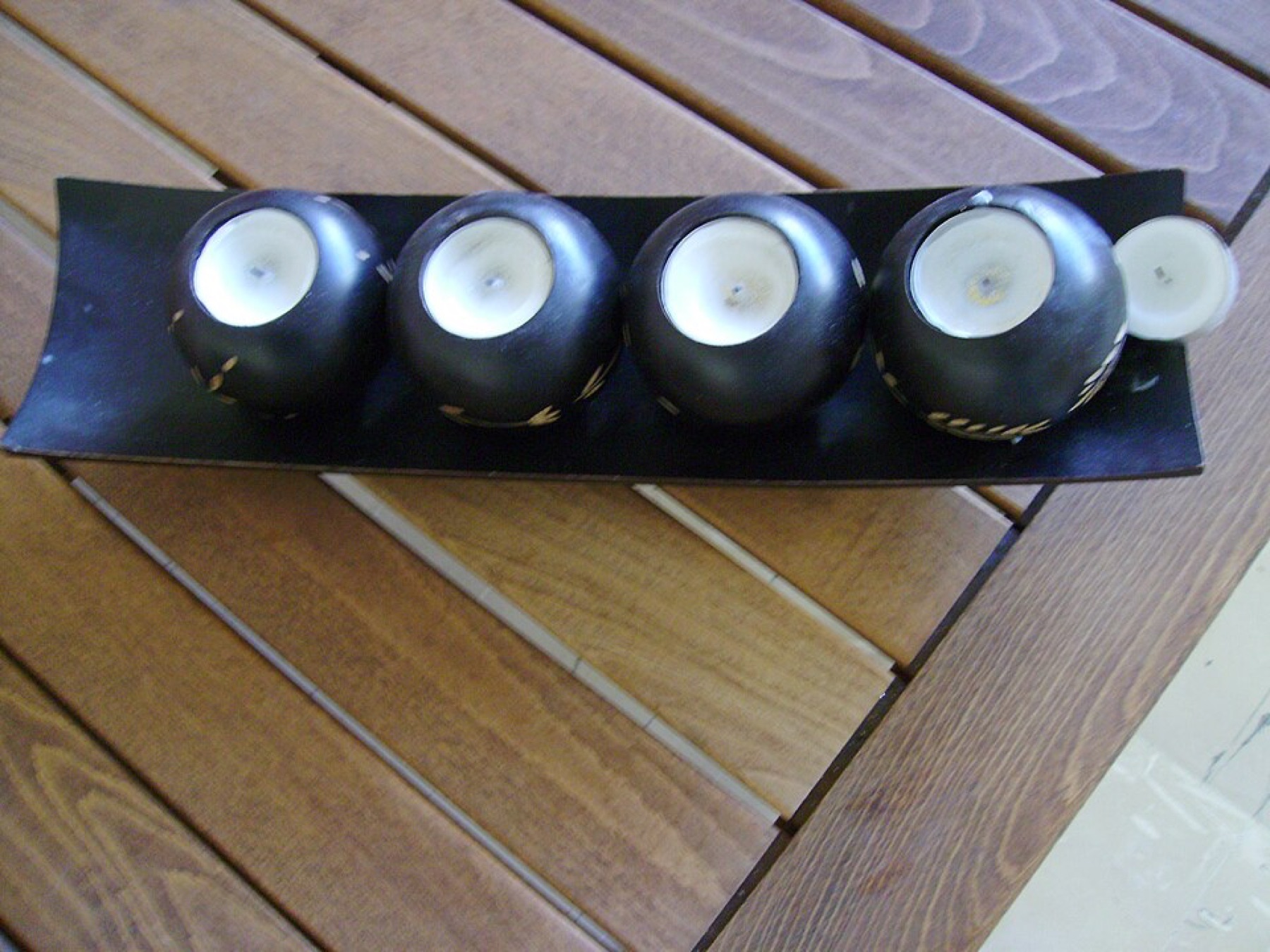
Here’s how to evaluate suppliers in a way that’s specific to this category.
1. Match their catalog to your niche
- Wedding/event focus: US sites like Paper Lantern Store and eFavormart curate around wedding, party, and venue needs: glass votives, lanterns, candelabras. They’re good fits if you need classic, repeatable styles and fast restocks for events.
- Gift or boutique retail: Bulk listings on Etsy and similar artisan platforms often emphasize handmade wood, clay, or mosaic glass holders. These can carry higher perceived value and higher price points in a shop.
- Restaurant/SPA/long‑term decor: Look for thicker glass or metal holders, simple shapes, and neutral colors that can survive daily use and cleaning.
Ask yourself: would I reorder 200 more of this exact design in six months? If the answer is no, that supplier probably isn’t your core wholesale partner.
2. Inspect materials and build quality
For any supplier, ask for close photos or samples showing:
- Material thickness: Thin glass is more likely to crack in transit and in use. Ask for measurements or compare samples from two suppliers side by side.
- Surface finish: For glass and crystal, check for bubbles, warping, or visible seams. For metal lanterns, look at welds and hinges. For wood, look at sanding and sealant (rough edges are a burn hazard).
- Heat handling: Tea lights burn hot in a small area. The holder should not scorch surfaces or crack after a few burns. With samples, test burn in a controlled setting.
With artisan makers, variation is part of the charm. For event work, you want that variation tightly controlled (or you need to price in higher reject rates).
3. Packaging and breakage controls
Fragile decor lives or dies in shipping. Ask specific packaging questions:
- Inner packing: Are holders individually boxed, separated by cardboard dividers, or bulk‑packed with minimal padding? Individually boxed pieces reduce breakage and simplify resale.
- Drop tests or past breakage rates: Many suppliers can share how they currently pack for export and what their typical breakage feedback is.
- Replacement approach: Without assuming any platform policy, ask the individual seller how they handle breakage photos and make‑good shipments on your orders.
For cross‑border suppliers, insist on seeing photos of packed cartons, not just the product.
4. Reliability signals you can actually check
Generic advice like “check reviews” doesn’t help much unless you know what to look for. Make it tea‑light specific:
- Photo reviews: Scan for buyer photos that show how holders arrived and how they look in real life on tables and mantels. Do they match the product photos?
- Bulk order mentions: Prioritize suppliers with feedback from wedding planners, restaurant owners, or shop buyers mentioning 50+ piece orders.
- Communication test: Before committing, send a detailed message about carton quantities, breakage, and lead times. How fast and clearly they respond is often a good proxy for how they’ll handle issues.
MOQ, Pricing, and Shipping: Structuring a Profitable Wholesale Order
Your profit comes from how you structure the order as much as where you buy. Tea light holders are low-ticket items, so every misstep in MOQ, freight, or packaging eats into margin quickly.
How order size shapes your channel
Here’s a simplified view of which channels tend to fit different order sizes and needs:
| Order scenario | Likely best channel | Why it fits |
|---|---|---|
| 24-72 pieces for a one-off event | US event decor sites or Etsy bulk listings | Fast shipping, low or no MOQ, simple returns via seller |
| 100-300 pieces for a small retail run | US event wholesalers, craft e‑tailers, artisan bulk | Manageable carton count, consistent designs, mid MOQs |
| 300+ pieces or custom branded designs | Cross‑border manufacturers or B2B marketplaces | Broader variety, lower per‑unit cost, access to factories |
Scenario: 100-300 piece retail order You run a US online home decor shop and want 200 clear glass tealight holders as a staple SKU. Event-focused US wholesalers with multipacks (12-48 units) let you test demand by buying 2-5 cases, then restocking quickly. Once you know it sells, you can compare per‑unit cost against a cross‑border supply route; if overseas sourcing only saves a few cents after freight and breakage, sticking with domestic stock may be smarter.
Scenario: 24-72 piece micro event order You’re an event planner doing a single wedding and need 48 rustic wooden holders. Domestic bulk packs or artisan bulk listings may cost more per piece but avoid overseas lead times and customs, and you don’t get stuck with leftovers because you can often order very close to your actual count.
What drives price and MOQ
Tea light holders look simple, but several factors quietly set your costs:
- Material and finish: Plain clear glass is usually cheapest; crystal, mosaics, hand‑painted ceramic, and intricate metal lanterns sit higher. Wood with live edges or engraving adds labor.
- Complexity of design: Sculptural shapes, cut‑outs, or 3D printed designs take more time and tooling, which often leads to higher MOQs.
- Packaging level: Individually boxed pieces cost more to produce and ship but reduce breakage and make retail display easier.
- Customization: Etched logos, custom colors, or branded sleeves usually push MOQ up because suppliers batch production.
When negotiating, ask suppliers for two or three breakpoints (for example, 100, 300, 500 units) and note how much you actually save at each level. Avoid jumping to a higher tier unless you have a realistic plan to sell through.
Shipping and fragility: getting cartons to the US in one piece
Fragile decor and cross‑border logistics can be a risky mix if you don’t plan for it.
- Carton size and weight: Ask how many pieces per carton and total carton weight. A 24‑piece heavy glass pack may be safer than a 48‑piece one that’s too heavy for careful handling.
- Transport mode: For smaller orders (one to three cartons), air or express parcel is often the only practical option from overseas, even if it raises unit cost. Larger orders might make ocean freight realistic, but you need enough volume to fill or share pallets.
- Insurance and contingency: Build an assumed breakage rate into your cost model—many small buyers informally plan for a few percent of glassware to arrive damaged, especially on long journeys.
A brief marketplace example using DHgate
Cross‑border B2B marketplaces such as DHgate can be useful when you want varied styles in bulk rather than relying solely on domestic assortments. On 2026-10-06, DHgate listings included:
- 6/12pcs Clear Tealight Candle Holders, Glass Votive Candle Holders for Table Centerpiece, Home Decor and Party Supplies – clear glass votive/tealight sets for table centerpieces.
- Candle Holders Crystal Tea Light Wedding Decor Table Centerpieces – crystal tealight centerpieces targeted at wedding decor.
- 12-36PCS Wooden Tealight Candle Holders Candles for Wedding Bridal Shower Gifts for Baby Shower Party Favors for Guests C260530 – wooden tealight sets marketed as wedding and party favors.
- Candle Holders White Large Ceramic Holder For Wedding Centerpiece Rustic Tea Light Special Occasions Use Tealight Home Decor Gift – ceramic holders aimed at rustic wedding and home decor markets.
Listings and prices on DHgate change over time, and each is offered by a different seller, so you need to vet them individually. That means checking seller histories, reading buyer photo reviews for real‑world quality and breakage reports, and requesting samples or a small trial order before committing to large MOQs. If you decide to use DHgate more broadly, you can also look at general guidance on how to find wholesale suppliers on DHgate and evaluate specific DHgate sellers so your due diligence keeps up with the variety.
Quick buyer checklist for your next order
Use this short, tea‑light‑specific checklist before you pay a deposit:
- Do I know the exact material, thickness, and finish and have I seen a sample?
- Is the supplier’s catalog aligned with my niche (events vs retail vs restaurant)?
- Have we agreed on MOQs at each price tier and confirmed whether customizations are included or extra?
- Do I have clear carton counts, weights, and packing photos, especially for glass and crystal?
- Have I built in a realistic breakage allowance and checked how the seller handles damaged pieces?
- For cross‑border orders, have I allowed enough lead time and confirmed which party handles duties and import paperwork?
If you can answer “yes” to each of those in writing before you send money, you’re much more likely to turn wholesale tea light candle holders into a consistent, profitable SKU instead of a one‑off headache.