
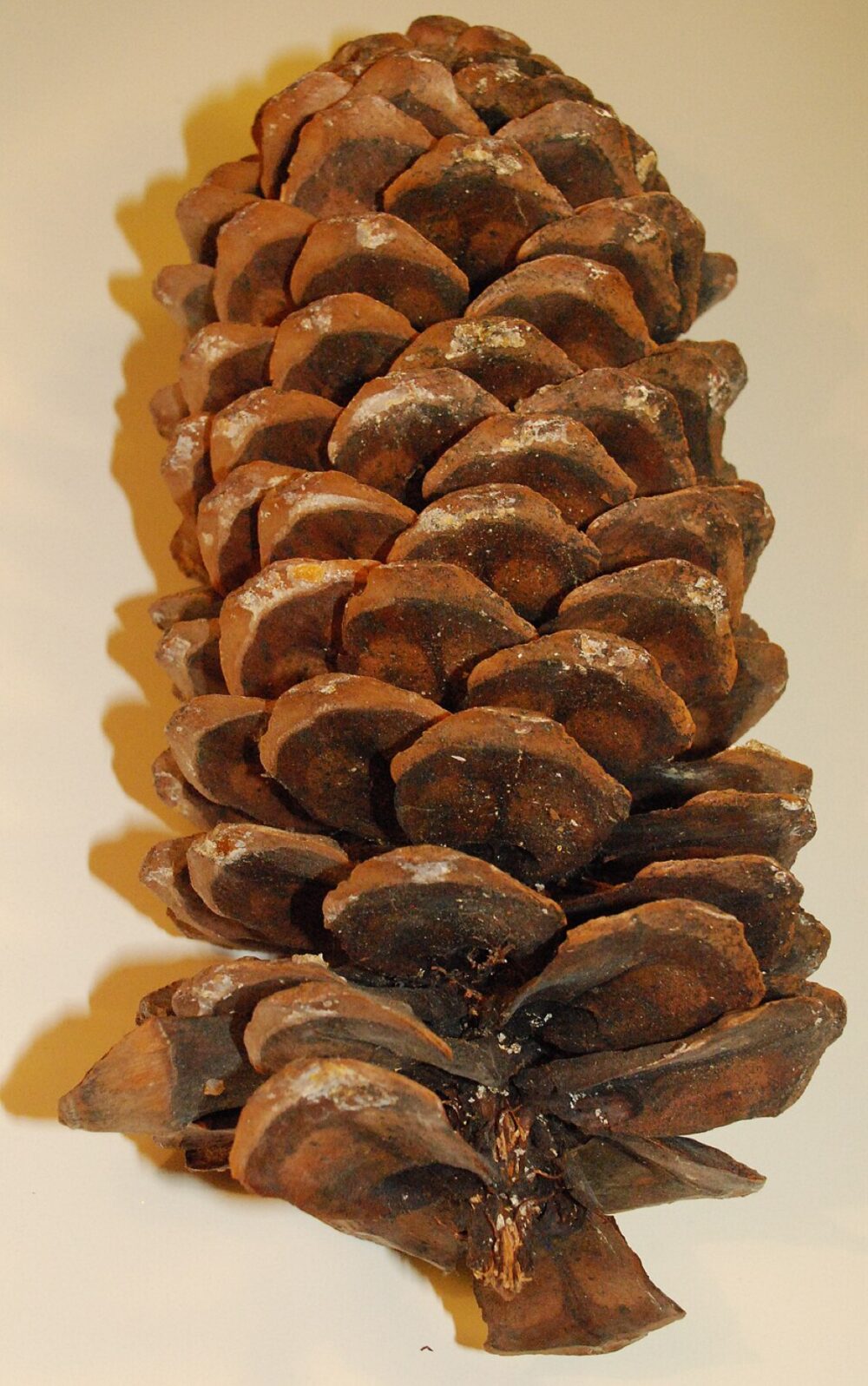
Sugar pine cones wholesale means buying large, natural cones from the sugar pine tree (Pinus lambertiana) in bulk for crafts, decor, or resale. For a US craft or ecommerce business, your real decisions are: which region and supplier you’ll buy from, what cone size and grade you need, and whether you want cones cleaned or treated before they arrive. Most buyers end up sourcing from specialist US forest-product vendors that harvest and pack cones seasonally, then layer in marketplaces for top-up or smaller packs.
How Sugar Pine Cones Enter the Wholesale Market
Sugar pine grows in the mountains of the western US, and its cones are long and dramatic—often around 9-15 inches—so there’s a niche trade in using them as statement decor. Specialist suppliers such as Wildwood Cone & Craft and Branches & More collect fallen cones in Pacific Northwest and other western forests and then sort them for sale.
From the Branches & More bulk listing you can see how this turns into a wholesale product: cones are grouped into batches by size and condition, and sold as standardized packs rather than random scoops. Grades (often labeled A, B, etc.) separate cleaner, better-shaped cones from ones with broken tips or visual flaws. The Pinterest pin for “Pine Cones of the Northwest” shows similar language for large pinecones—offering Grade A and B cones—reinforcing that this grading pattern is normal in the large-cone niche.
Supply is highly seasonal. Cones are usually collected after they naturally fall in late summer or fall, cleaned and dried, then sold through the year until stock runs out. If you’re planning a big winter decor promotion or a line of handmade wreaths, assume the best selection is available shortly after harvest and expect tighter availability if you order late in the season.
Choosing and Vetting Sugar Pine Cone Suppliers
Because you’re buying a natural product, how a supplier harvests, stores, and treats cones matters as much as price. You want specifics before you commit to a carton or pallet.
Specialist cone vendors typically describe:
- Origin and harvest region. Branches & More markets its bulk sugar pine cones as sourced directly from the Northwestern USA, which is consistent with sugar pine’s native range.
- Harvest and sustainability claims. Wildwood Cone & Craft presents its cones as “sustainably harvested.” Treat that as a marketing claim, not proof of certification. If sustainability is central to your brand, ask what practices or certifications sit behind that language.
- Size ranges. Expect ranges like 9-15″ for classic sugar pine cones. For product consistency, confirm whether a batch will be mixed size or tightly sorted.
- Treatment options. Cones may be sold natural (just cleaned and dried), sealed, or tipped (e.g., white-tipped for a snowy look).
A compact supplier-check checklist for sugar pine cones:
- Licenses and business footprint. Look for a consistent business name and physical presence. Google Maps entries for suppliers such as Wildwood Cone & Craft or Branches & More show they operate as identifiable businesses, not purely anonymous listings.
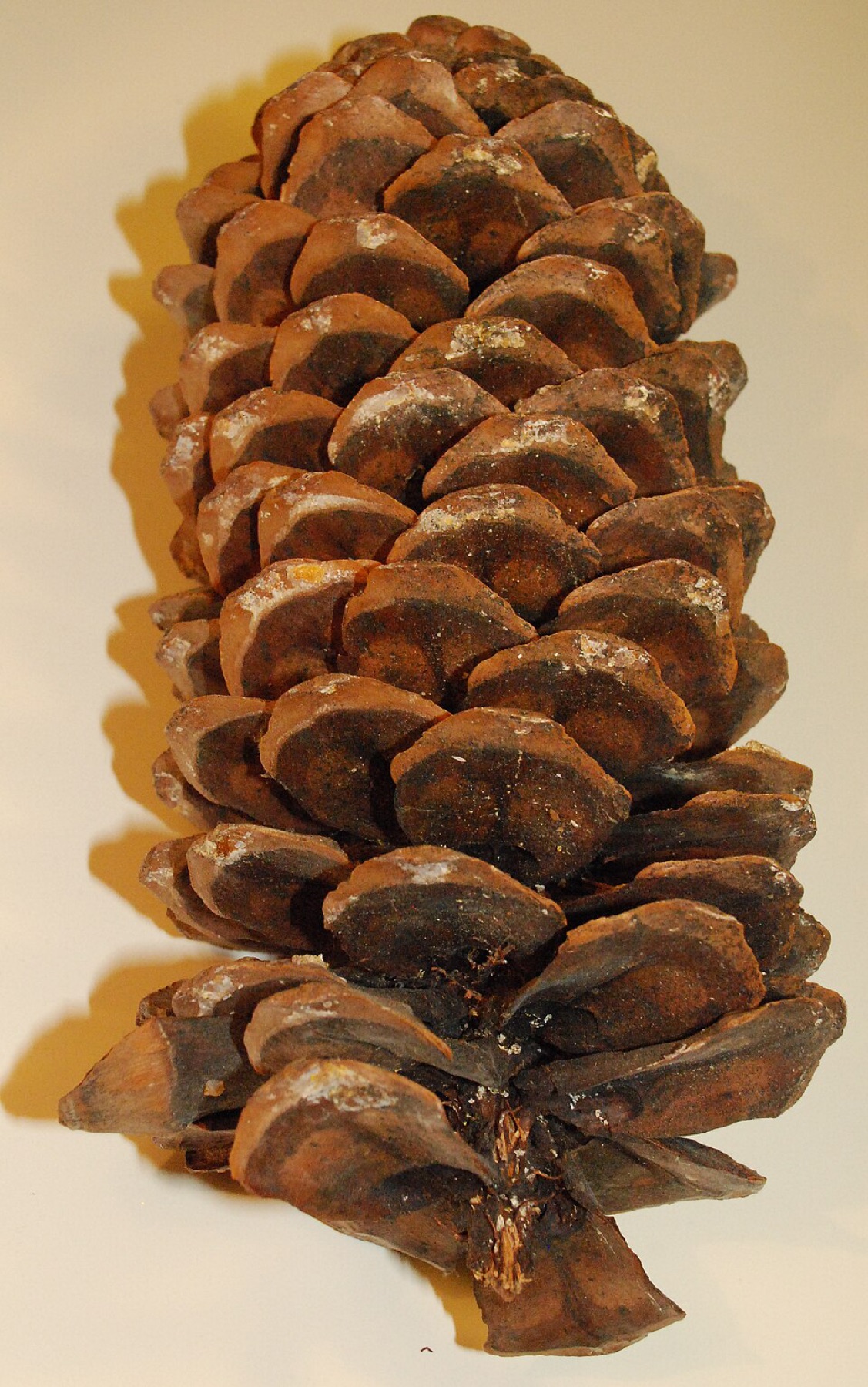
- Product photos that match reality. Large-cone suppliers often show several cones laid out so you can gauge length and proportion. Compare those images against the stated size range and grade. If you’re buying Grade A, you should not see broken scales or crushed tips in the default photos.
- Storage and pest control. Ask how cones are dried and stored, and whether they’re heat-treated or otherwise processed to reduce insect risk. For a US indoor decor business, a surprise infestation can be costly.
- Clear terms on debris and variation. Even cleaned cones will shed. Have the supplier describe how much debris to expect per box and how they handle out-of-grade pieces (e.g., do they over-pack slightly to cover rejects?).
For recurring orders, consider requesting a small test batch first. A 10-20 cone sample from the same grade you intend to buy at scale tells you more than photos. You can measure actual sizes, judge color consistency, and see how your finishing treatments (paint, glitter, sealant) behave.
Matching Grades and Treatments to Your Use Case
Not every business needs perfect cones. The art is matching grade and treatment to how you’ll actually sell or use them.
- Premium decor pieces. If you’re selling individual cones on Etsy or using them as focal points in high-end arrangements, Grade A cones with minimal damage and even coloring are worth paying for. Natural or lightly sealed cones keep a rustic look.
- Mass craft kits or wreath bases. Grade B cones with minor defects can work well where the cone is partly hidden or embellished. You save on cost and still get the dramatic sugar pine silhouette.
- Holiday retail displays. White-tipped or glittered cones are common for Christmas merchandising. In that case the underlying grade matters less than structural integrity; ask your supplier for “decor-grade” cones suitable for tipping or painting.
Think about how much finishing work you want to do in-house. Buying pre-cleaned, pre-dried cones is standard. Paying extra for sealing or tipping makes sense only if your team time or finishing capacity is limited.
Pricing, MOQs, and Channel Choices for US Buyers
Wholesale pricing on sugar pine cones is driven by four levers: cone size, grade, treatment, and batch size. Bigger, straighter cones in Grade A cost more than mixed or B-grade cones; treatments such as white-tipping add labor cost; and per-cone pricing usually drops as you move from small packs to bulk cartons or pallet-level orders.
Because exact prices shift seasonally and by supplier, think in terms of channel fit rather than chasing a single “best” price.
Typical channels for sugar pine cones
Here’s how common sourcing routes differ:
| Channel type | Typical order size | Pros for sugar pine cones | Trade-offs for US buyers |
|---|---|---|---|
| Specialist cone suppliers (US) | Cartons to pallets | Direct origin info, size grading, seasonal depth | Requires planning around harvest windows |
| Domestic marketplaces (Etsy, eBay) | Small packs (4-20 cones) | Easy testing, variety of individual sellers | Higher per-cone cost, less standardized grades |
| Broad ecommerce (Amazon, others) | From small to mid-size boxes | Fast shipping on in-stock items, reviews on sellers | Mix of cone species; sugar pine not always clear |
| General cross-border marketplaces | Mostly finished decor items | Useful for pine-cone-themed crafts and accessories | Limited direct bulk sugar pine cone listings |
On Etsy, for instance, you’ll find “10 Pack Wholesale” sugar pine cone offerings that look ideal for testing or for micro-brands. eBay shows multi-pack sugar pine cones in the 10-12″ range for craft and Christmas decor. Those patterns signal that marketplaces are useful for small batches and variety, while specialist suppliers are better suited to predictable, repeated wholesale orders.
Where DHgate realistically fits
Around the 2026-10-10 research date, DHgate’s product listings show pine-cone-related decor such as a “60Pcs Mini Decorative Pinecone Pine Cones Fall Winter Holiday Home Decoration” pack in an event/party category, but not clearly labeled bulk harvested sugar pine cones like the large, natural cones sold by US suppliers. That makes DHgate more relevant if you’re sourcing pine-cone-themed accessories or small decorative fillers, not if you need direct-from-forest sugar pine cones in 9-15″ sizes.
If you do browse DHgate for cone-themed items, treat each listing as its own small supplier. Check product photos carefully for material (real vs. artificial), read size descriptions, and message the seller about pack consistency before ordering. For broader guidance on vetting marketplace sellers, you can use DHgateWiki’s advice on finding wholesale suppliers on DHgate and choosing a DHgate wholesale supplier, even though sugar pine cones themselves may not be listed.
How to Align Your First Order With Your Business Model
For a small US craft or decor brand, a practical sequence is:
- Define your primary use. Are the cones a hero product, a component in wreaths, or background filler? That decision drives grade and size requirements.
- Start with a test batch from a specialist or marketplace seller. Use 10-20 cones to dial in your designs and estimate breakage and debris.
- Move to standardized bulk packs once specs are stable. At that point, the graded batches offered by suppliers like Branches & More or other “Pine Cones of the Northwest”-style vendors will give you predictability on size and look.
- Layer in marketplaces only for special colors or accessories. Use Etsy, eBay, or cross-border platforms for pre-tipped, glittered, or mini artificial cones, but keep your core sugar pine supply with a harvest-focused vendor.
Handled this way, sugar pine cones become a controllable input rather than a seasonal surprise: you know which grades and treatments you need, which suppliers can meet them, and which channels are worth your time for add-ons versus core stock.