
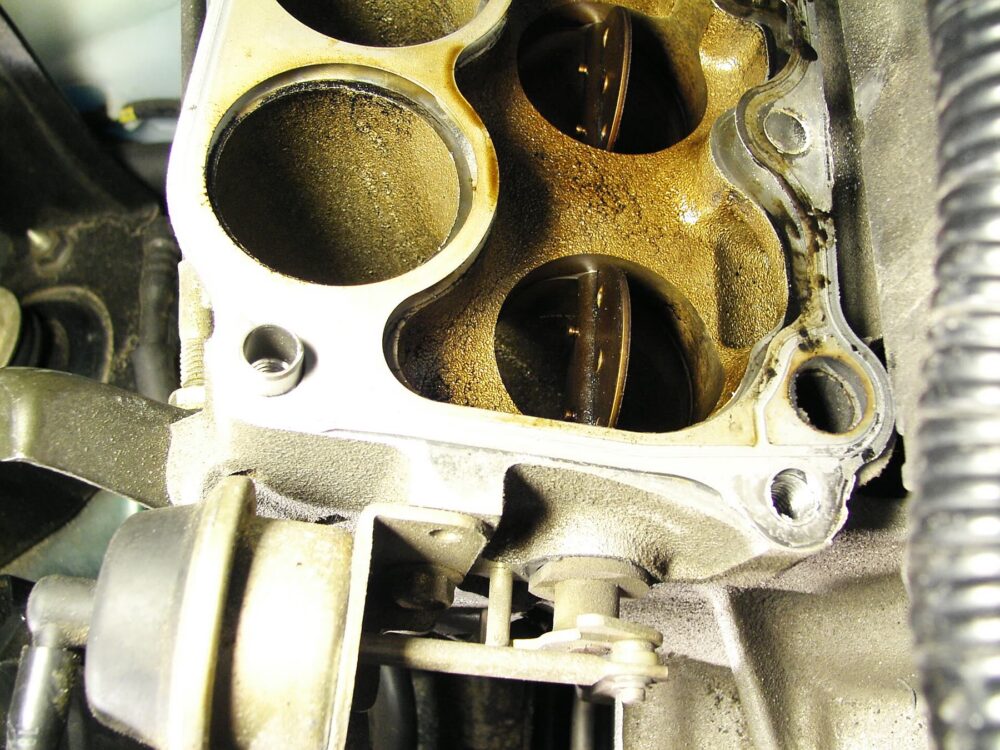
For BMW N52 cars, the 3‑stage intake manifold is the desirable version: a variable‑length manifold for the 3.0L inline‑six that uses internal flaps (DISA valves) to change runner length and routing. Enthusiast and retailer sources describe it as improving torque at low/mid RPM while still flowing well at high RPM, making it a popular upgrade for N52 models that came with a simpler two‑stage or non‑variable manifold.
In practice, most N52 3.0L engines from roughly 2006-2011 can host the 3‑stage manifold if you match the part number and use appropriate tuning. Community discussions on sites like e90post and 1addicts point to the E90 330i as the main “donor” car, but also to X3, X5, Z4 and certain 5‑Series and 1‑Series models that either came with or accept the part. If you’re in Canada or the US running a shop or small ecommerce operation, your sourcing decision is usually between used OEM pull‑outs, new OEM or aftermarket replicas, and component‑level stocking.
N52 3‑Stage Intake Manifolds and BMW Model Fitment
BMW’s N52 3‑stage intake manifold is designed specifically for the 3.0L N52 inline‑six. Retailers like Go‑Parts describe it as a variable‑length design with three operating modes, controlled by dual DISA valves, to optimize airflow across the rev range. That’s what makes it attractive as an upgrade for lower‑output N52 trims.
Enthusiast sources consistently say that any N52 3‑stage manifold shares the same BMW part number, and that a manifold pulled from one N52 platform can be installed on another with the right software. Forum users on e90post argue that “any 3‑stage intake manifold for an N52 will work,” but also stress that only certain N52/N51 variants came with the 3‑stage from the factory.
Based on community fitment lists, typical hosts or donors for the 3‑stage manifold include (not exhaustive):
| Model line | Approx. years (N52) | 3‑stage role |
|---|---|---|
| E90 330i (3‑Series) | ~2006 | Common factory 3‑stage, main donor for swaps |
| E60/E61 528i (5‑Series, select trims) | ~2008-2010 | Some trims reported with 3‑stage, others upgraded |
| E83 X3 3.0si / xDrive30i | ~2006-2010 | N52 SUVs often used as donors |
| E70 X5 3.0si / xDrive30i | ~2007-2010 | N52 trucks with 3‑stage or compatible manifolds |
| E85/E86 Z4 3.0si | ~2006-2008 | Reported with/compatible with 3‑stage |
| E82/E88 128i (1‑Series) | ~2008-2011 | Common upgrade target using donor 3‑stage |
Enthusiast lists on 1addicts refer to “BMWs from about 2006 to 2011 [some 2012] that have the N52 engine” including X3 and X5 as 3‑stage hosts. Treat these as typical patterns, not official BMW catalog entries.
Tuning and compatibility
For a stock N52 that did not ship with the 3‑stage, you generally need:
- The 3‑stage manifold itself (often from a 330i or similar N52).
- Functional DISA valves on the manifold.
- New intake gaskets and small hardware.
- Software to tell the DME how to control the extra stage and adjust fueling/airflow.
Canadian tuning providers such as BimmerPro (not cited here for specific terms) explicitly sell “3‑stage intake manifold conversion software” for N52 cars, underscoring that software is part of the upgrade, not optional.
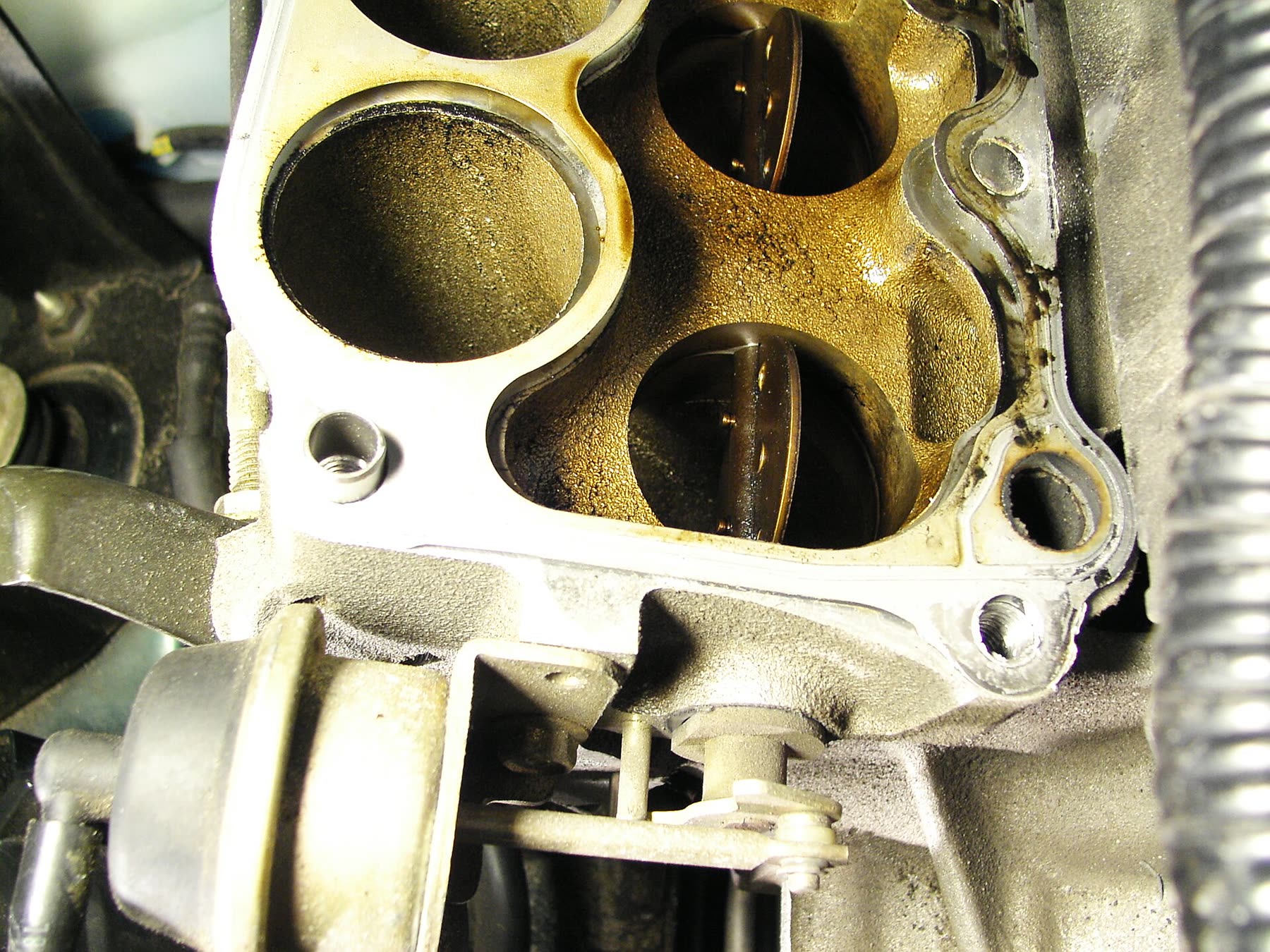
To help non‑technical buyers visualize the component they’re sourcing:
Wholesale and Cross‑Border Sources for N52 3‑Stage Manifolds and Kits
Once you know your target platforms, you have three broad sourcing paths: used OEM manifolds, new aftermarket replicas, and component‑level stocking.
1. Used OEM donors (pull‑outs)
For Canadian shops, domestic used BMW specialists are often the cleanest route. For example, KC Bavarian Used Parts in Canada advertises N52 3‑stage intake manifolds as pull‑out assemblies. This kind of supplier is attractive because:
- You’re buying an original BMW part removed from a known N52 chassis.
- You avoid cross‑border shipping costs and customs for heavier items.
- You can often bundle other swap components (throttle body, sensors) from the same donor.
The trade‑off is that inventory is limited, condition varies, and pricing can be volatile. For small ecommerce sellers, this route suits low‑volume, higher‑margin builds or one‑off customer projects.
2. Aftermarket replicas as stock items
Performance retailers sell replica manifolds modeled on the E90 330i N52 unit. BimmerWorld’s listing describes an “E90 330i N52 intake manifold” sold as both direct replacement and upgrade, mirroring the factory 3‑stage design and part number reference (11617559523).
For a small shop or reseller, aftermarket replicas offer:
- More predictable supply compared with hunting used donors.
- New plastics and valves, which may reduce comebacks.
- Clear positioning as an upgrade for 325i/328i/128i/528i N52 cars.
You’ll typically pair these with:
- Intake manifold gasket sets.
- DISA flaps or actuators if not included.
- Tuning software or a partner tuner.
This path suits businesses offering repeatable “3‑stage conversion kits” rather than one‑off junkyard builds.
3. Component‑level sourcing and kitting
If you want to build your own kits:
- Source manifolds (used or replica) from a primary supplier.
- Add gasket kits, MAP sensors, and mounting hardware from secondary suppliers.
- Bundle with tuning (either in‑house or via a partner) as a single SKU.
Lighter components such as gaskets and sensors are cheaper to ship across the US–Canada border than full manifolds, and can often be bought in small wholesale packs. Many small workshops keep a few manifolds on hand from a domestic supplier, import gasket sets and small parts in packs, and treat software as a separate service billed per VIN.
A simple view of these routes for N52 3‑stage manifolds:
| Sourcing route | Typical use case | Key upsides | Key trade‑offs |
|---|---|---|---|
| Used OEM pull‑outs | Low‑volume builds, donor‑correct swaps | OE part, known donor chassis, domestic shipping | Variable condition, limited stock |
| Aftermarket replicas | Repeated upgrade packages | New parts, predictable stock, clear upgrade positioning | Depends on replica quality, may need separate DISA components |
| Component‑level kits | Custom kits for shops/ecommerce | Flexible bundling, easier cross‑border shipping for small parts | More suppliers to manage, need careful fitment control |
Evaluating Suppliers, Pricing, and Channels (Including Marketplaces)
Choosing channels for N52 3‑stage manifolds forces you to balance fitment confidence, logistics, and landed cost.
What matters for this specific part
Because the N52 3‑stage manifold is platform‑specific and software‑sensitive, supplier evaluation needs to go beyond generic checks:
- Exact BMW part number: Confirm the part number on the manifold body or in the listing matches the 3‑stage N52 part used on the 330i and other donors.
- Engine code and donor model: A used part should clearly state the donor car (e.g., E90 330i, E83 X3 3.0si) and N52 engine, not just “BMW 3‑Series.” That’s what makes listings from BMW‑specialist recyclers attractive.
- DISA function: Ask whether the DISA valves have been tested, replaced, or included. A cheap manifold with failing DISAs will erase the benefit of the upgrade.
- Bundle potential: For wholesale, prioritize suppliers who can also provide gaskets and small hardware so you can ship complete kits.
- Logistics and cross‑border costs: Manifolds are bulky relative to value, so factor dimensional weight, duties, and brokerage fees if you import them, and consider sourcing only lighter ancillary parts across borders.
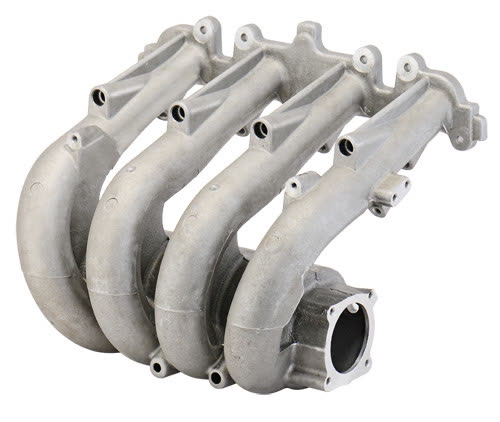
To orient buyers to the general form factor:
Where marketplaces like DHgate fit (and where they don’t)
General marketplaces can be useful for peripheral components or generic intake‑related parts, but they’re currently a weak primary source for N52‑specific 3‑stage manifolds.
A DHgate product search snapshot from 2026-10-14 shows items such as:
- A motorcycle intake component listed under the Intake Manifold category: Motorcycle High Quality Intake Manifold.
- BMW‑related intake accessories and sensors, for example a pressure sensor for various BMW and other brands: New 13622246977 Intake Manifold Absolute Pressure Sensor.
- Gasket kits for BMW engines (not N52‑specific): BMW M57 Intake Manifold Gasket Kit.
- Universal accessories that connect to intake or vacuum systems, such as a multi‑port vacuum manifold kit advertised to fit BMW turbo boost setups: 1/8″ NPT 6 Port Vacuum Manifold Kit.
None of the observed listings are clearly labeled as an N52‑specific 3‑stage manifold. That doesn’t mean such listings never exist; it does mean you shouldn’t assume compatibility from “BMW intake manifold” alone. If you explore marketplaces:
- Filter aggressively by engine code (N52) and part number in titles and descriptions.
- Treat sensors, gaskets, and universal accessories (vacuum manifolds, repair brackets) as secondary items, not the core 3‑stage manifold.
- Apply marketplace‑specific supplier‑vetting practices (such as those described in DHgateWiki’s guidance on finding and choosing wholesale suppliers) directly to any intake‑related listings you consider.
Channel choice for Canadian and US buyers
For most small BMW‑focused businesses:
- Use BMW‑specialist recyclers and domestic used‑parts suppliers for the manifolds themselves, especially when you need donor documentation and quick returns.
- Stock aftermarket replica manifolds and conversion software for repeatable upgrade packages with clear margins.
- Leverage cross‑border or marketplace sourcing mainly for generic accessories and consumables (gaskets, sensors, vacuum hardware), where exact fitment is easier to confirm and shipping is cheaper.
That mix gives you the performance upgrade customers expect from the N52 3‑stage manifold while keeping both risk and inventory overhead manageable.