
You can keep an engagement gift or small party in the $50–$200 range by focusing on one meaningful present, a modest guest list, and low-friction formats like a backyard gathering or casual restaurant meetup. Thoughtful doesn’t have to mean expensive: personalized keepsakes, simple homeware, or a small spa set often land under $50–$100, and a DIY-friendly party can be pulled together with basic décor and snacks.
This guide walks through typical U.S. costs, what actually drives the price, and how to choose the best buying channel — from local stores to cross-border marketplaces — so you spend where it matters and save where it doesn’t.
What Engagement Gifts and Parties Typically Cost
For gifts, U.S. editorial guides like Aisle’s engagement gift list show three broad budget tiers:
- Under $50: Small personalized items (ornament with their names, custom mug), candles, plants, picture frames, simple cookbooks, or basic barware. These are common picks for casual friends or coworkers.
- $50–$100: More substantial keepsakes and homeware — engraved serving boards, nicer glassware sets, basic spa sets, or simple jewelry. DHgate’s bridal gift blog mentions personalized wedding planners and robes, many discussed as affordable options often under $100, which lines up with mainstream retail.
- $100+ (optional): Experience gifts (class, tasting, short getaway), higher-end jewelry, or larger home items. These are usually from close family or the host of the engagement party.
For an engagement party, articles from Aisle and QRforPhoto outline formats that can be scaled to very different budgets:
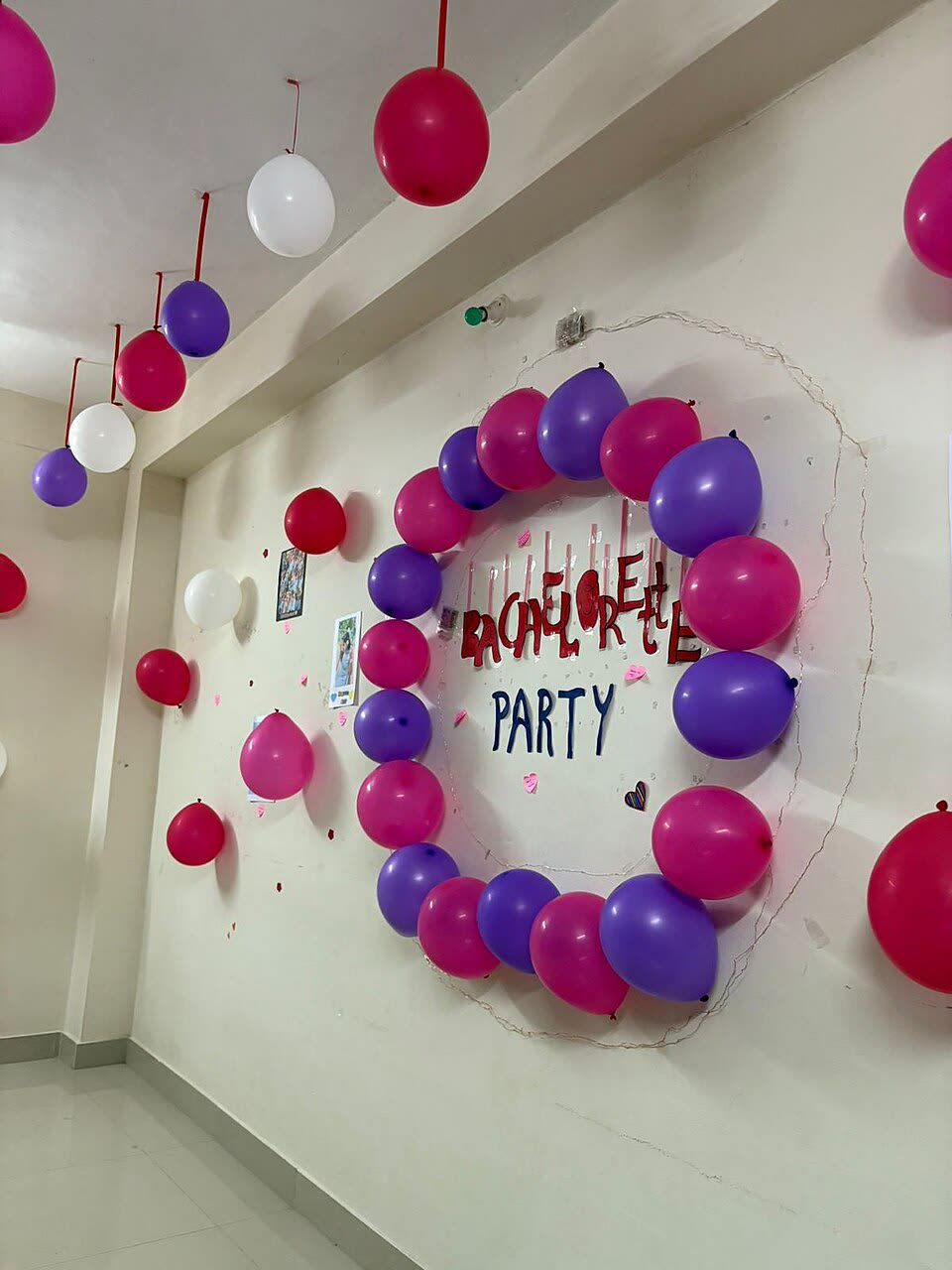
- Backyard or living-room party: Often the lowest cash outlay. You’re mainly paying for food, drinks, and simple decorations. A realistic DIY range in the U.S. is roughly $100–$300 for 15-25 guests if you use grocery-store snacks, basic beverages, and inexpensive décor.
- Restaurant gathering: Costs swing based on menu and headcount. A casual restaurant with appetizers or a limited menu can stay around $20–$40 per person before tax and tip. A 15-person dinner can easily reach $300–$600.
- Activity-based event (paint night, cooking class, brewery tour): Usually priced per person. Budget-conscious guides note these can be tailored to modest budgets by picking weeknights or group deals, but you’re often in the $40–$80 per person zone once fees and food are included.
The host matters too. ModernWeddings points out that parents or the couple typically host, and guest lists vary from just family to a whole friend circle. More hosts with shared budgets can allow a higher spend; one couple paying alone typically keeps things simpler.
What Actually Drives the Price Up or Down
The sticker price on a gift or venue is just one piece. A few specific levers change your total spend fast.
1. Customization and materials
Personalization — engraving, monogramming, printing names or dates — usually adds a fee. A DHgate bridal gifts article cites personalized robes in the $20–$50 range and wedding planners around $10 as examples of budget-friendly customized items, but the same pattern shows up at U.S. retailers too: plain glassware might be under $20, engraved sets typically cost more.
Materials matter in jewelry and keepsakes. Stainless steel, plated metals, and wood are typically cheaper than solid gold or crystal. If you want the personalized look without the premium, choose lower-cost bases (ceramic, wood, simple metals) and spend on the engraving.
2. Quantity and scale
Party costs scale almost linearly with guests:
- Food and drink: Every extra 5-10 people can mean another tray of snacks or a case of drinks.
- Favors: A $2 favor is fine for 20 guests ($40), but becomes $200 at 100 guests.
For small ecommerce sellers reselling engagement décor or favors, quantity also ties to unit cost. Ordering 100 candle holders or favor bags from a marketplace or wholesaler can drop the per-piece price vs. buying sets of 10 at a craft store, but only if you can actually sell or use the extra inventory.
3. Party format and timing
A QRforPhoto guide highlights budget-friendly options like backyard garden parties, brunches, and casual restaurant meetups. These formats stay cheaper because they avoid venue rental fees and elaborate catering.
Timing is another lever:
- Weekends, evenings, and peak seasons (spring/summer) tend to cost more for venues and group activities.
- Weeknights or off-season dates often mean lower minimum spend or package pricing.
4. Sourcing channel and hidden costs
Your buying channel can change the real price once shipping and extras are included:
- Local boutiques or department stores: You pay full retail, but you see quality in person and avoid shipping surprises.
- Big-box and U.S. online retailers: Often the best for mid-range budgets and fast shipping on standard items like frames, glassware, and décor.
- Cross-border marketplaces: May offer very low unit prices for favors, robes, and small gifts — especially in bulk — but you need to factor in longer shipping windows and possible import taxes or fees.
Choosing Channels and Stretching Your Budget
Once you know your gift or party format, you can match it to the right buying channel.
Local, big-box, or marketplaces?
- Local retail (gift shops, small boutiques): Best for last-minute or highly curated gifts where you want to see and feel the item. Expect higher per-piece prices but no shipping risk.
- Big-box chains and U.S. online stores: Strong for common engagement gifts — frames, barware, candles, throws, basic décor. Many guides, like those from Aisle and other wedding sites, feature these categories heavily because they hit the under-$50 and under-$100 tiers reliably.
Small ecommerce businesses especially should compare marketplace orders with warehouse clubs and U.S. wholesalers. For small party favors or light décor, bulk marketplace sourcing can be cost-effective. For fragile items or anything needed within a week, local or domestic channels often carry less risk.
For broader marketplace trade-offs, including DHgate vs. alternatives like AliExpress or Alibaba, the comparison here — DHgate vs. AliExpress, Alibaba and Temu — lays out structural differences in how each platform works.
Example budgets for real scenarios
Here’s how some common engagement setups could look in rough numbers:
| Scenario | Guest count | Primary costs | Approx. budget band |
|---|---|---|---|
| Gift only, no party | 1-2 recipients | Personalized frame or candles, card | Under $50 |
| Backyard party + modest gift | 15-20 | Snacks, drinks, simple décor, $40–$60 gift | $150–$250 |
| Restaurant appetizers + small favors | 15-25 | Shared plates, basic bar tab, $2–$3 favors per guest | $300–$500 |
| Activity-based party, no favors | 10-12 | Group class or tasting, light snacks | $400–$800 |
These ranges are editorial judgment based on U.S. price norms and the party formats discussed in sources like Aisle, QRforPhoto, and ModernWeddings; your local costs may vary.
Practical ways to keep costs low
- Pick one “hero” spend. Decide whether the main money should go to the gift, the venue, or the food. Keep everything else simple. For example, choose a $60 personalized serving board and host a potluck-style backyard party instead of catering.
- Shrink the guest list. Guides that discuss hosting note that couples often invite a smaller circle to the engagement party than to the wedding. A tight list of 10-20 people makes it easier to keep food and favors in check.
- Use multipurpose items. Buy décor that doubles as home gifts: nicer candles, a plant, a photo display. They serve as party décor and stay with the couple afterward.
- Batch and source smart for resale. If you’re a small ecommerce seller, look for items that work across multiple occasions (neutral favor bags, simple glassware, generic “Cheers” décor). That makes cross-border bulk sourcing less risky and spreads shipping and import costs across more sales.
- Watch lead times. Cross-border orders can take weeks. If your party date is close, stick to domestic channels even if the unit price is a bit higher.
By anchoring your budget to a clear format and guest count, then choosing channels that fit your timing and risk tolerance, you can celebrate the engagement with gifts and a party that feel generous without overspending.