
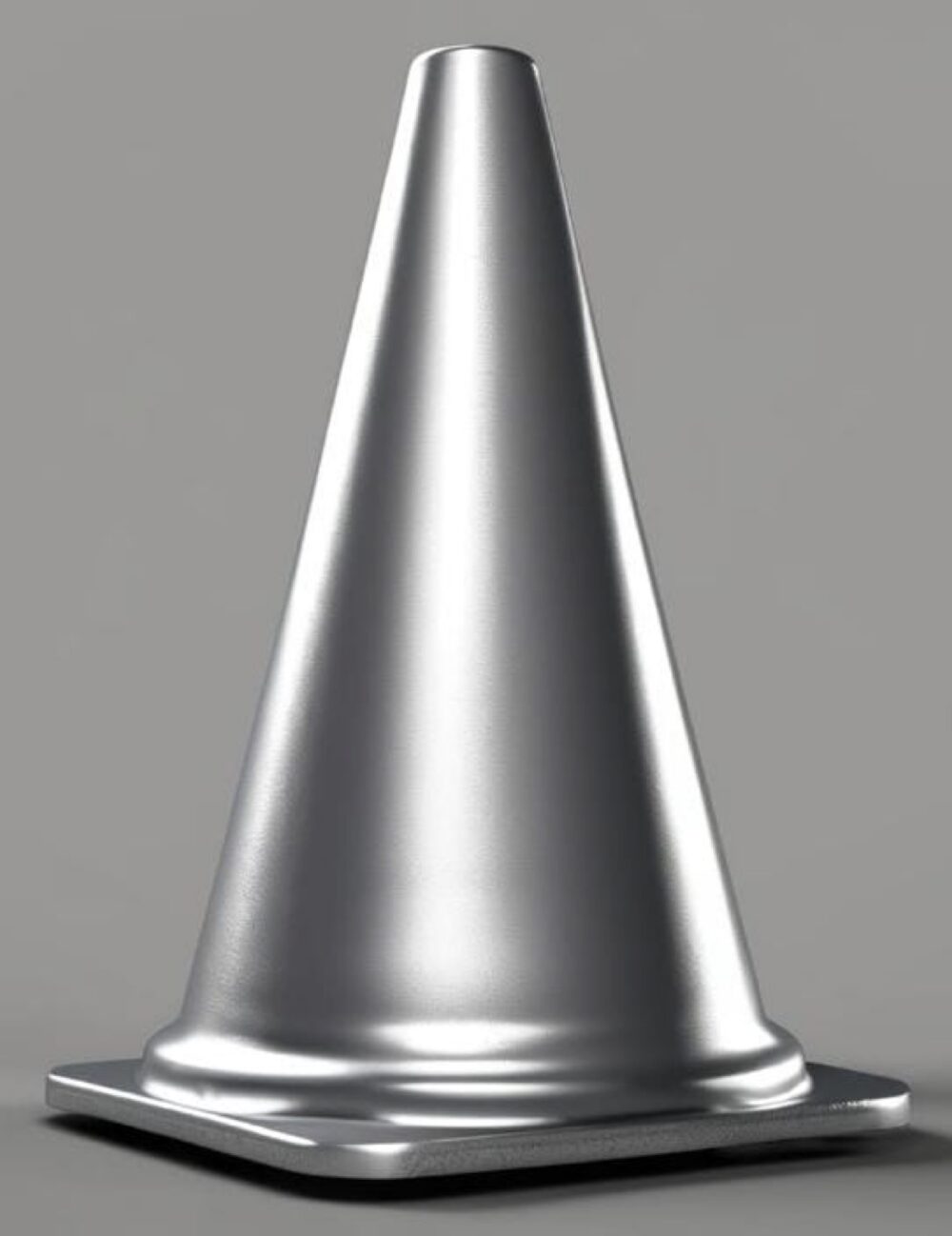
Australian buyers can source metal cones and cone-shaped metal parts either locally or through global marketplaces, and the right route depends on how custom your cone is and how many you need. For small runs of precise cones — for hoppers, ducting, exhausts, lighting, or craft — local metal spinners and fabricators often give the best control and communication. For basic shapes or larger, price-sensitive volumes, online retailers and B2B platforms offer more options but demand tighter specs and more supplier vetting.
How Metal Cones Are Supplied and Manufactured for Online Buyers
Metal cones show up in all kinds of projects: industrial hoppers, dust-extraction ducting, funnels, shades, decorative pieces, and more. From a sourcing point of view, you’ll mainly see three categories:
- Stock shapes: generic cones or cone-like pieces (often short, symmetrical) sold as ready-made parts.
- Rolled or fabricated cones: made by cutting a pattern from sheet, rolling it into a cone, and welding the seam.
- Spun cones: formed on a spinning lathe from a disc of sheet metal, used when you need smoother curves or tighter tolerances.
In Australia, a general steel supplier like Edcon Steel positions itself as an online steel and metal “superstore” with nationwide delivery. You can order sheets, tubes, angles and other standard shapes, then get cones fabricated by your own shop or a third-party. For true cone-forming, specialist spinners such as Tighe Metal Spinners in Melbourne publicly state they can spin cones, domes, cylinders and similar shapes to suit different industries.
Global marketplaces widen the picture. For example, Alibaba listings such as these fabricated stainless-steel cones for industrial hoppers show that overseas suppliers routinely offer custom cone geometries and metal-spun parts to drawing.
A practical rule of thumb:
- Standard geometry + simple use case (short cones, decorative pieces, craft): stock parts from online retailers or marketplaces can work.
- Precise angles, diameters or interfaces (ducting transitions, hoppers, OEM machinery): you’ll likely be in custom fabricated or spun territory, which pushes you toward metal spinners, fabrication shops, or made-to-drawing marketplace suppliers.
Choosing and Vetting Suppliers for Cone-Shaped Metalwork
Once you know the cone style you need, your main job is to brief the supplier clearly and check they can hit your spec consistently.
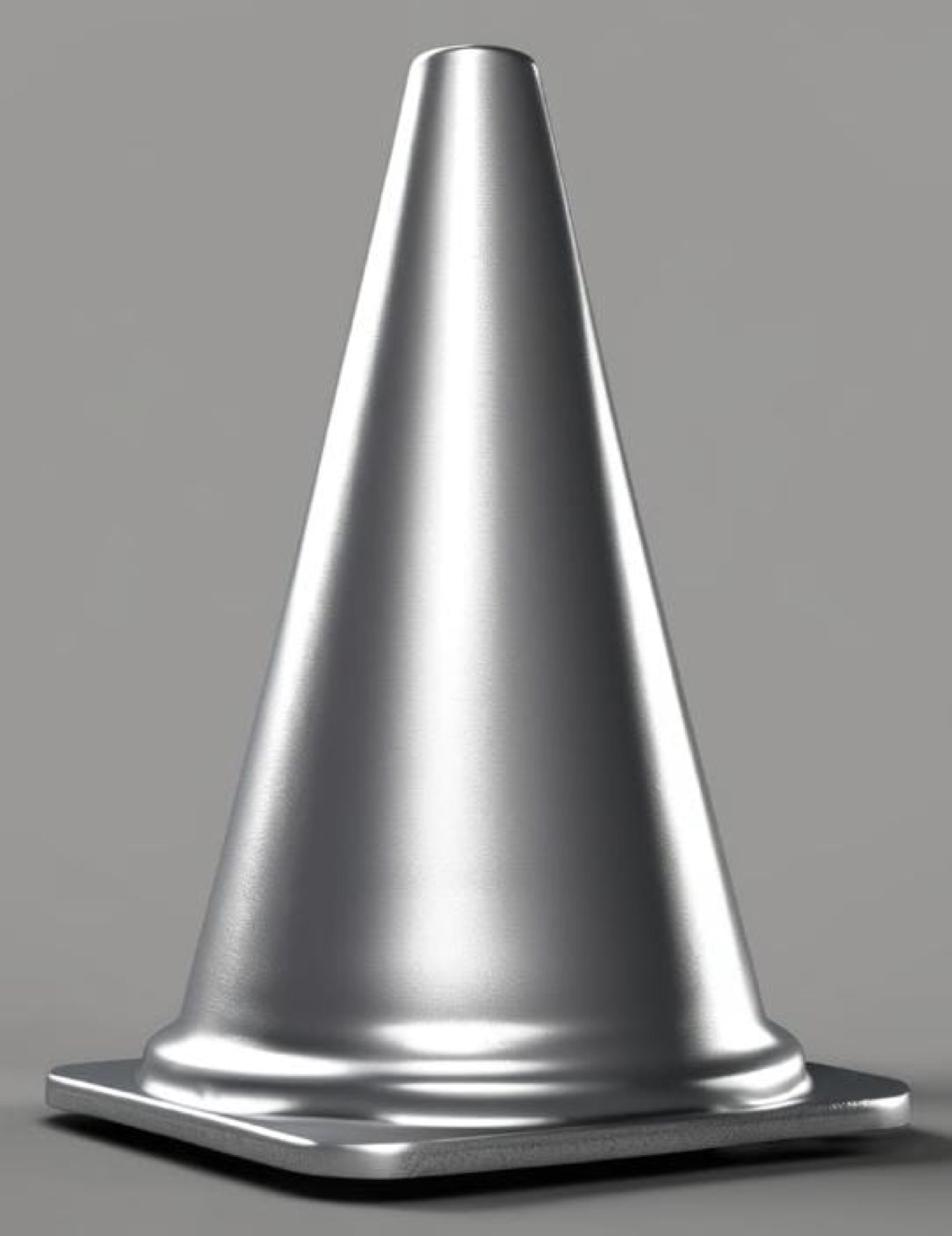
For cones, vague descriptions like “about 300 mm high” are a recipe for trouble. You should aim to send either a simple drawing or a dimension sheet covering:
- Geometry: small-end diameter, large-end diameter, height, wall angle if critical, and whether the cone is full or truncated.
- Material: grade (e.g., 304 vs 316 stainless, mild steel, aluminium), and any corrosion or hygiene requirements.
- Thickness: sheet gauge or mm thickness.
- Edges and seams: need flanges, holes, rolled edges, or fully welded seams?
- Finish: mill, polished, painted, powder-coated.
A compact spec checklist to paste into emails or RFQs:
- Cone type (fabricated, spun, or stock part)
- D1 (small end), D2 (large end), H (height)
- Metal and thickness
- Quantity per batch and frequency (one-off, monthly, seasonal)
- Tolerance expectations (e.g., ±1 mm on diameters)
- Any standards or approvals (food-contact, etc.)
To decide whether a supplier is worth your time, you’re looking for more than a nice website. Guidance from metal-supply editors and trade blogs converges on a few specific checks:
- Certifications: ask if they hold quality certifications such as ISO 9001. It’s not mandatory for every cone, but it shows they follow structured processes.
- Testing and inspection: ask how they verify thickness, dimensions and weld integrity. Do they use jigs for repeat cone runs? Are welds visually inspected or tested?
- Reputation and focus: look for evidence they actually work with cone or curved sheet metal — case studies, photos of cones, or industry mentions.
- Communication: see how they respond to technical questions in your first contact. If they skip tolerances and just quote a price, expect surprises later.
For Australian buyers, it’s often worth shortlisting:
- One local spinner/fabricator (e.g., a company like Tighe for spun shapes).
- One general steel supplier (e.g., Edcon for materials and simple rolling jobs).
- One global marketplace supplier that shows cone or similar sheet-metal work in its listing photos.
Send the same drawing and questions to each, then compare not only price but also how confidently they talk about your geometry and use case.
MOQs, Pricing and Channel Trade-Offs for Local vs Cross-Border Orders
Minimum order quantities (MOQs), pricing and logistics vary widely for metal cones. You’re balancing unit price against risk, customization and freight.
Here’s a high-level comparison you can use to decide where to start from Australia:
| Channel type | Typical fit for cones | MOQ & pricing pattern (editorial judgment) | Notable pros / cons for AU buyers |
|---|---|---|---|
| Local hardware / general steel store | Stock shapes or raw material for simple cones | Low MOQs, but higher unit prices on finished items | Easy returns and advice; limited cone-specific options |
| Local specialist metal spinner | Custom spun or rolled cones with tight specs | Often flexible MOQs; pricing driven by setup + labor | Strong communication; freight and labor cost in AUD |
| Global B2B marketplace (Alibaba etc.) | Custom fabricated cones, larger or recurring orders | Sellers may set MOQs; unit pricing often sharper at volume | Huge choice; longer lead times and import complexity |
| Craft marketplaces (Etsy and similar) | Small decorative or craft cones | Sold per piece; pricing reflects handmade nature | Great for unique designs; not viable for industrial runs |
General metal-buying advice from industry blogs divides your options into local hardware, online retailers, and specialized metal suppliers, each with distinct pros and cons:
- Local hardware: see and touch material, but limited range for cone-specific parts.
- Online retailers: broad choice and easy comparison, but you can’t physically inspect.
- Specialized suppliers: deeper inventory and customization, sometimes with quantity requirements.
Cross-border marketplaces add one more dimension: you can source made-to-drawing parts directly from factories. For example, DHgate hosts machining and fabrication listings such as precision CNC milling and turning services for various metals. As of 2026-10-06, that listing sits in a machining/fabrication category and advertises custom parts in stainless steel and aluminium based on customer drawings, with a quoted price range of USD 0.81-1.04 per unit.
Listings like this are not cone-specific, but they are a signal that some DHgate sellers will quote on custom metal components if you can provide drawings or samples. If you’re considering this route:
- Treat the listing as a starting point; message the seller with your cone drawings and ask if they can handle rolled or spun shapes.
- Request clear confirmation on minimum batch size and whether they can weld and finish the cones to your spec.
- Use independent checks on the seller (reviews, years active, photo consistency) rather than assuming platform-wide guarantees.
If you need a handful of cones fast, a local spinner or Australian fabricator will often beat cross-border sourcing once you factor in shipping time. If you’re planning regular orders of 50+ cones and your design is stable, it may be worth doing the maths on overseas supply — including freight, duty, and the risk of remakes.
For readers who decide that DHgate might be one of several marketplaces to explore, DHgateWiki has buyer-first guides on evaluating sellers, such as finding wholesale suppliers on DHgate and how to choose a DHgate wholesale supplier. Use those alongside the cone-specific spec checklist above to decide if a particular listing is worth engaging.