
For bulk jute rope and wire rope, you’ll usually choose between online marketplaces (DHgate, Alibaba, Made‑in‑China), specialist rope manufacturers, and sourcing intermediaries. DHgate can work for low‑to‑mid volume, relatively simple jute rope or non‑critical wire/utility rope where you want small MOQs and easy online ordering. Once you need engineered, certified lifting or marine wire rope, specialist suppliers or vetted manufacturers via more industrial‑focused platforms generally fit better, even if that means higher MOQs and more paperwork.
The right route depends on three things: how much you buy, how precise your specs are, and how dangerous a failure would be. Decorative jute cord for gift packaging is a different decision than stainless steel wire rope for cranes. Below, we’ll separate jute from wire rope requirements and then compare sourcing channels, including DHgate, against realistic order scenarios.
How Jute Rope & Wire Rope Are Typically Sourced in Wholesale
Jute rope starts as a commodity fiber. Jute is grown mainly in South Asia and used in cordage, textiles, geotextiles, filtration, and industrial fillers, with established grades and specs that commodity traders recognize. Procurement for jute rope is often about securing the right fiber grade and then converting that into twisted or braided ropes and twine in the diameters and finishes you need. Many exporters and directories list multiple jute rope producers, such as the multi‑supplier directory at Freshdi’s jute rope category.
Wire rope is different. It’s an engineered product built from steel or stainless wires in specific constructions and diameters. Guidance from Chinese manufacturers like Faster Wire Rope stresses that lifting, marine, mining, port, and construction uses depend on the rope’s mechanical performance, fatigue resistance, and corrosion protection — not just the material label.
That distinction drives market structure:
- Jute rope supply often includes commodity traders, general rope factories, and FMCG packaging suppliers. It’s common to find jute as one of many fiber or packaging SKUs on broad marketplaces.
- Wire rope supply tilts toward specialist manufacturers, rigging companies, and industrial distributors who carry full ranges of wire ropes, terminations, and testing services. For serious lifting applications, buyers often work with regional specialists or manufacturers directly.
Understanding where your needs sit on that spectrum will tell you whether a low‑MOQ marketplace or a specialist is realistic.
Different Supplier Checks for Jute Rope vs Engineered Wire Rope
Because jute rope is usually non‑critical, your checks focus on consistency and usability; wire rope adds safety and compliance.
Jute rope: commodity quality and usability
For bulk jute cordage (e.g., packaging, decor, gardening), focus your supplier evaluation on:
- Fiber grade and finish: Ask which jute grade they use, and whether the rope is natural, dyed, waxed, or blended with synthetic fibers. Commodity sources like Logridge’s jute overview emphasize agreeing grade and spec before approaching suppliers; that mindset works online too.
- Dimensional consistency: Confirm diameter tolerance and spool/coil length (e.g., 110 m per roll). Request a sample and measure several points — thin spots or irregular twist will show up quickly.
- Smell, shedding, and break strength: For retail or decorative use, ask about dust/fiber shedding and basic tensile strength so your product doesn’t snap in normal handling.
- Packaging and labeling: Clarify how rolls are packed (wrapped, boxed, palletized) and whether private‑label or barcoding is available for your ecommerce operation.
You don’t usually need test certificates, but a clear spec sheet and physical sample save headaches.
Wire rope: safety‑critical verification
Sourcing wire rope, especially from China, needs a deeper check. Guidance from Faster Wire Rope and Ts Heating Alloy’s certification article points to several practical steps:
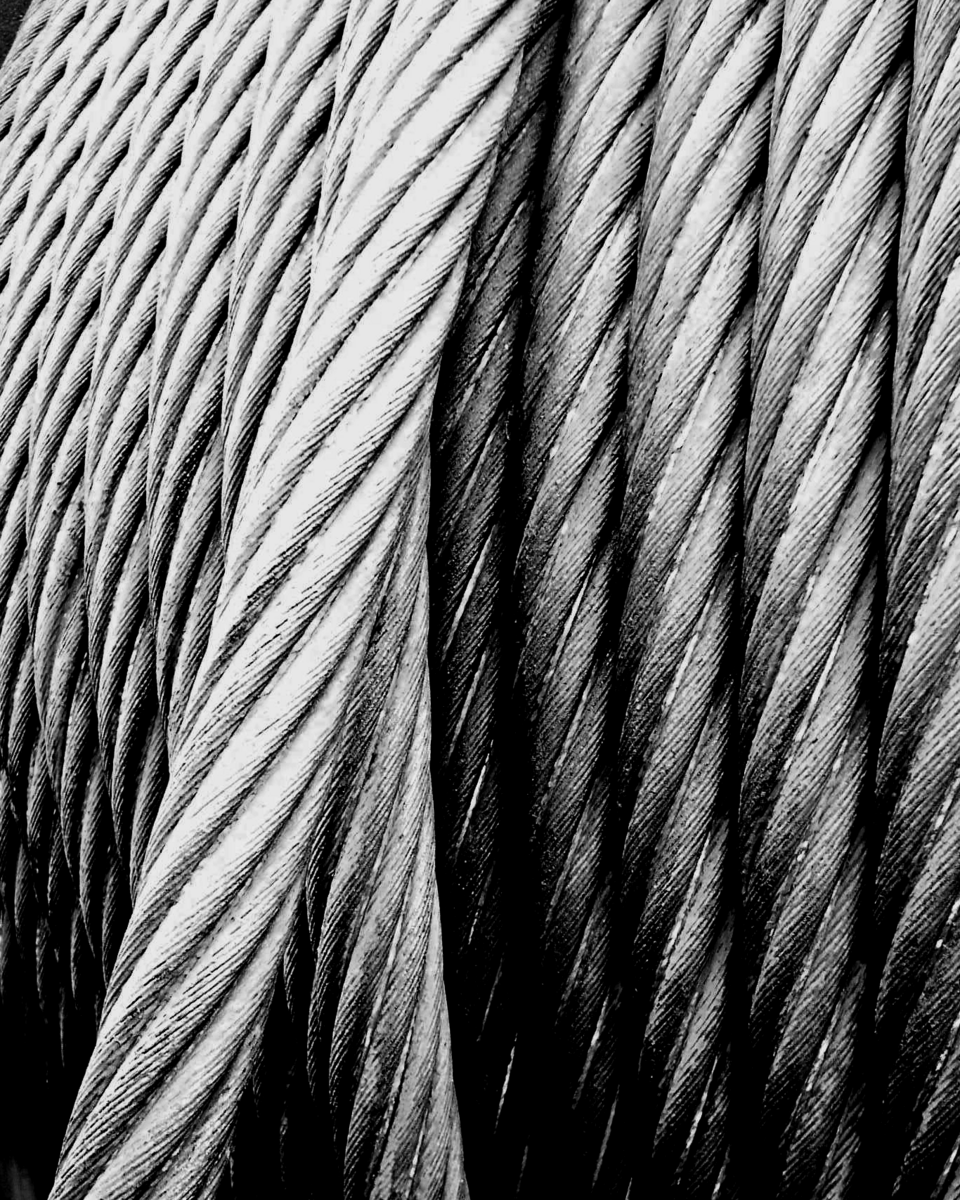
- Start from the application: Define working load, safety factor, environment (saltwater, chemicals), bending radius, and expected duty cycles before you ask for quotes.
- Verify construction and mechanical specs: Confirm strand pattern (e.g., 7×19), core type, diameter tolerance, minimum breaking load, and fatigue performance for the exact rope you’re buying — not just a catalog family.
- Check raw materials and process control: Ask which steel grades they use, how they control wire drawing, stranding, and closing, and whether they track heat numbers or production batches.
- Demand test evidence: Request mill test reports or third‑party test data for that specific rope size and construction. These should show breaking load, elongation, and sometimes bend fatigue or corrosion tests.
- Review certifications and traceability: Industry guidance highlights general quality certifications like ISO 9001 and any sector‑specific approvals your project requires. Traceability (linking a coil back to production records) helps with ongoing maintenance and incident investigations.
- Corrosion protection and packaging: Clarify galvanizing type or stainless grade, lubricants, and how coils or reels are wrapped to avoid damage during transit.
For high‑risk uses — lifting people, crane hoists, critical marine moorings — you should work with an engineer and local regulations. Online marketplace checks alone are not enough to guarantee safety.
Which Sourcing Route Fits Your Order Size and Specs, Including DHgate
You have four broad routes for jute rope and wire rope: general B2B marketplaces, more industrial‑focused marketplaces, specialist rope suppliers, and intermediaries. Here’s how they typically fit different scenarios, including DHgate.
Snapshot: sourcing channels by order profile
| Sourcing route | Best for jute rope | Best for wire rope | Typical MOQ/effort (editorial judgment) |
|---|---|---|---|
| DHgate & similar B2B marketplaces | Small–mid bulk, commodity jute cord, decor use | Non‑critical utility wire/rope, light hardware | Lower MOQs, more self‑service sourcing |
| Alibaba / Made‑in‑China style platforms | Mid–large orders, custom specs, factory contact | Engineered ropes with detailed specs and options | Higher MOQs, more factory negotiation |
| Specialist rope manufacturers/distributors | Ongoing supply, brand‑sensitive retail, uniform quality | Lifting, marine, rigging, certified applications | MOQs vary; higher engineering and paperwork |
| Intermediaries/trade agents | Bridging small buyers to export‑grade factories | Coordinated sourcing plus inspection and testing | Added fees; reduced legwork and risk exposure |
This table is based on how these channel types operate, not guarantees from any single platform or supplier.
Where DHgate tends to fit
DHgate’s own blog describes the platform as a B2B marketplace connecting global buyers with Chinese manufacturers and wholesalers, with relatively low minimum order requirements compared with some other wholesale sites and a very broad product range. That can be useful when:
- You want low‑volume or varied jute rope for packaging or decor, and you prefer online ordering over traditional trading.
- You need non‑critical wire or cable products (for example, basic utility rope, small DIY hardware) and accept generic specs.
Around 2026-10-09, a search of DHgate listings showed, for example:
- “Nylon Jute Rope for Gift Wrapping and Decorations 110m Length” in the ribbon category, priced in the roughly USD 9.52-11.55 range per unit, from supplier “ddmymar” (listing).
This single snapshot is not exhaustive, and prices, availability, and MOQs can change. But it illustrates that DHgate sellers may offer jute‑style rope in packaging‑oriented categories with per‑roll pricing suitable for smaller ecommerce operations.
If you explore DHgate further, pair that with disciplined checks on each listing: clarify fiber content, diameter, spool length, and whether you’re buying pure jute or blends. For wire or safety ropes, take extra care — cross‑check specs with an engineer before using marketplace products in load‑bearing applications.
If you’re planning to use DHgate heavily, you can also look at broader guidance on finding and vetting suppliers through routes like Find wholesale suppliers on DHgate or Choose a DHgate wholesale supplier.
When other routes make more sense
For large or customized jute rope orders — say, you need container‑level volume, specific fiber grades, and export documentation — platforms geared to factory discovery (Alibaba, Made‑in‑China) or commodity procurement firms such as those described in Logridge’s jute procurement page tend to be more efficient. You’ll spend more time defining grade, spec, and documentation, but you’re closer to the mills.
For engineered wire rope:
- Use industrial marketplaces and direct factory contact when you need bespoke constructions (e.g., specific strand designs, coatings) and can handle higher MOQs and technical negotiation.
- Use regional wire rope specialists and rigging houses (like those highlighted on industrial sites such as Industrial Wire Rope Supply) when you need not just rope, but terminations, load testing, and ongoing service.
Intermediaries and agents become attractive once you’re juggling multiple factories, tests, and export documents without an in‑house sourcing team. They add cost but can reduce risk and workload.
Quick scenarios to map your next step
- Small AE ecommerce brand selling gift packs: You need a few hundred rolls of jute‑look rope for packaging. DHgate or similar marketplaces can be a practical starting point, as long as you sample and check diameter and finish.
- Mid‑size importer of gardening rope: You want consistent natural jute rope in pallet quantities and private labeling. Factory‑focused platforms or jute directories (e.g., Freshdi) plus direct manufacturer negotiation will usually deliver better control on spec and branding.
- Construction firm sourcing crane wire rope: Marketplace listings are not enough. Work with a specialist wire rope manufacturer or regional rigging company, obtain test certificates, and involve qualified engineers.
Before choosing a DHgate supplier, use Find DHgate suppliers.
If you’re not sure which route fits, start by writing down your application, annual volume, and any safety or certification requirements. That one page of detail will make the trade‑off between DHgate‑style marketplaces, industrial platforms, and specialist suppliers much clearer.