
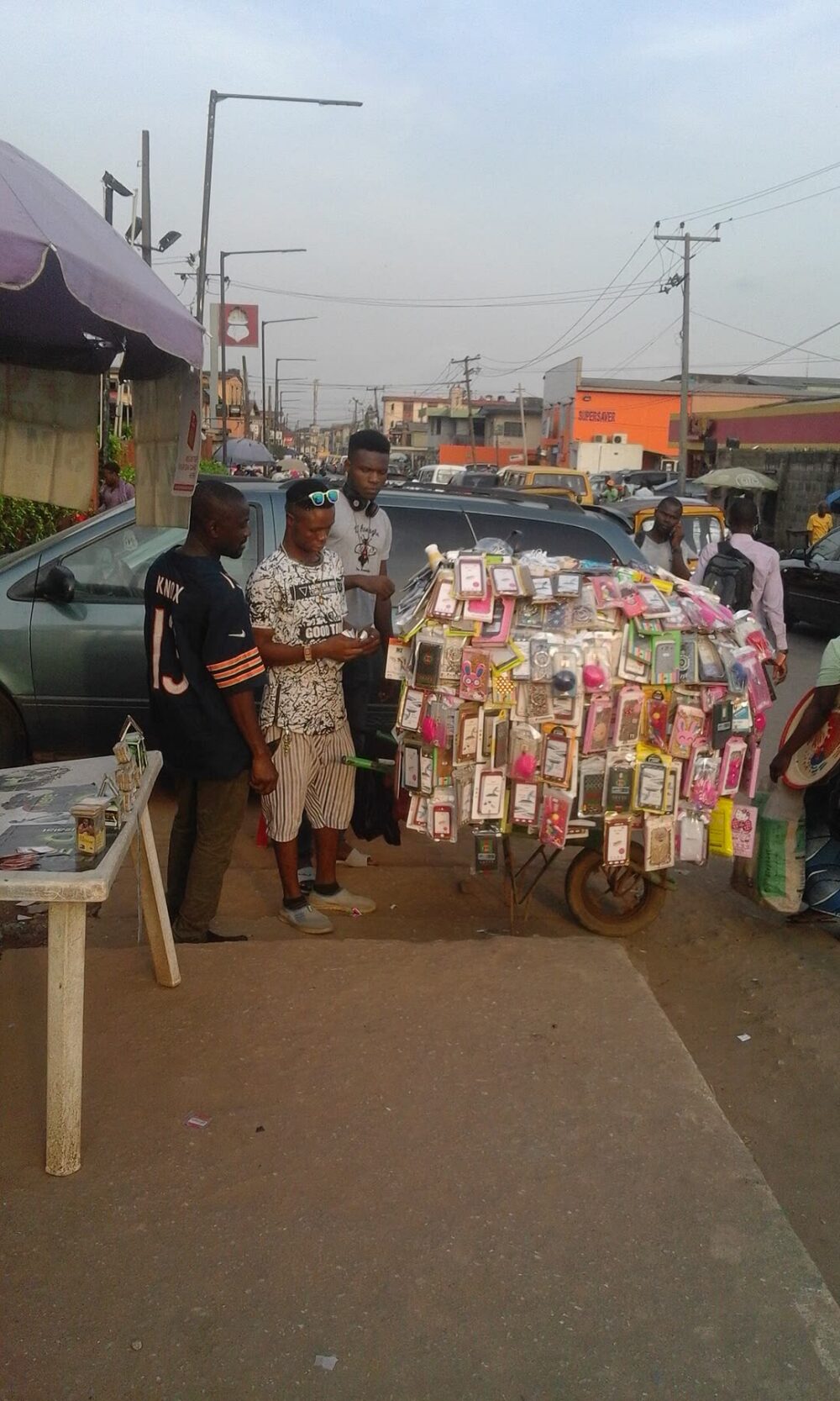
You should match your cell phone accessories sourcing route to how big your orders are, how customized you need products to be, and how much supplier management you can handle. For a Canadian reseller, local distributors give fast, simple replenishment; DHgate and similar marketplaces are flexible for testing and moderate volume; Alibaba-style factory sourcing and trade shows suit larger, branded lines. DHgate is one useful marketplace option, but it’s not automatically the best fit if you’re scaling up or need heavy customization.
How Cell Phone Accessories Move Through the Wholesale Supply Chain
Most aftermarket accessories — cases, screen protectors, chargers, mounts, earbud boxes — are designed and manufactured in Asia, then move through a few typical layers before they reach your Shopify store or mall kiosk in Canada:
- OEM/ODM factories in China and other Asian hubs produce generic and semi-custom accessories.
- Export-oriented wholesalers and trading companies aggregate SKUs and handle international orders.
- Global marketplaces (DHgate, Alibaba, Made‑in‑China) digitize access to those factories and traders.
- Local distributors in Canada (such as Budget Electronics) import in bulk and resell to retailers.
DHgate is a China-based B2B marketplace that connects international buyers with Chinese suppliers across categories, including smartphone accessories. Alibaba’s mobile accessories guides position it more as a factory-direct route for larger, customized orders.
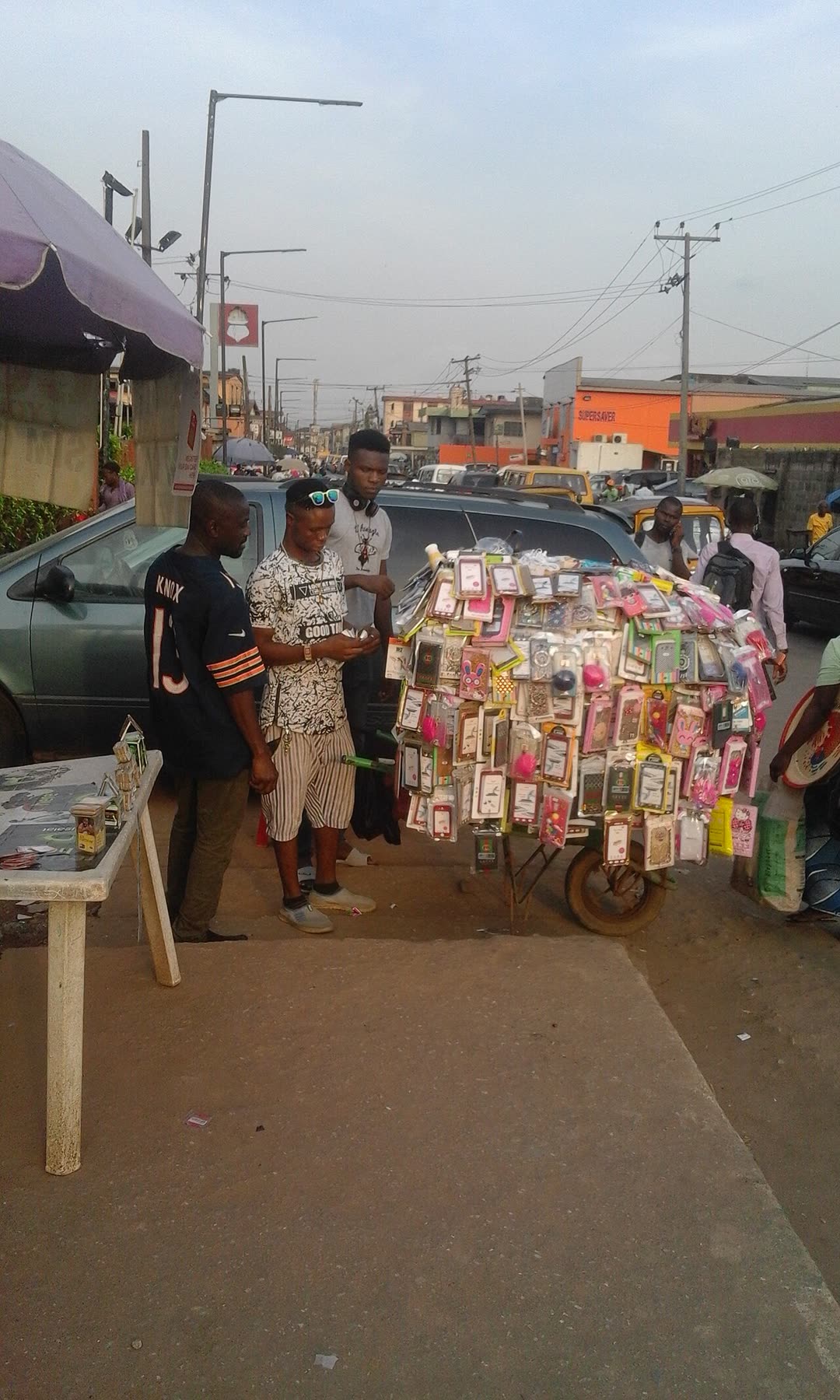
Channels Compared by Order Size, Customization, and Workload
Here’s how four common routes stack up for cell phone accessories, with a focus on Canadian small businesses.
| Sourcing route | Typical order size fit (editorial) | Customization potential | Buyer workload (communication, QC, importing) | Best use case |
|---|---|---|---|---|
| Canadian distributors (e.g., Budget Electronics) | Low–medium: cartons to small pallets | Low: mostly pre‑made brands/packaging | Low: domestic purchasing, simpler logistics | Fast replenishment for proven SKUs, store chains, kiosks |
| DHgate‑style marketplace | Low–medium: small cartons, mixed SKUs | Medium: logo print, color choices on some items | Medium: cross‑border communication, need to manage import steps | Testing new SKUs, niche accessories, flexible reorders |
| Alibaba / Made‑in‑China factory sourcing | Medium–high: pallets, ongoing programs | High: custom molds, branded packaging, tailored specs | High: RFQs, sampling, long-term supplier management | Building proprietary lines, feeding larger online/offline networks |
| Trade shows (e.g., Shenzhen/HK electronics fairs) | High: relationships often built for bulk | Very high: direct design/roadmap collaboration | Very high: travel, audits, complex contracts | Serious expansion, multi-year accessory programs |
This isn’t about which channel is “better” overall. It’s about matching:
- Order size: importing a mixed carton of 200 mounts is a different world from commissioning 20,000 custom-molded MagSafe cases.
- Customization: Canadian distributors tend to carry generic or brand-name items; factories will discuss materials, tooling, and packaging in detail.
- Workload: a marketplace order means you’re handling cross‑border communication and import legwork yourself. That’s manageable for a home‑based online store, but heavy if you’re placing a dozen POs a month.
If your business is still proving product-market fit — say a Shopify store selling cases and car mounts — marketplace sourcing can be a practical bridge between buying retail and signing factory contracts.
Using DHgate as One Sourcing Route for Cell Phone Accessories
DHgate’s own editorial content highlights smartphone accessories as a strong category, especially aftermarket cases and screen protectors. A quick look at live listings (retrieved 2026-10-14; prices and availability can change) shows how it practically fits different accessory types.
Snapshot: cases, mounts, chargers, and small storage
- A universal waterproof phone case listing, “Universal Waterproof Cases bag Phone Dry Bags Pouch for cellphone iPhone Samsung HTC Android Smart phones”, sits in the Cell Phone Cases category with a price range around US$0.94-1.14 per unit and a 5.0 rating from several reviews. That kind of pricing is attractive if you want to test pool‑friendly or travel‑oriented cases without committing to huge volumes.
- For tiny add‑ons, “Earphone Accessories 100pcs Lot Cell Phone Accessories Storage Box Round Zipper Earbud Cases Leather Headphone Storages Boxes Port” in Earphone Accessories shows pricing around US$0.42-0.62 per unit. High‑margin, low‑risk upsell items like this are common on DHgate.
- Packaging itself can be sourced via listings such as “DHCP Phone Accessories Cell Ohone Boxes.All Device with packaging Packages Different brands colors all available” in Other Cell Phone Parts, priced roughly US$1.95-2.36. This matters if you’re upgrading presentation for existing accessories rather than changing the products.
What this snapshot tells you:
- MOQ flexibility: The pricing and product types suggest small or mid‑sized batches are viable; you’re not locked into container-load quantities just to access wholesale‑ish pricing.
- SKU breadth: You can source both core items (cases, chargers) and peripheral pieces (earbud boxes, packaging) from different suppliers on the same marketplace.
- Evidence before bigger orders: Ratings and review counts, where present, are data points you can use to prioritize which SKUs deserve your first test order.
A realistic way to use DHgate from Canada could look like this:
- Once a SKU proves itself, you either keep reordering through DHgate for convenience, or you move up the chain (contacting suppliers directly or searching Alibaba/Made‑in‑China for a more customized version).
- As your volume climbs and you want proprietary designs or stricter control, you gradually transition core SKUs to factory‑direct sourcing, while using DHgate for experimentation and seasonal or novelty items.
If you go deeper into DHgate sourcing, you can also look at more focused guidance on evaluating suppliers and listings, such as the internal articles on finding wholesale suppliers or vetting DHgate vendors: Find wholesale suppliers on DHgate, Find DHgate suppliers, and Choose a DHgate wholesale supplier.
The key is to treat DHgate as one flexible route in a broader sourcing mix. Use it where small-batch testing and wide SKU access help your business, and be ready to graduate to factory relationships or trade show sourcing once your accessory line, order sizes, and brand plans justify the extra workload.