
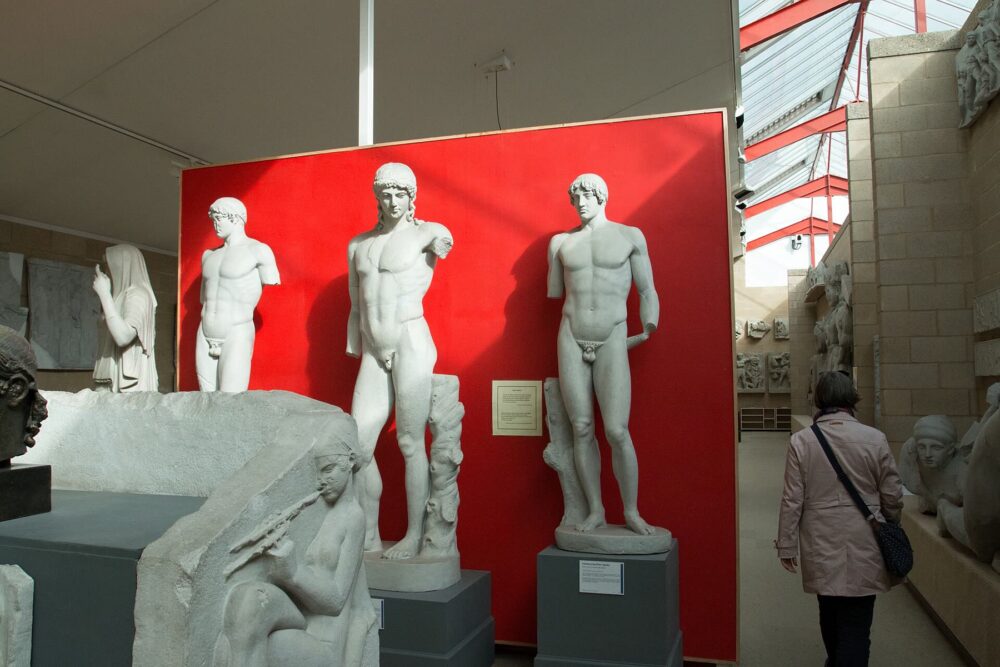
If you’re a Greek sculpture enthusiast in the US, you essentially have three online routes for Greek-style statues: specialist Greek art shops, big retail marketplaces, and cross-border sourcing marketplaces. Specialist sites (often based in Greece) are best for handcrafted or carefully made replicas with strong ties to Greek artistic traditions. Large platforms like Amazon, Etsy, Wayfair, and Walmart are better for wide selection and convenience, especially for decor. Cross-border marketplaces such as Alibaba, AliExpress, and DHgate become relevant when you’re chasing low per-piece costs or bulk orders, but they suit practical decor more than museum-level replicas.
The right choice depends on how serious you are about authenticity, how many pieces you need, and whether you’re a hobby buyer or running a small ecommerce shop.
Online Platform Landscape for Greek-Style Statues
From an enthusiast’s point of view, the online world for Greek-style sculpture breaks into four practical categories:
- Specialist Greek art and statue shops
These are niche sites that focus on Greek-inspired works and replicas. Some present themselves as sculpture-focused galleries and workshops. For example, the sculptor-focused site Varrias highlights Parian marble work and traditional craft; shops like Gallery Demeter and other Greek-art retailers sell busts of gods, philosophers, and classical figures. Here you’re typically buying directly from craftspeople or small studios.
- General retail marketplaces (US and global)
Platforms such as Amazon, Etsy, Wayfair, Walmart and similar retailers host thousands of statue and figurine listings, including classical-style decor. DHgate’s own editorial blog notes that these marketplaces are common destinations for statues and figurines, and that they cover a broad range of materials and styles from garden pieces to indoor decor. You’ll find everything from resin Venus de Milo replicas to generic “ancient Greek” garden statues across these sites.
- Cross-border retail marketplaces
International marketplaces like AliExpress list Greek statue decor for buyers outside the manufacturing countries. Search results show products such as Venus de Milo replicas and other Greek-style figurines offered for global shipping. These platforms skew toward mass-produced decorative pieces rather than workshop-level sculpture.
- Community and discovery platforms (non-commerce)
Photo-sharing and enthusiast spaces, such as the Ancient Greek Sculpture group on Flickr, host thousands of images and discussions around classical works. Forums and classics communities play a similar role. They don’t sell statues directly, but they’re useful for discovering specific styles, learning proper names, and sharpening your eye before you buy.
For a Greek sculpture enthusiast, this landscape means you can choose between depth (specialist shops), breadth and convenience (big retail marketplaces), cost and volume (cross-border marketplaces), or pure learning (communities) depending on the project.
How Each Platform Type Works for Greek Sculpture Enthusiasts
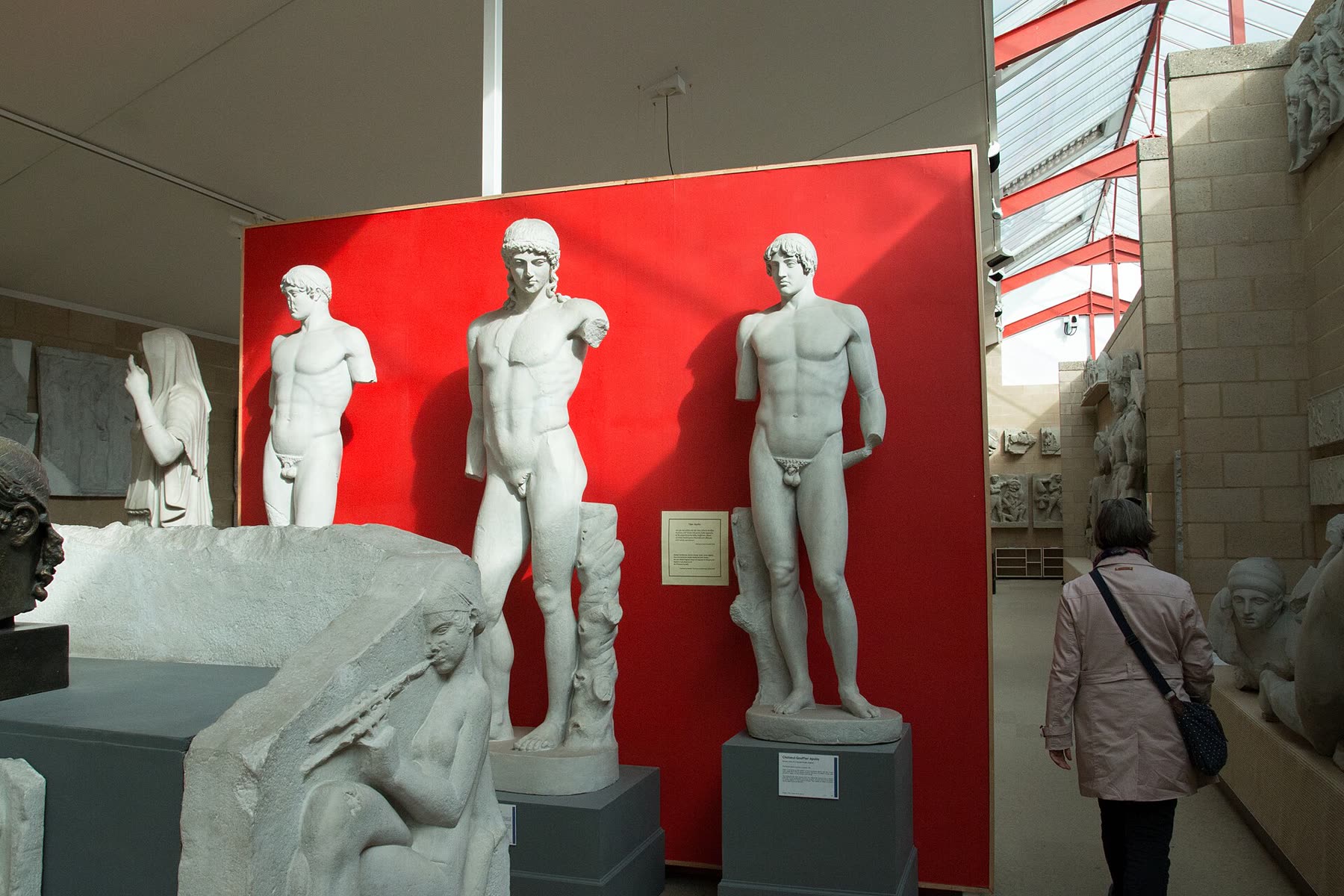
Specialist Greek shops and workshops
Specialist Greek sculpture platforms typically revolve around a workshop or a small group of artists. A site like Varrias showcases sculptures carved in stone with explicit reference to Greek tradition. Others, such as Gallery Demeter and similar shops, focus on replicas of famous works, mythological figures, and classical busts.
How this plays out for you:
- Products lean toward handcrafted or carefully cast replicas, not anonymous decor.
- Assortment is narrower but more focused: Olympian gods, kouroi and korai, philosophers, and classic reliefs.
- Relationship is closer to the maker; in many cases you can email the workshop for sizing, material, or commission questions.
These sites are appealing if you care about how closely a statue follows the original and want a piece that looks at home next to books on Phidias, not just next to a modern lamp.
Big retail marketplaces (Amazon, Etsy, Wayfair, Walmart)
On larger retail platforms, Greek-style statues sit inside huge decor and art categories. A DHgate blog overview of statue shopping highlights Amazon, Etsy, Wayfair, Overstock, Walmart, and similar retailers as common sources for figurines, garden statues and sculptural decor.
Mechanics for Greek-style pieces:
- Scale and variety: You can find small resin desk statues, plaster busts, garden-size figures, and themed merch (e.g., “ancient Greek statues” posters or figurines).
- Seller mix: On Etsy some listings are artist-made, while on Amazon or Walmart they may be dropshipped or branded decor lines.
- Ordering: Typically single-piece orders, standard retail checkout, and familiar payment methods.
For a US-based enthusiast or a small decor shop, these platforms are often the easiest way to test demand: order one Athena bust, see if it sells, then reorder. You trade depth of craft for speed and convenience.
Cross-border retail and sourcing marketplaces
International platforms like AliExpress list Greek statue decor pieces, positioned as home and garden ornaments that ship cross-border. Listings tend to emphasize style (“Greek goddess statue”) rather than workshop provenance.
Alongside AliExpress and Alibaba, cross-border marketplaces such as DHgate form a third route: they connect buyers with overseas manufacturers and sellers who can supply Greek-style statues and figurines at scale. These platforms are commonly used for:
- Bulk or repeat orders of the same decorative design.
- Lower unit costs on mass-produced items, trading off against longer shipping routes and coordination with distant suppliers.
Policies and protections vary by marketplace and can change, so you should always read the current seller and platform terms directly on AliExpress, Alibaba, DHgate or any similar site before placing cross-border orders.
Communities and photo-sharing spaces
Enthusiast communities don’t sell statues, but they quietly shape good buying decisions. The Ancient Greek Sculpture group on Flickr is one example: hundreds of photos of museum pieces, discussion of dating and style, and comments on details.
This kind of reference helps you:
- Learn what a particular kouros or Venus replica should look like.
- Decide if you want a weathered “archaeological” finish or a clean white marble look.
- Spot cheap design shortcuts (awkward proportions, incorrect drapery) when browsing marketplace listings.
Choosing the Right Platform for Your Greek Statue Orders
Greek sculpture enthusiasts and small sellers usually fit into one of a few practical scenarios. Matching those to platform types clarifies your next step.
Quick home decor or gift (1-2 pieces)
If you’re buying a single statue for a living room, office, or as a gift, your main constraints are budget, style, and how soon you want it.
- Best fit: large retail marketplaces (Amazon, Wayfair, Walmart) and Etsy. You’ll see many Greek-style options, from desk-size Venus replicas to garden statues, with user photos and decor context.
- When to consider specialist shops: if the piece is for a serious collector or you want a statue that closely echoes museum work, browsing sites like Varrias or Gallery Demeter is worth the time.
Serious enthusiast or collector piece
If you care deeply about fidelity to ancient models or traditional materials, you’ll likely accept higher prices and longer lead times.
- Best fit: specialist Greek art and statue shops tied to workshops or sculptors. They’re more likely to respect proportions, poses, and classical canons, whether in marble, stone, or carefully cast materials.
- Supplement: use photo communities (e.g., the Flickr Greek sculpture group) to compare the shop’s designs with museum references before you commit.
Small ecommerce shop curating Greek-style decor
A US-based online shop selling classical-themed decor has to juggle margin, supply reliability, and look-and-feel.
- Test phase: start with retail marketplaces and Etsy. Order a small set of designs (say, different Apollo or Athena busts) and gauge what your customers prefer. This keeps upfront risk low.
- Differentiation phase: when you know your audience, mix in pieces from specialist Greek sites. A handful of workshop-made statues can lift your brand above generic decor shops.
- Volume phase: if you discover that a mass-produced “Greek statue” design sells extremely well, cross-border marketplaces like Alibaba, AliExpress, or DHgate become options to source that design in bulk or under your own label. This is mainly suitable for decor-grade pieces, not for high-end replicas.
Here’s how those routes compare at a high level:
| Buyer need / scenario | Specialist Greek shops | Big retail marketplaces | Cross-border marketplaces (AliExpress, Alibaba, DHgate) |
|---|---|---|---|
| Single decor piece for home/gift | High craft, narrower choice | Very wide choice, mostly decor-grade | Possible, but usually slower and more involved |
| Collector-style, tradition-focused piece | Strong fit; closer to workshop practice | Mixed fit; some good, much generic decor | Generally poor fit for serious collectors |
| Small shop testing demand (low volume) | Good for distinctive hero products | Strong fit; easy reordering of a few pieces | Usable but often overkill for early testing |
| Bulk decor orders / private-label runs | Limited; many workshops don’t scale big | Limited; often not set up for large B2B runs | Strong fit for mass-produced Greek-style decor |
How to think about cross-border risk without policy details
Because official policy data isn’t in scope here, the safest practical way to approach cross-border platforms is via questioning each listing and seller, not assuming a generic guarantee.
For Greek-style statues and decor, focus on:
- Product photography and descriptions: do they show the statue from multiple angles, and does the design match references you trust?
- Material claims: are materials clearly stated (resin, stone, plaster), and do they match your price expectations?
- Seller track record: look at whatever ratings or history indicators each marketplace surfaces, and favor sellers with longer histories and consistent feedback.
Before you commit to a large order from AliExpress, Alibaba, DHgate or similar platforms, many small shops place a modest test order first and only scale up once they’ve physically inspected a sample batch.
If you’re weighing cross-border options more broadly, the overview in Compare online marketplaces and shopping platforms and the focused comparison in Compare DHgate with AliExpress, Alibaba and Temu can help you understand how these marketplaces differ beyond the Greek sculpture niche.