
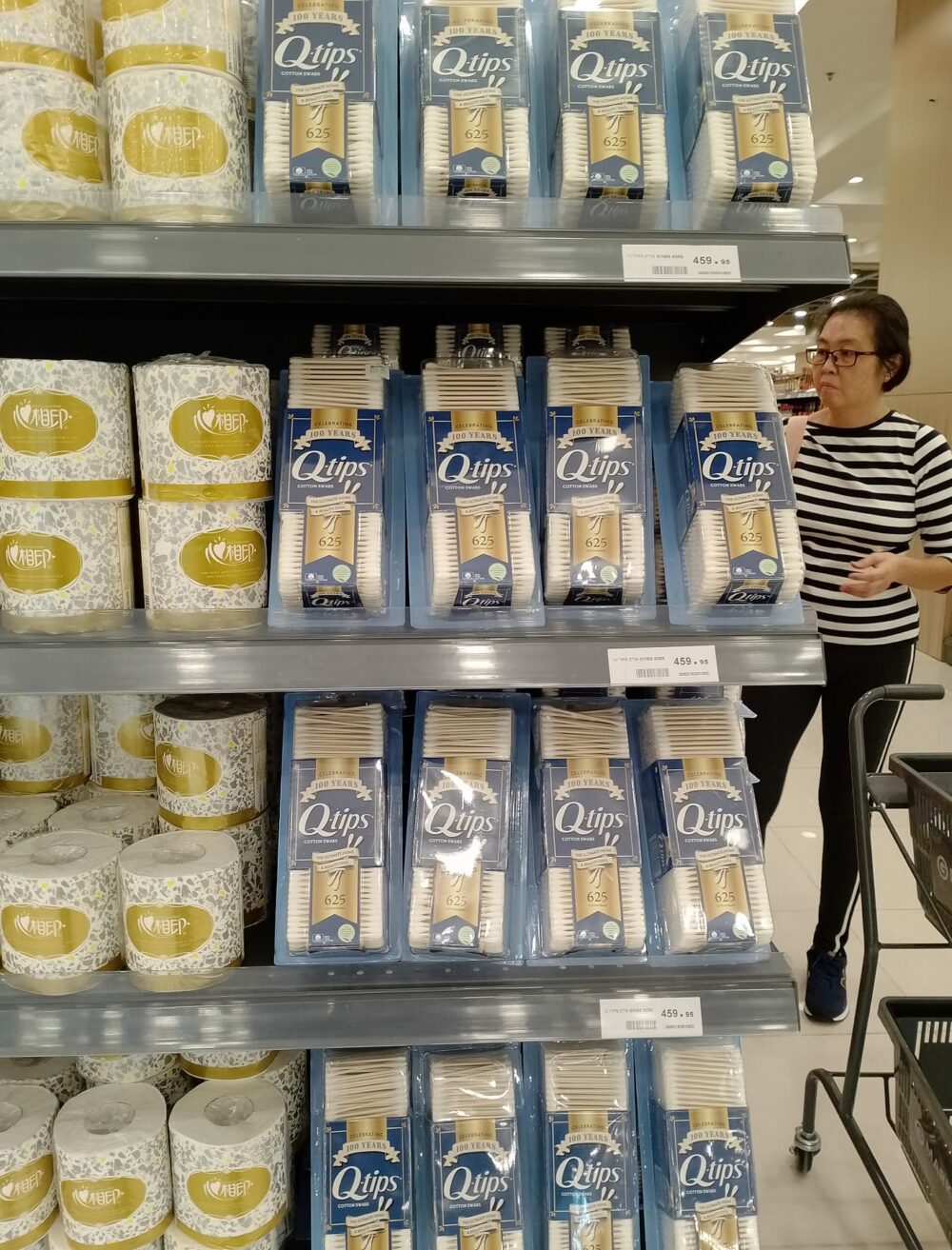
For small and mid-sized US orders of standard cotton swabs and Q Tip–style buds, online marketplaces are usually the lowest-work way to buy in bulk, and DHgate can be one of those routes. If you’re sourcing large volumes, custom packaging, or any swab used in medical or lab settings, direct manufacturers and medical wholesalers tend to be a better fit than consumer-focused platforms. The trade-off is simple: the more regulated or customized your swab, the more work you take on in compliance and factory management.
This guide compares the main sourcing routes for bulk cotton swabs/Q Tips, with DHgate as a documented example rather than the default answer, so you can match each channel to your order size and risk tolerance.
How Bulk Cotton Swabs and Q Tips Are Made and Sold to Wholesale Buyers
Most bulk cotton swabs come from high-volume factories that specialize in either cosmetic/personal-care swabs or medical/industrial swabs. For US buyers, you’ll usually touch the supply chain at one of three points:
- Domestic wholesale cotton suppliers. US-based companies like SDA CCS stock cotton balls and swabs as part of a broader cotton products lineup. These suppliers are geared to clinics, salons, and retailers who need cases or pallets but don’t want to manage overseas manufacturing.
- Medical swab manufacturers. For anything used in diagnostics, specimen collection, or clinical procedures, specialized manufacturers such as Puritan Medical Products design swabs to medical and lab requirements. They’re an example of the kind of partner you’d vet carefully for regulatory compliance rather than treat as a generic commodity source.
- OEM-style factories for cosmetic/consumer swabs. Factories like Kanmine show what OEM production looks like: they offer paper-stick cotton swabs in large packs (for example, 500-count packaging) and emphasize custom branding and pack sizes. This is the typical route if you want private-label Q Tip–style products.
On the retail end, brands such as Q-tips sit on top of this manufacturing layer, while distributors, importers, and marketplaces connect those factories to hundreds of small ecommerce businesses.
Sourcing Routes by Order Size, Customization, and Compliance
Different channels make sense for different kinds of cotton swab orders. Here’s a practical overview, grounded in real examples.
Domestic wholesalers and distributors
If you’re a US salon, pharmacy, or small ecommerce brand reselling generic cotton swabs, domestic wholesale is often the lowest-risk option.
- Who this fits: Small and mid-sized orders (cases to pallets) with standard specs: simple cotton buds, basic packaging, no heavy customization.
- Examples: Domestic cotton suppliers like SDA CCS; general wholesalers and re-packers similar to those that stock “bulk cotton swabs” for retailers.
- Pros: Simple logistics, familiar payment terms, and less regulatory ambiguity for non-medical swabs.
- Workload: Low. You’re mainly negotiating price, pack sizes, and delivery schedules.
Direct manufacturers and OEM factories
If you need custom branding, eco-friendly sticks, or unusual pack sizes, going straight to a factory makes more sense.
- Who this fits: Mid to large orders (tens of thousands of pieces and up) with custom packaging or materials.
- Examples: OEM-style producers such as Kanmine that highlight 500-count packs and branding options; suppliers like Runfarmed that sell bulk cotton swabs directly from source.
- Pros: Control over stick material (paper, plastic, bamboo), tip shape, pack counts, and brand identity.
- Workload: Moderate to high. You’re handling sampling, spec sheets, and longer lead times.
Medical and clinic-focused distributors
Medical or lab use is a different category entirely. Here, compliance comes first.
- Who this fits: Hospitals, clinics, and lab supply businesses buying regulated swabs for patient contact or specimen handling.
- Examples: Manufacturers like Puritan Medical Products; clinic-oriented wholesalers such as Planetmedi, which catalogs cotton swab products that resemble Q-tip style buds for clinical use.
- Pros: Product lines are designed for healthcare customers, with documentation and performance specs more readily available.
- Workload: High on due diligence. You’re reviewing certifications and quality documentation, not just pricing.
- Risk note: For US buyers, you should treat claims of “medical” or “clinical” as marketing until proven, and rely on regulatory or legal counsel for anything touching FDA or similar requirements.
Cross-border B2B marketplaces (including Alibaba)
Large B2B marketplaces give you access to dozens of factories without having to source each one individually.
- Who this fits: Small to mid-sized brands looking to experiment with new SKUs or lower-cost bulk swabs, especially in the beauty or general consumer space.
- Examples: Alibaba’s cotton tips suppliers page shows multiple manufacturers and distributors pitching cotton tip products to global buyers.
- Pros: Huge variety of tip shapes, stick materials, and pack sizes; easier to compare multiple factories quickly.
- Workload: Medium. You must vet each supplier, communicate across time zones, and manage import steps.
- Compliance: Good for cosmetic and everyday consumer swabs. Any medical or diagnostic use raises extra scrutiny and potential regulatory risk.
Quick channel-fit table
| Use case / requirement | Best-fit routes | DHgate / cross-border fit |
|---|---|---|
| Basic cosmetic swabs, small-mid orders | US wholesalers; cross-border B2B | Often practical for testing suppliers |
| Private-label, custom pack sizes/materials | Direct OEM factories; marketplaces | Viable, but requires more communication |
| Clinic or lab swabs (regulated use) | Medical manufacturers/wholesalers | Generally poor fit without strong vetting |
| Very large volumes with tight specs | Direct long-term factory contracts | May start on marketplaces, then move direct |
Where DHgate and Similar Platforms Fit for Cotton Swabs
DHgate describes itself as a China-based B2B marketplace connecting global buyers with mainly small and medium manufacturers, using tiered pricing and relatively low minimum order expectations compared with some traditional B2B sites. That can make it appealing if you’re a smaller US seller experimenting with cotton swab SKUs.
What DHgate’s current listings suggest
On 2026-10-14, DHgate’s product pages showed a mix of beauty-oriented and utility swabs in bulk-style packs. A few examples:
- Pointed beauty swabs in large packs. One listing for “1001000Pcs Disposable Pointed Cotton Swabs Multipurpose Beauty” in the cotton swabs category offered a price range of about USD 88.15-94.47 depending on options, with up to 1,000 pieces per pack (DHgate beauty swab listing).
- Smaller bamboo-stick packs. A separate listing, “Wholesale swabs, 60 pieces in a bag, bamboo… disposable cotton swabs,” showed 60-piece bags at roughly USD 0.23-0.24 each (DHgate bamboo swab bag). This illustrates access to bamboo sticks and small pack formats.
- Micro and specialty swabs. Listings like “100Pcs/Bag Industry Micro Cotton Swab Sponge/Polyester Stick Cleaning Swab Sticks Cleaning Q-tips” sit in cotton swabs but lean toward cleaning/industrial applications (DHgate micro swab). Beauty-focused pointed swabs also appear in smaller pack configurations, such as “1 Pack of 80/100 Pointed Cotton Swabs” with a price band around USD 24.21-25.52 (DHgate pointed pack).
Prices and availability can change, but these snapshots show the scale and variety you can expect: from 60-count bamboo packs to 1,000-count pointed swab packs, mostly oriented toward beauty, cleaning, and consumer uses rather than hospital-grade diagnostics.
When DHgate is a realistic option
For a US-based beauty or general ecommerce seller, DHgate can make sense when:
- Your order size is modest and you want to try multiple swab styles before locking in a factory contract.
- You care about tip shape and stick material (e.g., pointed tips for makeup correction, bamboo sticks for eco positioning) more than strict medical standards.
In contrast, DHgate is usually not the best starting point if you:
- Need swabs for clinical or diagnostic use where certifications drive the purchasing decision.
- Are ready to commit to very large, recurring orders and want direct contracts with factories that can be audited on-site.
If you decide DHgate is worth testing, pair platform-level research with supplier-specific vetting. DHgate’s own blog suggests using things like tiered pricing and seller badges as rough signals, but you still need to evaluate each listing like any cross-border deal. For general guidance on finding and evaluating suppliers on DHgate, articles such as Find wholesale suppliers on DHgate and Choose a DHgate wholesale supplier can help you structure that work.
Matching Routes to Your Cotton Swab Business Scenario
The practical way to choose a sourcing route is to start with your use case and workload tolerance, then back into channels:
- Small US ecommerce brand, selling cosmetic Q Tips–style swabs: Try domestic wholesalers first for fast, low-risk stock. If margins are tight or you want differentiated materials (bamboo, pointed micro swabs), use cross-border platforms like DHgate or Alibaba to test a few suppliers via samples before scaling.
- Private-label beauty line aiming at retail distribution: Talk directly to OEM factories (including those you find through marketplaces) that offer custom pack sizes like Kanmine’s 500-count paper-stick swabs. Expect more negotiation and sampling, but better brand control in the long run.
- Clinic or lab-focused business: Focus on medical manufacturers and healthcare distributors such as Puritan and Planetmedi. Treat the entire category as regulated, and plan for a higher vetting workload; consumer marketplaces like DHgate are secondary at best here.
Before choosing a DHgate supplier, use Find DHgate suppliers.
If a route looks attractive but demands more work than you can handle (for example, direct importing from multiple factories), it’s often smarter to accept a slightly higher unit cost through a domestic wholesaler than to take on compliance and logistics you can’t realistically manage.