
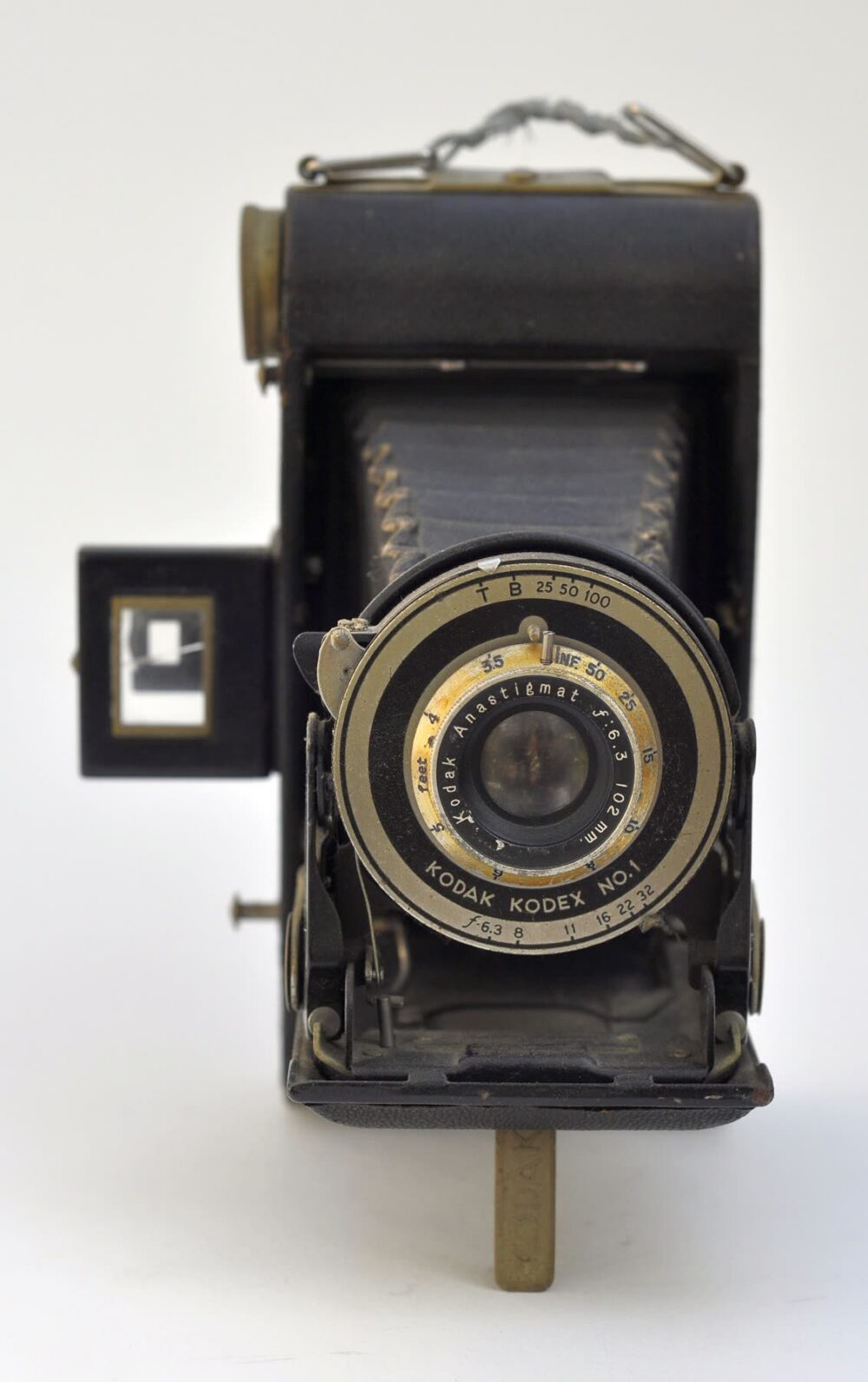
The Mamiya C330 series is a line of medium‑format twin‑lens reflex cameras produced from 1969 to the mid‑1990s. That makes every C330, C330f and C330S you’ll touch today a discontinued, all‑mechanical camera that lives entirely on the used and repair market.Source For buyers and small ecommerce shops in Australia, your most realistic path is to source complete bodies and lenses from established vintage dealers or peer marketplaces, then treat backs, light seals and basic cleaning as in‑house maintenance while sending complex mechanical or optical work to specialists.
That balance matters: simple jobs like light seal replacement are discussed as DIY projects in user communities, while focus and lens calibration threads usually end with recommendations to find an experienced repairer.SourceSource If you try to run everything in‑house, you risk turning a saleable camera into parts; if you outsource everything, small margins on niche film gear evaporate.
Understanding the Mamiya C330 series and why the market feels “thin”
The C330 line evolved over roughly 25 years, but every variant shares the same basic concept: a 6×6 cm medium‑format TLR with interchangeable lens pairs and a bellows focusing system. The original C330 arrived in 1969, followed by refinements like the C330f and later C330S, which toned up durability and ergonomics rather than radically changing image quality.SourceSource
That history shapes what you see on the used market today:
- Age and usage: Even a late C330S is decades old. Many have sat unused for years, so you’ll encounter dried lubricants, tired springs, haze or fungus in lenses, and degraded foam seals.
- Variant mix: Earlier bodies may show more external wear and have more design quirks, while C330S samples often look cosmetically cleaner and feel a bit more robust in handling.Source
- Parts ecosystem: Mamiya no longer manufactures parts. Supply now comes from donor cameras, old stock in repair shops, and a cottage industry making consumables such as light seal foam.
The professional repair manual and parts lists for the C330f run through a large number of tiny components—springs, levers, gears and baffles—inside the body and lens shutters.Source That complexity explains why the market strongly favors complete cameras and lenses in decent working shape over “project” bodies unless priced very low.
Sourcing bodies, lenses, backs and seals – and managing quality
You’ll typically source four categories of items:
- Complete bodies (C330, C330f, C330S)
- Lens pairs (55 mm, 80 mm, 105 mm, etc.)
- Film backs/doors and focusing screens
- Consumables (light seal kits, screws, springs from donor bodies)
For practical sourcing in Australia and cross‑border, buyers often combine channels:
- Specialist vintage dealers and camera shops: These are the most reliable route for complete bodies and lenses. Dealers often perform a basic check or CLA (clean, lubricate, adjust) before sale, and they know how to describe condition in detail.
- Peer marketplaces (e.g., eBay): Good for finding lens sets, backs or “parts cameras.” Community discussions around light seals mention pre‑cut foam kits sold there for Mamiya C‑series bodies.Source
- Independent repairers: Some technicians sell surplus parts (backs, screens, knobs) or will quote for rebuilding a rough body you bought cheaply.
Because there’s no factory QC, your quality control starts at the listing and continues when the camera arrives.
Before you buy, pay attention to:
- Shutter and winding description: Look for phrases like “shutter fires on all speeds,” “film advances smoothly,” or “tested with film.” Vague comments (“seems fine”) signal risk.
- Lens condition specifics: “No fungus, minimal dust, no separation” is a better sign than “clear for age.” Ask directly about haze, oil on aperture blades, and separation.
- Back and seals: Community threads highlight light seals and backs as common points of concern.SourceSource Ask whether the film door closes firmly and if seals have been replaced.
On arrival, run this quick condition checklist (no tools required):
- Body: Check the bellows for pinholes under a bright light, and ensure the focusing rack runs smoothly through its range.
- Shutter & advance: Dry‑fire each shutter speed on every lens, listening for consistency. Run a dummy roll or backing paper through to confirm spacing and frame counts.
- Lens optics: Inspect with a flashlight for fungus, haze or separation. Light dust is common; haze or growth usually means a specialist job.
- Back & seals: Open the back, look for crumbling or sticky foam along edges and baffles, and confirm the latch closes positively.
If you plan to resell, note all findings immediately. They determine whether you offer a “user‑ready” camera, a “serviced” premium listing after professional work, or a “for repair/parts” unit.
What you can reasonably maintain yourself vs sending out
Community repair guides and discussions draw a fairly consistent line between casual DIY and specialist work for the C330.SourceSource
DIY‑friendly tasks for careful owners
These jobs affect reliability but don’t usually require opening the shutter or focus mechanisms:
- Light seal replacement: Foam along the film door and internal baffles degrades with age, causing leaks. Several threads show users replacing seals on C‑series bodies using pre‑cut kits and basic tools.Source You’ll need patience, a safe solvent for old adhesive, and a steady hand. Always test with a sacrificial roll before trusting the camera for paid work or resale.
- Basic exterior cleaning: Blowing dust off focusing screens, gently cleaning the exterior leatherette and knobs, and cleaning lenses with normal lens tools.
- Grip/strap hardware and backs: The repair manual mentions grips and backs as separate components on the C330f.Source Swapping a damaged hand grip or back with a donor part is often straightforward if you stay within the same series.
Treat these as maintenance that can add value to a user camera or keep your own body reliable. But avoid overselling your work; describe it clearly in listings (e.g., “new foam light seals installed; not professionally tested”).
Work better suited to specialist repairers
Inside the C330, each control connects to small interlocking parts. The professional manual’s parts list underscores how easy it is to mis‑time mechanisms or damage levers without training.Source Based on repair community practice:Source
- Lens shutter service and timing: Sticky shutters, inconsistent speeds or oil on blades generally go to technicians. They have the tools to clean and reassemble Copal shutters without ruining alignment.
- Focus calibration and parallelism: Ensuring the viewing and taking lenses focus together at all distances requires collimation gear and experience. DIY attempts risk a camera that never truly focuses.
- Deep body rebuilds: Re‑springing the advance mechanism, fixing interlocks, or re‑aligning the bellows track are complex jobs. Unless you’re a trained repairer, sending these out is safer.
For a small reseller, the usual pattern is: buy bodies and lenses that are fundamentally sound, do light seals and cosmetic cleaning yourself, and budget for occasional professional CLA on standout units you plan to sell at a premium.
Choosing sourcing channels for different order sizes
Because all C330 gear is used and discontinued, you won’t see modern factory‑style wholesale tiers. Instead, you’re piecing together stock from multiple small sources. Here’s how different channels typically fit single purchases vs small batches:
| Channel type | Best for | Typical stock profile | DIY vs specialist balance |
|---|---|---|---|
| Local/vintage camera dealers | 1-2 bodies or lens sets at a time | Tested, often serviced bodies and lenses | Minimal DIY; occasional seals or cleaning |
| Peer marketplaces (e.g., eBay) | Single bodies, loose lenses, parts | Mixed: user‑ready, project and donor units | More DIY; frequent need for pro shutter work |
| Independent repair shops | Upgraded “serviced” stock, parts | Bodies/lenses post‑CLA; odd backs/screens | Little DIY; you pay for expert work upfront |
| Broad B2B marketplaces | Ancillary gear only (bags, tripods) | New generic accessories, no C330 specifics | Not relevant to body/lens maintenance |
For cross‑border orders into Australia, the real cost driver is not a per‑unit MOQ but landed cost per usable camera. If you buy three “bargain” bodies that each need a full rebuild, your effective unit cost may exceed one well‑checked body from a specialist dealer.
It’s often smarter to:
- Start with one well‑described camera and lens from a reputable dealer to learn typical issues and market expectation.
- Use peer marketplaces to add lens variations or backs once you know what “good” looks like.
- Build a relationship with one or two repairers who understand Mamiya TLRs and can quote for specific jobs.
For generic accessories—tripods, bags, or lighting—broad marketplaces can play a role. As of 2026-10-14, DHgate’s listing snapshots show a range of generic digital cameras, CCTV modules, tripods and camera bags, but not specific Mamiya C330 bodies or lenses. That means it’s more a potential source for things like protective bags or tripods than for core C330 stock. If you do explore camera accessories there, treat each supplier like any cross‑border vendor: check detailed product descriptions, review counts and ratings, and verify that the accessory actually fits medium‑format TLR dimensions before you place a small test order. You can then use resources such as find wholesale suppliers on DHgate or find DHgate suppliers to refine your supplier shortlist.
A simple rule of thumb on when to stop DIY
If a task affects whether the shutter fires consistently or the camera focuses where you expect, and the repair manual suggests more than a couple of linked parts in that area, it’s usually time to involve a specialist rather than experimenting. User communities reinforce this by treating light seals and basic cleaning as “home” jobs, but steering questions about lens calibration, focus issues and internal mechanical timing toward repair techs.Source
For a small ecommerce business, that line helps you protect both your inventory and your reputation: do the reversible, consumable work yourself; outsource anything that could quietly ruin footage or negatives for the next owner.