
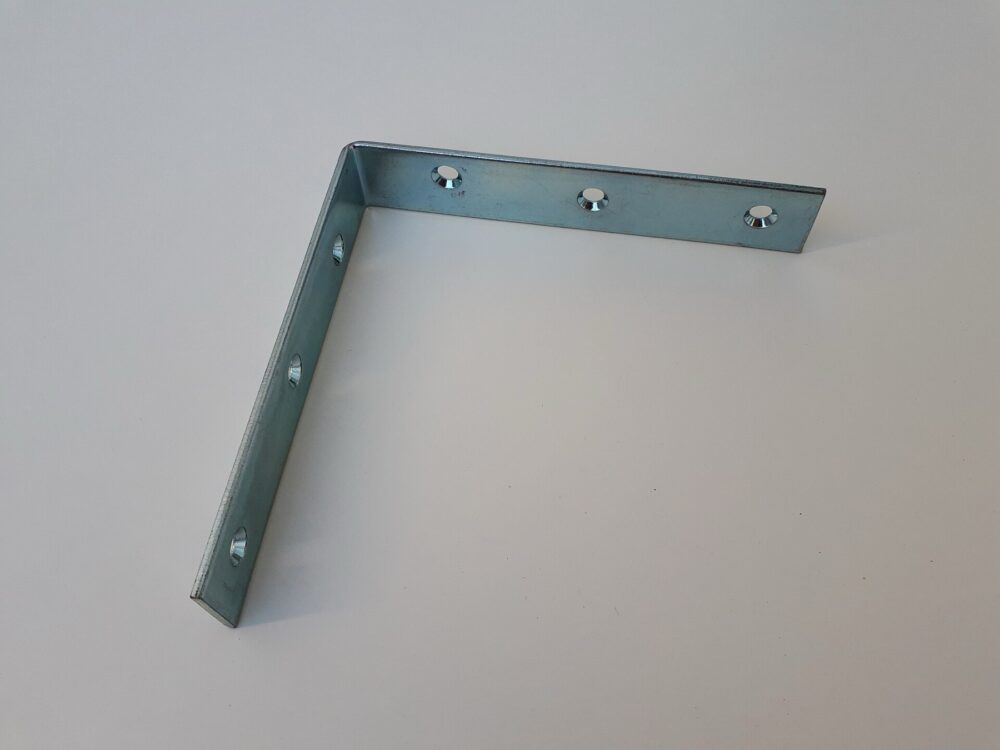
If you’re sourcing 60° angle brackets for resale or projects, you’re choosing between three real channels: US catalog distributors (fast, higher unit cost, limited customization), online marketplaces like DHgate or Alibaba (broad range, lower MOQs, more vetting work), and direct Chinese manufacturers (project-based custom work, best when volumes justify the effort). DHgate can make sense for small to medium test orders or ongoing e‑commerce replenishment, but it’s not automatically better than buying McMaster-Carr stock or commissioning a factory like KDM Steel.
The sections below map these routes by how 60° brackets are made, how to vet suppliers, and which channel fits different quantities and specs.
How 60° Angle Brackets Are Made and Sold in Wholesale Channels
For hardware as simple as a 60° angle bracket, the supply chain still splits into distinct business models.
Domestic catalog distributors (stocked parts) US catalog houses such as McMaster‑Carr stock standard 60° inside angle brackets and similar fittings. These are usually:
- Pre‑engineered parts with defined loads and finishes
- Kept in regional warehouses for quick delivery
- Offered in small pack quantities (good for prototyping or small e‑commerce runs)
You pay more per piece, but you gain predictable specs and short lead times.
Strut and framing systems (60-67.5° fittings) Structural framing brands such as Unistrut supply channel angle fittings around the 60-67.5° range for pipe and tray supports. These are designed to work as part of a strut ecosystem (channel, clamps, hardware), not as generic brackets. If your bracket need is part of a strut-based install, staying within that brand’s fitting catalog is usually the least risky route.
Direct Chinese manufacturers (custom brackets) On the manufacturing side, companies like KDM Steel in China produce steel angle brackets to customer drawings, materials, tolerances, and finishes. This route typically serves:
- OEMs and project buyers with clear technical drawings
- Bulk orders with negotiated pricing and lead times
- Custom angles (including 60°) and hole patterns that aren’t found in catalogs
You trade easy ordering for deeper engineering and logistics work, which pays off when volumes and specs are unique.
Marketplaces (DHgate and peers) Then there are marketplaces that aggregate thousands of bracket SKUs from different suppliers. DHgate’s own editorial blog describes the platform as a large B2B marketplace connecting global buyers with Chinese manufacturers and OEM factories, with tens of millions of products across categories. That breadth usually includes angle brackets of various degrees, though the exact mix changes over time.
A quick scan of bracket‑type listings on DHgate at 2026-10-09 shows mostly 90° parts (for example, “90 Degree Angle Brackets Stainless Steel Corner Brace” and various L‑shaped shelf supports), but the same search patterns and supplier base can be applied to 60° hardware when sellers offer that geometry.
Choosing Suppliers: Vetting Factories, Catalog Houses, and Marketplace Sellers
Once you know the channels, the real work is picking reliable suppliers for your 60° brackets.
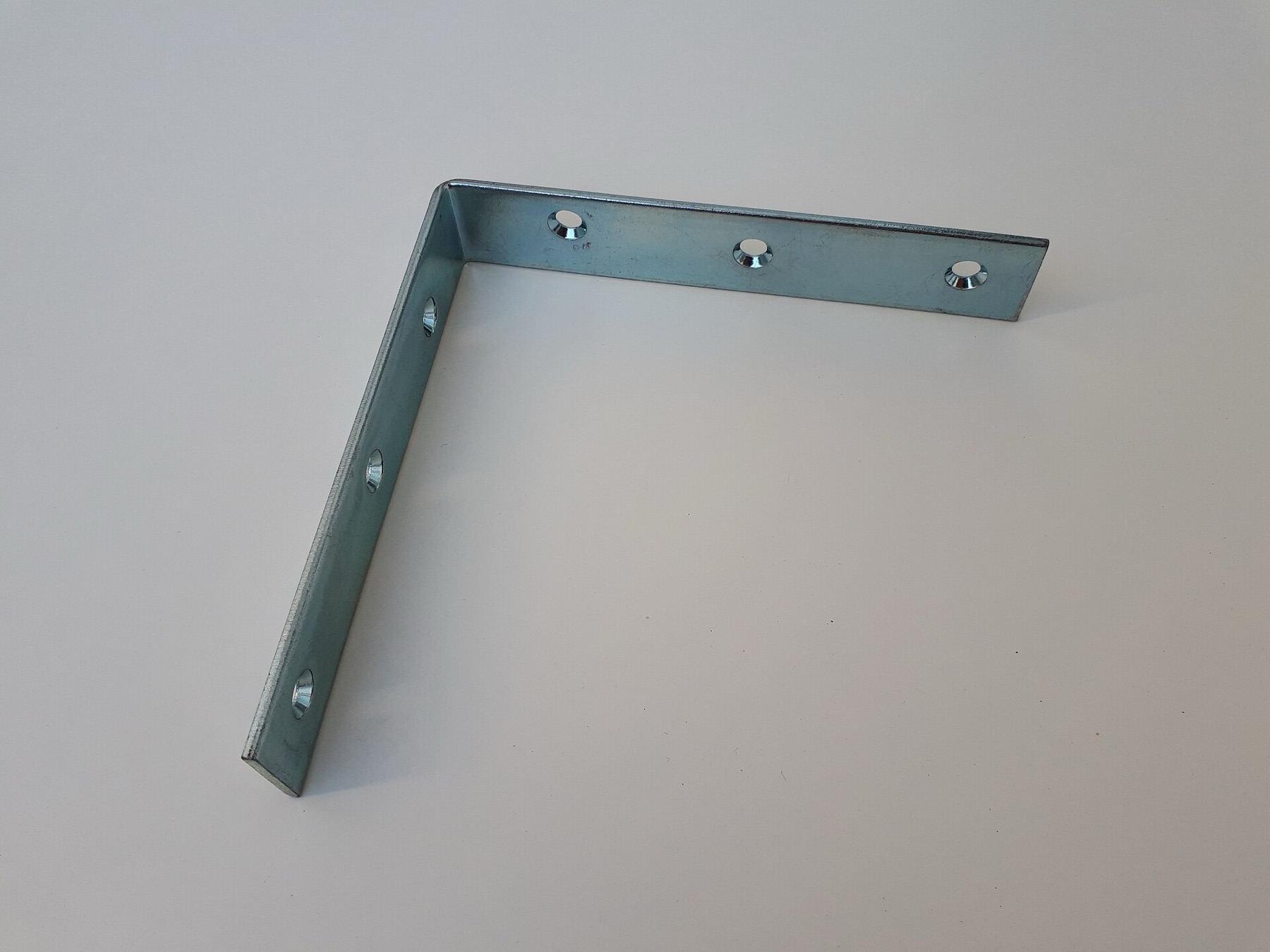
For US catalog and strut brands Vetting is straightforward because these distributors publish part numbers and datasheets:
- Confirm angle and load: For McMaster‑type brackets, use the catalog filters (e.g., “Bracket Type: 60° Inside Angle”) to ensure you’re actually getting 60° and not 45° or 90°.
- Check ecosystem compatibility: For Unistrut‑style fittings, validate that your 60° fitting matches the channel series you use (P1000 vs. other profiles).
- Sample from stock: Order a small quantity and physically check fit, finish, and angle consistency before committing your assembly design.
For direct factories like KDM Steel Here, you need to think like an OEM:
- Send proper drawings: Specify 60° precisely, including tolerances on angle, hole size/spacing, material grade, and finish (e.g., hot‑dip galvanizing, powder coat). KDM Steel explicitly highlights bracket production to project drawings, which is the level of detail most factories expect.
- Ask about process and QA: Clarify how angles are checked (jigs, fixtures, CNC) and what happens if a batch drifts from 60°.
- Use pilot runs: Negotiate a smaller first production run or paid samples to validate that the factory can hit your geometry and coating requirements.
For marketplace sellers (including DHgate) The vetting work shifts to seller and listing signals:
- Listing detail and photos: A decent 60° bracket seller should show clear photos of the angle, dimensions, and hole layout. If photos look like generic stock images for multiple angles, ask for a drawing.
- Transaction history and reviews: On DHgate, seller pages and product listings commonly show ratings and past transaction counts; use these as a rough filter, then read individual reviews where available.
- Communication test: Send a message asking specifically about angle tolerance, material, and finish. How they respond tells you a lot about whether they’re trading stock parts or have factory backing.
You can deepen this process with DHgate-focused guides such as Find DHgate suppliers and Choose a DHgate wholesale supplier, which dig into marketplace-specific vetting signals.
Query-time DHgate listing example
Observed on 2026-10-09, 90 Degree Standard Support Bracket Metal Angle Piece Code appeared in Fencing, Trellis & Gates. This is a time-bound, illustrative listing example, not an endorsement; availability and listing details may change. Verify the specifications, seller evidence, applicable compliance, and any intellectual-property or commercial-use rights required for the intended use. A sample can test the physical product, but it cannot establish legal permission or licensing.
Order Size, Custom Specs, and Channel Fit (Including DHgate as a Route)
Different sourcing routes shine at different quantities and spec depths. Use this table as a quick map for 60° angle brackets:
| Channel type | Typical order size fit | Customization potential | Pricing style | Buyer workload |
|---|---|---|---|---|
| US catalog distributor | 10-500 pcs, frequent replenishment | Very limited; mostly fixed 60° SKUs | Fixed catalog price per piece | Low |
| Strut/framing brand (e.g., Unistrut) | Project packs tied to strut systems | Angle range and hole patterns predefined | System-oriented; per fitting | Low–medium |
| DHgate / similar marketplaces | 20-5,000+ pcs, test buys and small wholesale runs | Some variation in angle, holes, finishes per seller | Seller-set; DHgate blog notes tiered discounts by quantity | Medium |
| Direct Chinese factory (e.g., KDM Steel) | 1,000+ pcs or project-based orders | High; angle, geometry, finish all to drawing | Negotiated by project and volume | High |
This is editorial judgment based on how these channels present themselves, plus DHgate’s own blog descriptions of low minimums and tiered pricing rather than formal policies.
How DHgate’s traits intersect with 60° bracket sourcing
DHgate’s editorial blog positions the marketplace as:
- A connector to Chinese OEM factories and manufacturers for components and raw materials
- A platform where minimum order quantities are often relatively low, sometimes even down to very small test numbers
- Using tiered pricing so per‑unit cost typically drops at higher quantities
For 60° angle brackets, that combination tends to suit these scenarios:
- Variant exploration – You’re not sure which hole pattern or finish will sell. Multiple DHgate sellers offering different bracket designs make it practical to order several small batches, instead of committing to one custom factory design.
- Bridge to factory sourcing – Once a particular 60° bracket variant proves itself, you can either deepen the relationship with a DHgate seller who has factory ties or move to a manufacturer like KDM Steel with formal drawings and higher volumes.
DHgate listing snapshot (2026-10-09)
To give a feel for bracket-type coverage, here are a few DHgate listings observed on 2026-10-09. These focus on 90° brackets, but they illustrate how hardware sellers present themselves:
- “90 Degree Angle Brackets Stainless Steel Corner Brace Fastener Wall Fixed Bracket Hanger For Shelves Furniture Connectors” – Tool Parts category, price range around USD 8.96-18.20 per listing depending on options, offered by seller `dh1102729193`.
- “40-Pack Small Stainless Steel L Brackets: Durable Right Angle Corner Braces for Shelves, Wood Furniture & Chairs” – Tool Parts category, price range about USD 17.42-17.87, same seller `dh1102729193`, indicating multi‑SKU bracket focus.
- “10/20/40/50pcs Stainless Steel Right Angle Brackets – Bulk Pack 90-Degree Fixed Connectors for Home Improvement & Furniture” – Tool Parts category, price range roughly USD 11.66-17.24, also `dh1102729193`.
Listings and prices change over time, and these examples are not endorsements. For 60° brackets, you’d use similar keyword filters and then apply the supplier‑vetting steps described earlier.
When domestic or direct-factory routes beat DHgate
DHgate is not always the best answer:
- Engineered structures with approvals: For building or industrial supports relying on tested systems, sticking with Unistrut or another strut brand keeps you within a documented ecosystem.
- High‑volume, tightly controlled specs: Once you’re ordering many thousands of 60° brackets with narrow tolerances, a direct relationship with a factory such as KDM Steel gives you more leverage on process control and design changes than a marketplace listing.
If your sourcing mix includes DHgate, it’s worth pairing marketplace research with broader wholesale thinking. Guides like Find wholesale suppliers on DHgate can help you integrate DHgate into a wider supplier portfolio instead of treating it as a standalone answer.