
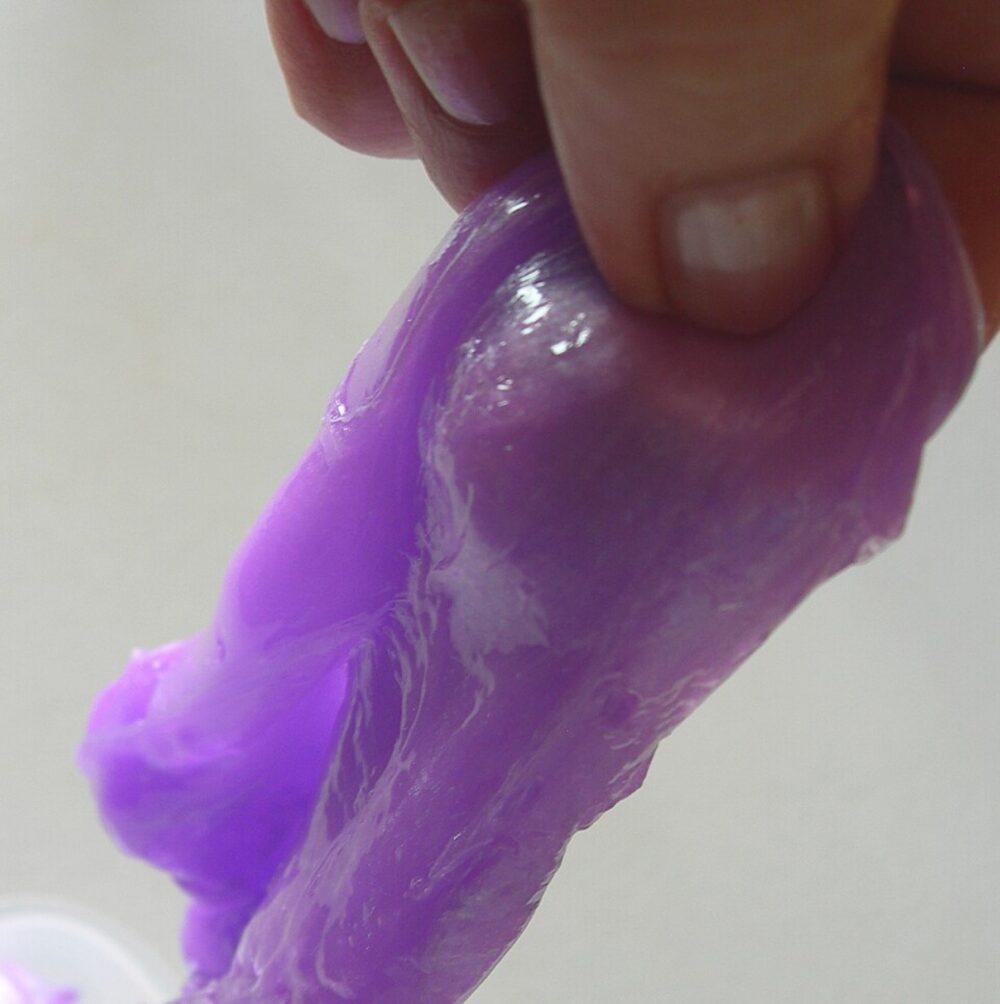
Slime wholesale and accessories sourcing can absolutely work for small US slime brands and shops, but it’s only smart if you treat DHgate and other cross‑border marketplaces as one option among several. For premade slime, charms, sprinkles, resin add‑ins, beads, and jars, DHgate often offers variety and relatively low minimum order quantities, yet you still need to sample aggressively, vet each seller, and compare total landed cost against US wholesalers and other platforms.
For most small buyers, DHgate makes the most sense for accessory‑heavy orders (charms, sprinkles, jars) and some inexpensive premade slimes, while local or specialty wholesale programs can be better for branded slime lines or tight safety/compliance needs.
How Slime Wholesale and Accessories Work in Practice
In wholesale, “slime and accessories” is really a bundle of different product types:
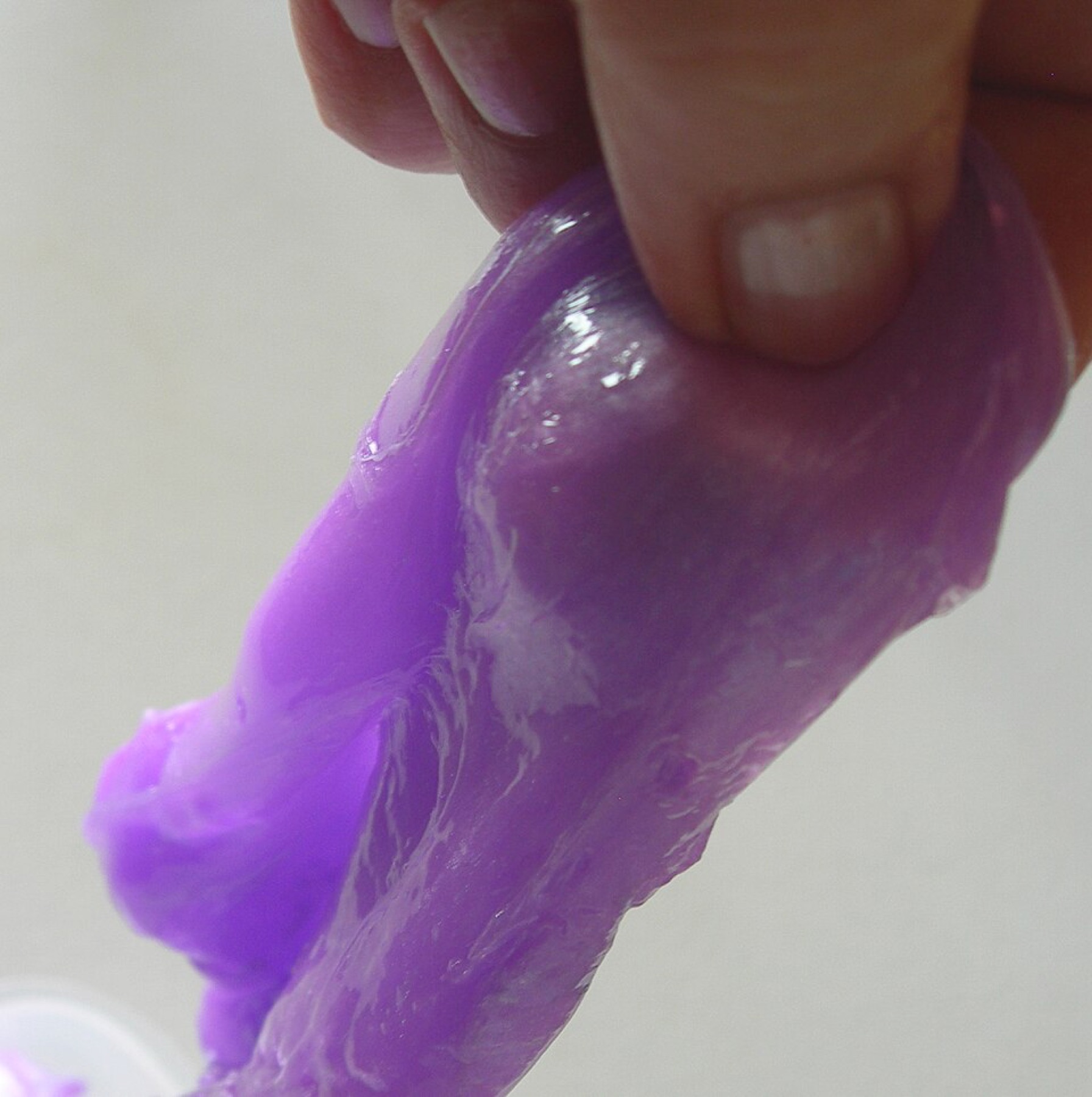
- Premade slime: clear, butter, cloud, fluffy, glossy, crunchy, etc., usually in jars or tubs.
- Accessories/add‑ins: polymer clay sprinkles, resin charms, themed figures, beads, sequins, foam beads, glitter.
- Packaging: slime jars (often 4-8 oz), labels, scoops/spoons, boxes for slime kits.
Premade slime itself is often made and wholesaled by niche slime brands or toy suppliers, many of them US‑based and selling through sites like Faire or direct wholesale programs. Accessories, by contrast, are heavily produced in East Asia, where factories specialize in polymer clay slices, small resin pieces, and plastic packaging; cross‑border buying is common there because price per unit drops sharply when you import.
For a US slime brand, this usually leads to two patterns:
- Local or regional wholesale for the slime base (to meet local safety expectations and shipping speed).
- Cross‑border sourcing for charms, sprinkles, and jars, where labor‑intensive accessories are cheaper in bulk.
DHgate can fit into the second pattern: it is a China‑based B2B marketplace connecting manufacturers and suppliers with buyers worldwide across many categories, including toys and accessories.
Choosing and Communicating with Slime Suppliers (Including DHgate Sellers)
Slime and accessories are tactile, visual products – quality differences show up fast. That means you can’t pick suppliers purely by price. You need listing‑level evidence and direct contact.
On DHgate, the platform itself highlights a few tools that help narrow your search:
- Search filters to focus on relevant product types and specs.
- Supplier ratings and reviews from prior buyers.
- Transaction history that hints at how often a seller actually ships orders.
1. Look for accessory‑appropriate specializations For charms, sprinkles, and jars, prioritize sellers whose catalogs are clearly focused on small craft components or packaging, not random general merchandise. Cross‑check with specialist accessory sites like Qula Crafts to get a feel for current styles and materials, then use similar keywords and styles when you search on DHgate.
2. Check certifications where they matter If your slime is marketed to kids, ask suppliers about relevant safety documentation for plastic parts and pigments (for example, whether materials are tested to common standards such as REACH or comparable chemical limits). DHgate’s own editorial guidance for buyers recommends checking certifications and manufacturing capabilities for suppliers that target safety‑sensitive categories; treat that as a prompt to ask, not as proof they’re already compliant.
3. Review MOQ, product mix, and feedback together Before you lock in a supplier, compare several options side by side:
- Minimum order quantity (MOQ) per style of charm or per jar size.
- How many similar SKUs they offer in the same theme or material.
- Buyer feedback mentioning texture, smell, or color for premade slime, and durability or finish for accessories.
DHgate’s blog points out that many suppliers there accept small orders and lower MOQs than some traditional wholesale sites, but that still varies by seller. For a first order, you want a supplier who can meet a relatively low MOQ in case quality isn’t what you expect.
4. Use samples and clear messaging DHgate’s own ecommerce guidance encourages buyers to request samples before committing to a large order. For slime and accessories, consider a two‑step approach:
- Order a small paid sample batch of charms/jars and, if relevant, a few slime units.
- Message the seller with specific requirements: scent strength, stretch vs. clickiness, jar wall thickness, lid fit, color stability.
If communication is slow, vague, or dismissive at the sampling stage, that’s often a sign to move on. Supplier evaluation articles from DHgate’s editorial team also emphasize comparing several suppliers and judging them on responsiveness and clarity – a practical cue for slime buyers.
US‑based buyers who want a deeper view into DHgate supplier selection can also review platform‑focused guides like Find wholesale suppliers on DHgate and Choose a DHgate wholesale supplier.
MOQ, Pricing, Logistics and When DHgate Beats Other Channels
Typical MOQ and pricing patterns
Broadly, buyers see these patterns across different routes:
| Channel type | Premade slime MOQs (typical pattern) | Accessories MOQs (typical pattern) | How DHgate compares on MOQ/pricing* |
|---|---|---|---|
| US slime brands’ wholesale programs | Often case‑packs; can start modest | Limited or curated accessory sets | N/A for those programs |
| US general wholesalers (toys/putty) | Cartons or assortments | Limited craft‑style accessories | Sometimes higher MOQs |
| Craft/accessory sites (polymer clay) | Rarely sell slime; focus accessories | MOQs vary by pack size | Reference point for style/quality |
| DHgate China‑based suppliers | Varies widely by seller | Often bulk bags/boxes at low MOQs | Often lower MOQs and bulk discounts |
\*Based on DHgate’s own editorial claims that many suppliers offer competitive pricing, wholesale discounts, and relatively low MOQs for small businesses; always check each listing.
Rather than chasing the lowest possible unit price, small slime brands usually:
- Start with DHgate or similar marketplaces for charms, sprinkles, jars, and kit fillers, where a low MOQ per style helps them test themes.
- Use US‑based wholesale for ready‑to‑sell slime jars if they want faster replenishment and simpler compliance.
How to calculate landed cost in practice
Before deciding DHgate vs another route, build a simple landed‑cost worksheet for one representative product:
- Pick a bundle: e.g., a 6‑oz slime jar plus 3 themed charms and a label.
- For each channel, estimate:
- Cost of slime base or premade slime per jar.
- Cost of accessories per unit (including charms/sprinkles, jars, labels).
- Estimated shipping and import costs for the batch size you can realistically afford.
- Divide total cost by the number of sellable units.
On DHgate, be conscious that many suppliers highlight bulk discounts – editorial content from the platform emphasizes that ordering larger quantities can unlock lower per‑unit prices. For a small brand, that only makes sense once you’ve validated quality and sell‑through at smaller quantities; don’t jump to a huge MOQ just to chase an advertised discount on your first run.
When DHgate tends to be the better fit
Based on how the market is structured today, DHgate usually makes more sense when:
- You want to test multiple jar sizes and styles without committing to large pallet‑level MOQs at US packaging suppliers.
- Your brand focus is DIY slime kits or accessory bundles, not selling someone else’s branded slime.
By contrast, DHgate is often less attractive when:
- Your core value proposition is ultra‑premium, branded slime with very specific ingredient and scent requirements.
- You rely on rapid restocks (weekly or bi‑weekly) that can’t tolerate cross‑border transit variability.
- You’re not prepared to do your own safety and labeling checks; in that case, US specialty wholesalers and direct brand programs may be safer and simpler.
For accessory‑heavy orders, a sensible path is to source designs and themes from specialty sites like Qula Crafts or other craft suppliers for inspiration, then test DHgate suppliers offering similar categories to see if cross‑border pricing actually beats your domestic options once freight and risk are factored in.
Before choosing a DHgate supplier, use Find DHgate suppliers.
If you want a more structured overview of slime wholesale decisions – including safety and inventory planning – you can also read Slime Wholesale and Accessories: Safe, Smart Bulk Buying, which focuses more on category risk and less on DHgate as a channel.