
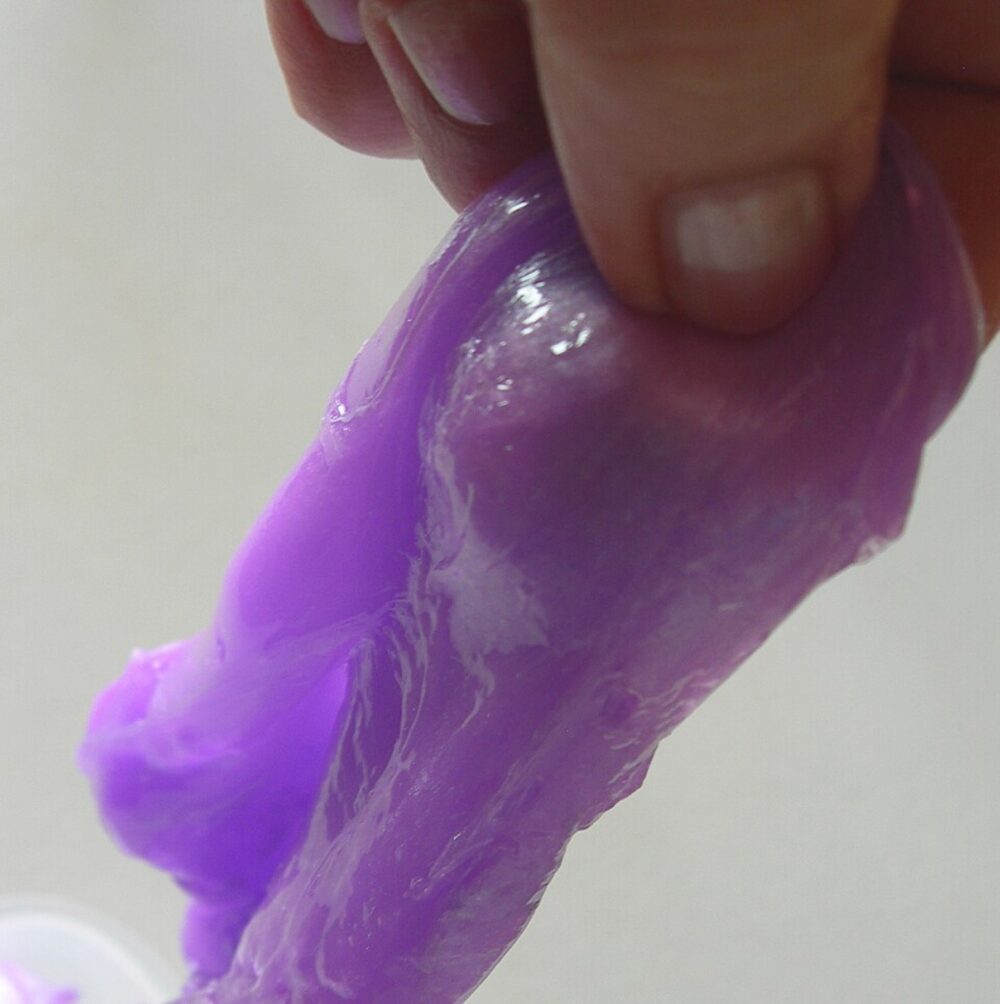
If you’re buying slime charms and accessories in bulk, your real choice isn’t “DHgate vs everything else.” You’re choosing between curated slime suppliers (like Slimeatory or HaibuCraft), broader craft/charms wholesalers (including US-made options), factory-level producers such as Qula Craft, and Chinese marketplaces like DHgate. Curated slime sites win for smaller, faster, lower-friction orders. Factory and marketplace sourcing start to matter once you’re pushing higher volumes, tighter margins, or custom designs—and you’re willing to take on more sourcing work.
How the Slime Charm Supply Chain Works for US Buyers
For US slime makers, most charms and mix-ins trace back to three types of suppliers:
- Specialized slime and craft suppliers (curated inventory)
Slime brands and slime-focused shops assemble assortments specifically for slime makers: polymer clay slices, resin toppers, sprinkle mixes, themed charm packs. For example, Slimeatory’s charms section showcases polymer clay toppers and mix-ins that are already slime-tested and merchandised in slime themes. HaibuCraft positions itself as a wholesale slime and craft supplies source, so its assortment is built around what slime businesses actually use.
- General charms and beads wholesalers (craft-focused, not slime-specific)
These suppliers sell charms for jewelry, keychains, and crafts but can work well as slime mix-ins if the materials and sizes are right. Quest Beads describes its charms and beads as made in the USA, which appeals if you prefer domestic production or want to highlight “Made in USA” components in your marketing. You’ll need to curate which pieces actually work in slime (no sharp edges, manageable size, non-reactive finishes).
- Factory-level producers and Chinese marketplaces (direct or marketplace sourcing)
Some businesses look for direct production of sprinkles and charms. Qula Craft describes itself as a polymer clay sprinkles and resin charms factory, giving you a factory-level route for mix-ins instead of just retail or wholesale re-packs.
Chinese B2B marketplaces sit alongside that route. DHgate is described in its own blog as an international B2B marketplace connecting Chinese manufacturers and suppliers with global buyers across many product categories, from fashion accessories to toys and crafts. You’ll find charm-adjacent items—shoe charms, bag charms, decorative accessories—and potentially slime-add-ins mixed into those broader categories.
For a US buyer, that means you can either stay in slime-specific ecosystems (where someone else has already curated what works in slime) or move outward into general craft and B2B marketplaces (where you do more filtering but may unlock lower unit costs or custom runs).
Choosing and Vetting Slime Charm Suppliers Across Channels
No matter which route you use, your workload shifts. Here’s how that plays out in practice.
Curated slime suppliers (Slimeatory, HaibuCraft, similar) These are the lowest-effort option:
- Product fit: Stock is already slime-appropriate—polymer clay slices sized for mix-ins, resin charms that sit well on top of a slime.
- Evidence: You can see real slime makers using the same items in their own products and marketing. Slime-focused shops like Slimeatory show charms in slime context, which gives you practical proof of fit.
- Vetting: You’re largely judging on consistency of quality and style. Read how other buyers describe softness, colorfastness, and how charms hold up embedded in slime.
Craft/charms wholesalers and domestic producers (Quest Beads and peers) Here your main checks are:
- Materials and safety for slime use: Make sure charms are smooth-edged and not coated in finishes that could flake or stain slime. With US-made suppliers like Quest Beads, you can sometimes ask directly about materials used in their charms and beads.
- Batch consistency: Request photos from multiple production batches or, better, place a small wholesale test order (e.g., a few styles) and stress-test them in slime before committing.
Factory-level producers like Qula Craft When you work with a factory that identifies itself as a polymer clay sprinkles and resin charms producer, as Qula Craft does, you’re closer to the source:
- Communication: Expect to talk about colors, shapes, and production capabilities instead of just picking items from a catalogue.
- Sampling: Plan and budget for sample runs of new designs or colorways to check how sprinkles look in slime and whether they bleed or discolor.
Chinese marketplaces including DHgate On marketplaces, vetting is more DIY because you’re dealing with many independent sellers:
- Listing-level checks: Examine listing photos in detail, look for charm dimensions, material descriptions, and any notes about usage in crafts or toys. If a listing looks like general fashion accessories, think about whether charms are too heavy or sharp for slime.
- Cross-seller comparison: For categories like bag charms or shoe charms, compare several sellers’ listings to see which look more suitable as slime toppers and which are clearly designed only as hardware.
- Small test orders: Because DHgate’s own blog highlights that many listings have low or even no minimum order quantity and tiered pricing that rewards larger volumes, you can often place a small order with one seller, evaluate the charms in slime, then scale up if they work. That low-MOQ pattern is typical, but not universal—each listing sets its own terms.
If you want a deeper, DHgate-specific walk-through of how to identify and evaluate suppliers on that platform, you can use resources like Find DHgate suppliers and Choose a DHgate wholesale supplier.
Order Size, Customization, and How Channel Choice Shifts
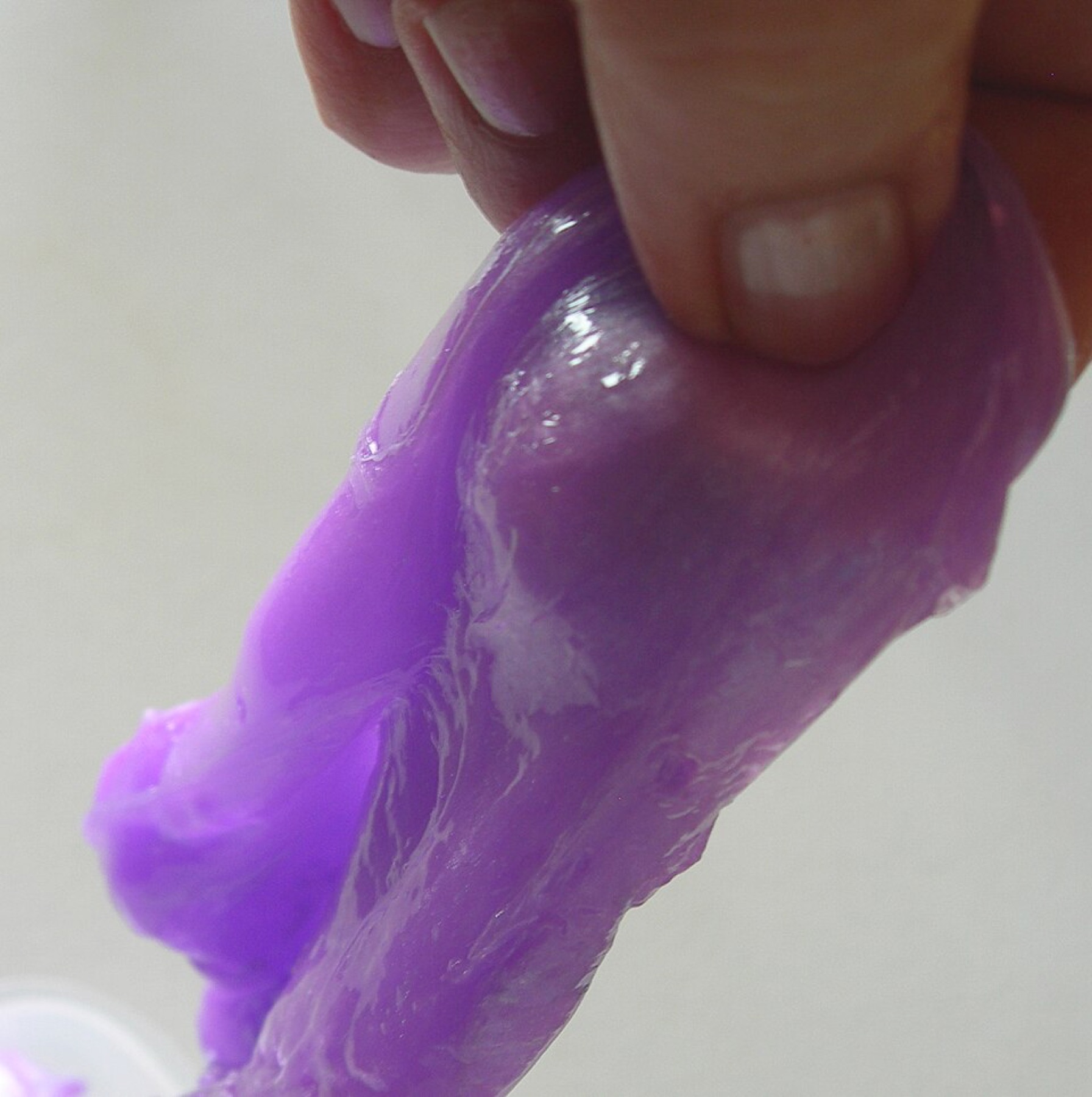
As your slime business grows, you’ll feel the trade‑offs between curated suppliers and marketplace/factory sourcing. The table below is editorial judgment based on how these channels typically work, paired with the examples cited above.
| Sourcing route | Typical order size sweet spot | Customization options | Buyer workload & risk | Where DHgate fits relative to this route |
|---|---|---|---|---|
| Slime-focused suppliers (Slimeatory, HaibuCraft) | Great for dozens to a few hundred charms per style; multiple small restocks for new drops | Limited to their catalog; may rotate themes but you rarely control design | Low workload: pre-tested for slime, straightforward buying; higher per-unit cost | DHgate doesn’t replace this for tiny, curated restocks; it becomes relevant once you want to experiment with cheaper charm types or larger accessory volumes. |
| General craft/charms wholesalers (Quest Beads, similar) | Good for mid-size batches when you want consistent replenishment of a few designs | Usually color/style selection within their line, not true custom molds | Moderate workload: you must check which items work in slime and manage compatibility yourself | DHgate can offer broader variety and potentially lower unit costs, but you’ll invest more time in listing-by-listing vetting to avoid unsuitable pieces. |
| Factory-level producers (Qula Craft for sprinkles/charms) | Best for ongoing bulk consumption of sprinkles/mix-ins once designs are set | Strong for custom colors/shapes if the factory supports design work | High upfront workload: sampling, specification, communication; then lower once stable | DHgate can act as a discovery channel for factories, but direct relationships like Qula’s structure suit brands that want tighter control and repeat runs. |
| Chinese marketplaces | Flexible: the Cross-border multi-seller blog notes many sellers use low or no MOQ and tiered pricing, so both test orders and larger buys are common, subject to each listing | Some sellers may offer custom charms or packaging; often more semi-custom (color or mix) than fully bespoke | Higher workload: vet sellers, manage cross-border communication, evaluate samples, and track changing listings | Fits best when you’re price-sensitive, open to broad experimentation, and willing to trade convenience for potential savings and variety. |
In practice:
- If you run a US slime shop selling seasonal drops and want fast, low-effort sourcing, staying with slime-focused suppliers like Slimeatory and HaibuCraft will feel easier—even if per-unit costs are higher.
- If you’re building a larger slime or craft brand and plan to repeat the same mixes across hundreds or thousands of units, moving part of your sourcing to a factory like Qula Craft or a domestic charm producer such as Quest Beads gives you more control and consistency.
- If you’re experimenting with new charm themes at different price tiers, DHgate and similar marketplaces let you test small batches thanks to the commonly low minimums described in its blog, then scale up via tiered pricing when you find winners—provided you’re ready to do more vetting and accept the friction of cross-border buying.
Query-time DHgate listing example
Observed on 2026-10-09, DIY Cute Ice Cream Series Shoe Charms Accessories for Clogs Slide Sandals Garden Decoration Buckle Pins Boys Girls Gifts 260616 appeared in Shoe Parts & Accessories. This is a time-bound, illustrative listing example, not an endorsement; availability and listing details may change. Verify the specifications, seller evidence, applicable compliance, and any intellectual-property or commercial-use rights required for the intended use. A sample can test the physical product, but it cannot establish legal permission or licensing.
A Quick Glimpse at Charm-Adjacent Listings on DHgate
To ground this discussion, here’s one slime-adjacent product observed on DHgate (retrieved 2026-10-09). Prices and availability can change at any time, and this is not an endorsement—just a snapshot of what’s possible:
- Hello Kitty And Friends SLIMYGLOOP MixEms Collectible Charms Slime AddOns Pink Glitter Slime Party Favors for Kids 812 Girls Toys (category: Decompression Toy) — listed in a slime context with charms and glitter add-ins, priced in the roughly $7.24–$8.25 USD range per unit at the time of retrieval, from seller `sanriocustom`. View listing.
On the same date, many other listings were adjacent to slime use (shoe charms, bag charms, decorative accessories) but not explicitly marketed for slime. That illustrates the breadth: DHgate gives you access to a wide field of charms and accessories, but you must still decide which pieces truly belong in your slime.
If your main need is charm sourcing rather than learning the platform, and you want more structured help evaluating suppliers, you can also look at Find wholesale suppliers on DHgate as a generic supplier-sourcing framework and adapt its questions to slime charms.