
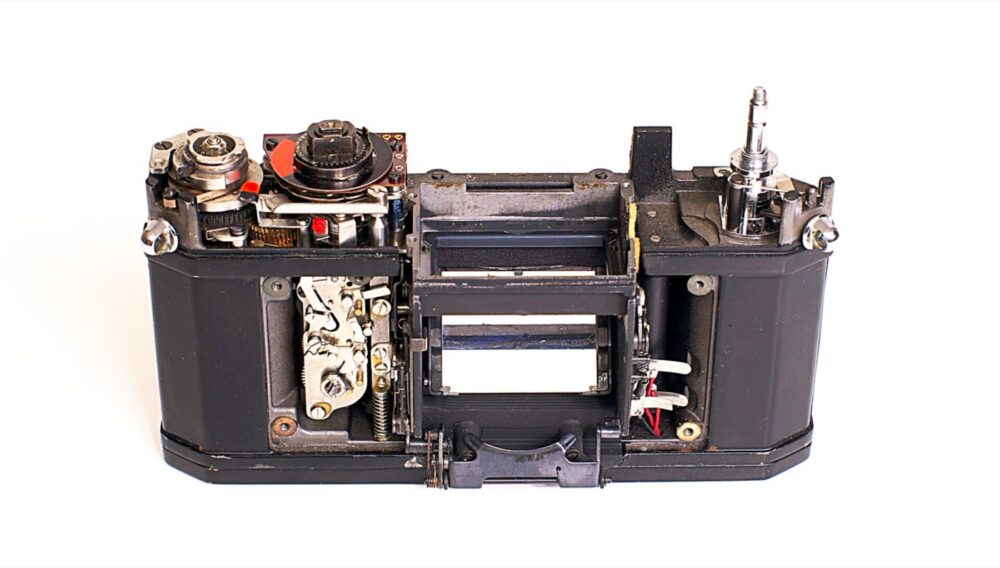
Pentax Spotmatic support gear now lives entirely in the vintage market. If you’re in Canada and you want parts, manuals, or light meters, you’ll be buying from dealers, online marketplaces, and collector communities—not Pentax itself. The safest route is usually to treat each item like a small restoration project: understand the Spotmatic’s age, pick the right channel for the item type (mechanical parts vs manuals vs meters), and vet the individual seller carefully, especially for cross‑border purchases.
For most buyers and small ecommerce shops, the practical mix looks like this:
- Parts and donor bodies: specialist camera repair shops, vintage dealers, and online marketplaces where you can see detailed photos.
- Manuals and documentation: scanned PDFs from enthusiast sites, plus original paper manuals from dealers and marketplace sellers.
- Light meters (built‑in and handheld): camera technicians for repair, and used handheld meters from camera stores, forums, and marketplaces.
The rest of this guide walks through how the Spotmatic ecosystem works, how to vet suppliers, and which channels realistically fit different order sizes.
How the Pentax Spotmatic Support Market Works Today
The Pentax Spotmatic is a family of 35mm SLRs produced by Asahi/Pentax in the 1960s–1970s.Pentax Spotmatic history With over four million units sold and an M42 screw mount that accepts many third‑party lenses,Camera-wiki overview the system is common in the vintage world—but everything is now used equipment. There’s no OEM parts pipeline or modern warranty to fall back on.
That shapes the support market:
- Mechanical parts such as shutters, mirror mechanisms, light‑seal foam, and advance levers are usually harvested from donor bodies or fabricated by independent technicians. You’ll see stripped Spotmatics being used as parts donors.
- Lenses and accessories rely on the broader M42 ecosystem. Third‑party lenses, extension tubes, and generic straps or cases are often easier to source than Spotmatic‑specific parts.
- Manuals circulate as scans on enthusiast sites and as original booklets through vintage dealers and online sellers.
- Light meters are a mix of in‑body meters that may need repair and separate handheld meters bought used.
Vintage gear in general tends to come from flea markets, antique shops, online retailers, and collectors rather than manufacturers. A DHgate editorial guide on vintage cameras notes that buyers often rely on these scattered channels and should expect some items to require maintenance before they work well.Vintage camera context That’s exactly the situation for Spotmatic support gear: you’re tapping into a secondary market, and condition varies widely.
For Canadian buyers, that usually means cross‑border sourcing from the U.S., Europe, or Japan, where Spotmatic use was strong. Shipping costs and customs will cap how many low‑value items you import at once, so most people favor small lots (a body plus parts, or a handful of manuals/meters) instead of large wholesale buys.
Choosing and Vetting Suppliers for Spotmatic Support Gear
Because Spotmatic items are old and often untested, the supplier matters as much as the price. You’re judging both who is selling and what they’re selling.
1. Condition checks specific to Spotmatics
A DHgate editorial guide on vintage cameras recommends checking for scratches, dents, and making sure the shutter and lens work correctly, while accepting that some vintage gear needs repairs.Vintage camera condition For Spotmatic bodies and meters, be more targeted:
- Light seals: Ask for close‑ups of the film door channels. Crumbling foam is normal but means you should budget time or money for re‑sealing.
- Shutter and mirror: Request photos with the shutter fired at different speeds (e.g., 1/30, 1/125, 1/1000) and ask if there’s capping or sticking. A body sold explicitly “for parts” is fine as a donor, but price should reflect that.
- Meter function: Have the seller state whether the in‑body meter reacts to light and whether the needle moves. If they can’t test it, treat the meter as non‑functional and value the body accordingly.
- Lens mount and threads: Because Spotmatics use M42 screw mount, worn or cross‑threaded mounts can be a deal‑breaker for resale. Ask for photos of the mount and a description of how smoothly lenses thread on.
For handheld meters and accessories:
- Ask for a photo of the meter showing a reading and, if possible, a simple comparison (e.g., “matches my digital camera within a stop”).
- For manuals, ask about missing pages, heavy markings, or mold/odor; serious collectors care about those details.
2. Seller reputation and communication
A DHgate used‑camera article stresses researching the seller, asking detailed condition questions, and being cautious with individual sellers on marketplaces.Used camera due diligence Make that advice Spotmatic‑specific:
- Look for camera‑focused dealers. A shop that regularly sells vintage SLRs and lenses is more likely to know how to describe mechanical issues accurately than a general thrift reseller.
- Request targeted photos. Don’t accept a single glamour shot. Ask for:
- top plate (for dents and dings)
- lens mount and bayonet/screw area
- shutter curtains and mirror
- battery compartment (for corrosion) if meter function matters
- Ask about service history. Many Spotmatics have had light seals replaced or been CLA’d (clean‑lubricate‑adjust). A seller who can name the technician or provide a dated invoice is more credible.
3. Cross‑border risk for Canadian buyers
Small Canadian ecommerce shops importing Spotmatic gear face a few practical frictions:
- Return logistics are weak. Vintage items sold “as‑is” often aren’t worth shipping back internationally, so your inspection questions need to happen before purchase.
- Customs and tax thresholds. A small parcel of manuals may slip through cheaply; a larger batch of bodies and lenses can trigger extra costs that eat into margin.
- Batch testing. If you buy several bodies or meters for resale, plan to test every unit on arrival and separate stock into “fully working,” “usable with quirks,” and “parts only.” Your sourcing strategy should assume at least some percentage lands in the last bucket.
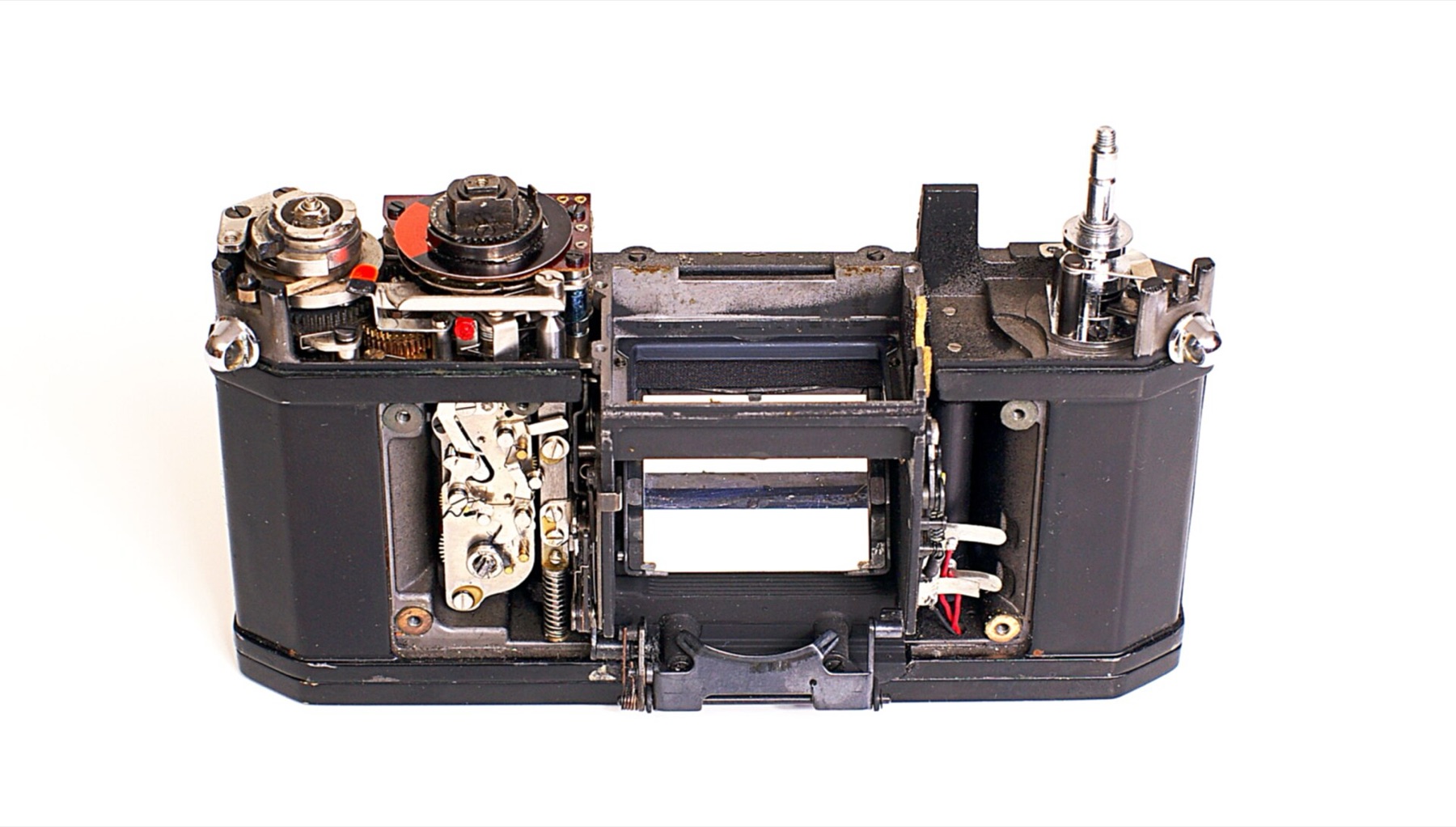
This stripped Spotmatic view is a useful reminder: many “parts” suppliers are just selling whole bodies that become donors.
Channels That Work for Small Orders (and One Marketplace Use Case)
You’re not building a high‑volume wholesale pipeline; you’re assembling small, reliable flows of vintage gear. Different channels suit different pieces of that puzzle.
Here’s a practical way to think about them:
| Channel | Best use, support, and risk |
|---|---|
| Local camera shops | Best for one-off bodies, lenses, and handheld meters. In-person inspection and occasional basic warranties lower product risk, but Spotmatic stock is limited. |
| Specialist vintage dealers | Best for curated bodies, lenses, and manuals. Descriptions are usually clearer and gear may be tested; prices are higher and cross-border returns still need checking. |
| General marketplaces | Best for donor bodies, unusual parts, and original manuals. Selection is broad, but support and condition vary by seller, so risk is medium to high. |
| Collector forums and groups | Best for niche parts, trades, and repair advice. Peer reputation provides a useful signal, but transactions are informal and buyer protection may be limited. |
A DHgate editorial guide on used cameras lists online marketplaces, camera specialty stores, photography forums, and local camera shops as key channels, each with different levels of inspection and support.Used camera sourcing channels That maps closely to how Spotmatic support gear actually moves.
Where a marketplace like DHgate realistically fits
DHgate is a large cross‑border marketplace with many camera‑related listings. A snapshot of DHgate products checked on 2026-10-12 shows:
- multi‑purpose retro CCD and 4K point‑and‑shoot cameras in the Digital Cameras category, e.g. Portable point‑and‑shoot camera and Portable 4K 64MP point and shoot camera
- film‑related items such as a classic compact film shooter in Film Cameras
- accessories including an eyecup eyepiece for Pentax K‑series DSLRs
These listings confirm DHgate as a generic camera and accessory source, but none of the snapshot products are Spotmatic‑specific. For a Spotmatic buyer, DHgate may be useful for tangential accessories (eyecups, filters, studio lights) or general film cameras, not for core Spotmatic parts or manuals.
If you do browse DHgate for camera accessories to bundle with your Spotmatic stock:
- treat each listing like a separate supplier; check seller history, product photos, and descriptions rather than assuming platform‑wide standards.
- look for items that complement the Spotmatic ecosystem (straps, bags, generic filters) rather than niche mechanical parts you’re unlikely to find.
For deeper DHgate‑specific supplier evaluation, you can read DHgateWiki coverage such as Find wholesale suppliers on DHgate and Choose a DHgate wholesale supplier. But for Spotmatic parts and meters themselves, vintage‑focused channels—camera shops, dealers, forums, and mainstream used‑gear marketplaces—remain the realistic sourcing backbone.
In practice, Canadian buyers get the best balance by combining one or two trusted vintage dealers for tested gear, general marketplaces for occasional parts bargains, and local or online communities for edge‑case items and repair advice. DHgate and similar platforms sit on the periphery, as optional accessory sources rather than core Spotmatic supply lines.