
Bulk makeup sponges are high‑quantity packs of cosmetic sponges sold in tens or hundreds of pieces, aimed at salons, makeup artists, and resellers rather than individual consumers. If you’re in the US and buying for a small beauty brand or ecommerce shop, profitable sourcing depends less on “finding cheap sponges” and more on three concrete decisions: which sponge material and type you want, how you structure MOQs and pricing, and whether you go direct to manufacturers, domestic wholesalers, B2B platforms, or marketplaces.
Get those three choices right and you cut product waste, returns, and hygiene problems. Get them wrong and you’re stuck with bins of unusable foam.
How Bulk Makeup Sponges Are Produced and Sold to Small Buyers
In wholesale, “bulk makeup sponges” usually means sets from roughly 10 pieces up into the low hundreds. Packs around 10-24 pieces are common for pro kits and gift sets; packs of 50-100+ target salons, training schools, and resellers. Lexi’s Garage describes bulk cosmetic sponge sets in assorted shapes running from about a dozen sponges up to several hundred, which lines up with what we see in trade catalogs and B2B platforms.
Sponge types and materials
Most bulk sponge offers fall into a few families:
- Latex‑free polyurethane foam blenders (the teardrop “beauty egg” style) for liquid and cream products.
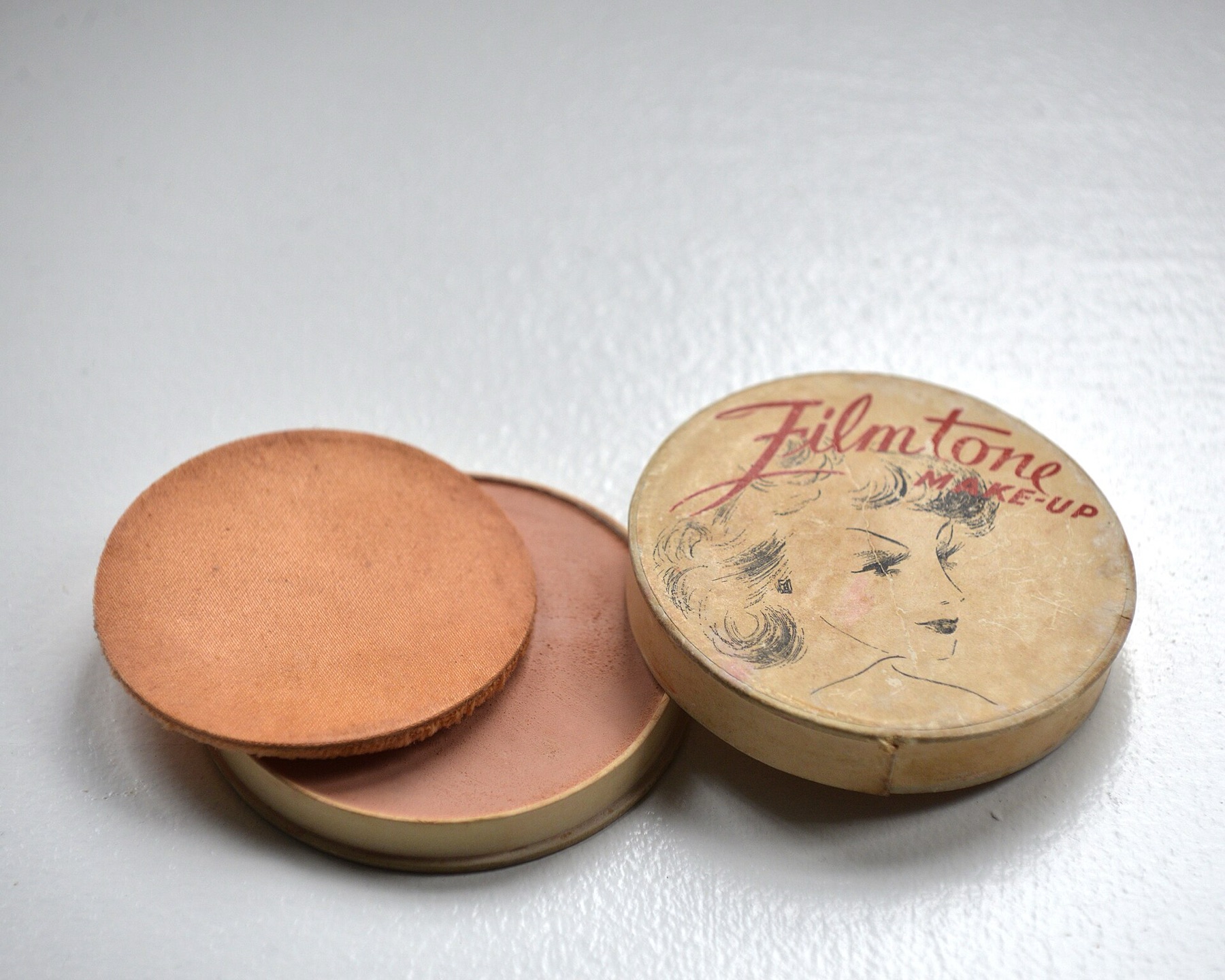
- Flat puffs and disks for pressed powder and cushions.
- Wedge blocks sold in perforated slabs for single‑use applications.
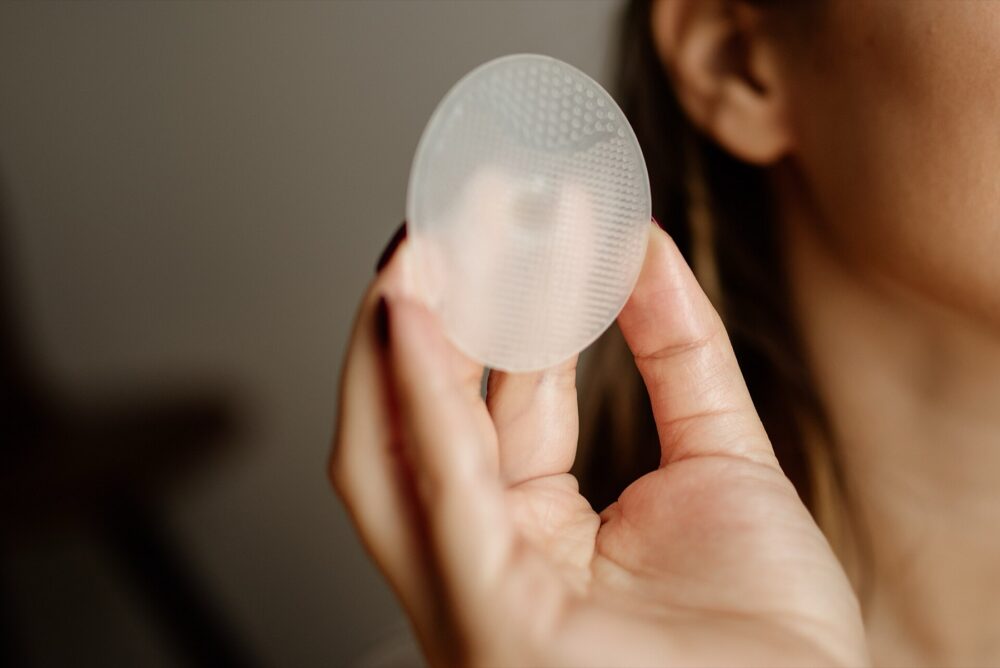
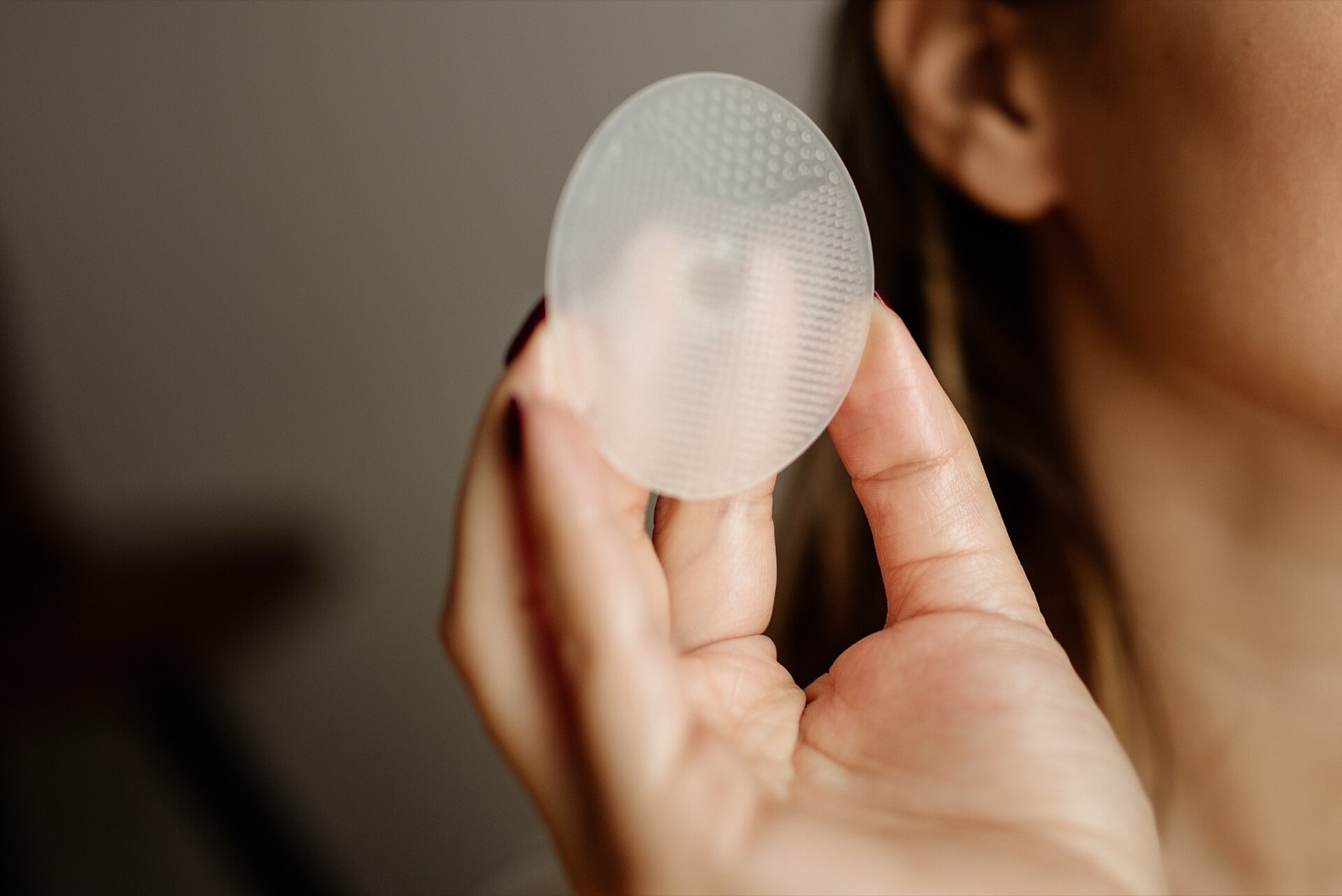
- Silicone and microfiber sponges, which aim to absorb less product.
Durable, latex‑free sponges that don’t drink too much foundation are popular with both pros and consumers because they give more consistent results and waste less product over time, according to editorial guidance on the DHgate blog.
Production regions and supplier types
China is a major production base for makeup sponges. Manufacturers such as Gracedo showcase a wide range of sponge puffs at wholesale prices: classic eggs, cut‑edge blenders, powder puffs, and novelty shapes. These factories often supply both anonymous bulk orders and private‑label brands globally.
Beyond China, you’ll find:
- Specialized OEM manufacturers (e.g., Prilora Beauty) that focus on sponges and offer branding options.
- European B2B platforms like Qogita, which aggregate 500+ suppliers and list branded sponge SKUs for retailers.
- Domestic wholesalers such as WholesaleMakeup.com, which sell mixed boxes and sponge collections targeted at US resellers.
How bulk packs differ for salons vs resellers vs brands
The same sponge type is sold very differently depending on who’s buying:
- Salons and MUA schools: value multipacks and mixed boxes with simple polybag or tub packaging. They care about hygiene and replacement frequency more than retail‑ready branding.
- Resellers and small ecommerce shops: need retail units (e.g., a 5‑sponge set in a box) with barcodes and consistent colors. Bulk means cases of those units.
- Private‑label beauty brands: often buy sponge cores and have the supplier print logos or create custom colors, then either take bulk or have full retail packaging handled at the factory.
Understanding which bucket you’re in is the first step—your ideal supplier and pack format changes completely depending on whether you’re throwing sponges into salon jars or building a TikTok‑friendly sponge line.
Choosing and Vetting Bulk Makeup Sponge Suppliers
Quality is harder to judge on screen than on skin, but you can push suppliers for very specific information before you send a deposit.
Make sponge quality a pre‑payment conversation
Here’s a focused checklist of questions tailored to bulk sponge deals:
- Material and latex‑free status
- What is the exact foam type? Is it explicitly latex‑free and tested for common allergies?
- For silicone or microfiber variants, ask for composition and whether there are any coatings.
- Density and softness
- What is the sponge density (kg/m³) or shore hardness?
- Ask for photos or short videos showing the sponge being compressed and how fast it rebounds.
- Product absorption
- Suppliers should be able to describe whether the sponge is designed to absorb less product (a common selling point for microfiber and higher‑quality foams).
- Request their internal comparison against a generic PU wedge—this doesn’t replace lab data, but it reveals whether they’ve thought about performance.
- Durability and cleaning
- How many wash cycles do they expect before the sponge deforms or crumbles?
- What cleaning methods do they recommend (mild soap, brush cleansers, etc.)? Consistent guidance is a good sign they’ve tested the product.
- Hygiene and handling
- Are sponges produced and packed in a dedicated clean area?
- Can they individually wrap sponges or seal retail packs to keep stock clean in your warehouse?
You’re trying to avoid the common bulk mistake: soft, cute sponges that turn gummy or tear within a week, generating complaints and returns.
Verifying supplier credibility in a sponge‑specific way
Instead of generic “check reviews,” focus on signals tied to sponges:
- Product range depth: Manufacturers like Gracedo list dozens of sponge SKUs—different shapes, colors, finishes. A supplier with only one generic blender and no technical detail is probably trading, not producing.
- OEM/private‑label experience: OEM‑focused sites such as Prilora emphasize custom branding and design work. If a potential supplier shows case studies or photos of past branded sponges, that’s a stronger sign they understand QC for retail markets.
- Repeatable specs: Ask for spec sheets and confirm those specs match across photos, any samples, and pro forma invoices. Inconsistent size or material descriptions are a red flag.
- Sample discipline: Push for paid samples before confirming a large order. For small brands, shipping in a dozen sponges is cheap insurance compared with discovering problems after your first 2,000‑unit run.
MOQ, Pricing, Customization, and Which Channel Fits Your Order
Bulk sponge costs are driven by three levers: quantity, customization, and how far the goods travel. You’ll see very different expectations depending on whether you buy via a domestic wholesaler, an OEM factory, a B2B platform, or a marketplace listing.
Typical MOQ and price patterns
Evidence from OEM manufacturers and B2B platforms suggests broad ranges rather than fixed standards:
- Domestic wholesalers (US): sites like WholesaleMakeup.com sell sponge assortments and mixed boxes starting from relatively low spend levels (their mixed lots advertise starting around $50), making them suitable for test inventories and small shops.
- OEM/private‑label factories: manufacturers such as Prilora or Gracedo often work with MOQs that are manageable for a small brand but still higher than a reseller case—think in the hundreds to low thousands of pieces per color or per design, depending on customization.
- B2B platforms aggregating brands: Qogita’s sponge category lists many SKUs from 500+ suppliers, aimed at retailers. MOQs there tend to be tied to case packs of branded product rather than generic sponges.
Customization (colors, logo printing, special shapes) almost always pushes up both MOQ and per‑unit cost. Plain black or nude foam is cheaper and more flexible than a custom ombré sponge with foil‑stamped packaging.
Compact channel comparison
Here’s a practical comparison for US buyers:
| Route | Best fit and trade-offs |
|---|---|
| US domestic wholesalers | Best for small shops and salons testing SKUs. Low MOQs, faster delivery, and easier communication reduce launch risk, but customization is limited and resale margins may be smaller. |
| OEM or private-label sponge factories | Best for emerging brands building a proprietary sponge line. Buyers gain control over shapes, colors, and branding, but face higher MOQs, longer lead times, and more product-development work. |
| B2B platforms such as Qogita | Best for retailers buying known brands in bulk. Multiple suppliers and branded catalogs simplify comparison, while case-pack MOQs and limited design control remain constraints. |
| Marketplaces | Best for generic bulk sets and supplier testing in small to mid-sized packs. Selection is broad, but quality varies by seller and requires extra sample, material, and packaging checks. |
On marketplaces, DHgate is one example that currently hosts bulk sponge listings. As of 2026-10-12, you can see sets such as:
- 10-100 pieces of mini beauty sponges in assorted shapes and colors, with a price range of about USD 24.43-26.50 for the pack.
- A 50‑piece makeup sponge powder puff set listed around USD 30.06-30.83.
- A 12‑piece soft all‑purpose makeup sponge set with multiple sponge types, priced roughly USD 15.11-15.91.
These snapshots are observations on 2026-10-12; listings and prices can change at any time. If you explore this route, treat each listing as its own supplier relationship: read specs closely, ask the seller detailed material and density questions, and, ideally, order small batches or samples before scaling. To go deeper on vetting marketplace sellers, DHgateWiki also covers how to find wholesale suppliers on DHgate, find DHgate suppliers, and choose a DHgate wholesale supplier.
Worked scenario: a small US beauty brand
Picture a US indie brand planning its first sponge launch:
- Target is a 5‑sponge set, branded, to sell online and in local salons. Initial inventory goal: 500-1,000 retail units.
- Domestic wholesalers can’t give brand customization, only generic sponges to resell.
- Marketplaces offer small bulk sets but no control over colorway or logo.
In this case, an OEM/private‑label manufacturer is usually the most rational route. You’d:
- Shortlist two or three factories with clear sponge ranges and OEM mentions (like the examples above).
- Request spec sheets and paid samples of several sponge types, then test for softness, absorption, and wash durability.
- Confirm a realistic MOQ you can afford (perhaps 2,500-3,000 loose sponges, which convert into 500-600 branded sets after QC and photos).
- Start with one core color and packaging format to keep complexity and unit cost down.
If you’re a salon chain or small reseller instead, the logic flips: domestic wholesalers or case packs from B2B platforms might be smarter, because you’re buying known product rather than building your own.
Eco‑friendly and biodegradable options
There’s a growing niche for eco‑leaning sponges. Editorial reviews highlight plant‑based and biodegradable materials like konjac and soy‑based foams as alternatives to traditional PU. For wholesale buyers, these can be positioned as:
- Upsell items for sustainability‑focused customers.
- Limited runs to test whether eco messaging justifies higher per‑unit costs.
If you explore this lane, demand clear material descriptions and disposal guidance from suppliers—”eco” is often used loosely.
The most profitable bulk sponge deal is not necessarily the cheapest case on offer; it’s the one where your material choice, MOQ, branding, and channel all line up with how often your customers replace sponges and how much product they’re willing to waste on low‑quality foam.