
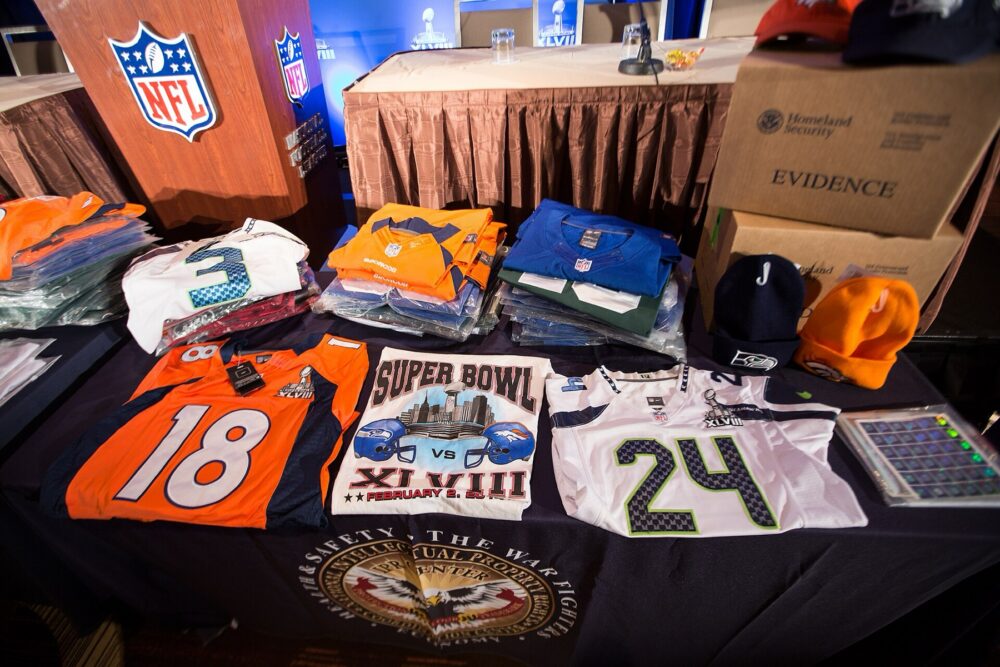
NFL merchandise wholesale means buying NFL-related products in bulk at discounted prices to resell in your own store. As a small US ecommerce seller, your first decision is whether you’ll sell officially licensed NFL gear (with team logos and names) or stick to generic football-themed items. Licensed products normally come through US or NFL-approved distributors, while generic fan gear can be sourced more flexibly — including from cross-border marketplaces like DHgate — as long as it doesn’t misuse protected logos.
How NFL Merchandise Wholesale Works for Small US Sellers
For licensed NFL products, wholesale means purchasing official, approved merchandise in bulk from distributors who have rights to sell team-branded goods to retailers. Distributors highlight the brands they carry — for example, Casey’s Distributing lists wholesale licensed sports brands such as WinCraft and Riddell in its catalog.Source Companies like Jenkins Enterprises promote lines of licensed NFL merchandise for retailers.Source These are examples of the type of supplier you’d use if you want true, logo-bearing NFL items.
Licensed NFL wholesale typically covers:
- Apparel (jerseys, hoodies, tees)
- Accessories (hats, socks, lanyards)
- Home and garden items (flags, banners, décor)Source
- Novelty goods and collectibles
In this channel, the supply chain is structured around licensing agreements: the NFL (and individual teams) license manufacturers; those manufacturers or master distributors sell to wholesalers; wholesalers sell to retailers like you.
There’s a separate world of unlicensed or generic fan products: football-shaped mugs, generic team-color scarves, tailgating gear, or “game day” décor that doesn’t show a trademarked logo or team name. These products can be made anywhere — US, China, elsewhere — and sold through general wholesalers or online platforms like DHgate, Alibaba, or Made‑in‑China.Source Here, you’re not buying “NFL merchandise” in the strict legal sense, but rather NFL-adjacent fan gear.
A practical way to think about it:
- If the product uses an NFL team name, logo, or helmet design, treat it as licensed and stay in official channels.
- If it’s just football themed (balls, goal posts, colors, slogans without team names), cross-border sourcing becomes much more realistic.
Choosing and Vetting NFL Merchandise Suppliers
You’ll need different vetting standards depending on whether you’re buying licensed NFL goods or generic football fan gear.
For officially licensed NFL merchandise
- Trace the licensing chain. Look for distributors that clearly state the sports licenses they carry and the brands they represent. Casey’s Distributing, for example, publishes a list of its licensed sports brands for wholesale buyers.Source Evergreen Enterprises lists ‘sports licenses’ for its home and garden lines.Source That kind of transparency is a good sign.
- Check product mix and category fit. A supplier whose catalog is heavily focused on licensed team merchandise (caps, banners, fan décor) is more likely to be legitimately in the sports space than a general closeout wholesaler with a few random “NFL” items.
- Use business directories and dealer lists. Some sports brands share dealer/wholesale info or catalogs (Strideline’s retail e‑catalog for licensed socks, for instance).Source Cross‑check a potential distributor against these brand resources.
- Watch for red flags. Be cautious if a supplier:
- Offers “NFL” jerseys or caps at unrealistically low prices compared to licensed channels.
- Has vague contact details or no company history.
- Can’t explain where its licenses come from.
If you’re unsure whether your planned products require permission, a brief conversation with a local attorney or careful reading of public NFL terms can help clarify the risk boundary.
For generic fan gear, including DHgate sourcing
When you move away from logos and into generic football items, the vetting shifts from licensing to general wholesale reliability.
- MOQ fit. Many small Shopify stores or marketplace sellers need low MOQs to test demand. Ask each supplier for their minimums on your specific items and compare across channels.
- Supplier history and communication. On DHgate or other platforms, look for suppliers with detailed product descriptions, active communication, and a consistent catalog (for example, a sports or apparel focus rather than random unrelated items).
- Sampling. Before betting on a season’s worth of gear, order small samples from 2-3 suppliers and compare build quality, colors, and any print work.
You can use DHgateWiki’s other guides — like Find wholesale suppliers on DHgate, Find DHgate suppliers, and Choose a DHgate wholesale supplier — as step‑by‑step playbooks for checking seller evidence and communication.
Purchasing, Logistics and Where DHgate Fits
Once you’ve narrowed suppliers, you still have to make the purchase numbers work: MOQ, unit price, freight, and repeat-order feasibility.
Here’s a compact way to compare typical channels for NFL-related merchandise:
| Channel type | Best for | Licensing comfort level | Typical use for a small US seller |
|---|---|---|---|
| US licensed sports distributors | True NFL‑branded gear (logos, team names) | High – licenses and brands are documented | Stocking official fan gear for a team‑focused store |
| Domestic general wholesalers/closeouts | Low‑risk generic football items | Medium – must still check logo usage | Budget fan accessories, seasonal décor |
| DHgate / Alibaba / Made‑in‑China | Generic fan gear, packaging, accessories | Low for logo items; better for no logos | Testing private‑label football-themed products |
A simple landed-cost example
Say you run a small Shopify store and want to add “game day” scarves in team colors, without logos:
- A US licensed distributor offers official team scarves at a wholesale price that leaves you a tighter margin but clear licensing.
To compare, you’d estimate:
- Total product cost: unit price × quantity.
- Total freight and import cost: shipping charges plus any customs duties.
- Per‑unit landed cost: (product cost + freight + duties) ÷ quantity.
- Target retail price and margin: your planned selling price minus landed cost.
Scenario: a Shopify store adding NFL fan gear
Imagine your store focuses on general sports gifts and you want to capitalize on NFL season:
- Core licensed offer. You decide your “anchor” products will be official team flags and caps. You contact a licensed distributor whose catalog shows NFL‑branded merchandise and set up an account.
- Supplementary generic gear. To avoid licensing complexity, you choose generic football-shaped mugs, party supplies, and color‑themed scarves without logos. For these, you test one domestic wholesaler and one DHgate supplier, each with small trial orders.
- Reorder strategy. For the licensed items, you plan pre‑season buys around known schedules. For generic gear, you rely on shorter lead times and flexible reorders once you see which SKUs sell.
Brief legal and licensing caution
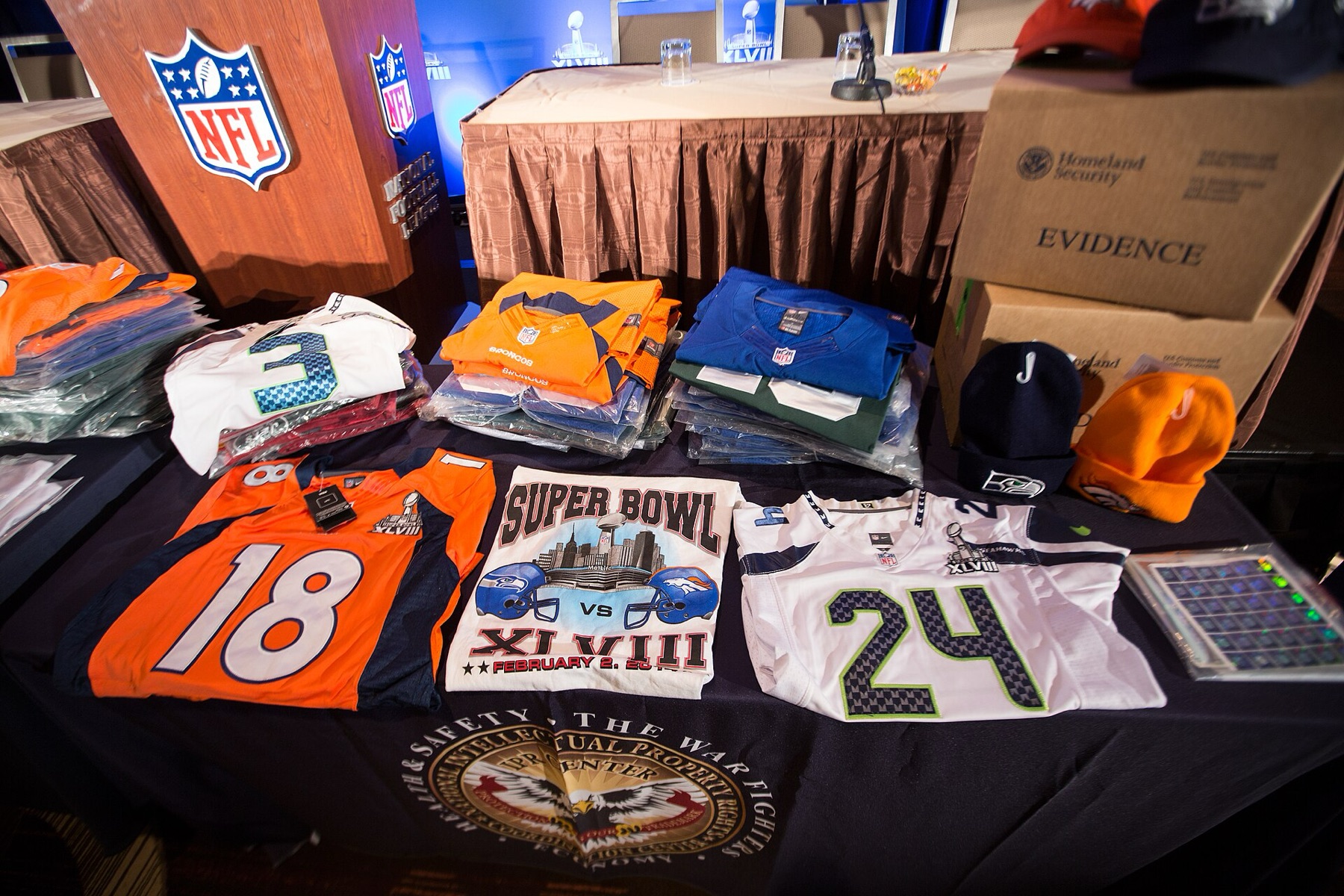
NFL team names, logos, and many uniform elements are typically protected by trademark or other rights. Using them on products without proper licensing can create real legal and enforcement risk. This article is not legal advice; it’s a sourcing overview. Before launching any product that looks “team-themed,” especially jerseys, caps, or logoed décor, consider consulting a qualified professional or reviewing official NFL terms to make sure your sourcing route matches your risk tolerance.