
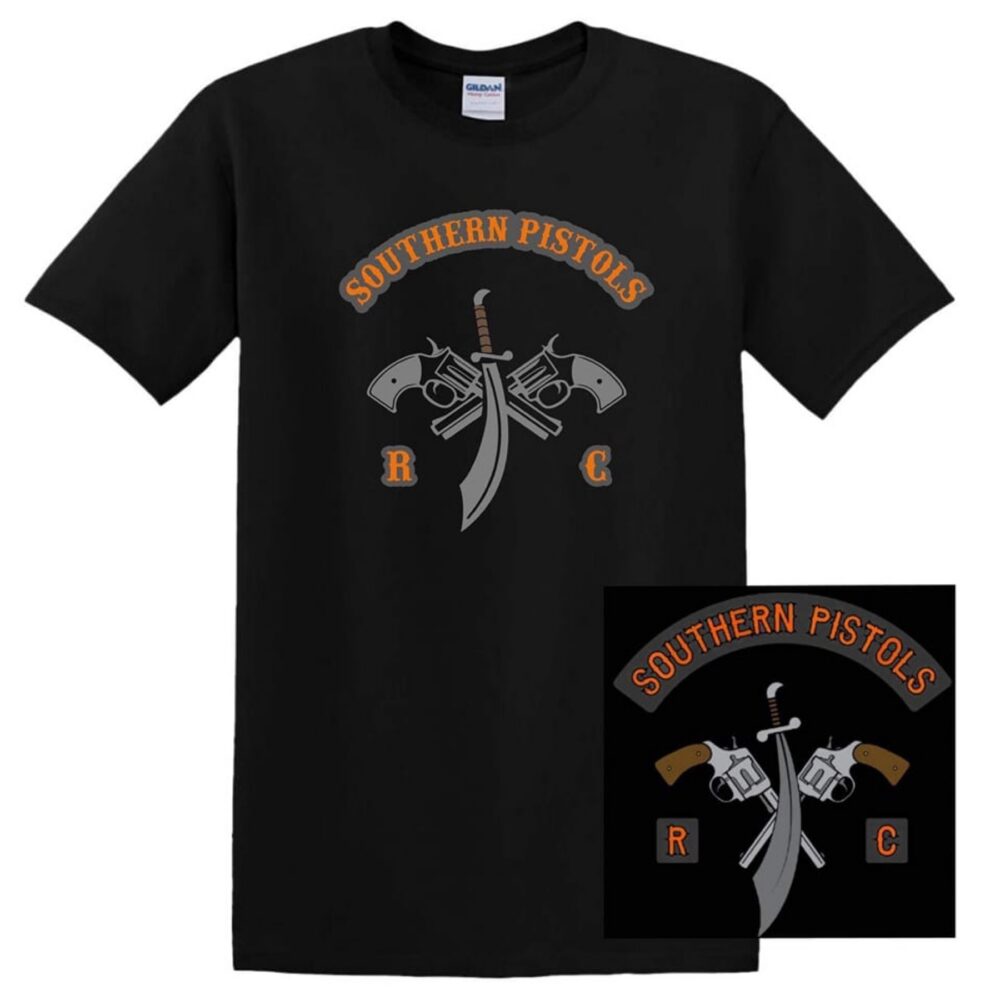
Custom crop tops and wholesale t‑shirts are usually produced by China‑based factories and sold through wholesalers or online marketplaces like DHgate, Alibaba, and Made‑in‑China. As a US microbrand, you can absolutely source customized tops and tees this way—but you need to treat it like a procurement project: define fabric and fit, check each supplier’s customization capacity, order samples, and model your total landed cost (including freight and duties) before you commit to bulk. DHgate can be attractive because its editorial content highlights a very large apparel inventory and relatively low minimum order quantities, but you still have to evaluate individual sellers one by one.
How Custom Crop Tops and Wholesale T‑Shirt Sourcing Works
For crop tops and tees, most small brands buy either:
- Blank basics (ready for printing/embroidery), or
- Fully custom OEM pieces (your pattern, fabric, branding from scratch).
China has a deep ecosystem for both. Specialized manufacturers advertise custom crop tops for activewear and streetwear and offer OEM services to overseas brands, including fabric selection, pattern development and branding for fitness and fashion labels.China‑based custom crop‑top manufacturing is now a standard niche.
Wholesale platforms aimed at resellers list bulk crop tops and tees with tiered pricing, where your per‑piece cost drops as you move from, say, 50 units to a few hundred.Wholesale crop‑tops listings show this model clearly: dozens of styles, color options, and volume‑based price steps.
In that supply chain:
- Factories weave/knit fabric, cut and sew garments, and may print/embroider.
- Wholesalers buy from factories, hold stock, and sell blanks or generic fashion to many small buyers.
- Marketplaces (DHgate, Alibaba, Made‑in‑China) sit on top of both, listing products from factories and wholesalers so you can search, message, and place orders without traveling or doing factory audits yourself.
DHgate positions itself editorially as a China‑based B2B marketplace spanning dozens of categories, including clothing, with millions of product listings and many suppliers offering apparel in small wholesale quantities.DHgate’s clothing coverage makes it a relevant channel if you want access to China’s manufacturing base but only need modest runs.
Choosing and Working With Cross‑Border Crop Top and T‑Shirt Suppliers
Getting customization right is the hardest part for tops and tees. You’re dealing with fabric feel, body length, sleeve shape, print quality—all of which can easily go wrong.
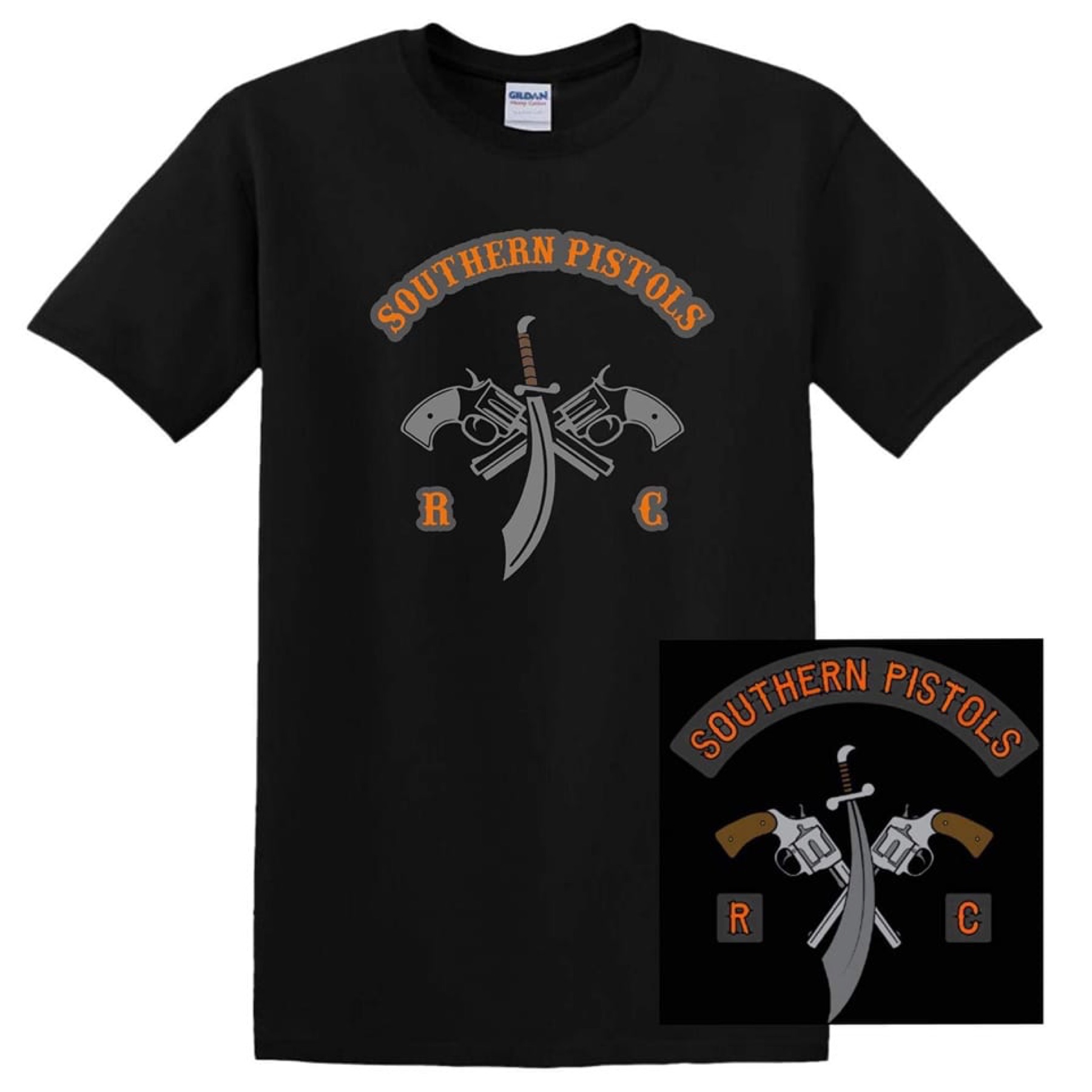
Focus on these apparel‑specific signals when you evaluate a listing or supplier profile:
- Product focus: Do they show a consistent range: crop tops, sports bras, fitness tees, streetwear tops? A supplier whose catalog is mostly electronics plus a few tees is unlikely to be a serious apparel maker.
- Fabric specs: Look for GSM (weight), fiber content (e.g., 95% cotton / 5% spandex), and fabric type (jersey, ribbed, performance). For crop tops, many fitness‑oriented factories offer stretch blends and moisture‑wicking knits; wholesalers often stock cotton/poly blends aimed at printing.
- Customization menu: Serious apparel suppliers will outline what they can customize—length, neck type, sleeve, label/neck tag, logo placement, print techniques. China‑based fitness/sportswear manufacturers frequently advertise these options as part of their OEM service.Example fitness apparel focus shows how dedicated sportswear factories bundle fabric and customization.
- Photos vs variety: Multiple angles, on‑body photos, and close‑ups of seams and prints suggest the supplier actually produced the samples shown.
Red flags for crop tops/tees specifically:
- Vague terms like “high quality fabric” with no composition.
- Only mockups or stock images, no real garment photos.
- No mention of how logos are applied (screen print vs DTG vs embroidery), yet they claim “custom printing.”
A practical outreach script
When you identify 3-5 potential suppliers on DHgate or another marketplace, send a tightly scoped message. Here’s a template you can adapt:
Subject: Custom crop top & t‑shirt order inquiry
>
Hello, we are a small US apparel brand looking for a supplier for custom women’s crop tops and unisex t‑shirts.
>
Crop tops:
• Fabric: 180-220 GSM cotton/spandex blend (stretchy, opaque)
• Sizes: XS–XL (US fit)
• Customization: solid colors + our printed logo on front
>
T‑shirts:
• Fabric: 180-200 GSM 100% cotton or cotton/poly
• Sizes: S–XXL
• Customization: 1‑color screen print on chest
>
Please confirm:
1) Your available fabrics and GSM for these items
2) Minimum order quantities and price ranges by size run
3) Available print methods and whether you can match Pantone colors
4) Sample cost and lead time
>
We are planning an initial order of ~100 crop tops and ~100 t‑shirts if samples meet our quality requirements.
>
Thank you,
[Brand Name]
Use the replies to compare fabric options, MOQs, and responsiveness. Suppliers who answer specific questions clearly are easier to work with on repeat orders.
Sampling and quality checks
Before you commit to bulk, insist on physical samples for both crop tops and tees:
- Order at least 2-3 crop tops in different sizes and one tee per size.
- Wash and dry them as your customers likely will.
- Check transparency (common issue for light‑colored crop tops), seam strength, logo print durability, and shrinkage.
Wholesale sites like Broken Arrow Wear’s custom women’s crop tops emphasize “no minimums” for decorated garments; that’s useful mainly for testing designs. For cross‑border bulk sourcing, you’re usually balancing slightly higher MOQs against lower per‑unit cost once you move to production.
MOQ, Pricing, Logistics and Where DHgate Fits
For custom crop tops and wholesale t‑shirts, you’ll typically see these patterns across channels (not exact numbers, but what small buyers commonly encounter):
| Channel type | Typical MOQ feel* | Customization depth | Best fit for… |
|---|---|---|---|
| DHgate‑style marketplace | Often small packs to low hundreds, varies per listing | Moderate: color, basic print, some pattern tweaks | Microbrands testing styles and small runs |
| Alibaba / Made‑in‑China | Commonly higher MOQs, especially OEM | Deep OEM: fabric, pattern, full branding | Brands ready for larger, repeat orders |
| Domestic wholesalers/print shops | Single pieces to small dozens | Great for prints on existing blanks | Fast local delivery, minimal complexity |
\*Editorial judgment based on marketplace positioning; always check each listing.
DHgate’s own clothing‑focused editorial content says it lists millions of apparel products and highlights that its minimum order quantities for clothing tend to be lower than some traditional wholesale sites.DHgate wholesale clothing overview frames it as a go‑to option for small and medium‑sized importers who want Chinese pricing without committing to huge factory MOQs.
DHgate also markets itself explicitly as a major source for bulk t‑shirts, with a wide range of styles at competitive wholesale prices for resellers.DHgate t‑shirt positioning makes sense if your first goal is finding basic blanks or lightly customized tees in modest quantities.
For a US microbrand, that usually means:
- You use DHgate or similar marketplaces to test silhouettes and fabrics with 50-200 units per style, then scale up later.
- You move to higher‑MOQ factory channels (often via Alibaba or Made‑in‑China) when you’ve locked in specs and want deeper OEM control and lower per‑unit cost at larger volumes.
- You keep a domestic wholesaler or decorator in the mix for fast replenishment or limited‑run graphic drops.
A worked landed‑cost checklist for a 100‑piece first order
Say you’re ordering 100 custom crop tops from a DHgate supplier plus 100 printed tees from a different seller. You won’t have precise numbers until you get quotes, but you can structure the decision:
- Unit garment cost – quoted price per crop top and per tee at your chosen MOQ.
- Decoration cost – whether printing/embroidery is included or extra.
- Duties & import fees – estimated based on HS code for cotton tops/tees and your import broker’s guidance.
- Reprint or remake allowance – a small buffer in case 5-10% of units aren’t sellable due to defects.
Add those up and divide by 100 for crop tops and 100 for tees separately. Compare that landed cost against your planned retail price and margin. If the math doesn’t work at 100 units, you either need a higher selling price, a simpler customization (cheaper print), or a different channel.
Risk‑Mitigation Checklist for Customized Tops and Tees
To keep apparel‑specific problems under control across any marketplace (DHgate, Alibaba, or domestic):
- Lock down spec sheets: measurements, fabric composition, GSM, color codes, and print method in writing.
- Require pre‑production samples for each fabric/color combo, not just one hero sample.
- Ask for production photos once bulk cutting/printing starts, especially for multi‑color crop tops.
- Start with limited styles: one crop‑top silhouette and one tee fit until you trust the supplier.
- Keep supplier diversification: don’t put all styles with one factory until you’ve proven quality over multiple cycles.
If you choose DHgate as your sourcing route, base that decision on concrete listing‑level evidence—clear fabric details, realistic photos, stated MOQs—rather than platform marketing. Use tools like Find wholesale suppliers on DHgate, Find DHgate suppliers, and Choose a DHgate wholesale supplier to structure your search and vetting. If you can’t get the fabric, fit, and MOQ you need from marketplace sellers at a workable landed cost, that’s your signal to shift to domestic blanks or higher‑MOQ factory sourcing instead of forcing the cross‑border route.