
Miniature and custom tape measures are easy impulse buys and popular promo giveaways, but sourcing them in bulk is not one-size-fits-all. For small or keychain formats, you’ll usually be choosing between US promo specialists, custom OEM manufacturers, and online marketplaces. Your best option depends on how many units you need, how complex the branding is, and how much cross‑border complexity you’re willing to manage.
If you’re buying a few hundred simple logo keychain tapes for an event, a domestic promo printer is often fastest. If you’re building a private‑label product line and care about materials, accuracy, and bespoke shapes, you’ll be talking directly to an OEM. Marketplaces—including DHgate, Amazon, and others—tend to make sense when you’re price‑shopping simple mini tapes in mid‑size quantities and are willing to vet individual sellers carefully.
Miniature and Custom Tape Measures in Wholesale: Types, Uses, and Production Landscape
In bulk sourcing, “miniature” usually means compact tape measures designed for portability and short measurements. Common formats include:
- Keychain tape measures. Small plastic or metal housings with a short retractable tape attached to a ring. DHgate’s own editorial blog describes these as typically around 1-6 feet of tape, optimized for quick measurements of small items rather than construction work. They’re popular as giveaways because they’re cheap, light, and easy to brand on the case.
- Pocket mini retractable tapes. Slightly larger than a keychain tape but still compact; often in the 2-10 foot range. These work as practical household tools and low‑cost add‑ons for hardware or DIY shops.
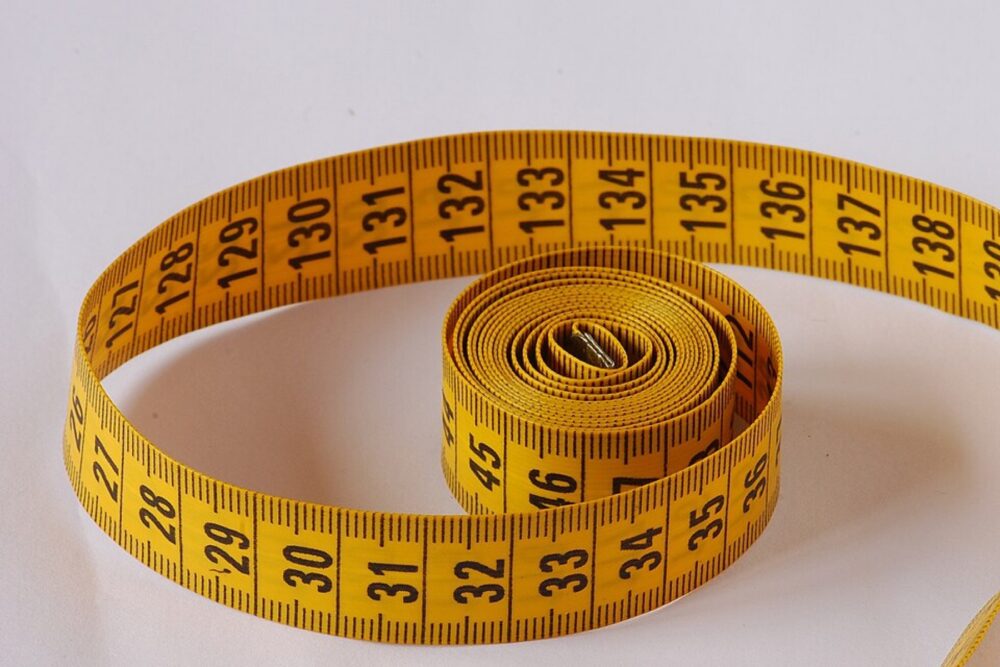
- Soft tape measures. Flexible textile or PVC tapes, widely used in sewing and body measurement. A DHgate blog piece highlights their advantages: they roll or fold into very small spaces, are light to carry, and are commonly available in long lengths (e.g., 60-120 inches) at low unit cost.
- Digital/medical specialty minis. Some listings and specialist sites offer mini digital tapes or niche items like wound rulers for clinical use. These have more specific buyers and often higher expectations for accuracy and print clarity.
On the production side, most mini and custom tape measures are manufactured in large runs in China and other Asian manufacturing hubs, then sold through three broad business models:
- Promo and corporate gift specialists (e.g., logo merchandise sites) that buy standard tape bodies and focus on printing logos for business orders.
- OEM custom houses that design and produce tape measures under your brand—sometimes with custom shapes, materials, or measurement scales—then sell them B2B.
- Marketplace merchants who list generic or lightly customized stock in bulk packs.
Mini tape measures in bulk are rarely engineered to the same rugged standard as a contractor’s 35‑foot steel tape. A keychain tape’s selling point is portability and price, not industrial durability. For most US buyers using them as promos, retail add‑ons, or light household tools, that tradeoff is fine—if you choose suppliers who are honest about materials and tolerances.
Quick view: mini tape types and where they’re used
Here’s a compact map between common mini formats and typical uses:
| Tape type | Typical length range (approx.) | Key use cases | Sourcing implications |
|---|---|---|---|
| Keychain mini retractable | ~1-6 ft (DHgate blog context) | Everyday small measurements, giveaways | Focus on case printing and low unit cost |
| Pocket mini retractable | ~2-10 ft | Household/DIY, retail add‑on tools | Balance between durability and price |
| Soft tape (sewing/body) | ~60-120 in (soft tape blog) | Tailoring, fitness/body measurement | Very low cost; print clarity is crucial |
| Digital mini / specialty | Varies | Medical, precise body measurements | Higher expectations; avoid poor OEMs |
Evaluating Mini Tape Measure Suppliers: Quality, Branding, and Communication
Once you know which format you need, the next step is deciding who can actually make it—without giving you flimsy housings or smeared logos.
Promo‑focused sites like 4imprint’s mini tape measure section and logo‑gift catalogs often present standard retractable minis with options for full‑color imprinting on the case. OEM‑oriented manufacturers such as WOOKTOOL’s custom tape measure page talk more about material choices, tape widths, and private‑label branding, signaling that you can tweak construction as well as decoration.
When you evaluate any supplier—US or cross‑border—be specific:
- Materials and build. Ask what the tape itself is made of (steel vs PVC vs textile) and how thick it is. For soft tapes, confirm that the print is on non‑stretch material so measurements don’t drift. For keychain minis, clarify whether the case is ABS plastic or metal and whether the keyring is welded or just pressed in.
- Print method and area. Mini housings only offer a small imprint area, so the method matters. Promo sites will usually specify pad print, digital print, or full‑color labels, and show max logo size. OEMs may let you integrate designs into molded cases. Request a dieline or imprint template so your designer doesn’t crowd text.
- Sample policy. For event promos, one physical sample is often enough. For private‑label tools, try to see both a blank sample (to judge mechanics) and a printed sample (to judge color and alignment). Domestic promo houses tend to have standardized sample practices; OEMs may negotiate ad‑hoc.
- Measurement units and accuracy. Confirm whether the tape is imperial, metric, or dual‑scale, and share any industry expectations. If you’re sourcing clinical or sewing tapes, ask for reference photos of the graduations at 1‑inch or 1‑cm intervals to check clarity.
- Communication style. Promo companies usually have self‑service quote tools and US sales reps. With cross‑border OEMs, expect to send clear spec sheets: target length, tape width, housing color, logo position, and packaging format. Short, well‑structured emails or PDFs go a long way toward avoiding mistakes.
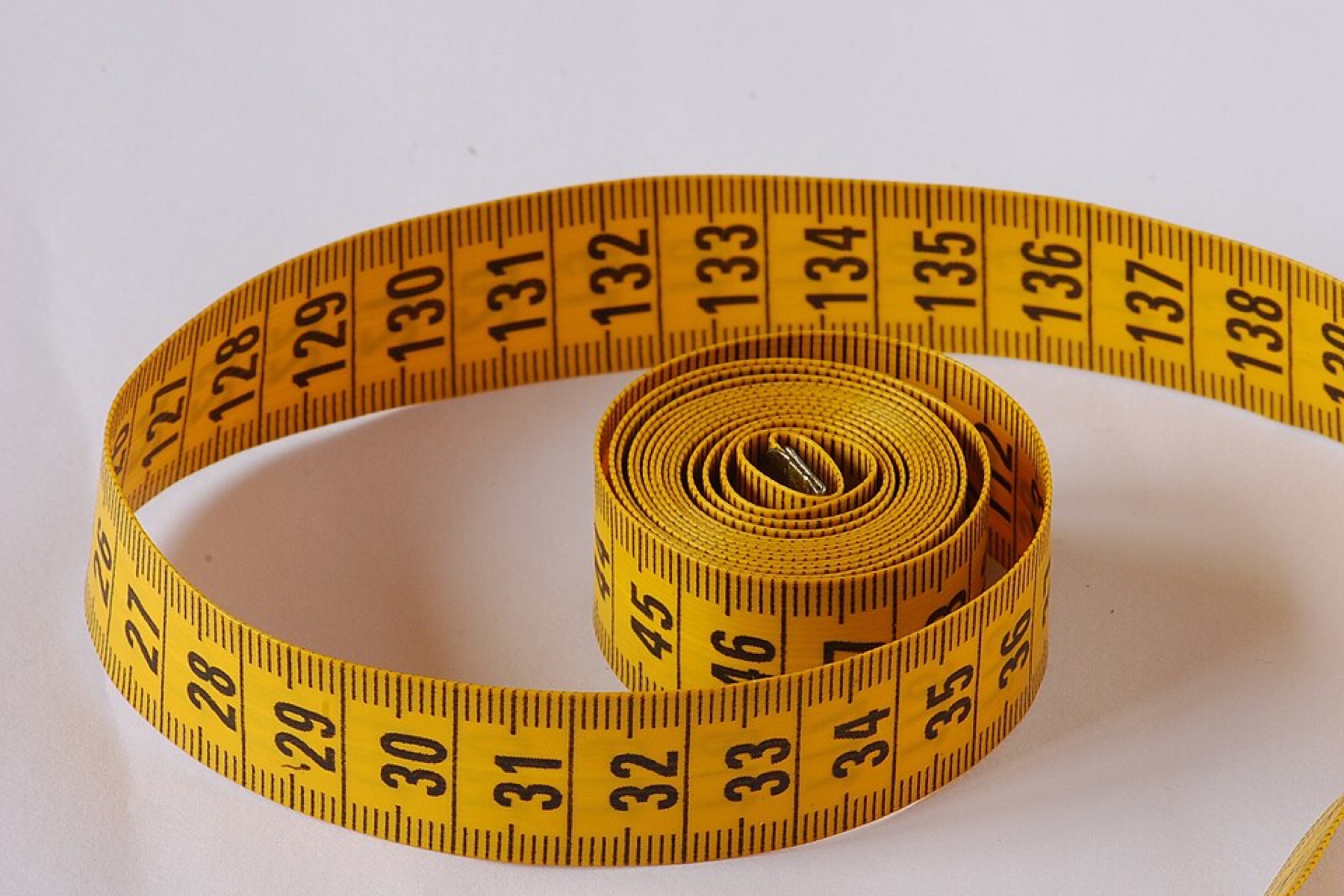
Red flags for mini tape suppliers include vague material descriptions (“high quality” with no details), reluctance to share close‑up photos of print and graduations, and resistance to any sampling. If you’re sourcing for an ecommerce brand, it’s often worth paying slightly more for a supplier who will document specs clearly instead of just sending “similar” stock.
Order Size, Customization, and Channel Choice for Bulk Mini Tape Measures
The same keychain tape can be a great buy or a headache depending on the channel you use. Thinking in terms of quantity and customization usually leads to better decisions.
How quantity and branding push you into different channels
Scenario 1: 100-500 units, simple logo, US event or giveaway. Here, speed and predictability matter more than shaving a few cents off each unit. Promo specialists like 4imprint or ProImprint’s personalized tape measures focus on this kind of order. You pick a standard mini or keychain format, upload a logo, approve a proof, and get a predictable imprint on the case. Minimums tend to be accessible, and you don’t have to manage international freight.
Scenario 2: 1,000+ units, private‑label mini tape for ecommerce. If you’re building a product line—say, a branded sewing kit or a household mini toolkit—you’ll want deeper control. OEM custom manufacturers such as WOOKTOOL or specialist medical/measurement producers like Woundruler are more likely to support non‑standard tape lengths, custom scales (body‑measurement charts, wound grids, quilting marks), or bespoke housings. Expect higher MOQs, more back‑and‑forth on drawings, and longer lead times.
Scenario 3: Price‑sensitive bulk minis with light or no customization. If you mainly care about getting inexpensive minis to bundle into orders or stock a store, marketplaces open up more options—but you shoulder more vetting work.
Example: using DHgate and other marketplaces as a mini tape source
Online marketplaces like Amazon and DHgate host many small or keychain tape listings, often with per‑unit prices visible and bulk packs available. Around 2026-10-08, a quick DHgate search surfaced several relevant products:
- Mini keychain tape measure: a listing titled “Mini Tape Measure Keychain Keyring Portable Measuring Ruler Household Measuring Tools 1M Father’s Day Gift” (DHgate product page). It showed a tape length of 1 meter, a price range of about $0.67–$0.78 per unit and a handful of reviews, which at least lets you gauge past buyer satisfaction.
- Portable mini household tape: “Portable mini tape measure Small household measuring tape retractable 2m Mild steel key chain tape measure Mini measuring tools 260515” (DHgate product page), with a 2‑meter length and a mid‑tier price band in the low $30s range (likely for a pack, given the category and pricing).
- Diamond‑style mini tape: “Wholesale Diamond Tape Measure Portable Mini Measuring Ruler Household Measuring Tools 1.5M” (DHgate product page), showing a 1.5‑meter tape, a price range of roughly $2.96–$6.60, and an average rating around 5.0 from 11 reviews.
- Mini electronic body tape: “Tape Measures Mini Electronic Digital Display Measuring Tape Roll Home Measuring Ruler Measuring Chest Waist Hip Circumference 230516” (DHgate product page), aimed at body measurements with a digital display and higher pack‑level pricing.
Listings and prices can change, but this snapshot shows the spread: simple keychain minis at sub‑$1 price points, more decorative housings at a few dollars, and niche digital tools at higher pack prices.
If you explore DHgate or similar marketplaces for bulk minis, treat each listing like a micro‑supplier to vet:
- Read all available reviews and photos, not just the star rating.
- Check whether the seller has other tape or tool listings; a one‑off tape in a totally unrelated catalog is a higher risk.
- Message the seller with concrete questions about tape length, units (metric vs imperial), print area, and packaging before placing a large order.
For US buyers who expect to use marketplaces repeatedly, internal guides such as finding wholesale suppliers on DHgate, finding DHgate suppliers, and choosing a DHgate wholesale supplier can help structure that vetting on a seller‑by‑seller basis.
Quick checklist: matching your project to a sourcing route
Use this as a sanity check before you start requesting quotes:
- Is your main goal branding or utility? If you mostly want a logo on a giveaway, pick a domestic promo specialist. If you need a measuring tool that genuinely works well (for sewing, medical, or DIY), put OEMs and better‑documented marketplace listings higher on the list.
- How rigid is your timeline? If you must have product in hand for an event in 4-6 weeks, domestic promo channels are safer. For flexible ecommerce launches, OEM and cross‑border routes give you more control at the cost of time.
- How sensitive are your customers to accuracy? For clinical or tailoring uses, demand clear photos of graduations and consider buying from specialized producers like Woundruler rather than generic keychain merch.
- What happens if quality is mid‑tier? For low‑stakes giveaways, a keychain tape that’s “good enough” may be fine. For repeat ecommerce sales, treat your tape supplier as part of your brand—and invest in the channel that lets you debug issues before you commit to big runs.
Miniature and custom tape measures are simple products, but the sourcing decision isn’t trivial. If you align tape type, order size, and branding depth with the right channel from the start, you’re far less likely to end up with boxes of flimsy, off‑brand minis gathering dust in storage.